


 English
 عربى
عربى
Large Caliber Flat Hose: More Flow, Less Space
In demanding industries such as agriculture, mining, emergency relief, and heavy construction, the efficiency of fluid transfer is paramount. When massive volumes of water or other liquids need to be moved across significant distances, traditional rigid piping often proves cumbersome, costly, and logistically challenging. This is where the innovation of the Large Caliber Flat Hose comes into play, offering a revolutionary solution that maximizes flow capacity while minimizing the physical footprint required for storage and transport. By combining exceptional durability with unparalleled space efficiency, this type of hose has become indispensable for operations requiring rapid, high-volume liquid movement. Understanding its technical specifications, application benefits, and deployment advantages is key to unlocking its full potential and realizing substantial operational savings. This guide delves into the specifics, helping you navigate the world of high-capacity fluid transfer solutions.
Content
- 1 The Unseen Advantages of Large Caliber Flat Hose Technology
- 2 Performance and Durability: Heavy Duty Flat Hose Pressure Rating Explained
- 3 Operational Efficiency: Industrial Large Flat Hose Deployment Benefits
- 4 Finding the Best Large Bore Lay Flat Hose Reviews: Key Purchasing Factors
- 5
- 6 Conclusion: The Future of Fluid Transfer
- 7 FAQ
- 7.1 What is the primary difference between a large diameter collapsible hose for transfer and a traditional rigid pipe?
- 7.2 How does the heavy duty flat hose pressure rating affect its lifespan in demanding industrial environments?
- 7.3 Can high volume flat hose irrigation systems be used effectively in uneven or challenging terrain?
The Unseen Advantages of Large Caliber Flat Hose Technology
Defining the Large Caliber Flat Hose
A Large Caliber Flat Hose, often referred to as a lay-flat hose, fundamentally redesigns the concept of a pipeline. Unlike conventional round hoses that maintain a circular cross-section whether in use or not, the lay-flat design ensures the hose collapses completely when empty, making it incredibly compact. This "large caliber" designation specifically refers to hoses with inner diameters typically ranging from 6 inches up to 12 inches or more, capable of handling truly massive flow rates essential for large-scale operations. The construction usually involves multiple layers of resilient synthetic fabrics—such as woven polyester or polyamide—encased in robust elastomer or thermoplastic materials like Nitrile Rubber (NBR), PVC, or Thermoplastic Polyurethane (TPU). This composite structure provides high tensile strength and burst resistance, allowing it to withstand the rigors of heavy-duty industrial use and significant internal pressures. The core benefit of this design is the strategic balance between the ability to move vast quantities of fluid and the practical constraints of logistics, storage, and deployment speed. This adaptability is what sets it apart from permanent or semi-permanent piping systems, offering a flexible and reliable alternative for temporary or emergency fluid transfer needs.
- Structural Composition: Typically a composite of synthetic textile reinforcement (e.g., polyester) embedded in a durable outer jacket (e.g., TPU or NBR blend) for maximum resistance to abrasion and environmental wear.
- Flow Dynamics: The large diameter minimizes friction loss ($h_f$) over long distances compared to an equivalent length of smaller bore hose, significantly boosting overall system efficiency and reducing pumping energy costs.
- Core Function: Engineered for temporary or semi-permanent large-scale fluid transfer, including water, slurry, chemicals, and effluent, where rapid deployment and retrieval are critical factors.
Why "Lay-Flat" Matters for Storage and Transport
The "lay-flat" nature is the defining characteristic that drives logistical efficiency. When not in use, these hoses can be tightly rolled or folded, reducing the required storage volume by as much as 80-90% compared to equivalent lengths of rigid pipe or non-collapsible hoses. This space-saving attribute directly translates into lower transport costs, as far more hose can be loaded onto a single truck or container. Furthermore, handling is drastically simplified; large coils can be managed by fewer personnel or lighter machinery, speeding up both deployment and retrieval phases of a project. This practical advantage significantly cuts down on logistical overhead, a crucial factor in remote mining sites or large agricultural setups.
Understanding Diameter vs. Flow Rate
The relationship between hose diameter and flow rate is non-linear and governed by fluid dynamics principles. Doubling the diameter, for instance, quadruples the cross-sectional area, leading to a massive increase in potential flow volume (Q) while concurrently decreasing fluid velocity and associated friction losses. This is the fundamental principle behind maximizing flow efficiency with a Large Caliber Flat Hose. Choosing the right diameter is not just about the volume needed but also about minimizing the pump head pressure required, which saves energy. Engineers rely on calculations involving the Hazen-Williams or Darcy-Weisbach equations to model this precise relationship and select the most efficient hose size for specific project requirements.
Applications Where High Volume Flat Hose Irrigation Excels
The ability to move fluid efficiently is never more critical than in large-scale agricultural and resource management projects. High volume flat hose irrigation systems are specifically designed to meet the extreme demands of these environments. In modern farming, fields can span thousands of acres, requiring immense volumes of water to be delivered from a source—be it a reservoir, river, or bore well—to the farthest corners of the property. The speed of deployment and the minimal maintenance required by lay-flat hoses provide an undeniable advantage over permanent trenching or heavy, segmented metal pipes. Beyond agriculture, these hoses are essential in flood mitigation and water bypass operations where flow interruption must be minimized. The robust nature of the materials means they can be deployed over rough, abrasive terrain without significant risk of failure, providing a reliable lifeline for water distribution. Their flexibility allows for quick route adjustments, adapting instantly to changes in field layout or temporary obstacles, making them an unparalleled tool for dynamic fluid management.
- Agricultural Transfer: Serving as the main distribution line in pivot or drip irrigation systems, delivering vast amounts of source water to sub-lines efficiently.
- Mining & Quarry Dewatering: Pumping abrasive sludge, tailings, and process water out of pits and sumps, often involving high-pressure, continuous-duty cycles.
- Emergency Services: Utilized for temporary municipal water supply, fire suppression efforts, and rapid flood water diversion, where time is of the essence.
Agricultural and Mining Applications
In agriculture, the speed and low labor requirements of High volume flat hose irrigation deployment translate directly to reduced operational costs during planting and harvesting seasons. Similarly, the mining sector relies heavily on these large hoses for dewatering. Mines, especially open-pit operations, constantly battle groundwater influx, and any failure in dewatering can halt production. The rugged, abrasion-resistant outer jacket of a high-quality lay-flat hose is specifically engineered to handle the rough surfaces and particulate matter encountered in these harsh environments, ensuring continuous operation. The key comparison often involves traditional PVC or metal pipes, as shown below:
| Feature | Large Caliber Flat Hose (e.g., TPU/NBR) | Traditional Rigid Piping (e.g., PVC/Steel) |
| Storage Volume | Extremely compact (Collapses flat) | Voluminous (Maintains fixed diameter) |
| Deployment Speed | Very fast, unrolls easily | Slow, requires joining multiple segments |
| Terrain Adaptability | Excellent, highly flexible | Poor, requires rigid supports/fittings |
| Abrasion Resistance | High (Especially TPU and NBR-Blended) | Variable (Steel is high, PVC is low) |
Performance and Durability: Heavy Duty Flat Hose Pressure Rating Explained
Selecting the Right Material for Large Diameter Collapsible Hose for Transfer
When selecting a large diameter collapsible hose for transfer, the choice of material is arguably the most critical factor influencing performance, longevity, and suitability for the intended fluid. Different applications place varying demands on the hose; a water transfer operation has different requirements than one handling abrasive slurry or corrosive chemicals. The primary materials used are Thermoplastic Polyurethane (TPU), Nitrile Rubber (NBR), and Polyvinyl Chloride (PVC). TPU hoses are often considered the premium choice due to their exceptional abrasion resistance, high tensile strength, and superior resistance to oils and many chemicals, making them ideal for the harshest environments. NBR blended hoses offer excellent resistance to petroleum-based products and are highly durable, often used in fire fighting and fuel transfer applications. PVC is generally the most cost-effective option, suitable for clean water and low-pressure applications, but it offers lower abrasion resistance and less flexibility in extreme temperatures. A thorough assessment of the fluid type, operating temperature range, and terrain conditions must be conducted before a material is finalized. The decision ultimately boils down to balancing the initial investment against the required lifespan and performance reliability of the hose in a given environment.
- Chemical Compatibility: Ensure the inner lining material is inert to the fluid being transferred (e.g., certain industrial chemicals require specialized polymer linings).
- Temperature Tolerance: TPU generally maintains flexibility across a wider temperature range (from freezing to high heat) than standard PVC, preventing cracking or softening.
- Weight and Maneuverability: Lighter materials like high-grade TPU reduce the labor and machinery needed for transport and on-site handling.
PVC vs. TPU: A Comparative Analysis
The material composition directly dictates the hose's working parameters. For demanding industrial scenarios, the trade-off between the lower cost of PVC and the superior performance of TPU often steers the decision toward the latter. TPU provides a significantly higher resistance to tearing and puncturing, which is essential when the hose is dragged over rocky or abrasive ground. While PVC remains a viable and economical choice for temporary, low-risk water transfer, for high-stakes, long-term, or abrasive fluid handling, high-quality TPU is the clear professional standard. For applications requiring resistance to oils and fuels, an NBR blend may be superior. The following table highlights the key differences between two common material types:
| Property | TPU (Thermoplastic Polyurethane) | PVC (Polyvinyl Chloride) |
| Abrasion Resistance | Excellent | Fair to Good |
| Chemical Resistance | Very Good (Oils, many solvents) | Good (Water, light chemicals) |
| Flexibility (Cold Temp) | Excellent (Remains flexible) | Poor (Can stiffen and crack) |
| Typical Lifespan | Longer (5+ years) | Shorter (2-3 years average) |
Determining the Appropriate Pressure Rating (PSI/BAR)
The heavy duty flat hose pressure rating is a critical specification that defines the maximum safe operating pressure (W.P.) and the burst pressure (B.P.) of the hose. This rating is determined by the material strength and the density and pattern of the woven textile reinforcement layers. A high pressure rating is non-negotiable for systems involving high-head pumps (e.g., lifting water hundreds of feet out of a deep mine) or long-distance transfer where significant pressure is required to overcome friction loss. Operating a hose above its rated working pressure is extremely dangerous and drastically reduces its lifespan, potentially leading to catastrophic failure. It is standard practice to select a hose with a working pressure at least 25% higher than the maximum calculated system pressure to maintain a necessary safety margin. Engineers must carefully consider the transient pressures (water hammer) that can occur when pumps start or stop, as these peaks can momentarily exceed steady-state operating pressure and necessitate an even higher rating for safe operation.
Operational Efficiency: Industrial Large Flat Hose Deployment Benefits
Rapid Deployment and Retrieval Mechanics
The inherent design of the lay-flat hose ensures that the entire process of installing and recovering a fluid transfer system is streamlined and dramatically faster than traditional methods. The benefits of industrial large flat hose deployment benefits are immediately apparent on large-scale, time-sensitive projects. A kilometer of hose can be unspooled from a specialized reeler on the back of a utility vehicle in mere minutes, a feat that would take hours, if not days, using segmented pipes that require flange or coupling connections every few meters. This rapid deployment capability is not just a convenience; it's a fundamental economic advantage, especially in industries where downtime equals lost revenue. The hoses are typically equipped with quick-connect couplings (e.g., Bauer, Storz, or cam-lock), allowing long segments to be joined quickly and securely without the need for specialized welding or threading equipment. Furthermore, the retrieval process is equally efficient; the hose is simply rolled back onto the reeler, automatically draining the remaining fluid as it flattens. This efficiency minimizes the number of personnel required on-site and allows projects to commence and conclude on tighter schedules, making the lay-flat system a major logistical asset for temporary or shifting operational needs.
- Reel and Unreel Systems: Specialized hydraulic or mechanical reelers are used to manage and automate the deployment and recovery of kilometers of large-bore hose, greatly reducing labor.
- Low-Friction Coupling: Quick-connect systems minimize system pressure loss at connection points, maintaining the high flow rate capacity of the hose.
- Reduced Site Footprint: Unlike rigid pipe systems that require significant space for staging and temporary storage, lay-flat hoses minimize on-site clutter and hazard.
Minimizing Labor and Downtime
The most compelling of the industrial large flat hose deployment benefits is the substantial reduction in labor costs. A small crew with the right reeling equipment can manage the installation of multiple kilometers of large-diameter hose, compared to the large teams and heavy machinery needed for rigid pipes. This translates directly to lower operational expenditure (OPEX). Moreover, should a hose segment need inspection or replacement, the modular nature of the system allows for quick isolation and substitution of the affected section, dramatically minimizing system downtime. This is particularly crucial in critical operations like municipal bypass pumping or continuous industrial processing, where interruptions are highly costly. The streamlined process ensures project schedules are adhered to, and capital equipment (like pumps and excavators) can be utilized more effectively.
Assessing Total Cost of Ownership (TCO)
While the initial cost of a high-specification Large Caliber Flat Hose can sometimes be higher than basic rigid piping, a Total Cost of Ownership (TCO) analysis overwhelmingly favors the lay-flat system for temporary or long-term dynamic applications. The TCO accounts not just for the purchase price but also for the cost of transport, labor for installation and removal, maintenance, and the value of project uptime. The immense reduction in labor and logistics costs, combined with the multiple re-use cycles possible with a durable TPU or NBR hose, results in a far lower cost per gallon transferred over the hose’s lifespan. The table below illustrates the TCO comparison for a multi-year project:
| Cost Factor | Lay-Flat Hose System | Rigid Pipe System |
| Initial Purchase Price | Moderate to High | Moderate to High |
| Transport Costs | Low (High density) | High (Low density, bulky) |
| Installation Labor | Low (Automated reeling) | High (Manual coupling/welding) |
| Storage Costs | Low (Compact) | High (Requires large yard space) |
Finding the Best Large Bore Lay Flat Hose Reviews: Key Purchasing Factors
Critical Features to Look for Before Purchase
For operations aiming for maximum efficiency and minimum risk, consulting Best large bore lay flat hose reviews and conducting thorough due diligence is paramount. The market is saturated with various options, and distinguishing a high-quality, durable product from an inferior one often comes down to scrutinizing specific technical features. Beyond the core material (TPU being generally superior for heavy-duty work), the consistency of the wall thickness is a major indicator of quality. Inexpensive hoses may have uneven walls, leading to weak points that fail under pressure. Furthermore, the tenacity and weave pattern of the reinforcing textile must be verified; a double-woven or circular-woven jacket provides superior burst strength compared to a simple spiral wrap. Users should also look for hoses with a smooth internal bore, as this minimizes fluid friction and maintains the intended high flow rate. Finally, verify the material's UV and ozone resistance, especially for hoses deployed outdoors for extended periods, as environmental degradation is a silent killer of hose integrity. Purchasing a hose that matches the longevity and performance claims found in reliable third-party reviews is a strategic investment that pays dividends in reliability and reduced replacement costs over time.
- Wall Thickness Uniformity: Critical for consistent pressure resistance and avoiding premature failure at thin spots.
- Coating Adhesion: Ensure the inner lining and outer jacket are strongly bonded to the textile layer to prevent delamination under continuous flexing.
- Certification: Look for international quality and safety certifications relevant to your industry (e.g., ISO standards, specific country safety marks).
Couplings and Connection Standards
The effectiveness of a Large Caliber Flat Hose system is severely limited by the quality and compatibility of its couplings. The connection must be rated for the same or higher pressure as the hose itself and must create a leak-proof seal without damaging the hose wall. For large diameter hoses, popular standards include Bauer, Storz, and various cam-lock designs. The method by which the coupling is attached—typically through a secure band or crimp—must ensure the full strength of the hose is maintained. Inadequate coupling attachment is a common point of failure. When looking at Best large bore lay flat hose reviews, attention should be paid to user feedback on coupling reliability under peak flow and pressure conditions.
Maintenance and Storage Best Practices
Maximizing the return on investment in a Large Caliber Flat Hose system hinges on proper post-use maintenance and storage. The fundamental best practice is thorough cleaning and draining before retrieval. Residual fluid, especially if it contains abrasive particulates, chemicals, or stagnant water, can degrade the internal lining or promote biological growth. Specialized hose cleaners or simply flushing with clean water at the end of an operation are recommended. When retrieving the hose, it should be reeled under controlled tension to ensure it lays flat and is not twisted, which can induce stress points. Storage should be in a cool, dark, and dry environment, away from direct sunlight (UV light), ozone sources (e.g., electric motors), and extreme heat. Proper maintenance, as outlined in the Best large bore lay flat hose reviews, can easily double the expected service life of the product, providing significant long-term savings.
Conclusion: The Future of Fluid Transfer
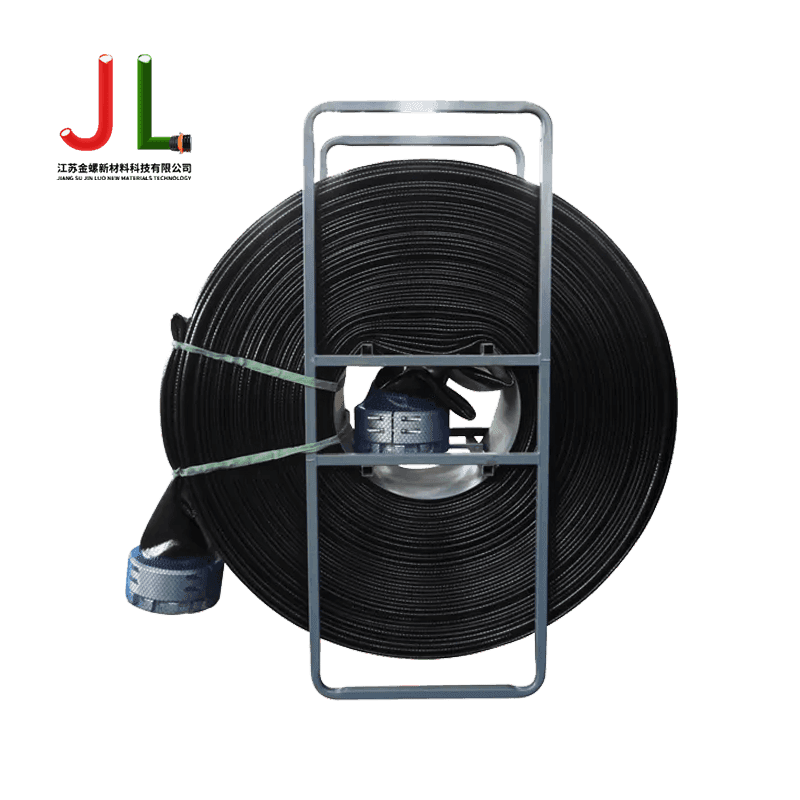
The Large Caliber Flat Hose represents the optimal synthesis of high performance and logistical practicality in fluid transfer technology. By offering superior flow rates, dramatic reductions in storage volume, and unparalleled deployment speed, it has cemented its role as the go-to solution for critical, high-volume applications across diverse industrial sectors. From high volume flat hose irrigation to specialized industrial large flat hose deployment benefits in mining and construction, the advantages are clear. Prioritizing material quality, understanding the heavy duty flat hose pressure rating, and consulting reliable best large bore lay flat hose reviews will ensure you select a system that is not only cost-effective but also capable of delivering reliable performance under the most challenging conditions. The future of fluid transfer is undeniably flat, flexible, and fundamentally more efficient.
FAQ
What is the primary difference between a large diameter collapsible hose for transfer and a traditional rigid pipe?
The primary difference lies in their physical state when not in use and their application scope. A traditional rigid pipe (e.g., steel or PVC) maintains a fixed, round shape and requires permanent or semi-permanent installation, often involving threading, welding, or flanging at numerous joints. This makes transport and storage highly inefficient. In contrast, a large diameter collapsible hose for transfer (lay-flat hose) collapses completely flat when empty, reducing its volume by up to 90%. This allows for extremely rapid deployment (unreeling) and retrieval (reeling), vastly lowering labor and transport costs. Rigid pipes are suited for permanent infrastructure, while the lay-flat hose is the superior choice for temporary, emergency, or frequently relocated high-volume fluid transfer operations where speed and logistical efficiency are paramount. The lay-flat hose also handles uneven terrain much better due to its inherent flexibility.
How does the heavy duty flat hose pressure rating affect its lifespan in demanding industrial environments?
The heavy duty flat hose pressure rating is directly proportional to its structural integrity and lifespan, particularly in challenging environments like mining or oil fields. A higher rating indicates that the hose has been constructed with denser, multi-ply textile reinforcement (e.g., high-tenacity polyester) and a thicker, more resilient outer jacket (e.g., highly-rated TPU or NBR blend). In industrial settings, hoses are subjected not just to static working pressure but also to dynamic stresses, including surge pressures (water hammer), severe abrasion from rough surfaces, and potential pinching or crushing. A hose rated for high pressure possesses a greater safety factor against burst failure, which is critical. Furthermore, the robust construction needed for a high-pressure rating inherently improves its resistance to external damage and chemical ingress. Therefore, investing in a hose with an appropriate, high heavy duty flat hose pressure rating ensures extended operational life, fewer costly failures, and minimized downtime in demanding, continuous-duty industrial applications.
Can high volume flat hose irrigation systems be used effectively in uneven or challenging terrain?
Yes, high volume flat hose irrigation systems are exceptionally well-suited for uneven, undulating, or challenging terrain—a major advantage over rigid or semi-rigid piping. Their collapsible, highly flexible design allows the hose to conform naturally to the contours of the ground without the need for extensive site preparation, grading, or external supports. A traditional pipe system would require numerous expensive and time-consuming articulated joints or specialized fittings to navigate slopes or obstacles, leading to potential leak points and friction loss. Conversely, a large caliber lay-flat hose can be run directly up and down hillsides or around natural obstacles with minimal loss of flow efficiency. The robust, seamless jacket of a quality lay-flat hose provides excellent protection against abrasion as it moves over rocks or sharp terrain. This inherent adaptability and flexibility make it the preferred solution for rapidly establishing reliable, temporary water lines in virtually any environment, from terraced farmlands to mountainous construction sites.
Related Products
-

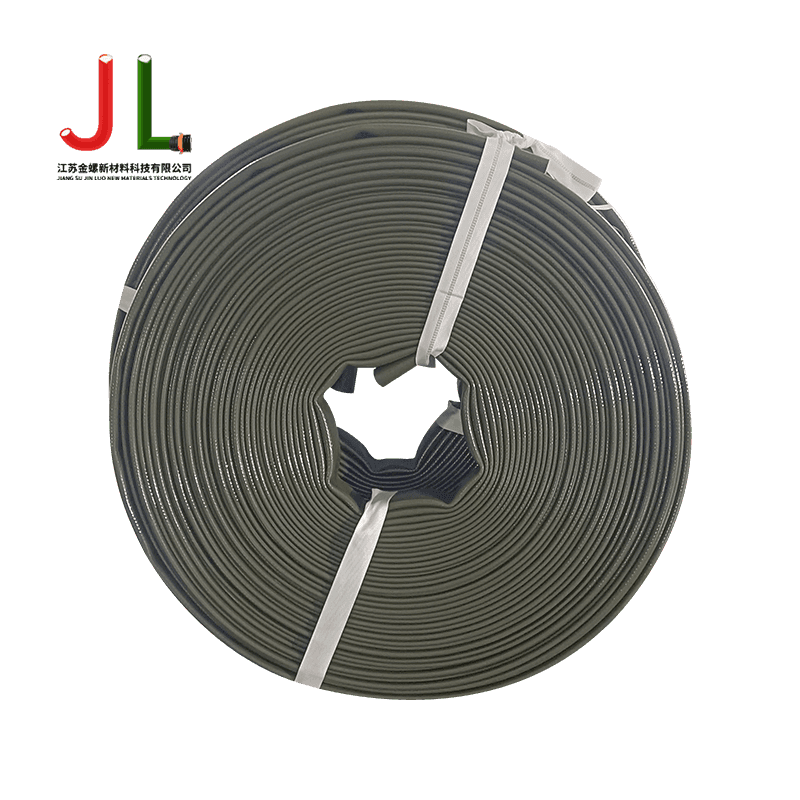
Jinluo Hose TPU Fracking Layflat Hose – Flexible Polyurethane Fracturing Water Supply Hose for Oilfield Applications
-
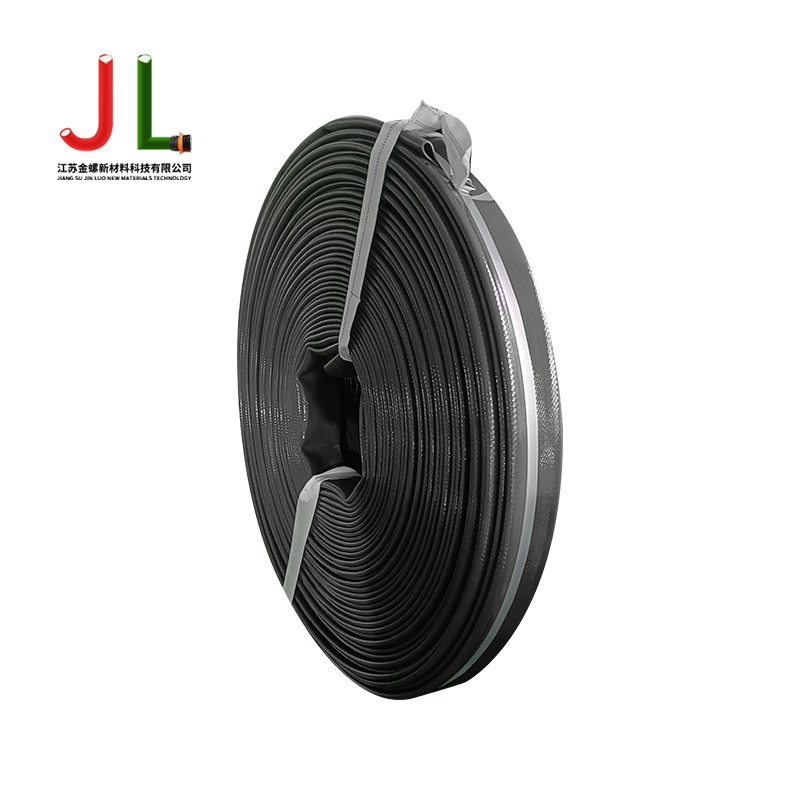
Jinluo Hose Polyurethane Fracturing Water Supply Hose
-
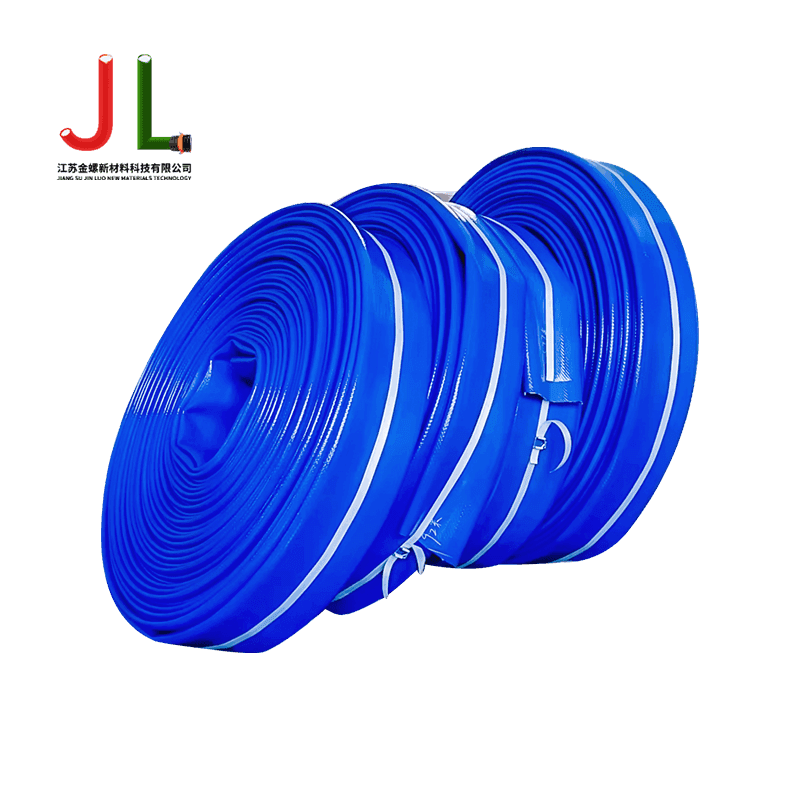
Jinluo Hose Polyurethane Slurry Hose – Reinforced Underground Mining Hose for Efficient Water and Slurry Discharge
-
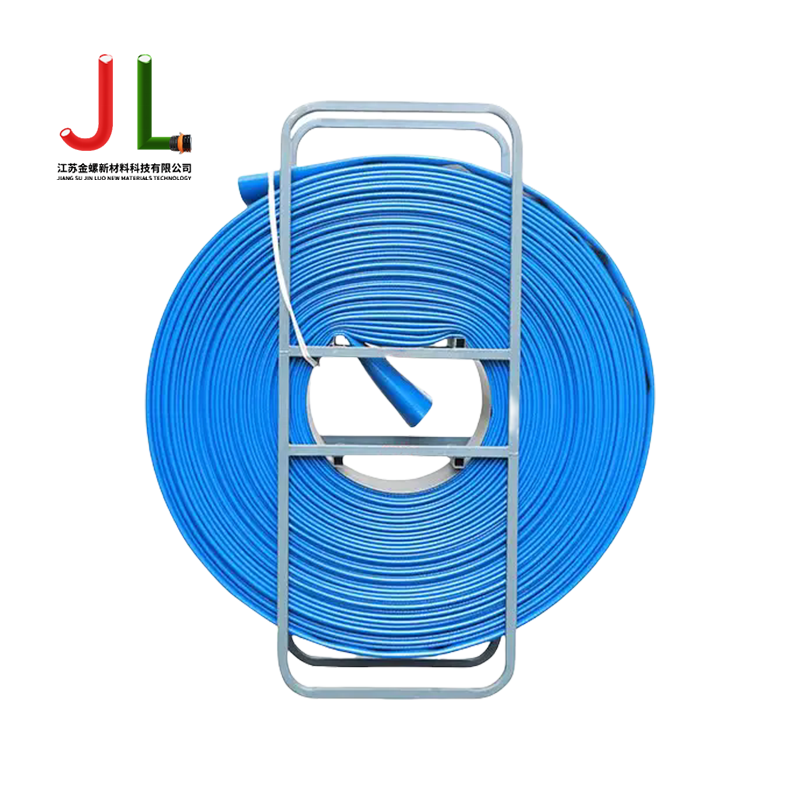
Jinluo Hose TPU frac water hose
-
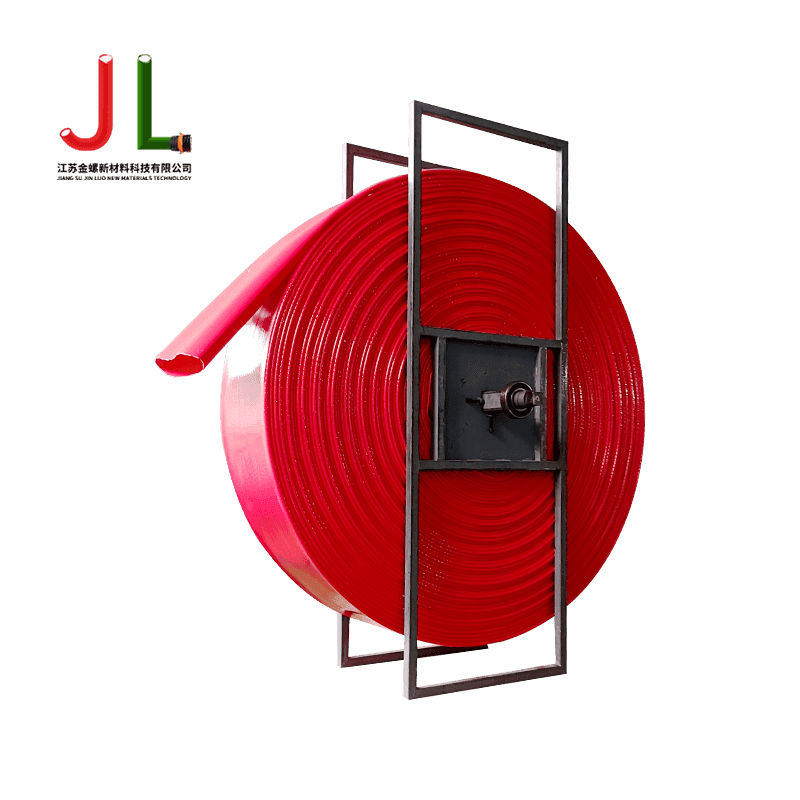
TPU Concrete Pouring Hose (Concrete Pumping Hose / Concrete Delivery Hose)
-
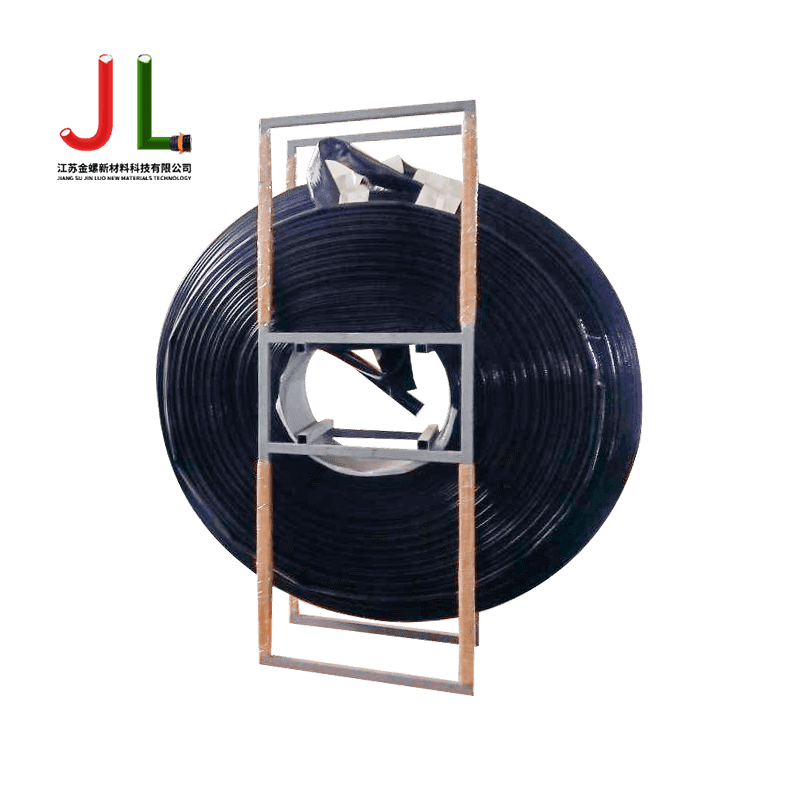
Jinluo Dual-Sided Polyurethane Trenchless Pipe Liner – Advanced Polyurethane Lining Hose for Trenchless Pipe Repair
-
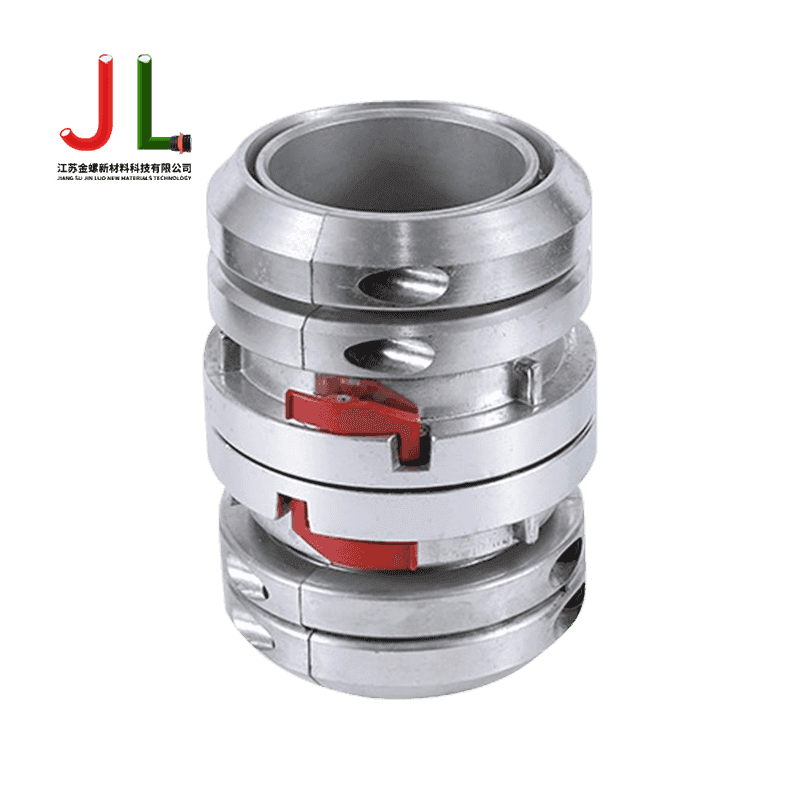
316 Stainless Steel Multi-Lug Quick Connect Couplings – Robust Stainless Steel Couplings for Quick Connections
-
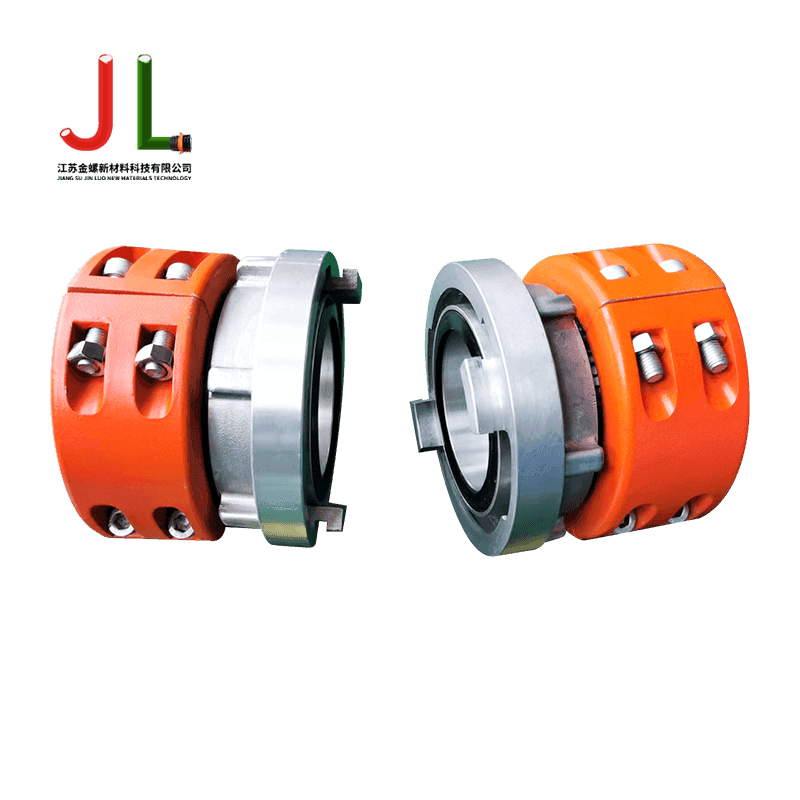
LDHC S Large Diameter Hose Coupling (Storz Type) – High-Performance Storz Type Coupling for Large Diameter Hose Connections
-
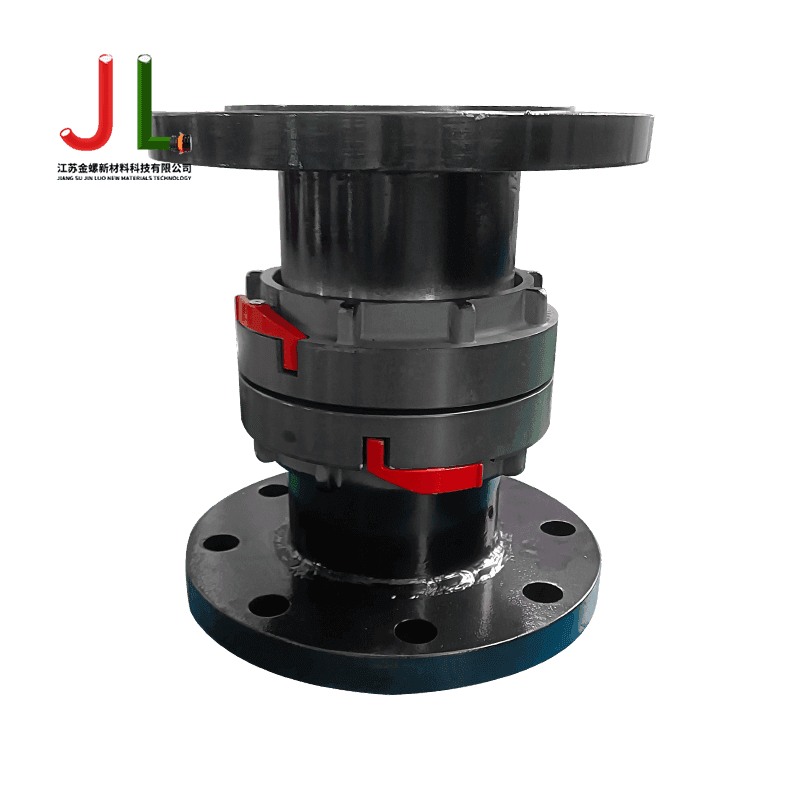
LDHC Large Diameter Hose Flange Coupling | High Pressure Sealing Carbon Steel / Stainless Steel Flange Connector for Petrochemical
Looking For Bussiness Opportunity?
Request for a call today

- Tel: +86-13801432164
- E-mail: [email protected]
- Address: No. 2 Workshop, East Zone, Photovoltaic Technology Industrial Park, No. 109 Yaojia Road, Jiulong Town, Hailing District, Taizhou City, Jiangsu Province, China
Quick Link
Products
Coprright 2025
Jiangsu Jinluo New Material Technology Co., Ltd.
Privacy
