


 English
 عربى
عربى
Boost Your Operation with the Right Discharge Hose
When it comes to fluid transfer, waste handling, construction, or industrial pumping — selecting the correct Discharge Hose can make the difference between smooth, efficient operations and costly downtime. In this article, we will explore various specialized types of discharge hoses (long‑tail variations of “discharge hose”) and guide you on how to choose, install, and maintain them for optimal performance. By the end, you’ll understand how to match hose characteristics with job requirements, improving safety, efficiency, and longevity.
Content
Common Types of Discharge Hoses for Different Applications
Not all discharge hoses are equal — depending on what you’re pumping (water, slurry, wastewater, concrete, etc.), the diameter, flexibility, and material requirements will differ. Below we introduce several common variations of Discharge Hose tailored to specific use‑cases. Each subtype carries unique strengths and is suited to different operational environments.
- Heavy Duty Discharge Hose for Concrete Pump — designed for transferring concrete or mortar under pressure.
- Flexible Water Discharge Hose 4 Inch — optimized for water removal or transfer, especially with moderate flow and portability needs.
- Large Diameter Discharge Hose for Septic Tank — built for high-volume waste or sewage transfer, often with less frequent but heavier load cycles.
- Abrasion Resistant Discharge Hose for Slurry — engineered to handle abrasive fluids like slurry, sludge, or mineral-laden liquids.
- High Pressure Discharge Hose for Wastewater — suited for pressurized wastewater pumping, requiring durability and pressure resistance.
Heavy Duty Discharge Hose for Concrete Pump
The Heavy Duty Discharge Hose for Concrete Pump is engineered to withstand the rigors of transferring viscous, heavy concrete mixtures under pressure. These hoses typically have thick, reinforced walls to resist bursting, abrasion, and chemical exposure from concrete additives. Their internal lining is often smooth to reduce friction and prevent material buildup, but strong enough to handle heavy particulates. In a construction environment, reliability and safety are critical — a hose failure mid‑pour can disrupt schedules or even cause structural issues. Therefore, choosing a heavy-duty hose designed for concrete pumping helps ensure consistent flow, pressure stability, and minimal maintenance interruptions.
- Reinforced multi-layer construction to resist internal pressure and abrasion.
- Smooth inner lining to minimize material buildup and blockages.
- Suitable for high-viscosity fluids and heavy particulates common in concrete.
- Durability under repeated pressure cycles and rough handling typical on job sites.
Flexible Water Discharge Hose 4 Inch
The Flexible Water Discharge Hose 4 Inch offers a balance of portability, ease of handling, and sufficient flow capacity, making it ideal for water transfer, dewatering, irrigation, or temporary drainage tasks. Its flexibility allows for easy routing around obstacles, quick deployment and retraction, and adaptability in tight or irregular spaces. Because water is less abrasive than slurry or concrete, the material requirements can focus more on flexibility and kink resistance rather than heavy reinforcement. Such hoses are often lightweight, reducing labor fatigue and allowing for rapid setup — beneficial when time and manpower are limited.
- Good balance between flow capacity and maneuverability, thanks to 4‑inch diameter.
- Lightweight and flexible — easy to lay out, move, and store.
- Suitable for dewatering, drainage, irrigation, and general water transfer tasks.
- Lower pressure requirements than concrete or slurry hoses, simplifying material choices.
Large Diameter Discharge Hose for Septic Tank
For waste, sewage, or septic tank operations — a Large Diameter Discharge Hose for Septic Tank is often the most efficient choice. These hoses are designed for large-volume, low-velocity transfer of viscous or semi-solid waste. Because the fluid may contain solids and require gravitational or low-pressure pumping, the hose inner diameter and smooth interior are critical to prevent clogging. Durability and chemical resistance are also paramount, given that wastewater may contain corrosive or abrasive components. Choosing the right large-diameter hose ensures waste moves efficiently without frequent backups or blockages, and minimizes cleaning and maintenance efforts.
- Wide internal diameter accommodates high-volume flow and solids.
- Smooth interior surface helps prevent clogging and buildup.
- Materials resistant to chemical and biological corrosion common in sewage.
- Low-pressure design appropriate for sewage pumping or gravity-assisted discharge.
Abrasion Resistant Discharge Hose for Slurry
The Abrasion Resistant Discharge Hose for Slurry is tailored for demanding industrial or mining environments where slurry, sludge, or mineral-laden liquids must be transferred. Slurries often contain abrasive particles and may be corrosive; thus, the hose must combine abrasion resistance, chemical resistance, and structural integrity under stress. The inner lining material is usually a hardened, wear‑resistant compound that minimizes internal erosion over time. The hose must also maintain flexibility to negotiate curves and bends, while preserving strength. Using an abrasion‑resistant hose significantly extends service life under harsh conditions and reduces downtime due to leaks or failures.
- Inner lining made of wear‑resistant material to withstand abrasive particles.
- Reinforced outer layers to resist pressure and external wear.
- Good flexibility to navigate installation environments with bends or tight spaces.
- Suitable for slurry, sludge, mineral waste, and other abrasive fluids.
High Pressure Discharge Hose for Wastewater
The High Pressure Discharge Hose for Wastewater is engineered to handle pressurized pumping of wastewater, effluent, or industrial discharge where elevated pressure is required to move fluid over distance or against gravity. Compared with standard hoses, it features stronger reinforcement — often braided or layered reinforcement — to prevent bursting under pressure, plus durable materials to resist chemical and microbial corrosion. This type of hose is vital where wastewater might be pumped uphill, through long pipelines, or through resistance-heavy downstream systems. Reliability and safety are paramount, as pressure failures can lead to leaks, contamination, or expensive cleanup operations.
- High-strength reinforcement layers to resist internal pressure and prevent bursting.
- Durable inner lining resistant to chemicals, bacteria, and wastewater constituents.
- Suitable for long-distance wastewater pumping or uphill discharge.
- Designed for frequent use and consistent performance under pressure.
Key Considerations When Selecting a Discharge Hose
Choosing the right hose isn’t just about picking one that “looks strong.” You need to consider multiple variables — diameter, pressure rating, material, flexibility, chemical resistance, and application environment. Ignoring any of these factors can lead to frequent failures, inefficiency, and increased maintenance costs. Below are detailed considerations you should weigh before purchasing or deploying a Discharge Hose.
- Internal diameter — match flow rate and volume requirements without causing excessive friction or blockage.
- Pressure rating — ensure hose burst pressure safely exceeds pump output pressure by a good margin.
- Material compatibility — chemical resistance, abrasion resistance, and microbial resistance depending on fluid type.
- Flexibility vs. rigidity — balance ease of handling with structural strength.
- Durability under repeated cycles — consider reinforced hoses for frequent, long-term use.
Comparing Hose Specifications
Below is a comparison of typical specifications you might use when evaluating different types of discharge hoses. This helps you match hose characteristics with the demands of your operation to avoid under‑specification or over‑spending on unnecessary features.
| Hose Type / Requirement | Recommended Diameter | Pressure Range | Typical Use Case |
| Water Transfer / Dewatering | 3–4 in | Low (≤ 50 psi) | Flood drainage, irrigation, temporary dewatering |
| Wastewater / Sewage | 4–6 in (or larger for solids) | Low to Medium (50–100 psi) | Waste removal, septic discharge |
| Slurry / Sludge / Abrasive Fluids | 4–6 in (depending on volume) | Medium (100–150 psi) | Mining, industrial sludge transfer |
| Concrete / Mortar Pumping | 3–5 in (depending on pump output) | High (150–250 psi) | Construction, concrete pouring |
| Pressurized Wastewater / Industrial Discharge | 4–6 in | Medium to High (100–200 psi) | Long-distance or uphill wastewater pumping |
Installation and Maintenance Best Practices
Even the highest-quality hose will underperform or fail prematurely if not properly installed and maintained. Correct installation, regular inspection, and proper storage are vital to maximize lifespan and ensure safe operation when using any Discharge Hose. Below are best practices drawn from industry experience.
- Always inspect hose interior and exterior before installation — check for cracks, soft spots, or deformities.
- Ensure proper diameter and pressure rating match your pump and fluid type to avoid stress on the hose.
- Avoid sharp bends or kinks — use bends with sufficient radius or implement bend-reducers where necessary.
- Flush the hose after use, especially when handling slurry, wastewater, or concrete — to remove residue that might harden or corrode the lining.
- Store hoses clean, dry, and coiled (not kinked), away from direct sunlight or extreme temperatures to avoid material degradation.
- Schedule regular maintenance and replace hoses based on usage cycles even if no visible damage — wear may be internal.
FAQ
How do I choose the right diameter for a discharge hose?
Selecting the right hose diameter depends primarily on the fluid volume, flow rate, and whether solids are involved. If you’re transferring water or thin liquids, a smaller diameter (3–4 inches) is often sufficient and allows for better handling and flexibility. However, for waste, sludge, slurry, or fluids containing solids — larger diameters (4–6 inches or more) help prevent blockages and allow solids to pass without excessive friction. Always match the hose diameter to the pump’s output flow and the type of fluid. Underestimating diameter may lead to insufficient flow and clogging; overestimating may lead to unnecessary cost and handling difficulty.
What's the difference between a suction hose and a discharge hose?
A suction hose is designed to pull fluid into a pump (often under vacuum), while a discharge hose carries fluid out under pressure after pumping. The structural requirements differ: suction hoses must resist external collapse, whereas discharge hoses must withstand internal pressure and abrasion. Using a suction hose for discharge (or vice versa) can lead to failures, leaks, or collapse. Therefore, ensure you always select a hose explicitly designed for the intended direction — especially when dealing with high-pressure fluids or abrasive materials.
Can a discharge hose handle abrasive slurry or solid‑laden fluids?
Yes — but only if you choose a hose specifically engineered for abrasion resistance and solid handling. For example, an Abrasion Resistant Discharge Hose for Slurry typically features a hardened, wear‑resistant inner lining and reinforced outer layers. These hoses are built to handle abrasive particles and maintain structural integrity under pressure. They also retain enough flexibility to manage bends or curves. If you use a standard water discharge hose in such scenarios, the hose will likely degrade quickly, leading to leaks or rupture. For slurry or solid‑laden fluids, always go for hoses rated for abrasion resistance and suitable pressure ratings.
How should I store and maintain discharge hoses to maximize lifespan?
Proper storage and maintenance are as important as correct selection. After each use, flush the hose thoroughly to remove residues — especially if you handled slurry, concrete, or wastewater. Store the hose coiled (without sharp bends), in a clean, dry area, away from direct sunlight and extreme temperatures, which can degrade materials over time. Regularly inspect both the interior and exterior surfaces for wear, cracks, soft spots, or deformation. Replace hoses on a scheduled basis (after a certain number of use cycles), even if damage is not immediately visible, as internal wear may compromise safety and performance. Following these practices extends hose life and reduces unexpected failures.
Related Products
-

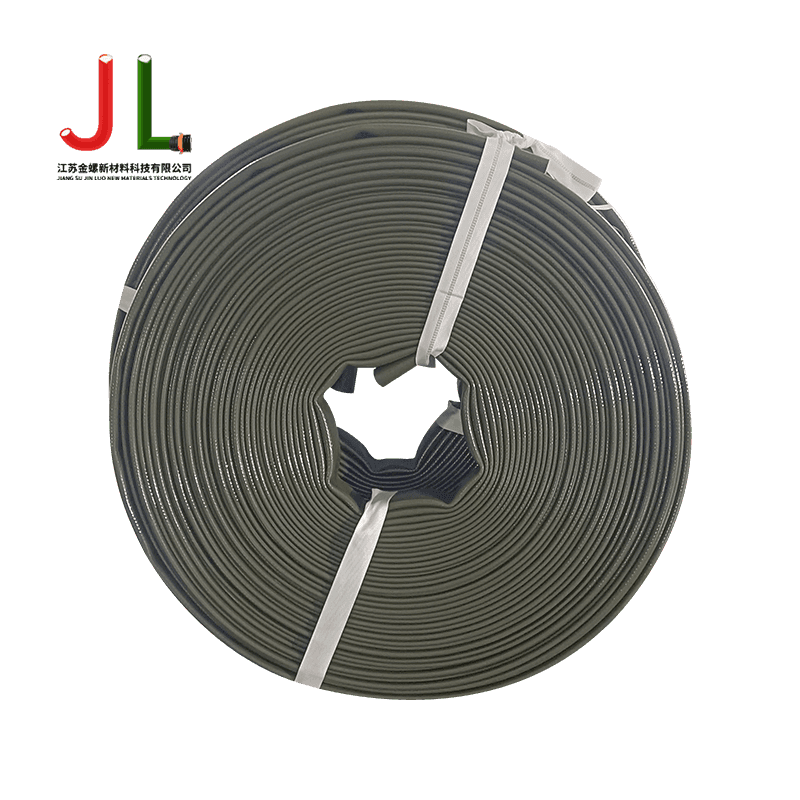
Jinluo Hose TPU Fracking Layflat Hose – Flexible Polyurethane Fracturing Water Supply Hose for Oilfield Applications
-
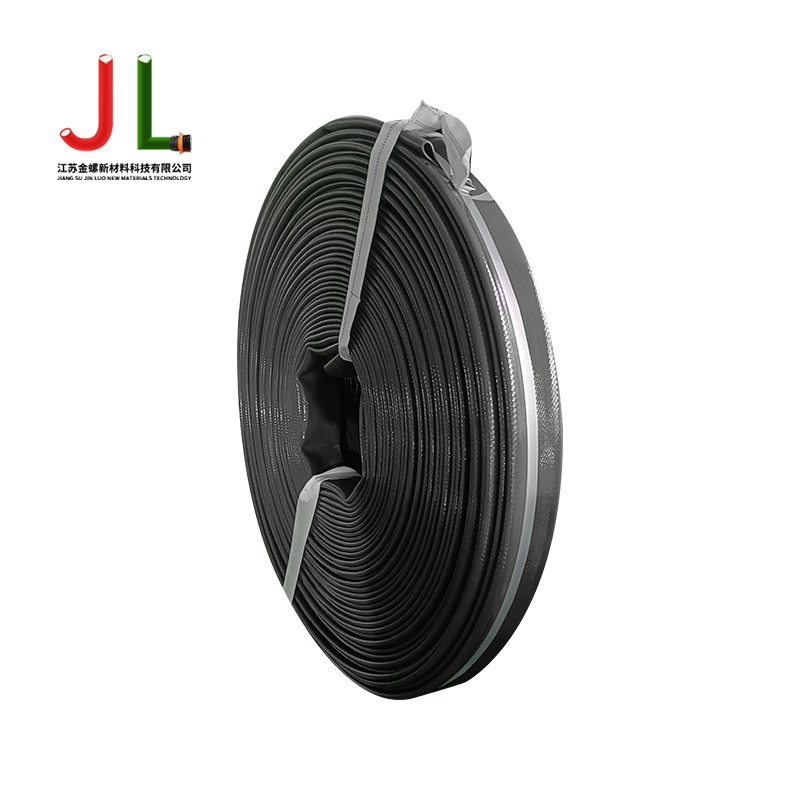
Jinluo Hose Polyurethane Fracturing Water Supply Hose
-
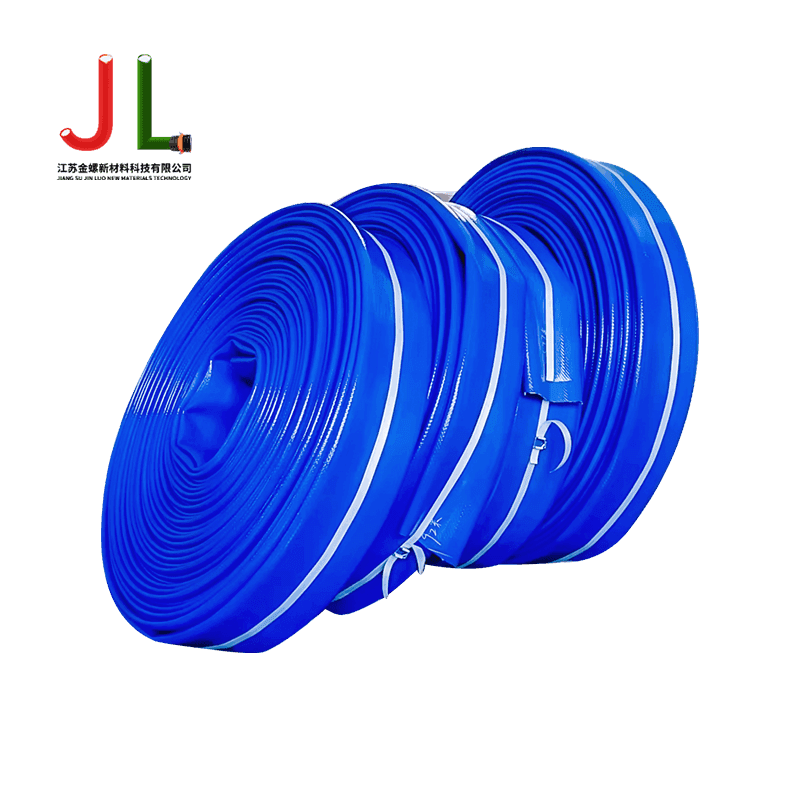
Jinluo Hose Polyurethane Slurry Hose – Reinforced Underground Mining Hose for Efficient Water and Slurry Discharge
-
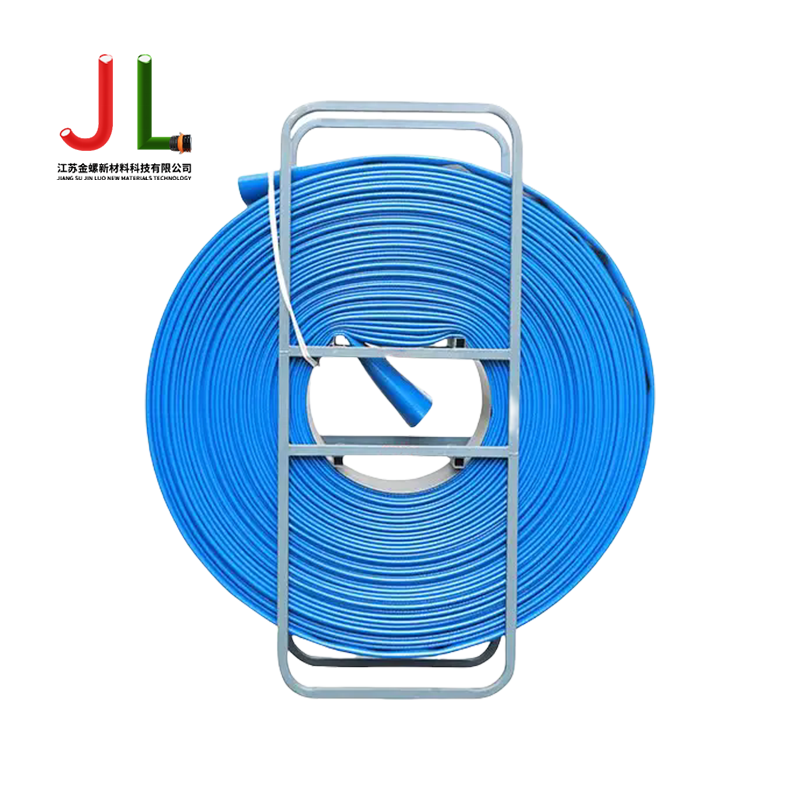
Jinluo Hose TPU frac water hose
-
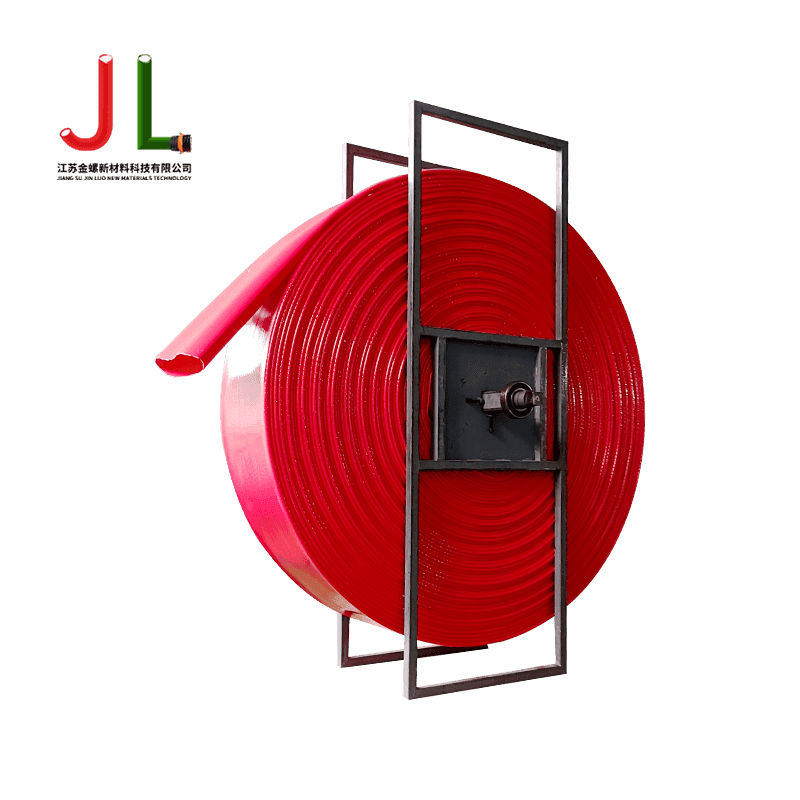
TPU Concrete Pouring Hose (Concrete Pumping Hose / Concrete Delivery Hose)
-
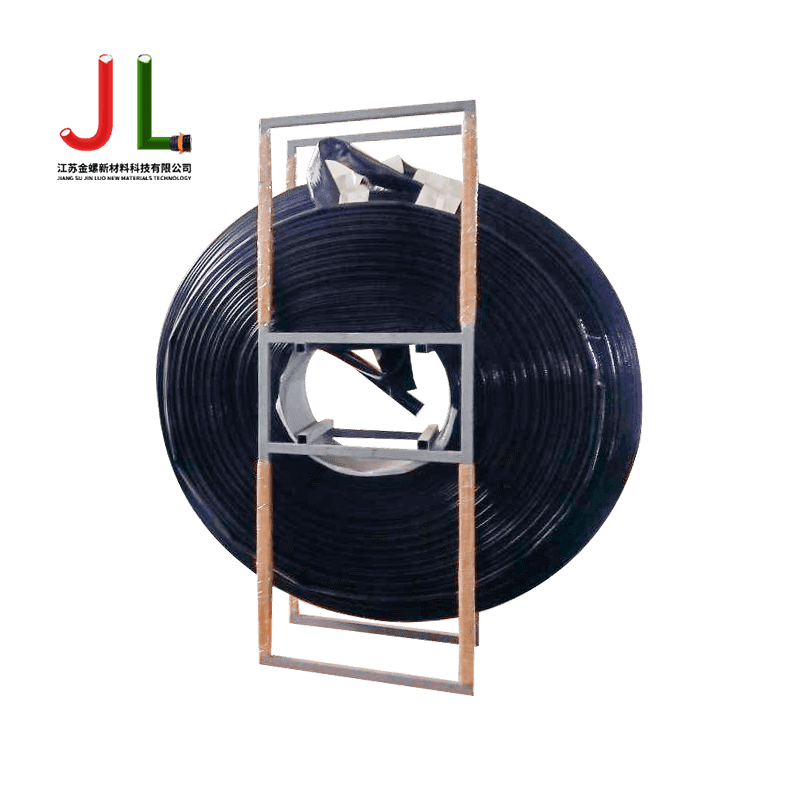
Jinluo Dual-Sided Polyurethane Trenchless Pipe Liner – Advanced Polyurethane Lining Hose for Trenchless Pipe Repair
-
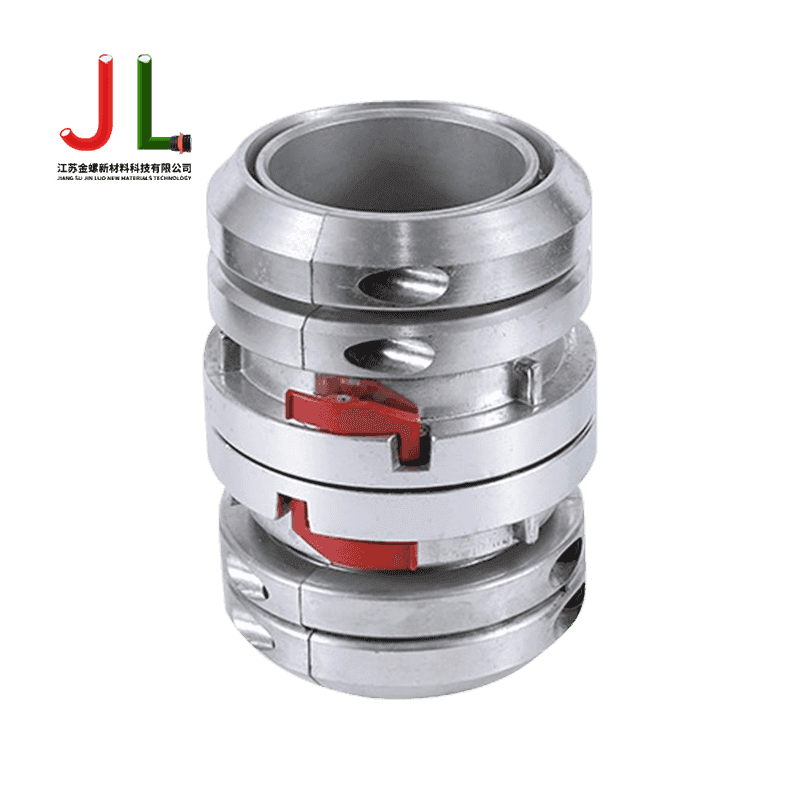
316 Stainless Steel Multi-Lug Quick Connect Couplings – Robust Stainless Steel Couplings for Quick Connections
-
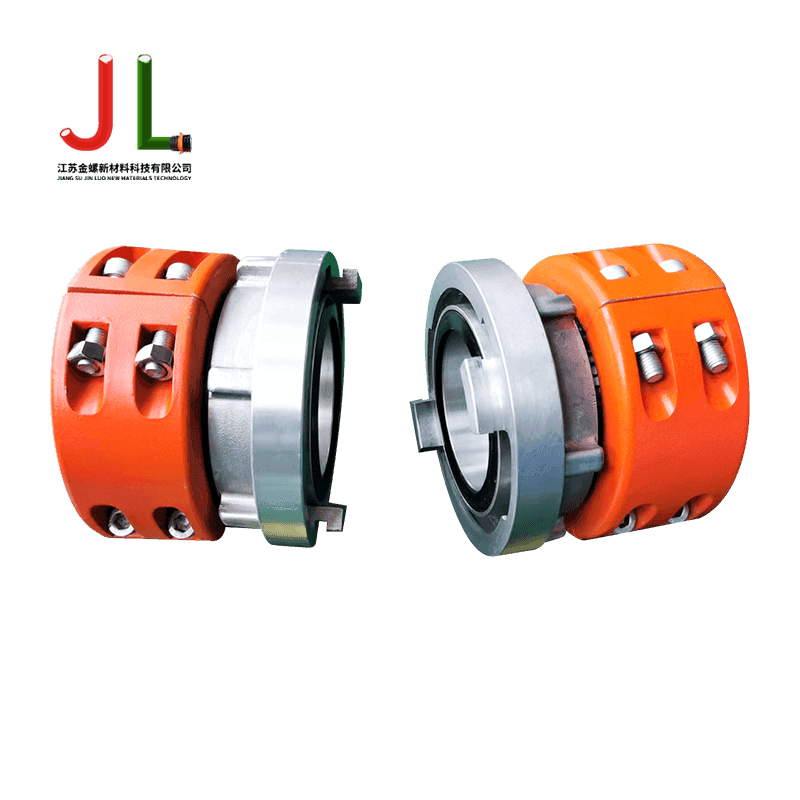
LDHC S Large Diameter Hose Coupling (Storz Type) – High-Performance Storz Type Coupling for Large Diameter Hose Connections
-
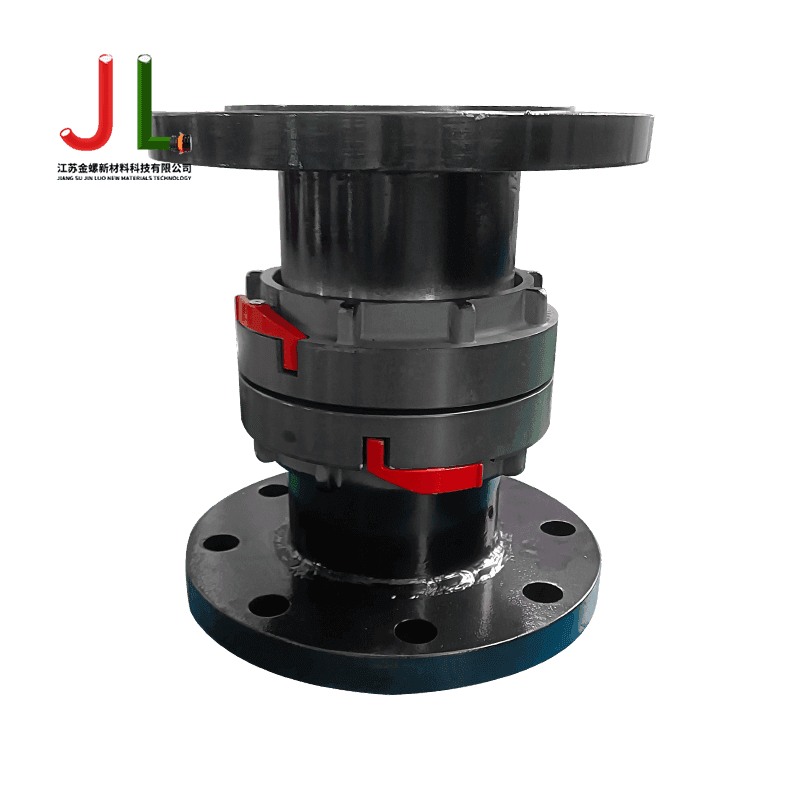
LDHC Large Diameter Hose Flange Coupling | High Pressure Sealing Carbon Steel / Stainless Steel Flange Connector for Petrochemical
Looking For Bussiness Opportunity?
Request for a call today

- Tel: +86-13801432164
- E-mail: [email protected]
- Address: No. 2 Workshop, East Zone, Photovoltaic Technology Industrial Park, No. 109 Yaojia Road, Jiulong Town, Hailing District, Taizhou City, Jiangsu Province, China
Quick Link
Products
Coprright 2025
Jiangsu Jinluo New Material Technology Co., Ltd.
Privacy
