Oil & Gas Layflat Hose: Applications, Performance, and Selection Guide
Understanding Oil & Gas Layflat Hose
What Is an Oil & Gas Layflat Hose
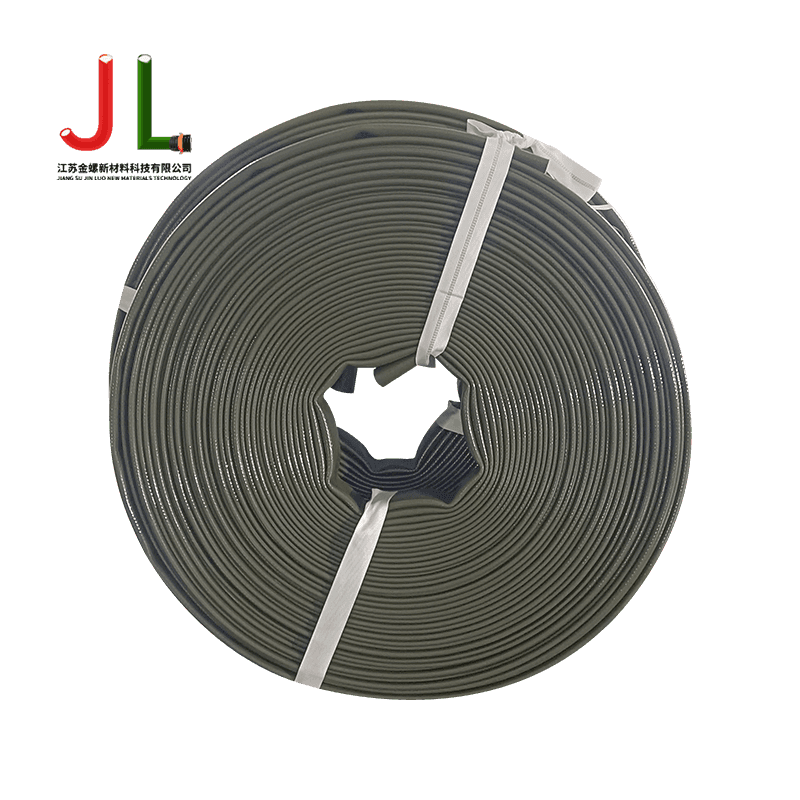
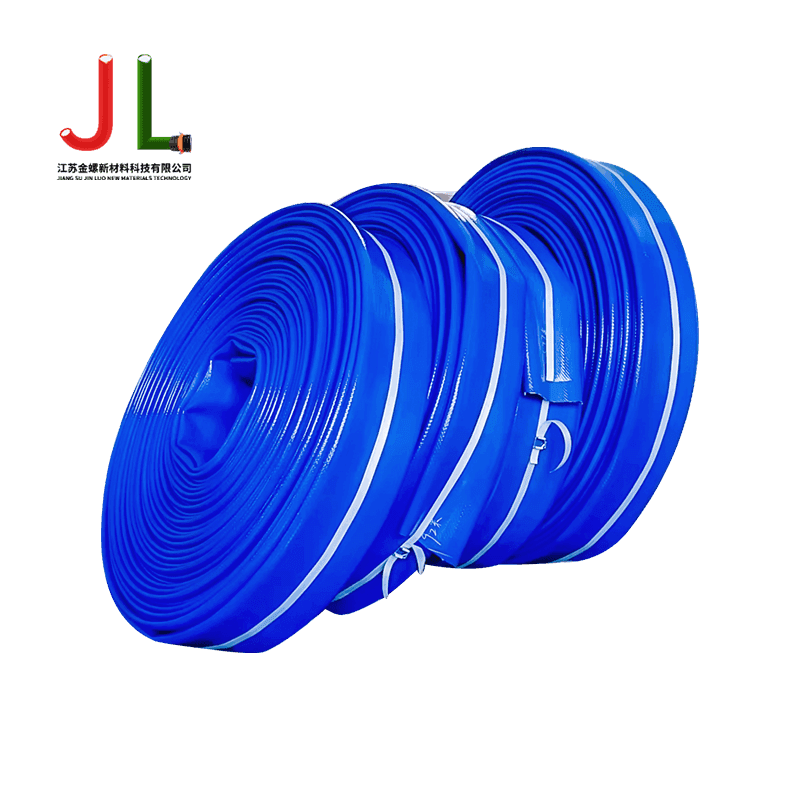
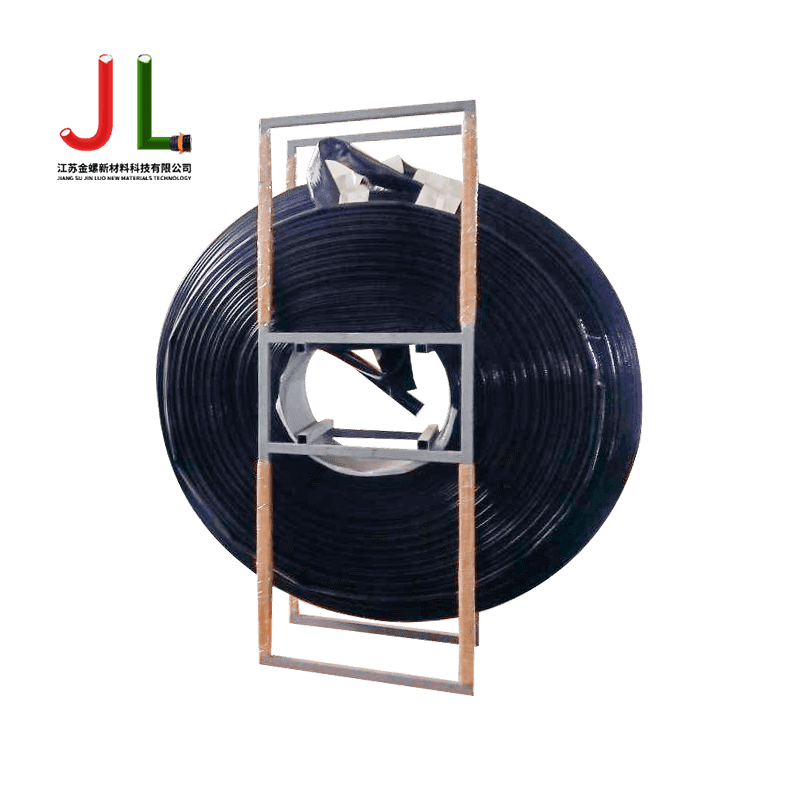
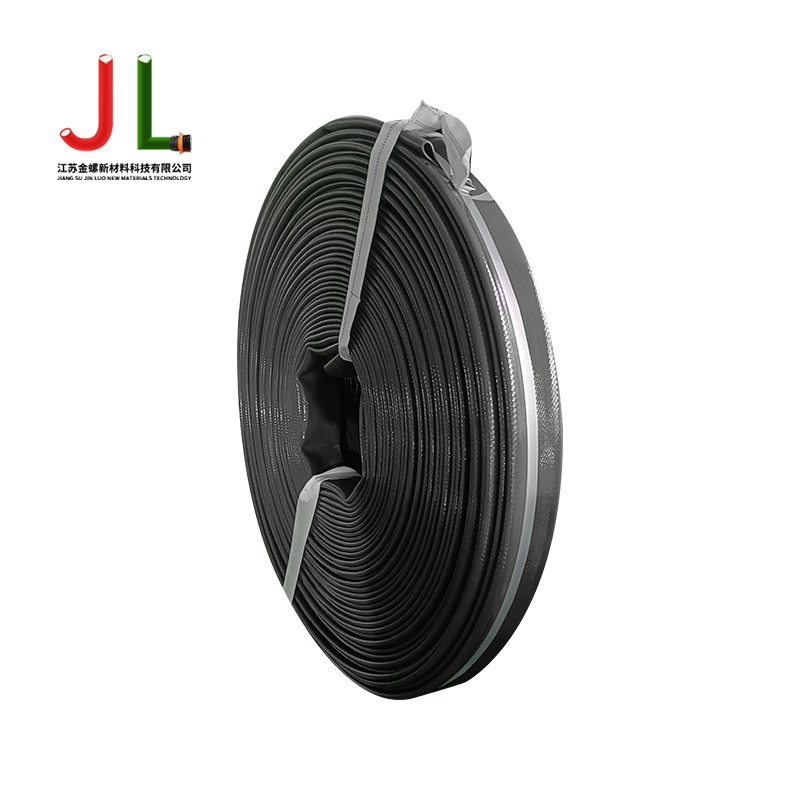
- Oil & Gas Layflat Hose is a flexible, collapsible hose designed for high-pressure fluid transfer.
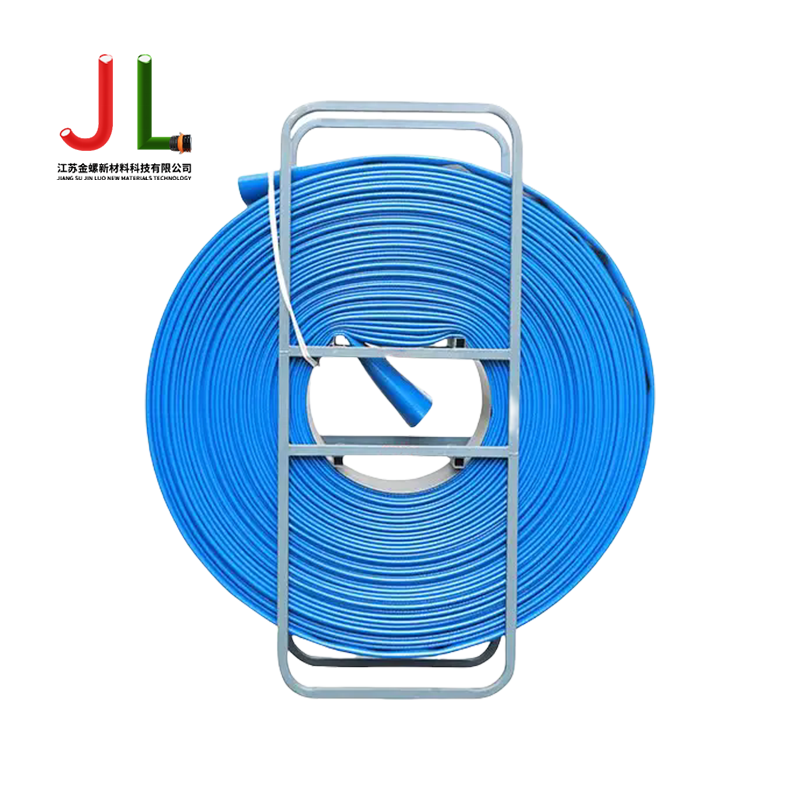
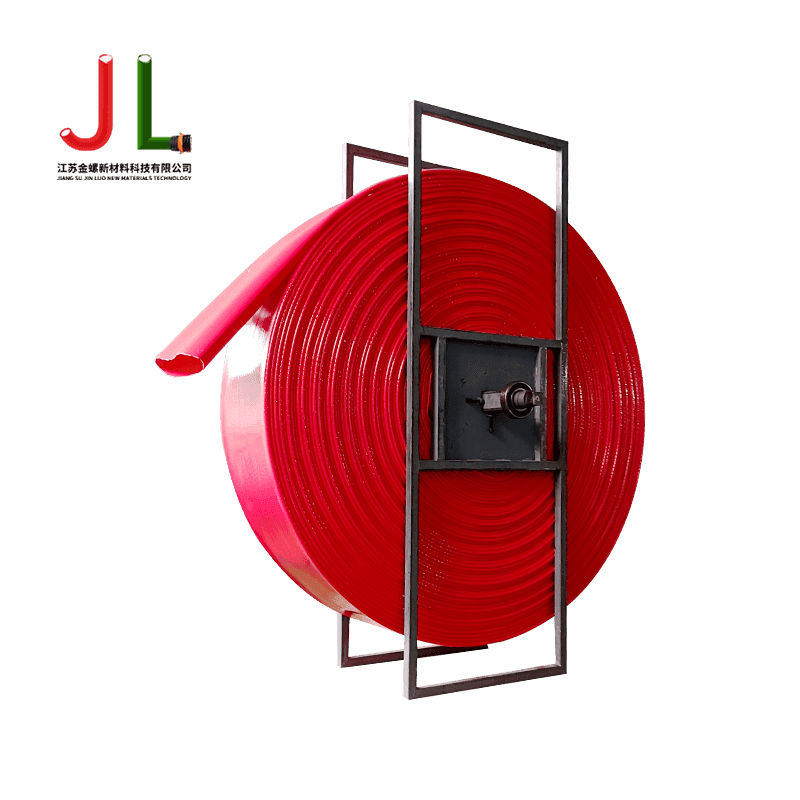
- It lays flat when not in use, reducing storage space and transportation costs.
- Widely used for oilfield fracturing, temporary oil transfer, and industrial fluid conveyance.
Why Layflat Hoses Are Essential in Oil and Gas Operations
- Rapid deployment in remote or temporary oilfield sites.
- Adaptable to uneven terrain and harsh environments.
- Reduced installation time compared with rigid piping systems.
Key Performance Requirements in Oil & Gas Applications
Pressure Resistance and Structural Strength
- Designed to withstand extreme internal pressures during fracturing and fluid injection.
- Reinforced layers improve burst resistance and operational safety.
| Feature |
Layflat Hose |
Rigid Pipe |
| Pressure Handling |
High-pressure flexible reinforcement |
High but limited flexibility |
| Deployment Speed |
Fast |
Slow |
Material Selection and Chemical Compatibility
- Polyurethane construction ensures excellent abrasion resistance.
- Compatible with oil, gas, chemicals, and mixed industrial fluids.
- Suitable for custom polyurethane layflat hose for oilfield applications.
Flexibility and Deployment Efficiency
- Allows continuous fluid transfer across long distances.
- Ideal for flexible layflat hose for temporary oil transfer.
Common Applications of Oil & Gas Layflat Hose
Hydraulic Fracturing and Fluid Injection
- Supports oil and gas layflat hose for fracturing operations.
- Ensures stable pressure delivery under demanding conditions.
Temporary Oil and Gas Transfer
- Used for short-term fluid relocation during maintenance or expansion.
- Common in remote oilfields without permanent pipelines.
Emergency and Remote Site Fluid Delivery
- Provides reliable transport for water, oil, and industrial fluids.
- Essential for fast response and temporary infrastructure.
Comparing Layflat Hose with Traditional Rigid Pipelines
Operational Differences
- Layflat hoses adapt easily to terrain changes.
- Rigid pipelines require fixed installation and alignment.
| Aspect |
Layflat Hose |
Rigid Pipeline |
| Flexibility |
High |
Low |
| Reusability |
High |
Limited |
Cost and Installation Efficiency
- Lower labor and equipment costs.
- Minimal site preparation required.
Customization Options for Oil & Gas Layflat Hose
Diameter, Length, and Pressure Ratings
- Available calibers from 2 inches to 16 inches.
- Custom lengths for specific oilfield layouts.
- Designed for large diameter oil and gas layflat hose requirements.
Tailored Solutions from Jiangsu Jinluo New Material Technology Co., Ltd.
- Dedicated to polyurethane layflat fracturing hoses and industrial hoses.
- Extensive experience in oil and gas exploration and fluid transfer.
- Supports high pressure oil gas layflat transfer hose customization.
How to Select the Right Oil & Gas Layflat Hose
Working Conditions Assessment
- Identify fluid type, temperature, and pressure levels.
- Evaluate terrain and deployment duration.
Long-Term Reliability Considerations
- Resistance to abrasion and UV exposure.
- Stable performance under repeated use cycles.
Frequently Asked Questions
1. What fluids can an Oil & Gas Layflat Hose handle?
It is suitable for oil, gas-related fluids, water, and various industrial liquids.
2. Is layflat hose suitable for long-distance transfer?
Yes, it performs efficiently over extended distances with minimal pressure loss.
3. Can hose diameter and length be customized?
Customized calibers and lengths are available to match specific project needs.
4. How does layflat hose improve operational efficiency?
Its flexibility reduces installation time and adapts easily to site conditions.
5. What industries benefit most from layflat hose systems?
Oil and gas, mining, agriculture, industrial fluid transfer, and emergency response.



 English
 عربى
عربى