


 English
 عربى
عربى
Agricultural Hose Failure Costs: TPU vs. Rubber Manure Drag Data
Content
The Real Cost of Cheap Agricultural Hose: Downtime Outweighs Purchase Price
Farms lose more money to hose failure during a two-day slurry spreading window than they save by purchasing the lowest-priced option. A 2023 survey of 120 mixed livestock and arable farms across the UK and Ireland found that unplanned hose replacement caused an average of 7.3 hours of lost productivity per incident. When the true cost includes idled labor, stalled pumping equipment, and potential environmental containment breaches, the economics of material selection shift decisively toward durability.
An agricultural hose operating in manure handling faces a combination of stresses rarely seen in other industries: continuous flexing as it's dragged across uneven terrain, internal abrasion from sand-laden slurry, external abrasion from stubble and gravel, and chemical attack from ammonia and hydrogen sulfide. Failures typically cluster in the first 50 meters from the pump end, where pressure surges and abrasive solids concentrate. Replacing this section alone can cost €800–1,500 per year on a mid-sized farm, depending on diameter.
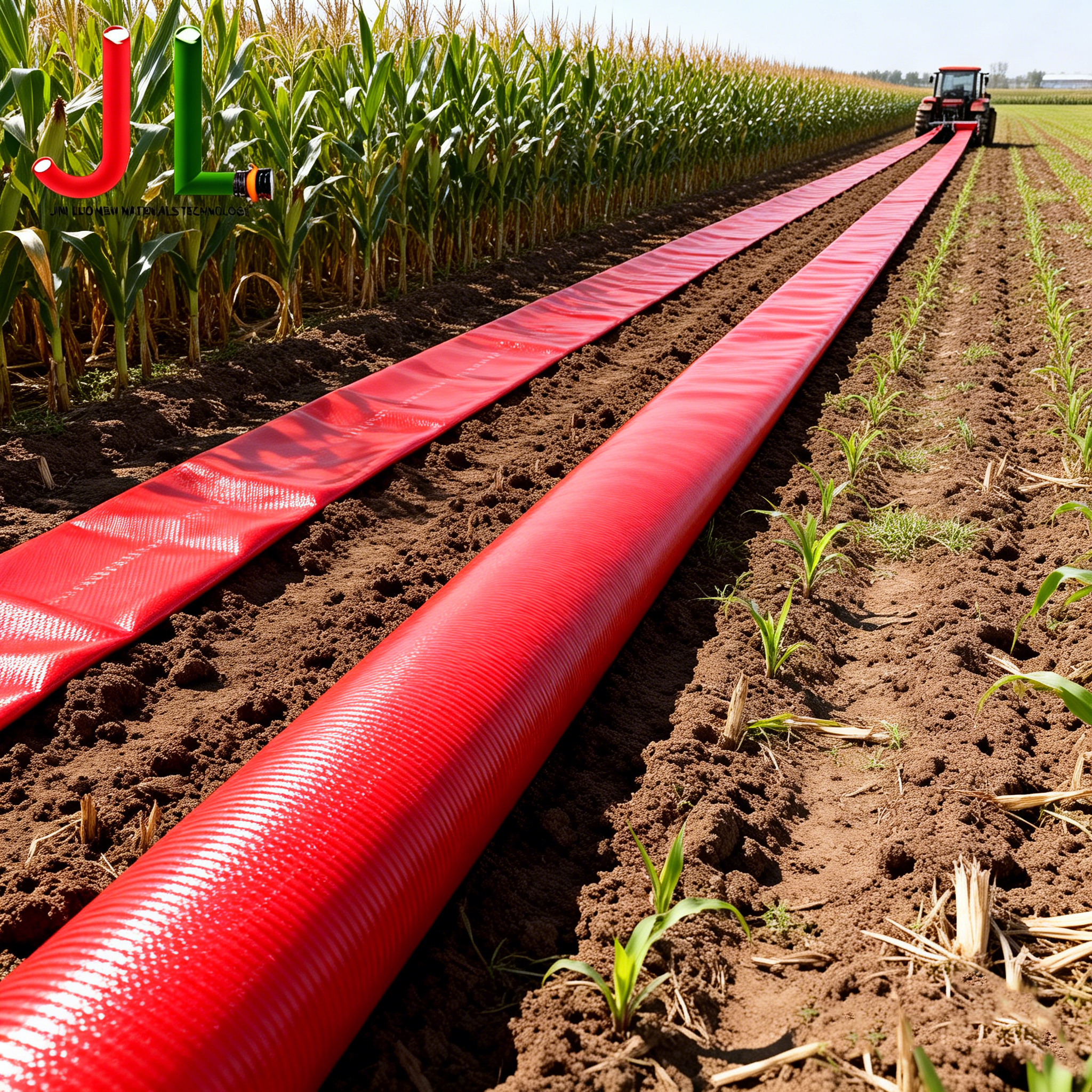
How TPU Eliminates the Weak Points of Rubber Manure Hoses
The failure mechanism in a rubber manure hose almost always starts with the inner liner. Ammonia diffuses into the rubber, causing it to swell, soften, and eventually delaminate from the reinforcement layer. Once the textile yarns are exposed, abrasion from slurry particles cuts through them rapidly. A TPU manure drag hose interrupts this process. The molecular structure of polyurethane resists ammonia absorption: accelerated aging tests in a 10% ammonium hydroxide solution at 50°C show only 1.8% volume swell after 168 hours, compared to 22% for standard NBR and 18% for EPDM.
Abrasion performance follows a similar pattern. Field data from a German contractor applying slurry over 600 hectares annually documented the wear on a 5-inch TPU drag hose after one full season. The inner liner thickness decreased by just 0.12 mm, well within the safety margin for a hose with an initial liner of 1.5 mm. An equivalent NBR hose lost 0.45 mm, prompting replacement before the second season to avoid blowout risk.
- Ammonia swell: TPU < 2% vs. NBR > 20% in 168-hour immersion.
- Abrasion after one season: TPU liner loss 0.12 mm vs. NBR loss 0.45 mm.
- Hydrogen sulfide permeability: TPU 3.5 × 10⁻¹³ cm³·cm/(cm²·s·Pa) vs. EPDM 1.8 × 10⁻¹².
Irrigation Hose Selection: Why a Single Material Works Across Two Fluids
Choosing an irrigation hose usually focuses on flow efficiency and UV resistance. But on farms that also handle slurry, the question of cross-utilization arises: can the same hose handle both water and manure without cross-contamination? The answer depends on the liner's absorption characteristics. Rubber hoses retain trace ammonia and organic compounds that can leach back when clean water flows through them. Analysis of a PVC hose after a season of dual use showed residual ammonium-nitrogen levels of 8.2 mg/L in the first flush water.
TPU layflat hoses avoid this issue. Independent laboratory testing on a 4-inch irrigation hose after 300 hours of slurry transfer followed by a standard water flush demonstrated non-detectable levels of ammonium and E. coli in the flush water at a detection limit of 0.01 mg/L. This makes a single hose inventory viable for operations that need to switch between manure spreading and irrigation within the same week.
| Cost Factor | Separate Rubber + PVC | Unified TPU System |
|---|---|---|
| Initial hose purchase | €4,200 | €5,800 |
| Replacement costs (5 years) | €8,900 | €0 |
| Downtime losses | €2,400 | €300 |
| Total (5-year) | €15,500 | €6,100 |
The weight advantage of TPU further reduces operational overhead. At 0.85 kg per meter for a 5-inch hose, it is 47% lighter than rubber. That directly cuts fuel use during dragging and makes retrieval possible with a smaller tractor. For time-sensitive slurry application before a rain event, faster setup and takedown can mean the difference between completing the job and leaving a half-filled tank.
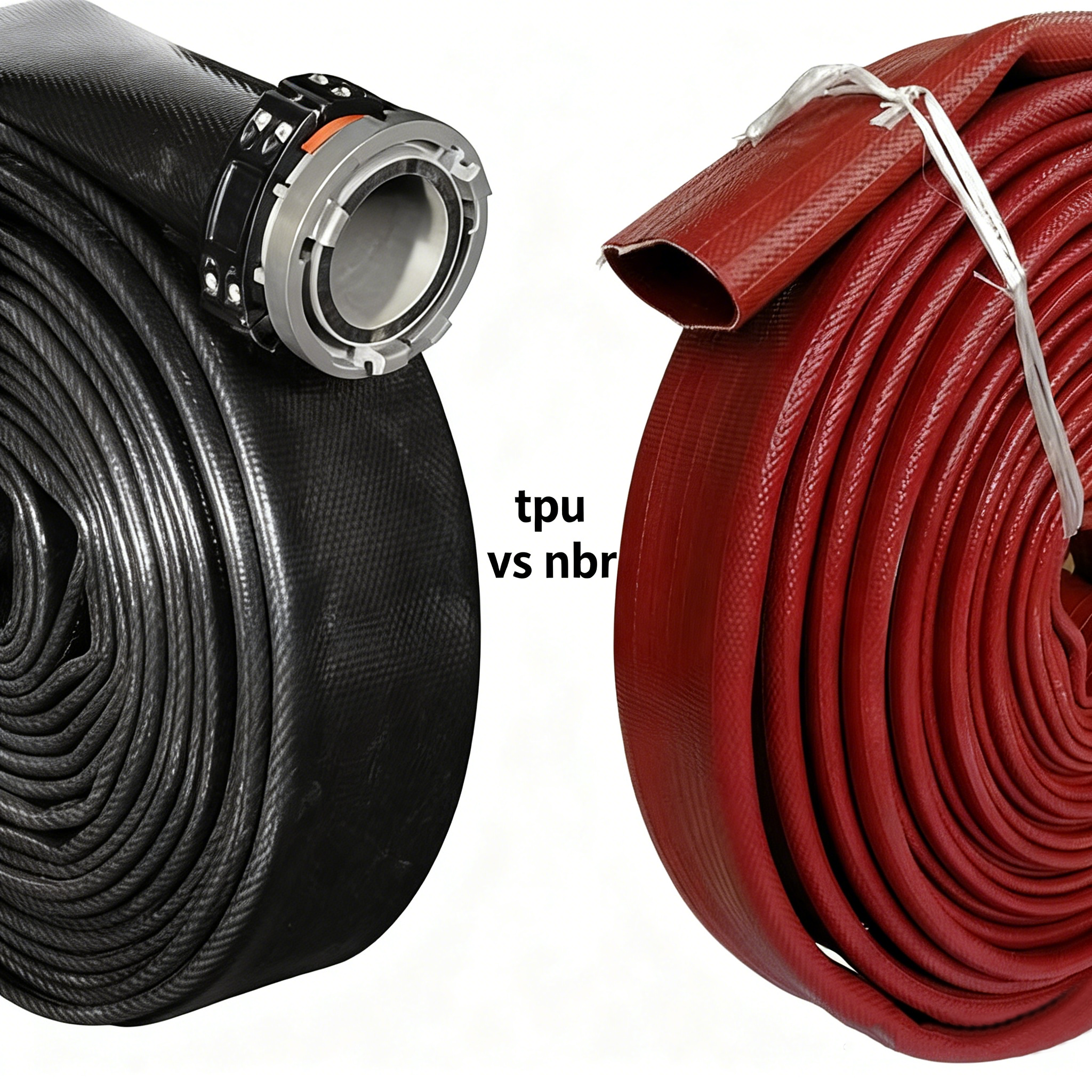
Extending Drag Hose Life Through Field Practices
Investing in a premium drag hose pays back faster when supported by simple operational habits. The most damaging practice is pulling the hose around a sharp corner under tension while it's full. The combination of internal pressure and lateral bending force can exceed the reinforcement strength even if the hose is rated for the working pressure. Using guide rollers or pulling the hose empty before repositioning eliminates this failure mode entirely.
Flushing the manure hose with clean water after each use reduces both internal corrosion and external soiling that accelerates cover wear. Farms that adopted a 10-minute post-use flush protocol extended hose life by an average of 40%, according to records from a Danish agricultural extension service. Proper coiling with the layflat configuration also prevents kink memory that can restrict flow in the next deployment.
Coupling selection matters more than many operators realize. Aluminum Storz couplings with a type of stainless locking ring prevent galvanic corrosion between the coupling and any residual slurry film. Carbon steel camlocks, by contrast, can seize after repeated exposure to manure, requiring cutting for removal. The difference in coupling life is typically 3–4 years for stainless steel versus 1 season for uncoated carbon steel in aggressive manure service.
Related Products
-

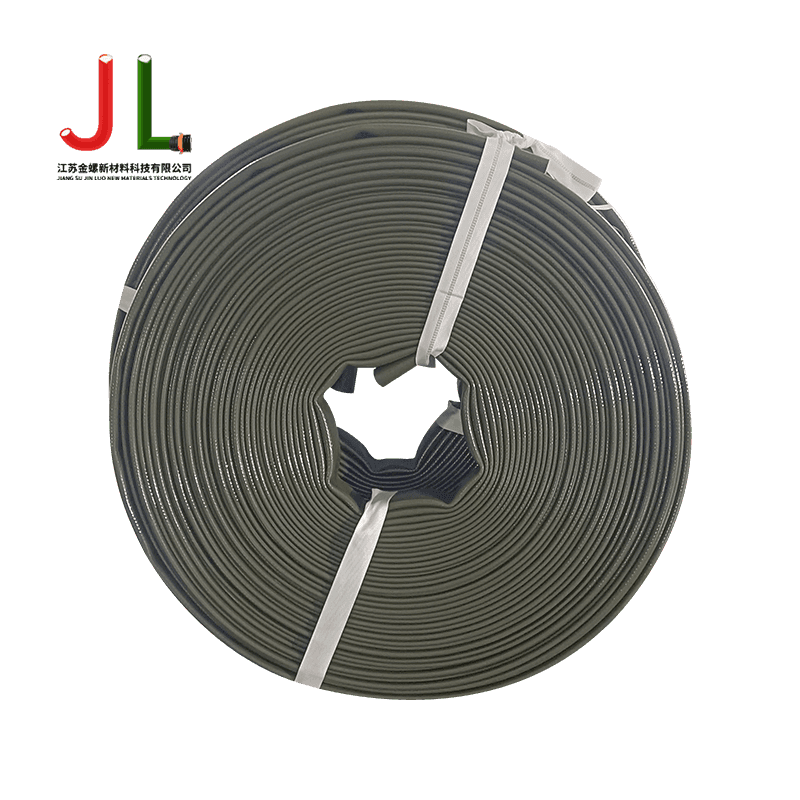
Jinluo Hose TPU Fracking Layflat Hose – Flexible Polyurethane Fracturing Water Supply Hose for Oilfield Applications
-
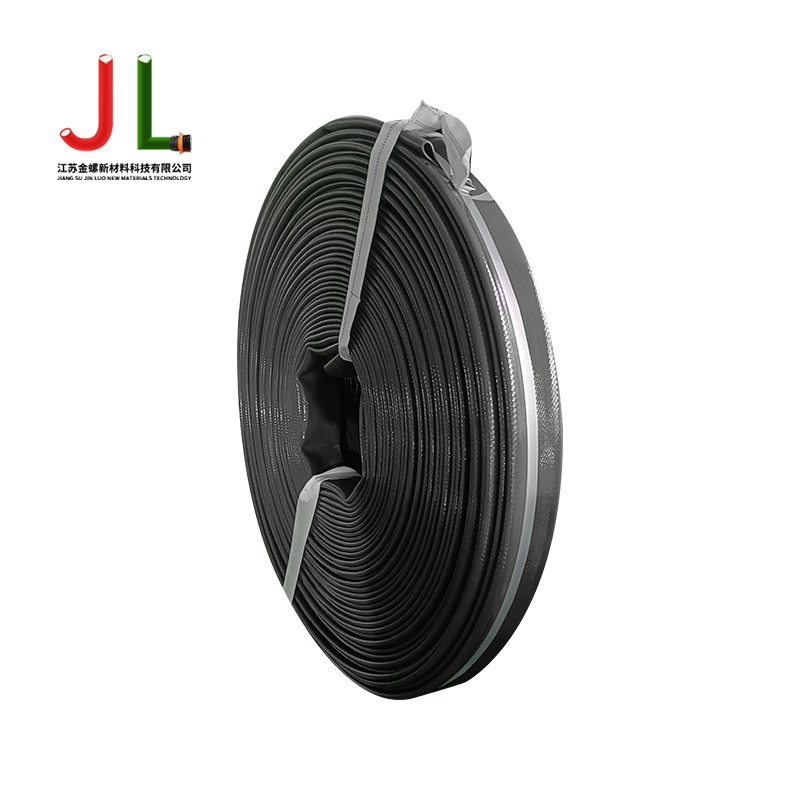
Jinluo Hose Polyurethane Fracturing Water Supply Hose
-
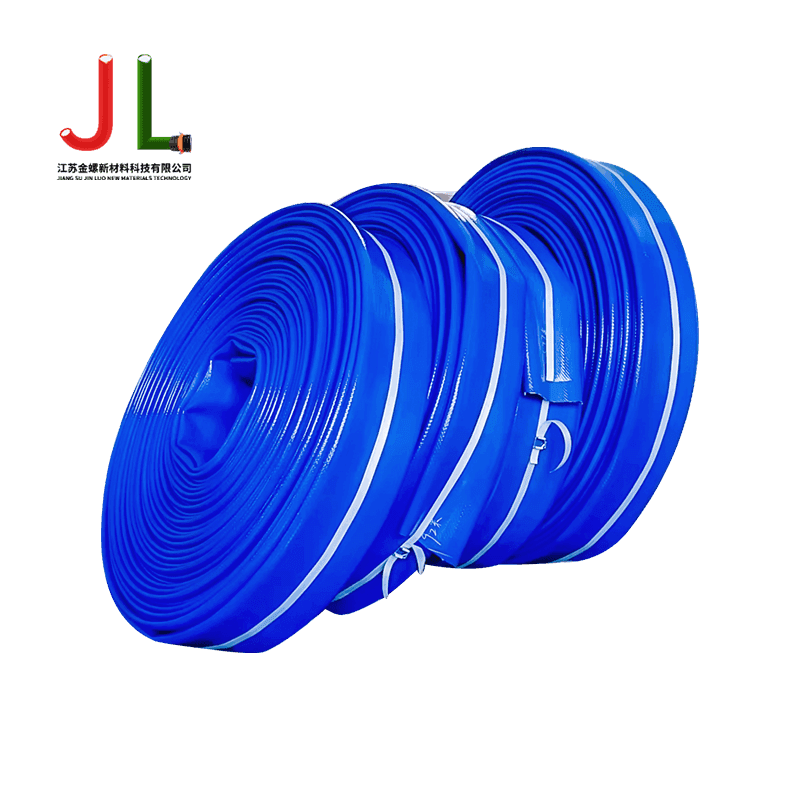
Jinluo Hose Polyurethane Slurry Hose – Reinforced Underground Mining Hose for Efficient Water and Slurry Discharge
-
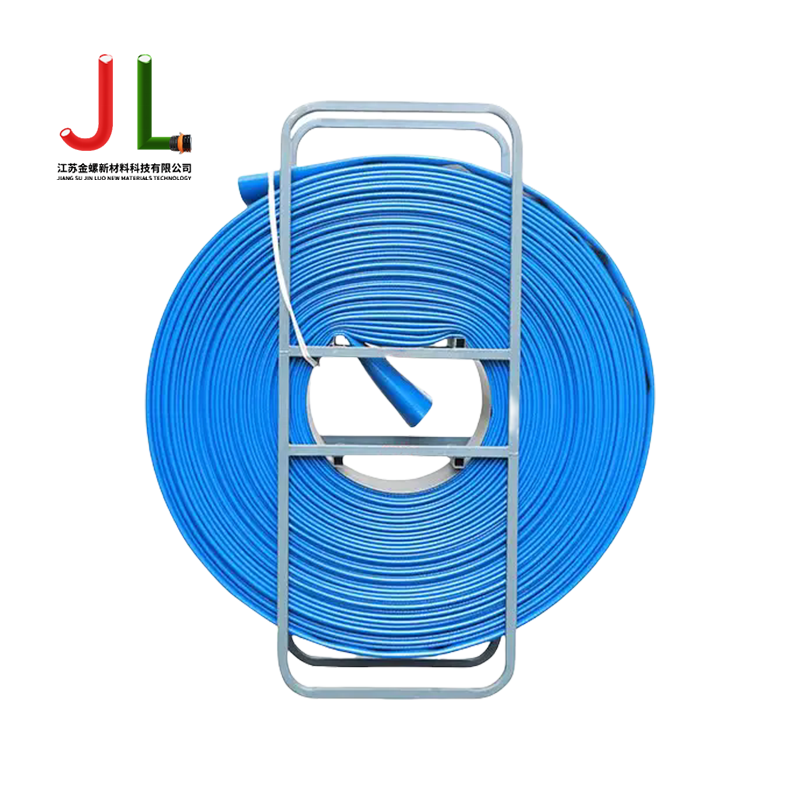
Jinluo Hose TPU frac water hose
-
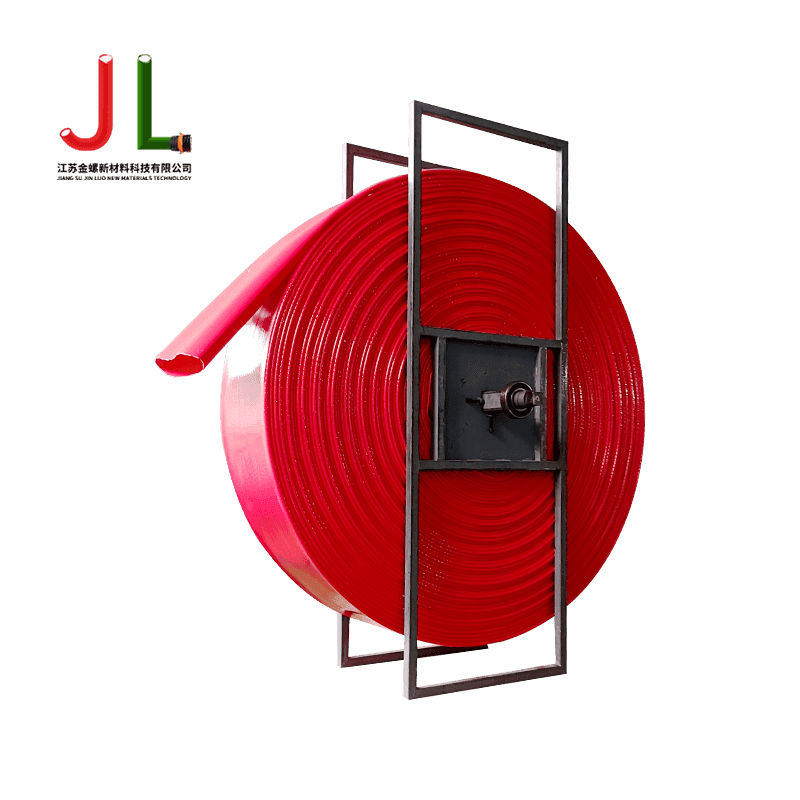
TPU Concrete Pouring Hose (Concrete Pumping Hose / Concrete Delivery Hose)
-
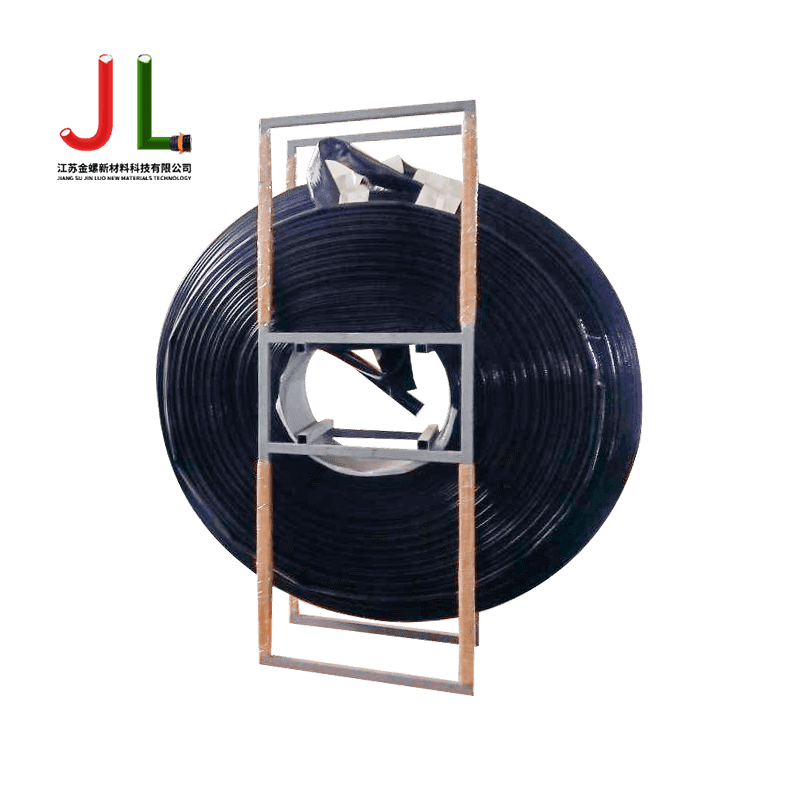
Jinluo Dual-Sided Polyurethane Trenchless Pipe Liner – Advanced Polyurethane Lining Hose for Trenchless Pipe Repair
-
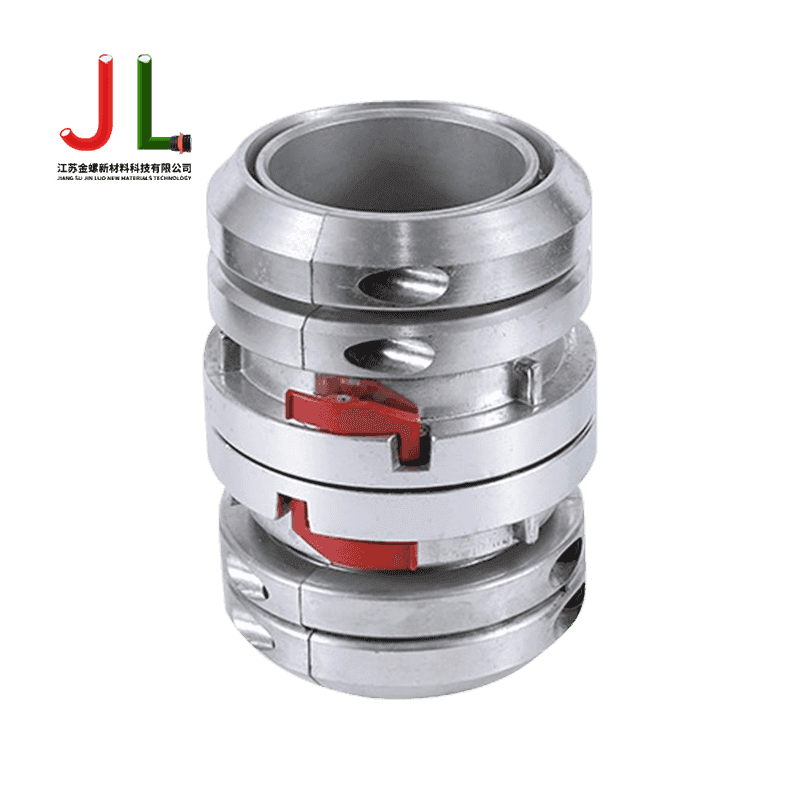
316 Stainless Steel Multi-Lug Quick Connect Couplings – Robust Stainless Steel Couplings for Quick Connections
-
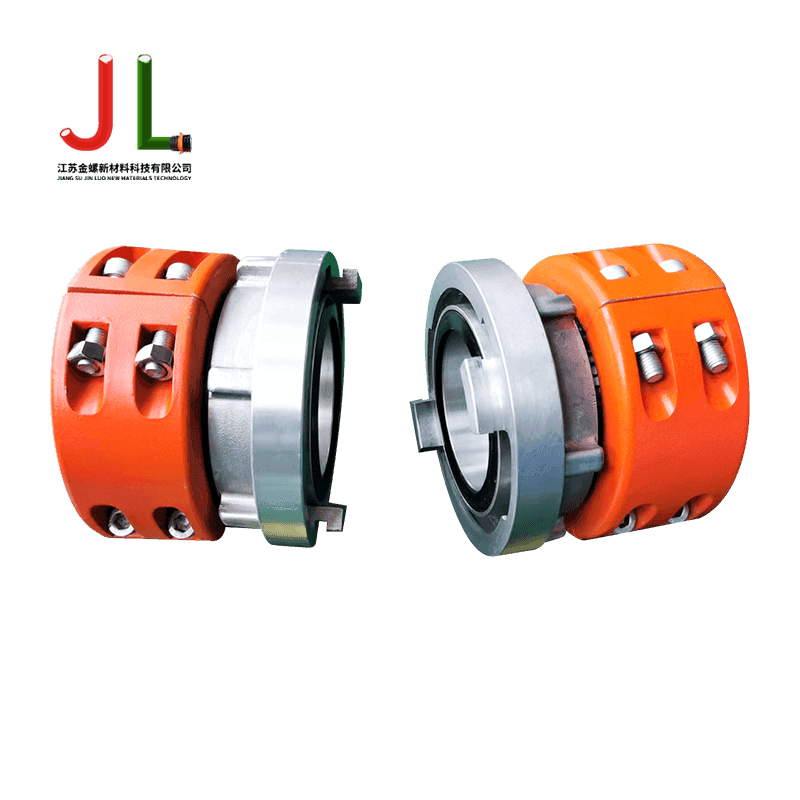
LDHC S Large Diameter Hose Coupling (Storz Type) – High-Performance Storz Type Coupling for Large Diameter Hose Connections
-
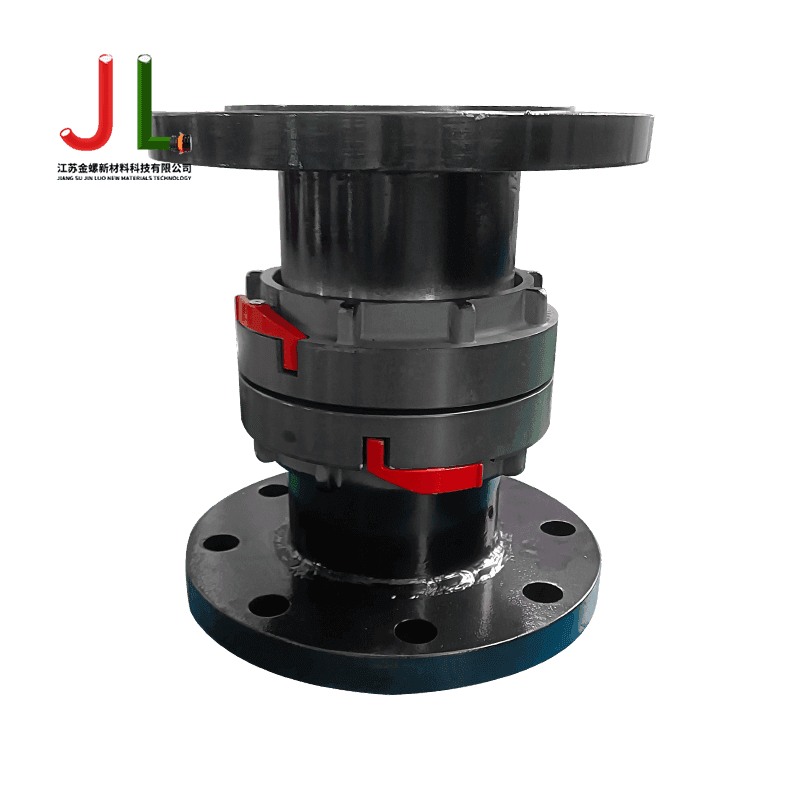
LDHC Large Diameter Hose Flange Coupling | High Pressure Sealing Carbon Steel / Stainless Steel Flange Connector for Petrochemical
Looking For Bussiness Opportunity?
Request for a call today

- Tel: +86-13801432164
- E-mail: [email protected]
- Address: No. 2 Workshop, East Zone, Photovoltaic Technology Industrial Park, No. 109 Yaojia Road, Jiulong Town, Hailing District, Taizhou City, Jiangsu Province, China
