


 English
 عربى
عربى
Mining Dewatering Hose Guide: TPU, Selection & Wear Life Data
Content
Why Standard Hoses Fail in Mining Dewatering
Mine water is not just water. It carries sharp-edged solids, acidic runoff, and fluctuating pressures that destroy generic hoses within days. A mining dewatering hose must withstand continuous abrasion from slurry containing up to 60% solids by weight, while resisting hydrolysis and chemical attack from acidic mine drainage. Standard PVC or rubber hoses typically rupture at the reinforcement layer after fewer than 200 hours in such conditions, whereas purpose-engineered alternatives demonstrate wear life exceeding 2,000 hours.
The critical difference lies in the liner material and the bonding technology between layers. When the liner delaminates, abrasive particles grind the reinforcement, leading to catastrophic failure. Specially formulated TPU (thermoplastic polyurethane) liners offer up to three times the abrasion resistance of standard rubber, measured through DIN 53516 testing. Moreover, a smooth, hydrophobic inner surface reduces friction loss by an average of 15%, directly cutting pump fuel consumption.
- Abrasion resistance: TPU liner shows 35–45 mm³ mass loss vs. 120–150 mm³ for SBR rubber.
- Chemical resistance: TPU withstands pH 2–12, critical for copper and gold mine dewatering.
- Temperature range: Maintains flexibility from -40°C to 70°C, preventing cracking in cold climates.
TPU Layflat Hose: The Lightweight Solution for Rapid Deployment
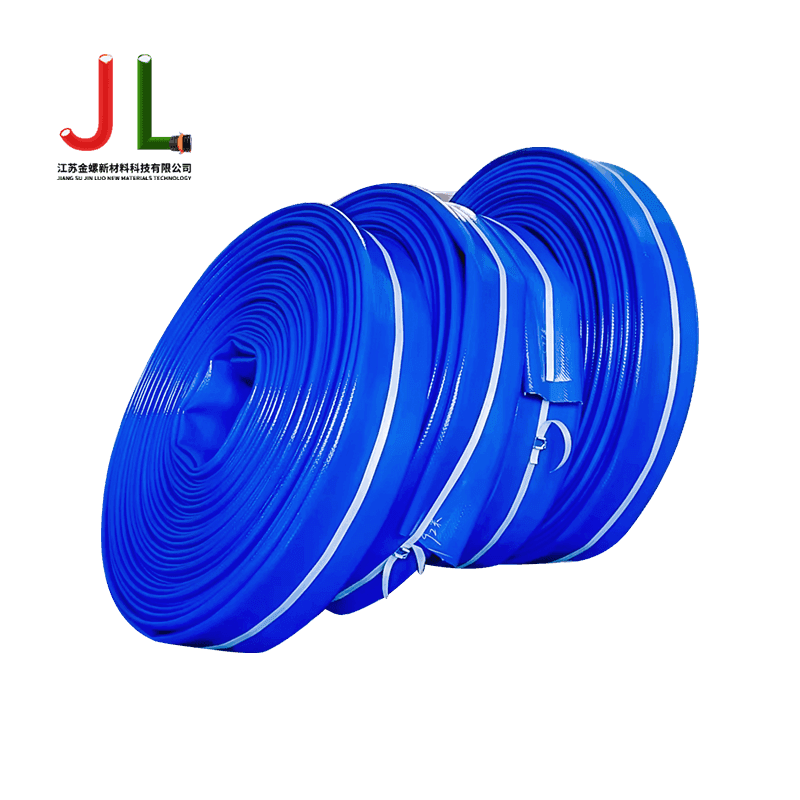
In open-pit and underground operations, hose weight directly impacts crew safety and setup time. A 6-inch TPU layflat dewatering hose weighs roughly 40% less than an equivalent rubber hose, allowing two workers to carry a 50-meter coil instead of needing mechanical lifting. This weight reduction does not compromise strength: high-tenacity circular-woven polyester jackets deliver working pressures up to 20 bar (290 psi) with a 3:1 safety factor.
Layflat design also enables rapid draining and coiling when pumps relocate, which is essential in bench dewatering where the pump moves every few days. The hose can be recovered, drained, and re-deployed in under 15 minutes, compared to over an hour for heavy rubber hoses that trap water. Additionally, UV-stabilized TPU covers prevent degradation from continuous sun exposure, a common issue at high-altitude mines.
For applications involving oil-contaminated mine water or transfer of diesel and hydraulic fluids alongside dewatering, specialized oil-resistant TPU compounds prevent swelling. This dual-purpose capability eliminates the need for a separate petroleum transfer hose, reducing the hose inventory on site.
Key Selection Criteria: Flow Rate, Pressure, and Wear Life
Selecting the right dewatering hose requires matching performance parameters to actual mine conditions, not just specifying a diameter. The table below compares typical characteristics of three common hose constructions used in mining dewatering. Note that actual wear life depends heavily on solids loading and particle angularity.
| Property | TPU Layflat | SBR Rubber | PVC Layflat |
|---|---|---|---|
| Abrasion loss (DIN 53516) | 35–45 mm³ | 120–150 mm³ | 80–110 mm³ |
| Weight per 50m (6-inch) | 62 kg | 105 kg | 48 kg |
| Working pressure (bar) | 10–20 | 10–25 | 6–10 |
| Expected life in slurry | 2,000–3,000 hours | 400–800 hours | 150–300 hours |
When handling high-flow applications beyond 300 m³/h, internal diameter becomes the bottleneck. A 6-inch hose at 2.5 m/s flow velocity delivers only 160 m³/h, whereas an 8-inch hose achieves 290 m³/h. Using a larger diameter can reduce pump head loss by over 20%, which on a 200 kW pump translates to roughly €15,000 annual energy savings in continuous operation.
Extending Hose Service Life Through Operational Practices
Even the best mining dewatering hose will fail prematurely if operational factors are ignored. A common mistake is allowing the hose to contact sharp rocks without a protective berm, which causes localized cuts that propagate under pressure. Simply laying the hose on a bed of fine gravel or using lightweight protective ramps can double its life. Studies at a Chilean copper mine showed that hose replacement intervals extended from 3 weeks to 7 weeks after implementing proper hose pathways.
Another critical factor is avoiding prolonged vacuum conditions. When a pump stops and the hose drains back, a vacuum can form that sucks in the hose wall, initiating delamination. Installing a vacuum breaker valve at the highest point prevents this damage at minimal cost. Similarly, ensuring the hose is fully drained and rolled flat after use prevents stagnant water from freezing or promoting biological growth that degrades the liner.
For mines experiencing frequent relocation, using a dewatering hose with integrated quick couplings reduces connection time and eliminates the need for hose clamps that can cut into the cover. Hot-dip galvanized or stainless steel couplings resist mine water corrosion far better than standard carbon steel, which can seize within a month in acidic environments.
Related Products
-

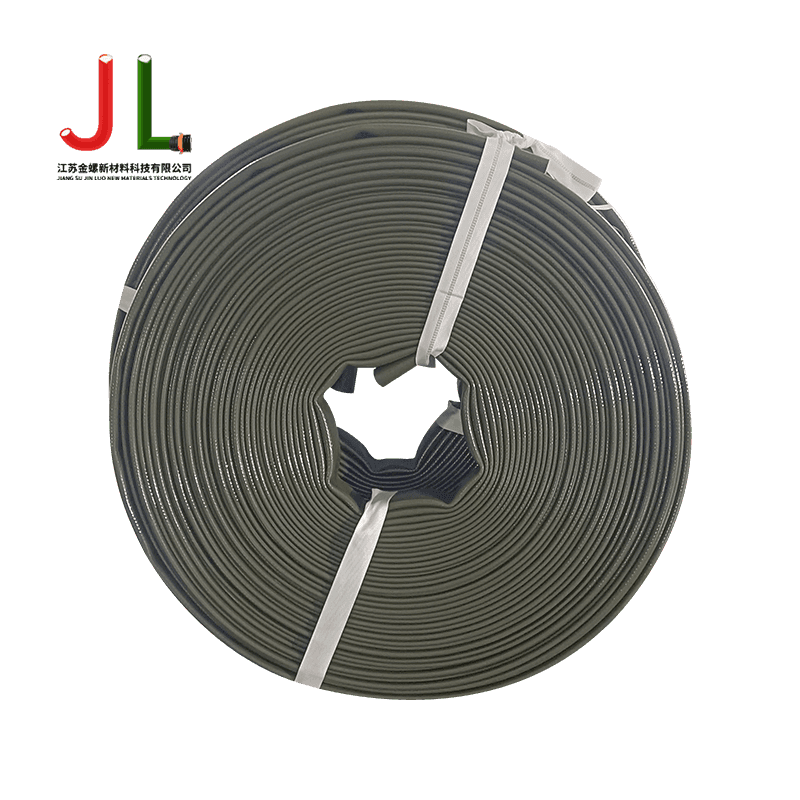
Jinluo Hose TPU Fracking Layflat Hose – Flexible Polyurethane Fracturing Water Supply Hose for Oilfield Applications
-
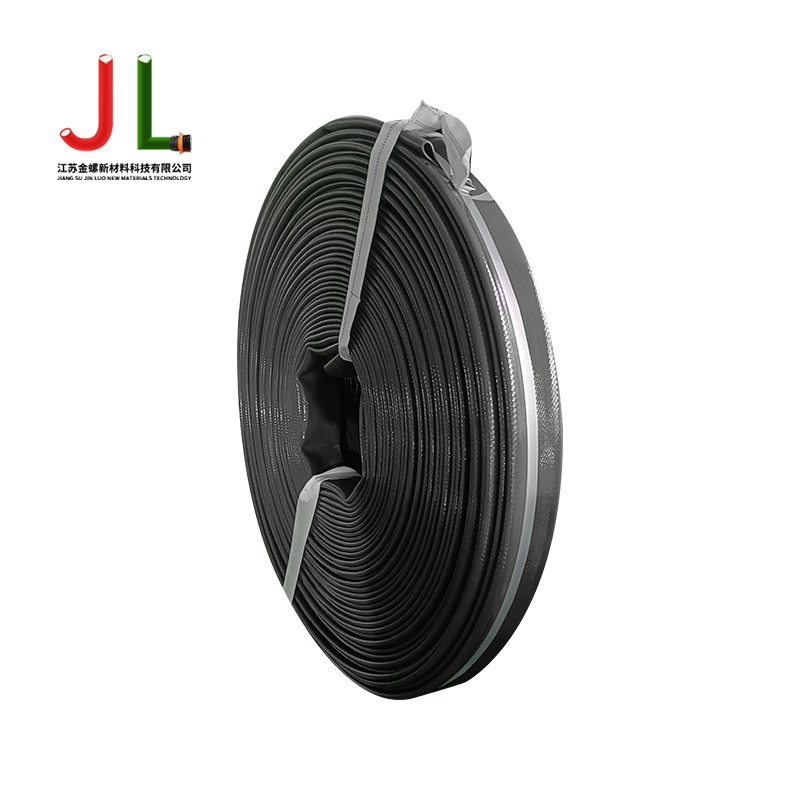
Jinluo Hose Polyurethane Fracturing Water Supply Hose
-
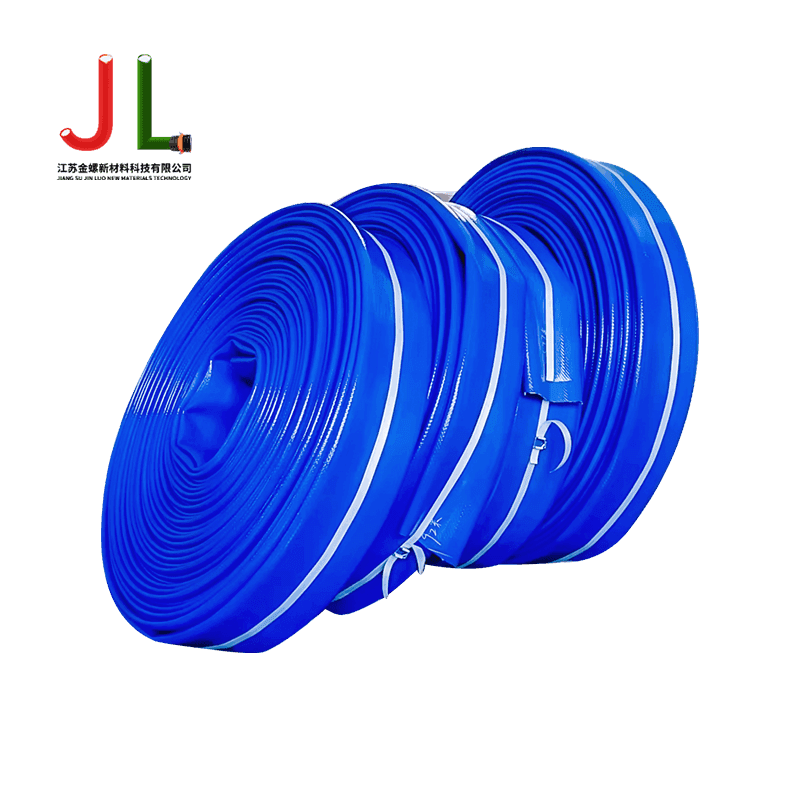
Jinluo Hose Polyurethane Slurry Hose – Reinforced Underground Mining Hose for Efficient Water and Slurry Discharge
-
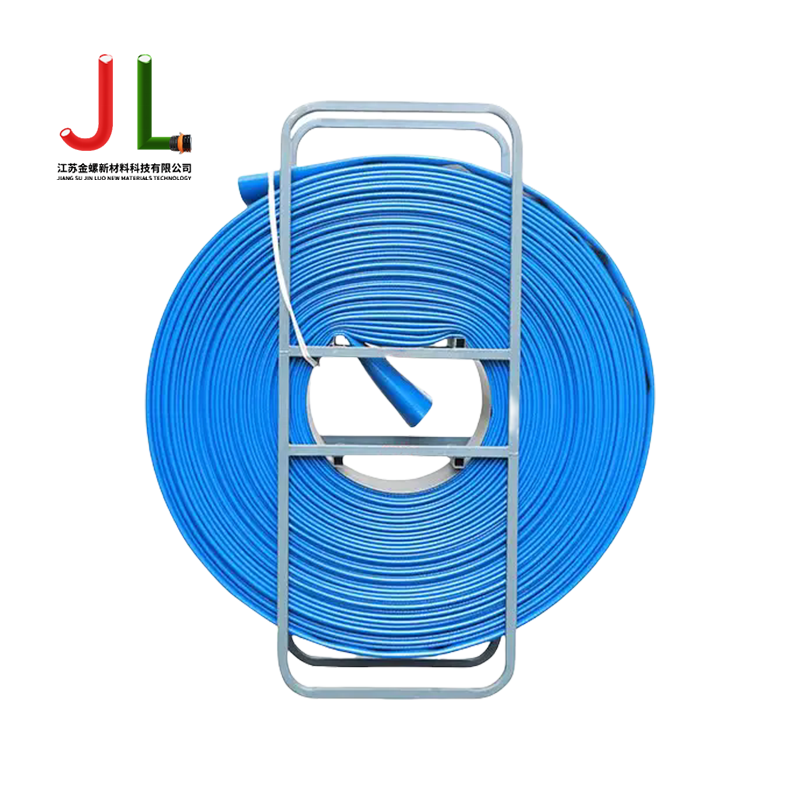
Jinluo Hose TPU frac water hose
-
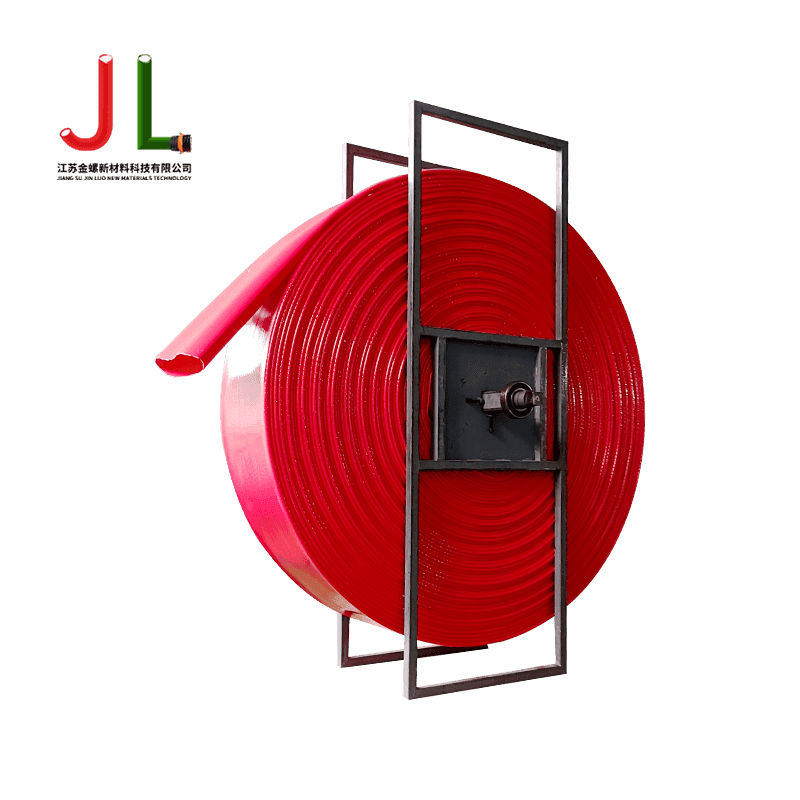
TPU Concrete Pouring Hose (Concrete Pumping Hose / Concrete Delivery Hose)
-
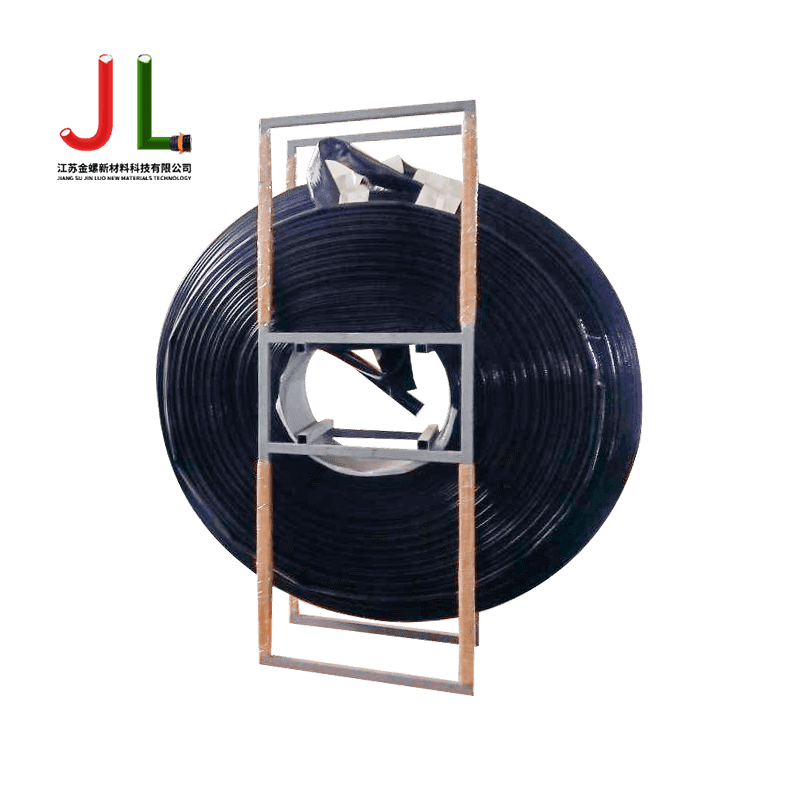
Jinluo Dual-Sided Polyurethane Trenchless Pipe Liner – Advanced Polyurethane Lining Hose for Trenchless Pipe Repair
-
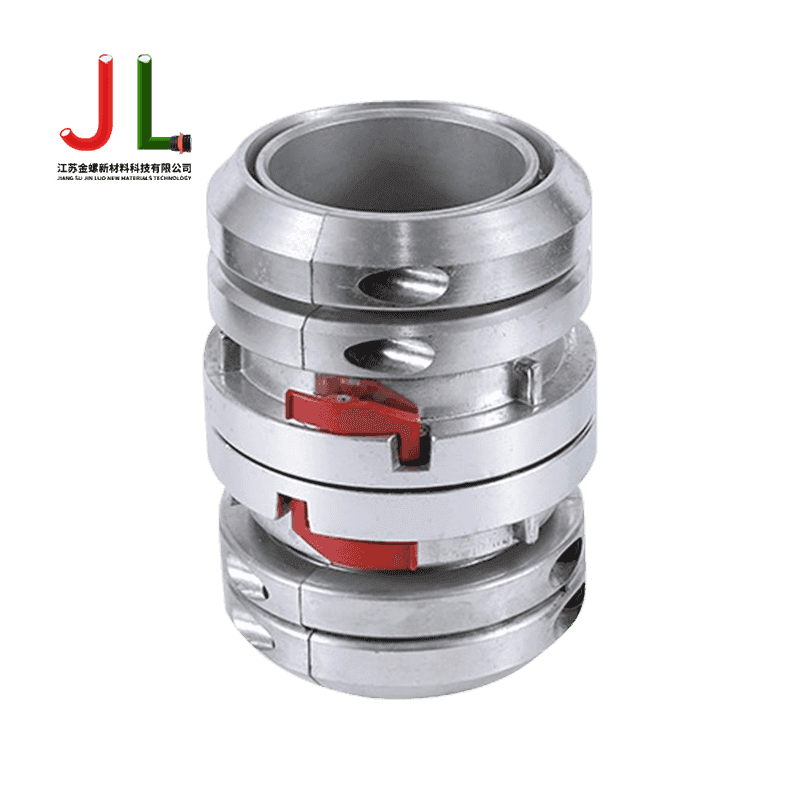
316 Stainless Steel Multi-Lug Quick Connect Couplings – Robust Stainless Steel Couplings for Quick Connections
-
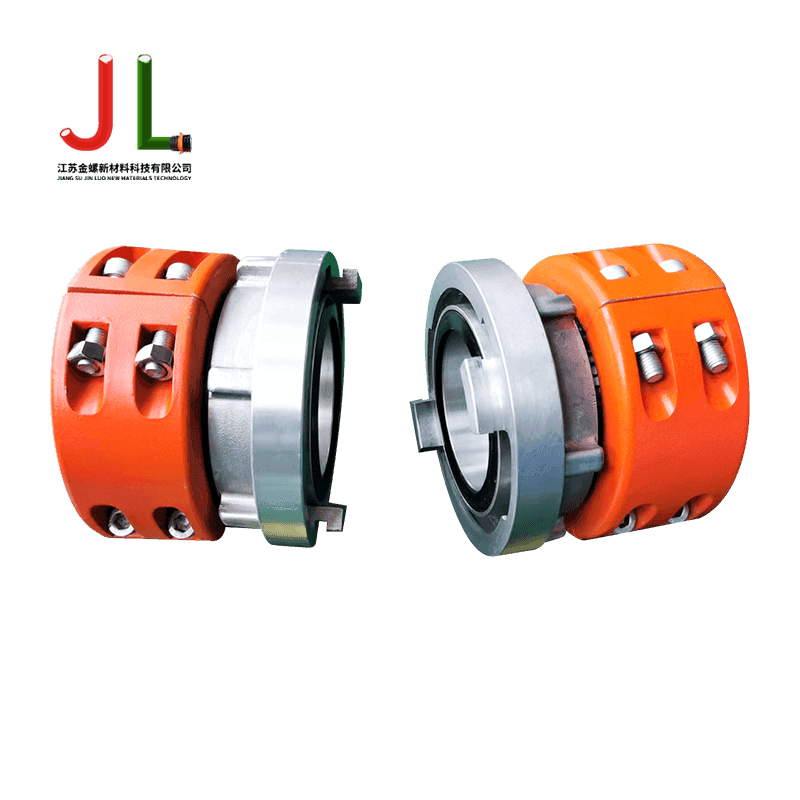
LDHC S Large Diameter Hose Coupling (Storz Type) – High-Performance Storz Type Coupling for Large Diameter Hose Connections
-
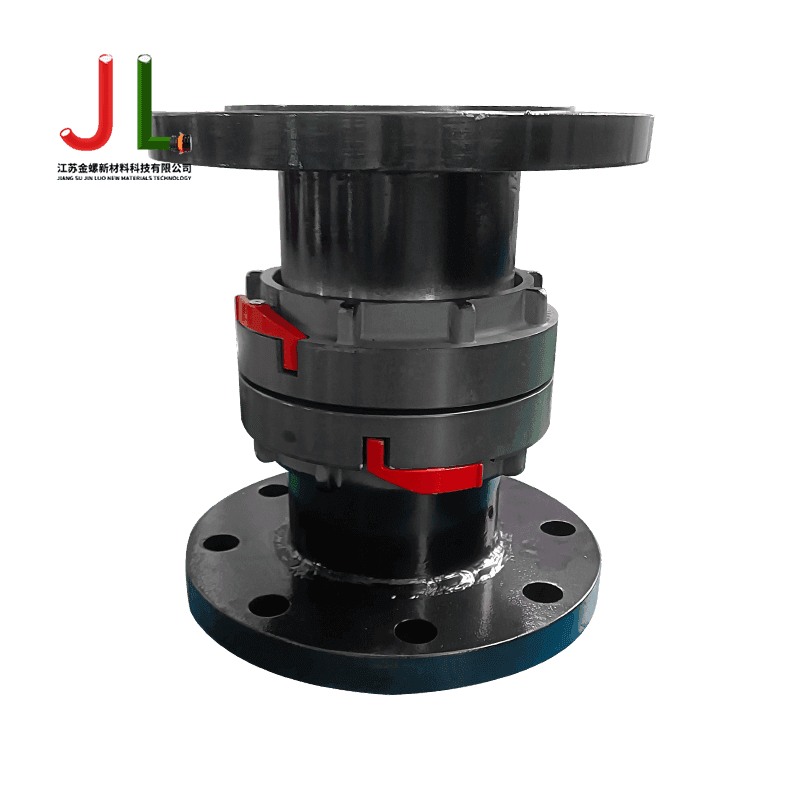
LDHC Large Diameter Hose Flange Coupling | High Pressure Sealing Carbon Steel / Stainless Steel Flange Connector for Petrochemical
Looking For Bussiness Opportunity?
Request for a call today

- Tel: +86-13801432164
- E-mail: [email protected]
- Address: No. 2 Workshop, East Zone, Photovoltaic Technology Industrial Park, No. 109 Yaojia Road, Jiulong Town, Hailing District, Taizhou City, Jiangsu Province, China
