


 English
 عربى
عربى
Fracking Hose Guide: Types, Materials and Oilfield Applications
Content
- 1 What Is a Fracking Hose?
- 2 Fracking Hose Applications in the Oilfield Industry
- 3 Abrasion Resistant Hose for Oilfield Use
- 4 TPU Drag Hose for Rough Terrain Applications
- 5 Lightweight Flexible Industrial Hose: Why It Matters on Frac Sites
- 6 Water Transfer Hose for Fracking Sites
- 7 Chemical Resistant Hose for Oilfield Applications
- 8 Drilling Mud Hose Explained
- 9 Flowback Hose and Wastewater Transfer Systems
What Is a Fracking Hose?
A fracking hose — formally a hydraulic fracturing transfer hose — is a high-pressure flexible conduit engineered to move large volumes of fluid between surface equipment during oil and gas well stimulation operations. On a typical frac site, these hoses connect high-pressure pumping units, blenders, frac tanks, manifolds, and wellhead iron, handling everything from raw water and fracturing fluid to proppant-laden slurry and chemical additives under continuous, high-cycle pressure demand.
Unlike standard industrial hoses, fracking hoses must simultaneously satisfy four competing requirements: pressure resistance (working pressures of 500–15,000 psi depending on position in the circuit), abrasion resistance against proppant-laden flows, chemical compatibility with the broad spectrum of additives used in completion fluids, and field durability across repeated deployment, dragging, and connection cycles on rough oilfield terrain. The material choice for the inner tube — TPU, rubber, or composite — is the primary lever controlling how well a hose meets all four demands.
Fracking Hose Applications in the Oilfield Industry
A single hydraulic fracturing operation involves multiple distinct fluid circuits, each imposing different pressures, temperatures, and fluid chemistries on the hoses involved. Understanding these circuits is essential to specifying the right hose for each position.
High-Pressure Frac Iron and Pump-to-Wellhead Lines
The highest-stress position in any frac circuit is the connection between the high-pressure pump manifold and the wellhead. Working pressures here routinely reach 10,000–15,000 psi, requiring steel frac iron or ultra-high-pressure flexible hose rated to full wellhead pressure. These lines handle fracturing fluid — water, gel, or slickwater — mixed with silica or ceramic proppant at concentrations up to 8 pounds per gallon.
Low-Pressure Transfer and Suction Lines
On the suction side of the pump — between frac tanks, blenders, and pump intakes — pressures drop to the 50–300 psi range. Here, large-diameter (3–6 inch) lay-flat or suction hoses transfer blended fracturing fluid at high flow rates. Abrasion from proppant and chemical attack from biocides, scale inhibitors, and friction reducers are the dominant degradation mechanisms.
Water Supply and Transfer Lines
Large volumes of source water — typically 3 to 15 million gallons per frac stage in unconventional plays — must be moved from impoundments, pits, or pipelines to on-site storage. These transfer lines cover distances of hundreds of meters to several kilometers across unprepared terrain, making lightweight, abrasion-resistant lay-flat hose the preferred solution.
Chemical Injection Lines
Concentrated chemical additives — acids, surfactants, corrosion inhibitors, gelling agents — are injected into the frac stream at precise rates through small-diameter (½–2 inch) chemical injection hoses. These lines require superior chemical resistance across a wide pH range, often from pH 1 (acid stimulation) to pH 13 (high-alkalinity scale treatments).
Flowback and Produced Water Transfer
Following fracturing, the well produces flowback fluid — a mixture of injected frac water, formation brine, hydrocarbons, and residual proppant — that must be captured, transferred, and treated or disposed of. Flowback hoses must handle hydrocarbon content, elevated total dissolved solids (TDS), and suspended solids simultaneously.
Abrasion Resistant Hose for Oilfield Use
Proppant — silica sand or engineered ceramic — is the primary abrasive agent in oilfield hose applications. At frac sites, proppant concentrations in slurry can reach 4–8 lb/gal (480–960 kg/m³), and flow velocities in transfer lines routinely exceed 3 m/s. Under these conditions, a standard NBR rubber inner bore erodes at rates that can reduce a hose to failure within a single frac stage.
TPU (thermoplastic polyurethane) is the material that changed the economics of oilfield hose replacement. In DIN 53516 abrasion testing, TPU compounds achieve volume losses of 20–60 mm³ versus 150–300 mm³ for standard NBR — a factor of 5 to 15 improvement. In field conditions with silica proppant, this translates to service lives several times longer than rubber equivalents of the same wall thickness.
The performance advantage comes from TPU's microphase-separated structure: rigid hard segments resist particle penetration while flexible soft segments absorb impact energy and prevent crack initiation. For oilfield service, TPU inner tubes are typically specified at Shore A 88–95, with wall thicknesses of 4–8 mm depending on proppant concentration and flow velocity.
Beyond the inner bore, the outer jacket also requires abrasion resistance: oilfield hoses are routinely dragged across caliche, gravel pads, and steel grating. A UV-stabilized TPU or SBR rubber outer cover with a minimum Shore A hardness of 60 is standard for oilfield service hoses.
TPU Drag Hose for Rough Terrain Applications
Oilfield sites present some of the most demanding terrain conditions for flexible hose deployment. Well pads in unconventional plays — Permian Basin, Eagle Ford, Marcellus, Haynesville — are typically constructed on caliche, compacted gravel, or native rock, and the surrounding access routes cross unimproved roads, drainage ditches, fence lines, and uneven rangeland.
A 500-meter water transfer line in 4-inch diameter NBR rubber hose weighs approximately 650–800 kg — requiring machinery to lay and retrieve. The equivalent TPU lay-flat hose weighs 380–500 kg, a reduction that allows smaller crews to deploy and recover lines manually or with lighter equipment, directly reducing per-stage operating costs.
Weight savings compound across a full frac job. On a pad with 8 to 12 wells requiring water transfer lines of 300–800 meters each, the cumulative difference between TPU and rubber can amount to several metric tons of hose weight, affecting transport logistics, crew fatigue, and deployment time per stage.
Cold-weather performance is equally significant in northern plays (Bakken, Montney, Duvernay). NBR rubber stiffens substantially below −20 °C, making large-diameter hoses difficult to coil and increasing the risk of kinking and coupling damage during cold-morning deployment. TPU retains its flexibility to −40 °C, eliminating cold-temperature handling constraints.
Lightweight Flexible Industrial Hose: Why It Matters on Frac Sites
The operational tempo of hydraulic fracturing — where pump hours directly determine well economics — creates intense pressure to minimize rig-up and rig-down time. Every hour spent laying hose or troubleshooting a kinked or failed line reduces the number of frac stages completed per day, with cost implications running to tens of thousands of dollars per stage in high-cost basins.
Lightweight flexible hoses reduce rig-up time through three mechanisms. First, lower weight per unit length allows a two-person crew to handle lines that would otherwise require a forklift or crane. Second, superior low-temperature flexibility eliminates the warm-up period that rubber hoses require before they can be safely uncoiled in cold weather. Third, smaller coil diameter (TPU lays flatter and coils more tightly than rubber) allows more hose to be transported on a single reel truck, reducing the number of truck loads required for a large pad.
For lay-flat water transfer hoses specifically, the flat-pack format delivers further logistical advantages: a 500-meter section of 4-inch TPU lay-flat hose collapses to a roll 300–400 mm in diameter, compared to a rigid-bore rubber hose that cannot be collapsed at all. This difference determines whether hose can be transported in a pickup bed or requires a dedicated hose reel trailer.
Water Transfer Hose for Fracking Sites
Water management is one of the largest logistical challenges in unconventional well completion. A single horizontal well in the Permian Basin requires 10 to 20 million gallons of water across its completion program; a full pad development with eight wells can require 80 to 160 million gallons. Moving this volume from source to wellsite, and managing flowback and produced water from wellsite to disposal, demands a robust, reusable hose infrastructure.
For surface water transfer — from pits, ponds, rivers, or pipelines — the standard solution is large-diameter lay-flat or semi-rigid suction/discharge hose in the 3- to 8-inch (75–200 mm) range. Key specification parameters include:
- Working pressure: 6–16 bar for lay-flat discharge; 6–10 bar with full vacuum rating (−0.9 bar) for suction hose.
- Inner bore material: TPU for long-term abrasion resistance against suspended sediment and scale; EPDM rubber for elevated-temperature water above 70 °C.
- Reinforcement: High-tenacity polyester yarn or polyester fabric for lay-flat hose; steel helix for suction hose requiring collapse resistance.
- Coupling type: Camlock (cam-and-groove) fittings in aluminum or ductile iron for fast field connection; banded or crimped for permanent termination.
- UV resistance: Carbon-black-stabilized or UV-inhibited outer jacket mandatory for hoses stored and deployed outdoors year-round.
Reusability over multiple frac jobs is the primary economic driver: a TPU lay-flat water transfer hose deployed on 8 to 12 frac stages before replacement delivers a lower cost-per-stage than a rubber hose replaced every 2 to 3 stages, even at a higher unit purchase price.
Chemical Resistant Hose for Oilfield Applications
Oilfield completion fluids present a uniquely broad and aggressive chemical environment. A modern frac fluid formulation can contain 15 to 25 distinct chemical additives, including hydrochloric acid (for acid stimulation stages, typically 7.5–15% HCl), friction reducers (polyacrylamide-based), biocides (glutaraldehyde, DBNPA), scale inhibitors (phosphonate-based), gelling agents (guar gum, HPG), breakers (oxidizing or enzymatic), and crosslinkers (zirconium or boron compounds).
No single polymer excels across all of these chemistries. The practical selection framework for oilfield chemical hose is:
- Ether-based TPU: Excellent resistance to dilute acids, alkalis, and water-based additives. Resistant to hydrolysis in continuous-wet service. The standard choice for general frac fluid transfer hoses.
- Ester-based TPU: Superior mechanical properties but susceptible to hydrolysis in prolonged water immersion. Suited to dry or intermittently wet chemical transfer.
- UHMWPE-lined hose: Best-in-class chemical resistance across nearly all oilfield chemicals, including concentrated HCl and hydrocarbon solvents. Required for concentrated acid injection lines.
- NBR rubber: Good resistance to aliphatic hydrocarbons and petroleum-based fluids. Preferred for produced water and oil transfer where hydrocarbon content is high.
- PTFE-lined hose: Universal chemical resistance including aromatic solvents and oxidizing acids. Specified for high-value chemical injection where contamination risk must be eliminated.
Always cross-reference the specific chemical formulation — including concentration and temperature — against the hose manufacturer's published chemical compatibility table before committing to a material specification. Field failures in chemical injection hoses are disproportionately caused by incompatible inner tube selection, not pressure overload.
Drilling Mud Hose Explained
Drilling mud hose — also called a rotary hose, kelly hose, or mud return hose depending on its position in the circulating system — transfers drilling fluid (mud) between the standpipe manifold, the swivel or top-drive, and the drill string during active drilling operations. It is one of the most safety-critical hoses on a rig, operating at pressures up to 7,500 psi (517 bar) while simultaneously flexing and rotating with the traveling block.
Rotary hoses are manufactured to API 7K standards, which define six service grades (A through F) by working pressure and bore size. The typical 4-inch bore rotary hose on a land rig operates at working pressures of 3,000–5,000 psi, with a minimum burst pressure four times the working pressure. Construction consists of a nitrile rubber inner tube, multiple layers of high-tensile steel wire spiral reinforcement (typically 4 to 6 layers), a fabric separator ply, and an abrasion-resistant outer jacket.
Drilling mud itself is a complex fluid: water-based muds (WBM) contain clay suspensions, barite weighting agents, and various chemical additives; oil-based muds (OBM) use diesel or synthetic base oil and present a more aggressive chemical environment for rubber compounds. Ester-based or NBR inner tubes handle WBM well; OBM service typically requires hydrogenated nitrile (HNBR) or fluoroelastomer (FKM) inner compounds for adequate swelling resistance.
Beyond the rotary hose, the rig circulating system includes vibrator hoses (connecting the standpipe to the rotary hose, absorbing pump pulsation), choke and kill hoses (API 16C, rated to full wellhead shut-in pressure for well control), and mud return hoses (large-diameter, low-pressure lines returning mud from the bell nipple to the shale shakers).
Flowback Hose and Wastewater Transfer Systems
After hydraulic fracturing, the well is opened to production and flowback begins. The fluid returning to surface in the first days to weeks after stimulation — called flowback — is a complex mixture that evolves significantly over time: initially dominated by injected frac water, it progressively takes on more formation brine characteristics, with increasing TDS (total dissolved solids, sometimes exceeding 200,000 mg/L), hydrocarbon content (gas and condensate), naturally occurring radioactive material (NORM), hydrogen sulfide (H₂S) in sour reservoirs, and residual proppant fines.
This fluid profile creates a demanding hose specification that combines requirements normally addressed by separate products:
- Hydrocarbon resistance: Condensate and crude oil will swell and degrade inner tubes not resistant to aliphatic hydrocarbons. NBR and HNBR are the standard choices; TPU ether grades offer moderate hydrocarbon resistance.
- H₂S resistance: Hydrogen sulfide attacks both metallic couplings and certain elastomers. NACE MR0175 / ISO 15156 compliance governs material selection for sour service couplings; FKM inner tubes are specified in high H₂S environments.
- Abrasion resistance: Residual proppant fines and formation sand remain in suspension during flowback, making bore abrasion an active degradation mechanism. TPU-lined hose is preferred where solid content is significant.
- Temperature tolerance: Flowback fluid temperature at surface depends on wellbore depth and geothermal gradient; deep wells in hot basins can produce fluids at 60–90 °C, approaching the upper operating limit of standard TPU.
Produced water transfer — moving treated or untreated formation brine from wellsite to disposal wells, evaporation pits, or recycling facilities — represents an ongoing requirement throughout the producing life of the well, not just during completion. For long-distance produced water pipeline replacement or temporary routing, large-diameter TPU lay-flat hose in 4- to 8-inch bore provides a cost-effective, redeployable solution that avoids the permitting and capital cost of permanent buried pipe.
Wastewater transfer systems must also address secondary containment requirements under EPA and state regulations. Hose systems used near environmentally sensitive areas or surface water bodies are typically deployed inside secondary containment berms or paired with double-wall hose constructions that provide an interstitial leak-detection layer between inner and outer tubes.
Related Products
-

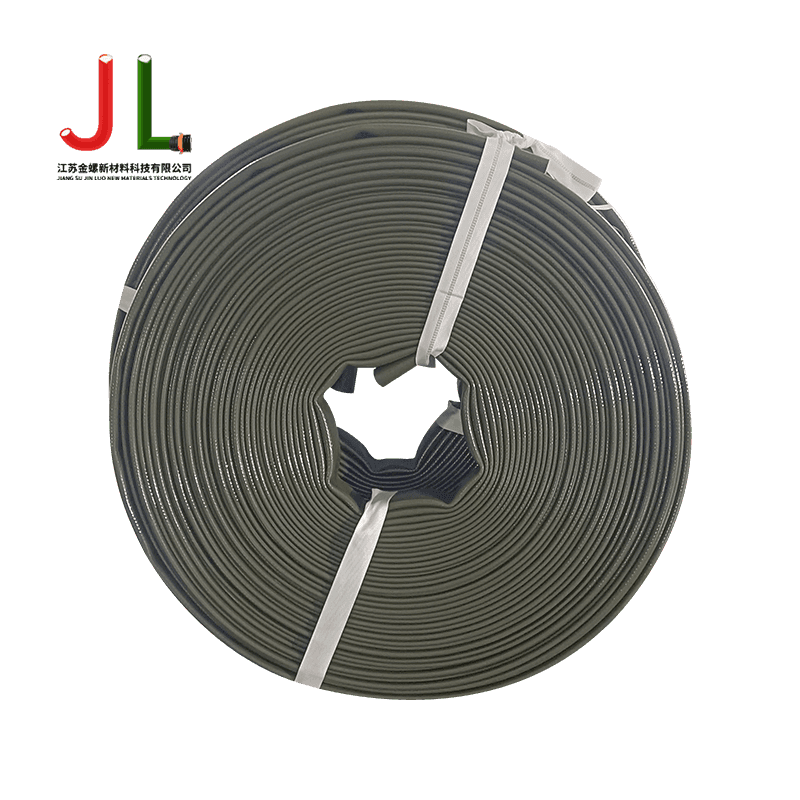
Jinluo Hose TPU Fracking Layflat Hose – Flexible Polyurethane Fracturing Water Supply Hose for Oilfield Applications
-
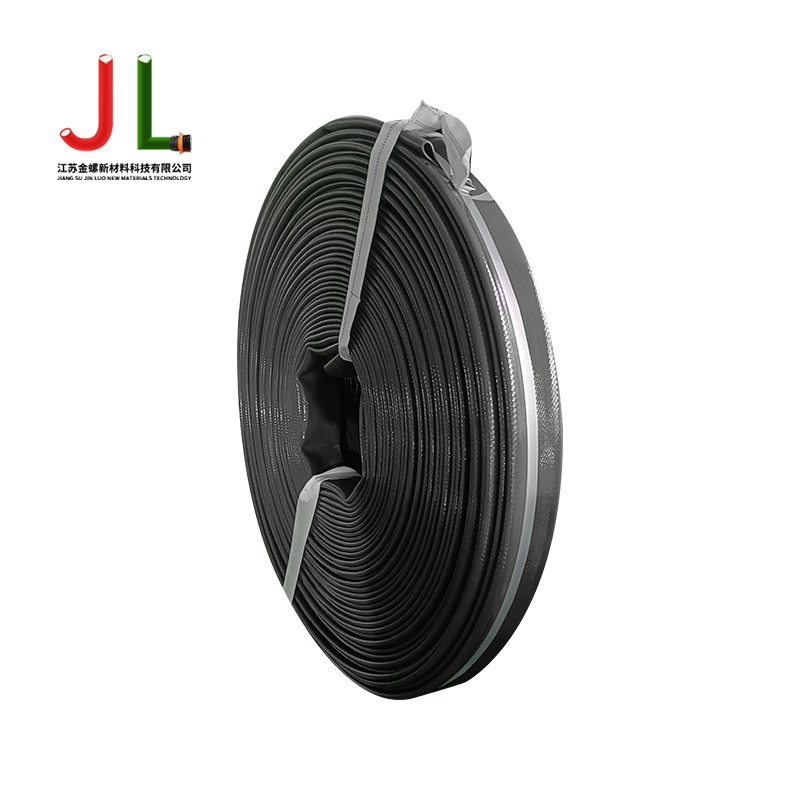
Jinluo Hose Polyurethane Fracturing Water Supply Hose
-
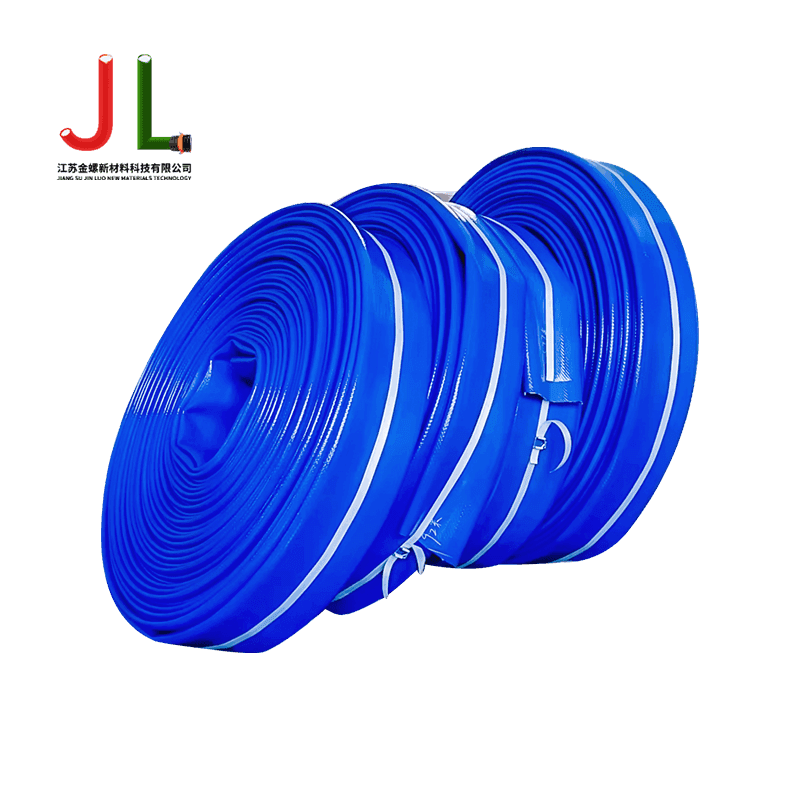
Jinluo Hose Polyurethane Slurry Hose – Reinforced Underground Mining Hose for Efficient Water and Slurry Discharge
-
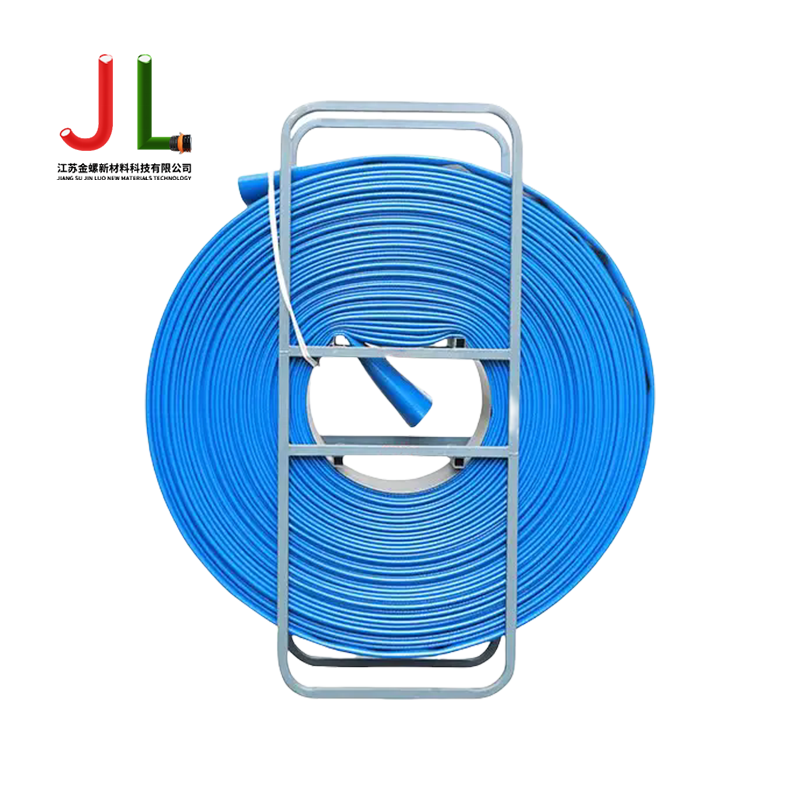
Jinluo Hose TPU frac water hose
-
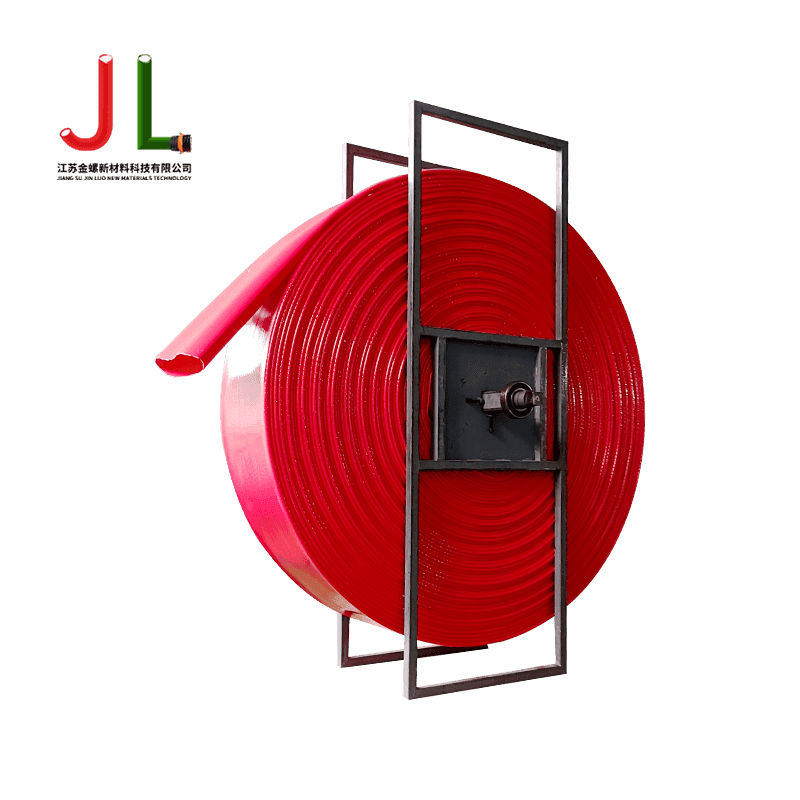
TPU Concrete Pouring Hose (Concrete Pumping Hose / Concrete Delivery Hose)
-
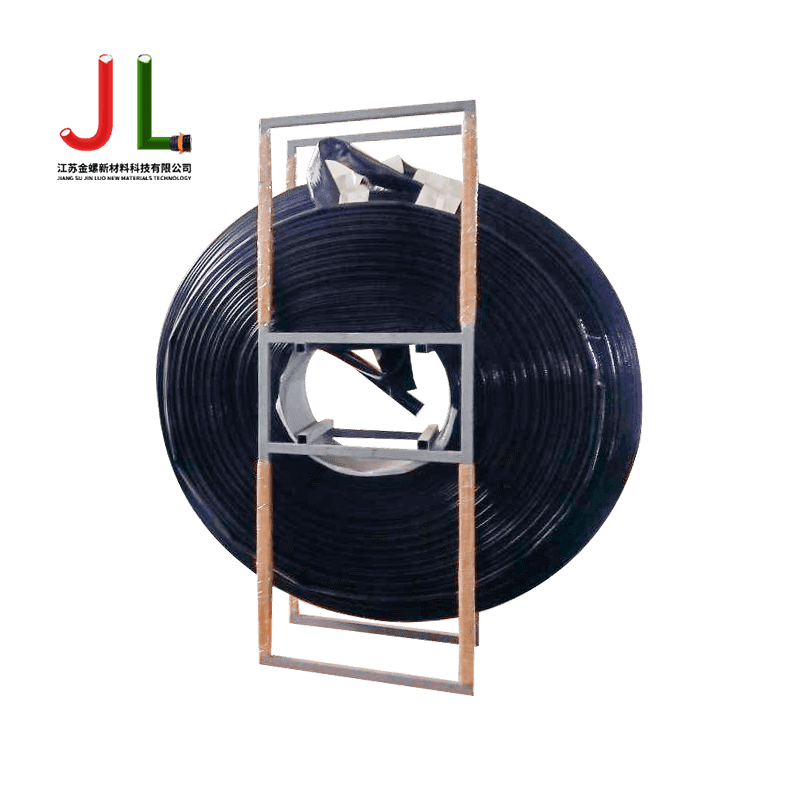
Jinluo Dual-Sided Polyurethane Trenchless Pipe Liner – Advanced Polyurethane Lining Hose for Trenchless Pipe Repair
-
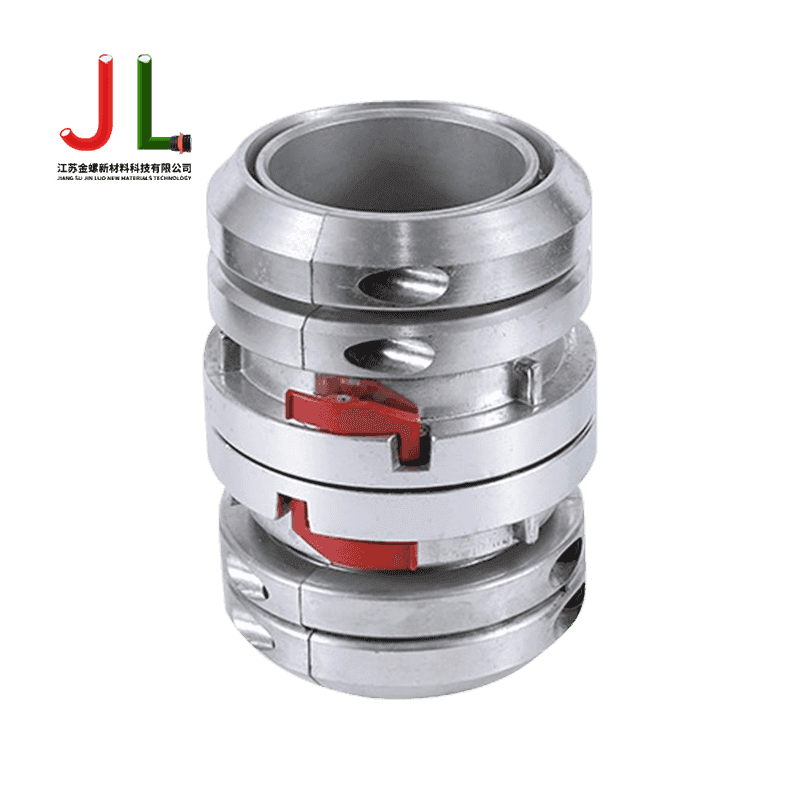
316 Stainless Steel Multi-Lug Quick Connect Couplings – Robust Stainless Steel Couplings for Quick Connections
-
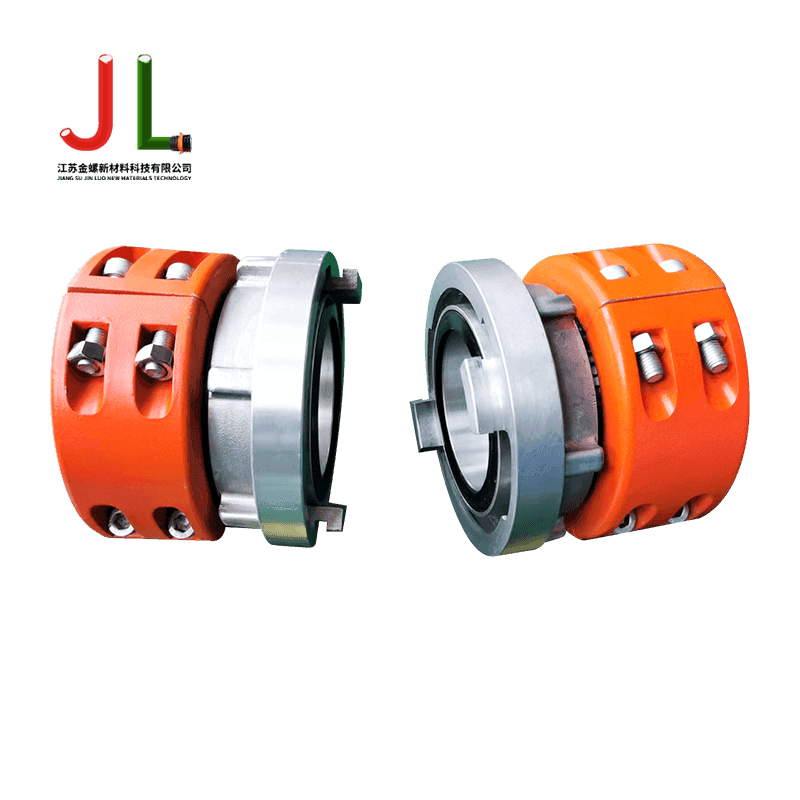
LDHC S Large Diameter Hose Coupling (Storz Type) – High-Performance Storz Type Coupling for Large Diameter Hose Connections
-
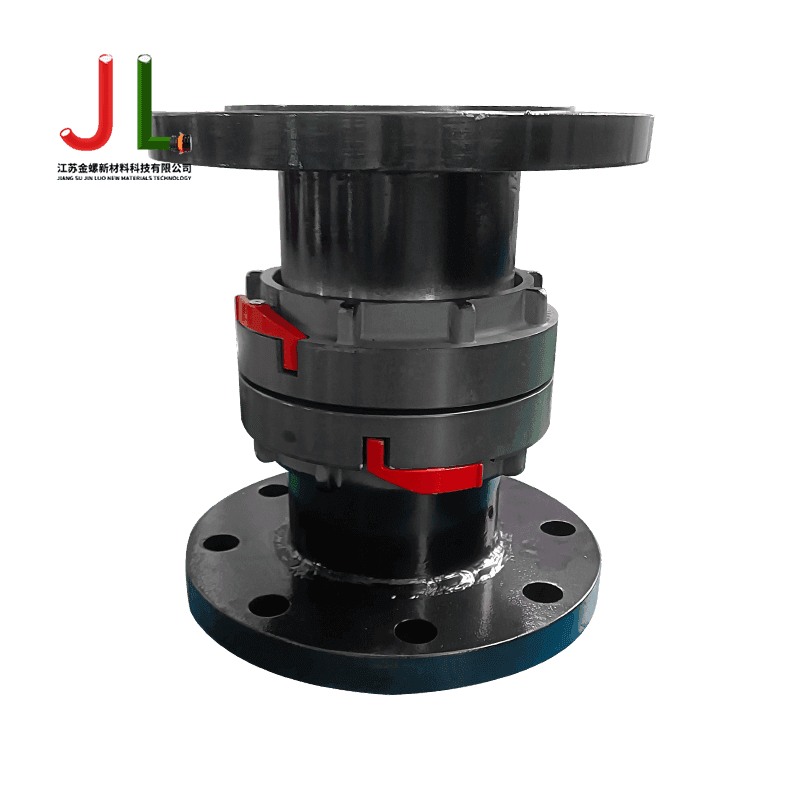
LDHC Large Diameter Hose Flange Coupling | High Pressure Sealing Carbon Steel / Stainless Steel Flange Connector for Petrochemical
Looking For Bussiness Opportunity?
Request for a call today

- Tel: +86-13801432164
- E-mail: [email protected]
- Address: No. 2 Workshop, East Zone, Photovoltaic Technology Industrial Park, No. 109 Yaojia Road, Jiulong Town, Hailing District, Taizhou City, Jiangsu Province, China
