


 English
 عربى
عربىNews
HOME / NEWS / Industry News / How can the right Agricultural Irrigation Hose & Drag Hose improve water efficiency and crop yield?

In the landscape of modern industrial agriculture, the transition from traditional water transport to precision fluid engineering is no longer optional. As global water scarcity intensifies, the choice of a high-performance Agricultural Irrigation Hose & Drag Hose becomes a critical factor in determining the operational efficiency of large-scale farming. For B2B procurement managers and agricultural engineers, understanding the technical nuances of hose construction is essential for maximizing both water conservation and total crop output.
Content
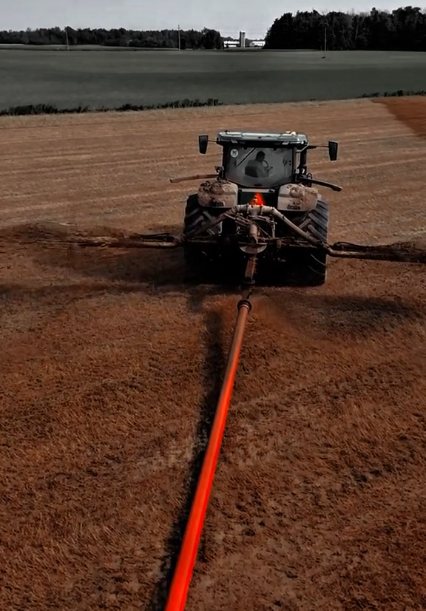
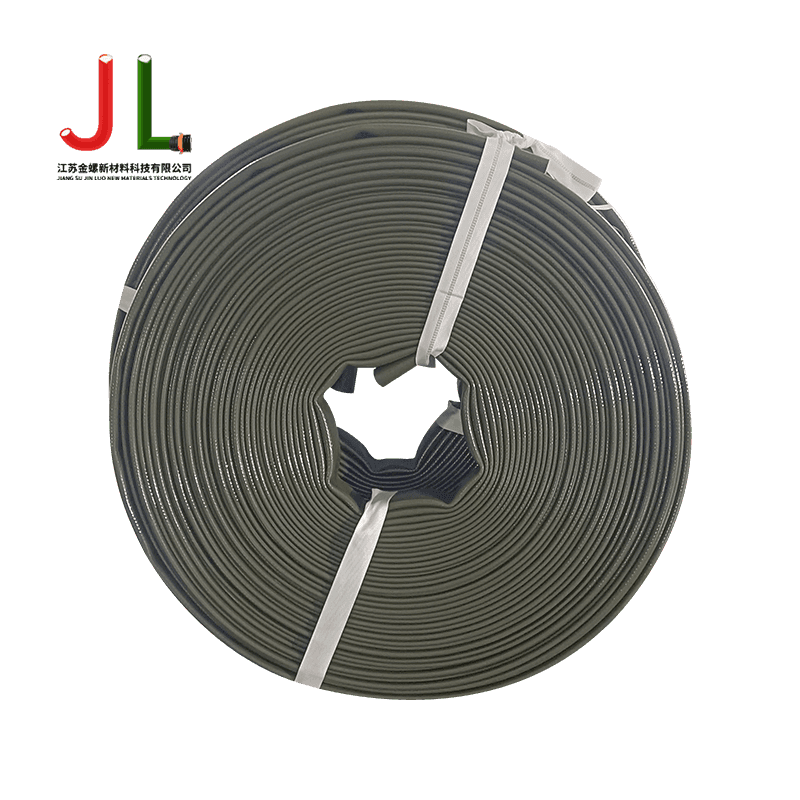
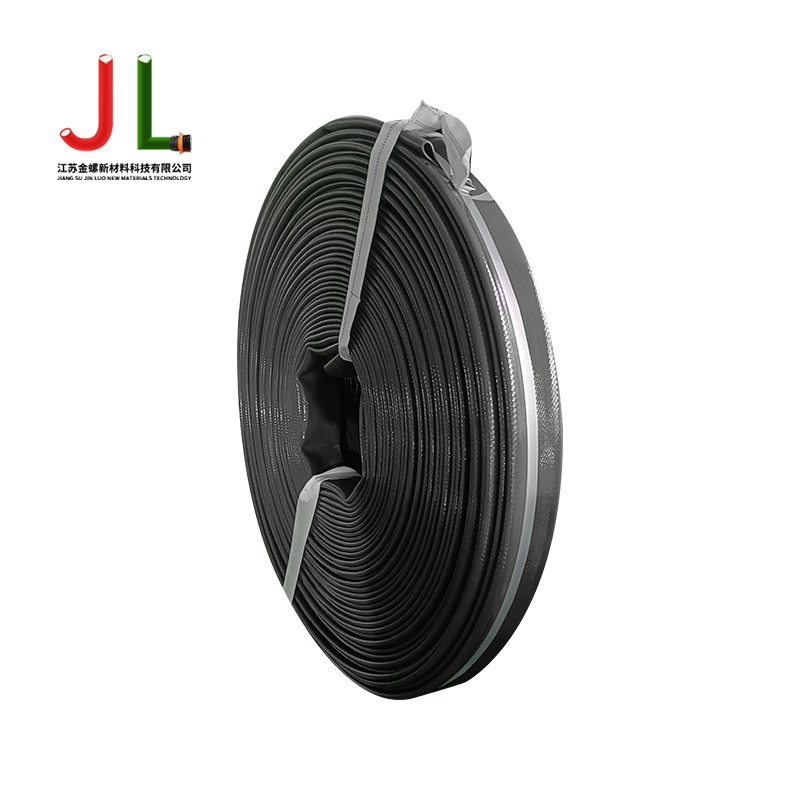
The efficiency of an irrigation system is fundamentally limited by the material properties of its conduits. Advanced thermoplastic polyurethane (TPU) has emerged as the gold standard for demanding environments. Unlike traditional rubber or low-grade PVC, a Durable TPU irrigation hose & Drag Hose for fertigation offers superior hydrolysis resistance and mechanical strength, ensuring that water and nutrients reach the crop without system failure.
While PVC is often selected for its lower initial cost, it fails to match the long-term performance of TPU in industrial applications. TPU provides significantly higher tensile strength and flexibility under extreme temperature fluctuations, which is vital for preventing the micro-cracks that lead to water loss.
| Feature | Traditional PVC Hose | Durable TPU irrigation hose & Drag Hose for fertigation |
| Tensile Strength | Moderate | High (Excellent for high-pressure) |
| Chemical Resistance | Limited to basic fertilizers | High (Resistant to oils, chemicals, and acids) |
| Flexibility | Rigid in cold weather | Maintains flexibility from -50°C to 80°C |
| Lifespan | 2-3 Seasons | 10+ Years in optimal conditions |
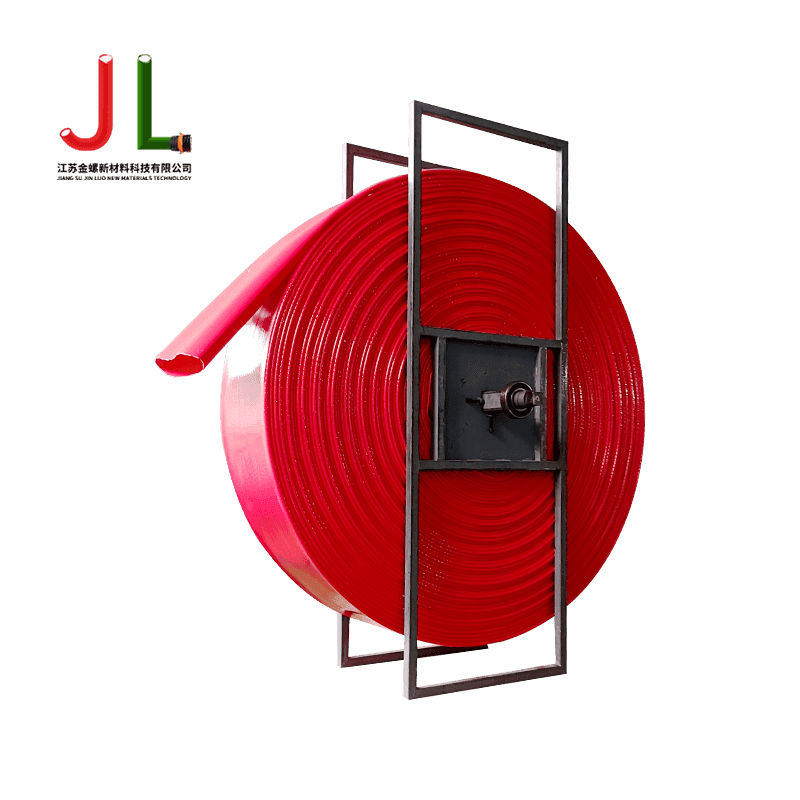
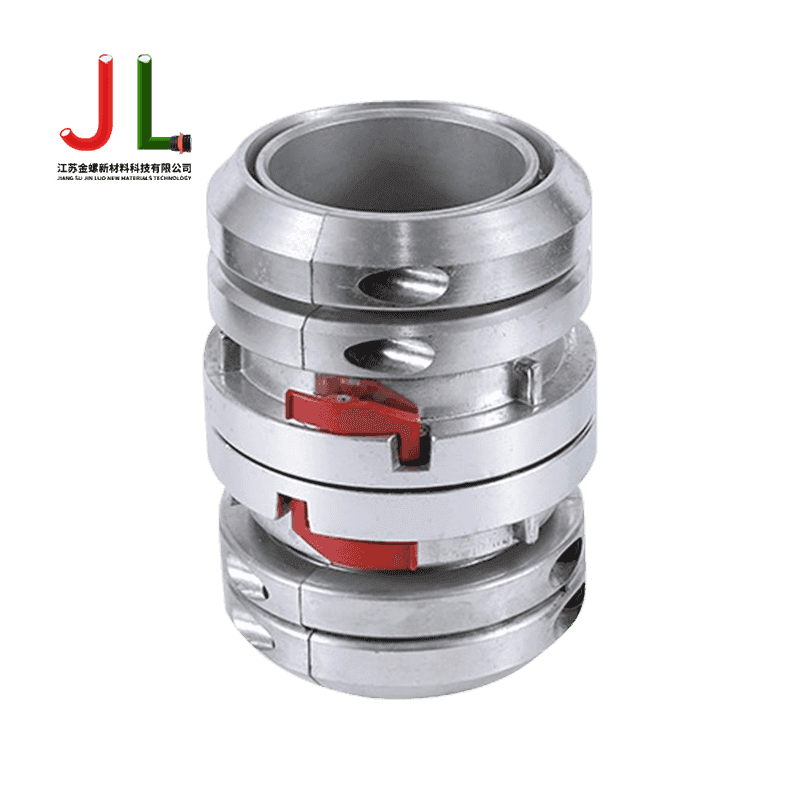
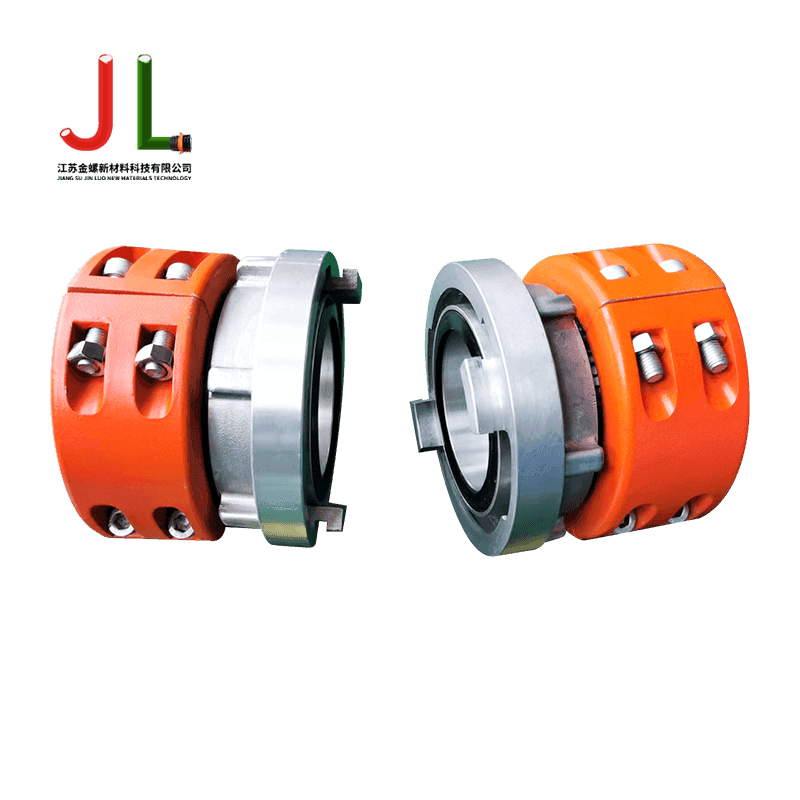
Fluid loss in large-scale irrigation often occurs due to "snaking" or bursting under pressure surges. Utilizing a High-pressure polyurethane irrigation hose & Drag Hose allows for higher operating pressures (up to 300+ PSI depending on caliber), which facilitates the use of longer runs and more efficient sprinkler or drip heads. This reduces the number of connections required, which are historically the weakest points for leaks in any system.
According to the latest 2024 report by the Food and Agriculture Organization (FAO) regarding global water management, upgrading to high-tenacity reinforced delivery systems can reduce conveyance water loss by up to 25% in mechanized irrigation setups. This efficiency directly translates to lower pumping costs and more consistent hydration for the crop root zones.
Source: FAO - Water Scarcity and Agricultural Innovation 2024
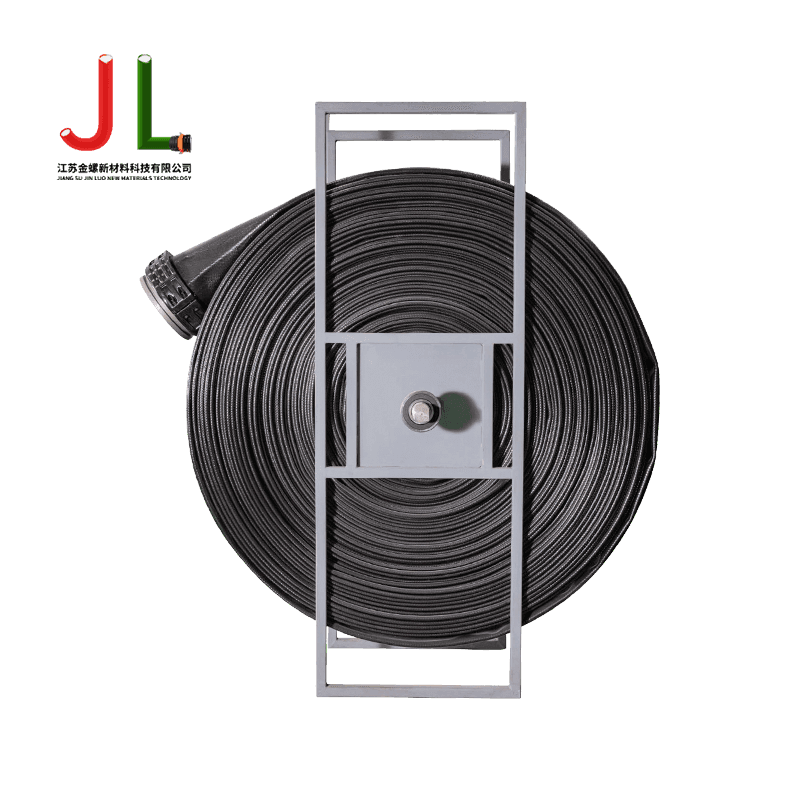
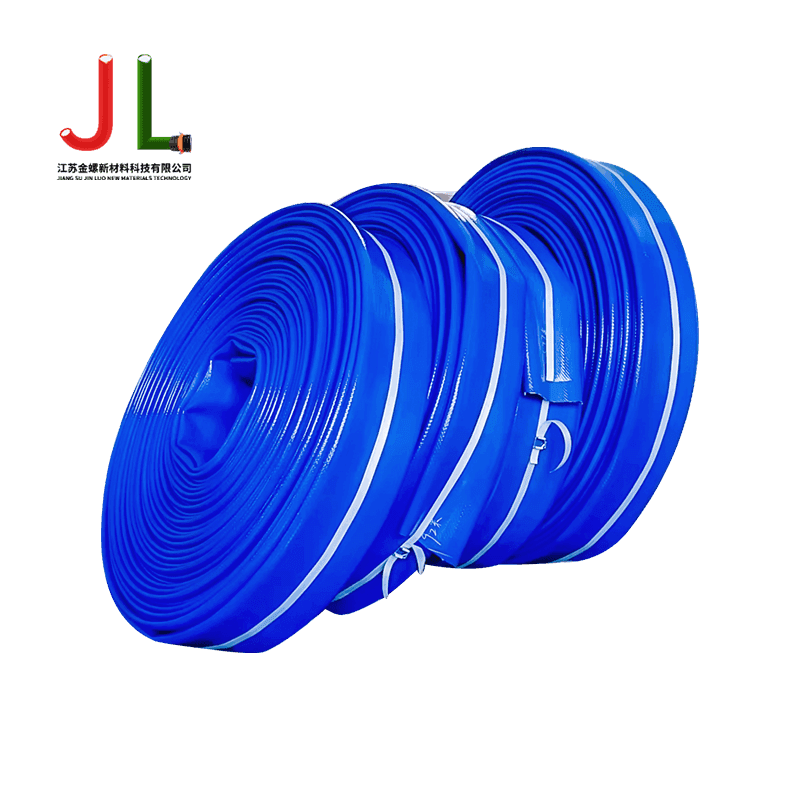
For industrial-scale fluid transfer, volume is as important as pressure. Implementing a Large diameter layflat irrigation hose & Drag Hose (ranging from 8 inches to 16 inches) enables the movement of massive water volumes with minimal friction loss. This is particularly crucial for temporary oil transfer, mineral exploration, and large-scale agricultural fertilization where time-sensitive delivery is paramount.
A larger internal diameter reduces the velocity required to move the same volume of water, which exponentially decreases energy consumption at the pump station.
| Hose Diameter | Flow Capacity (Gallons/Min) | Energy Efficiency Factor |
| 4 Inch | 500 - 800 | Standard |
| 10 Inch | 3,500 - 5,000 | High (Low Friction Loss) |
| 16 Inch | 12,000+ | Industrial Peak Efficiency |
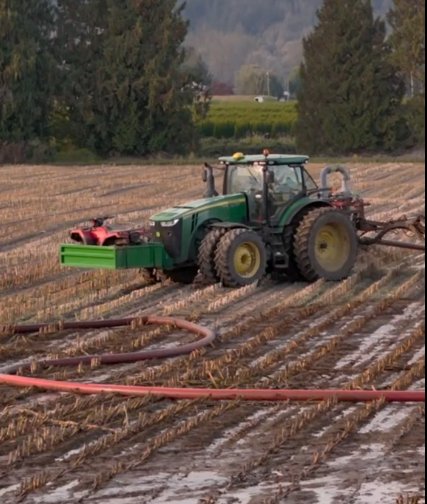
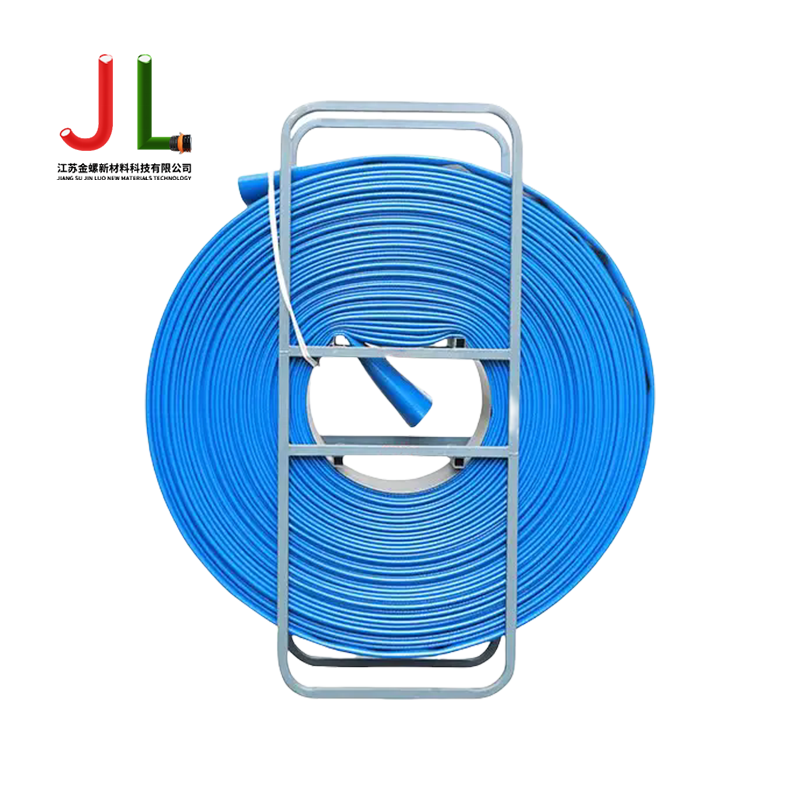
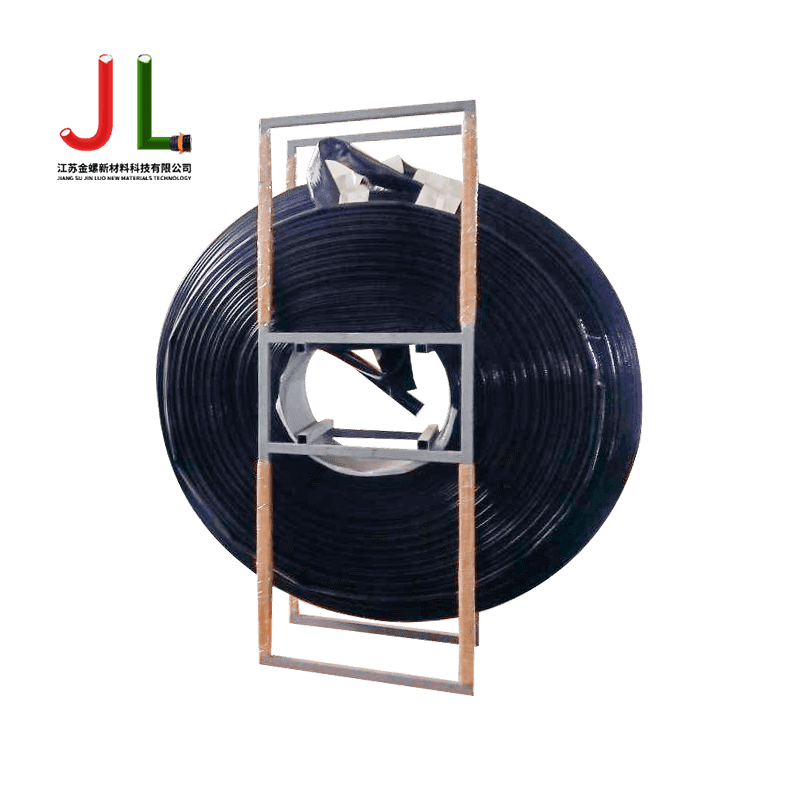
Agricultural drag systems are specialized for umbilical slurry and manure application. Using a UV resistant agricultural drag hose ensures that the equipment can withstand constant abrasion against the ground and prolonged exposure to intense sunlight without degrading. By delivering nutrients directly to the soil surface through a flexible, high-tensile hose, farmers can avoid soil compaction caused by heavy tankers, leading to healthier root structures and higher crop yields.
The industry is moving toward stricter certifications for fluid transfer safety and environmental impact. For instance, the latest ISO 16486 standards emphasize the necessity of high-integrity bonding between the textile reinforcement and the polymer cover to prevent delamination. Innovations in "smart" hoses are also emerging, though the core requirement remains the mechanical integrity of the Heavy duty flexible farm water pipe.
Recent data from the International Commission on Irrigation and Drainage (ICID) highlights that by 2025, the adoption of "smart" drag systems and high-durability TPU hoses is expected to grow by 15% annually in the North American and Asian markets, as growers seek to mitigate the impact of rising energy costs.
Source: ICID - Annual Report on Irrigation Trends 2024/2025
As a leading manufacturer based in Jiangsu, China, Jiangsu Jinluo New Material Technology Co., Ltd. specializes in the production of high-performance polyurethane layflat fracturing hoses and specialized Agricultural Irrigation Hose & Drag Hose solutions. Our factory produces a diverse range of products, including Oil and Gas Hoses, fire truck remote water supply hoses, and UV resistant agricultural drag hose options. We cater to global demands for industrial fluid transfer and trenchless pipeline rehabilitation, offering calibers from 2 inches to 16 inches with fully customizable lengths and models to meet specific engineering requirements.
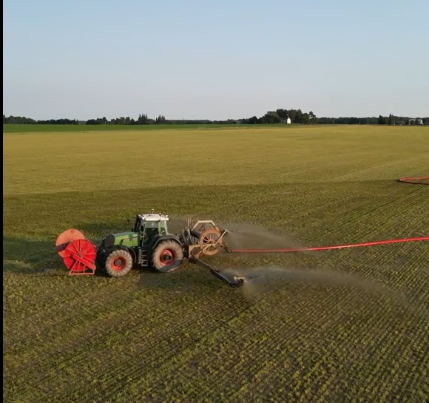
Investing in a high-quality Agricultural Irrigation Hose & Drag Hose is not just a procurement decision; it is a strategic investment in the sustainability of the farm. By selecting a Heavy duty flexible farm water pipe designed for the specific rigors of the environment, agricultural operations can achieve a significant ROI through reduced maintenance, lower energy bills, and ultimately, a more abundant harvest.
TPU is lighter, more abrasion-resistant, and has a higher pressure rating than rubber. It also does not degrade when exposed to the chemicals commonly used in modern fertilization.
It allows for the transfer of larger water volumes at lower pressures, significantly reducing friction loss and energy costs during irrigation.
UV radiation breaks down standard polymers, causing them to become brittle. UV-stabilized hoses maintain their molecular integrity even after years of direct sunlight exposure.
Yes, our hoses are widely used in oil and gas exploration, mineral exploration, emergency response, and industrial fluid transfer due to their heavy-duty construction.
Absolutely. We provide customizable lengths and calibers ranging from 2 to 16 inches to meet the unique needs of large-scale construction or specialized agricultural systems.

Request for a call today