


 English
 عربى
عربىNews
HOME / NEWS / Industry News / The Ultimate Guide to Flexible PU Hose: Applications, Benefits, and Selection

In the world of industrial and agricultural fluid transfer, the choice of hose is critical for efficiency, safety, and longevity. Among the myriad options available, the flexible PU hose stands out for its exceptional balance of properties. This guide delves deep into the world of polyurethane hoses, exploring their applications, advantages, and how to select the perfect one for your needs. As a leading manufacturer, Jiangsu Jinluo New Material Technology Co., Ltd. leverages innovative technology to produce high-quality flexible PU hose solutions that meet rigorous industry standards, including ISO certifications and multiple patent credentials.
Content
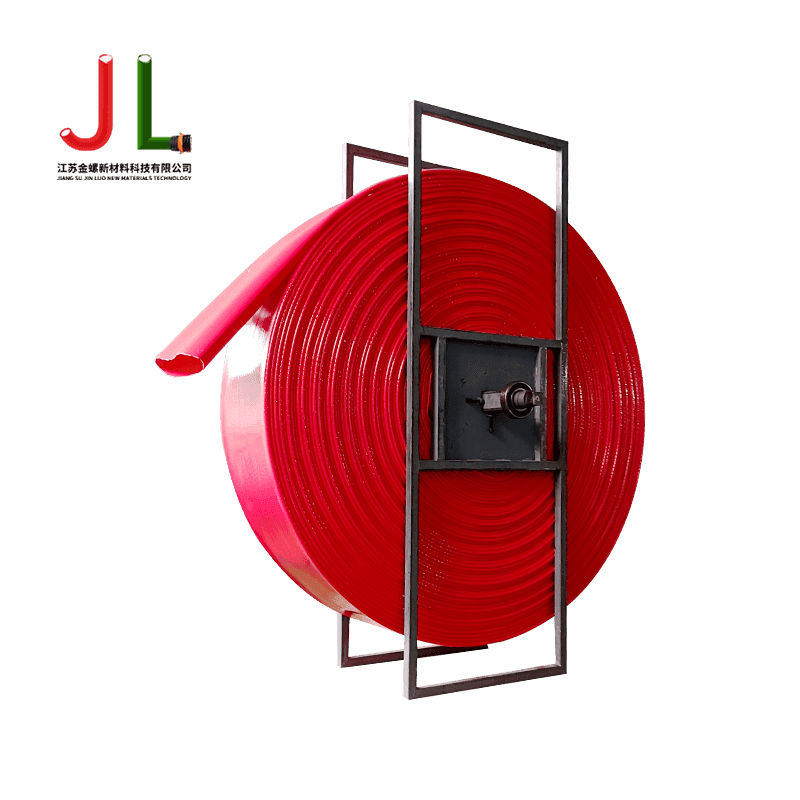
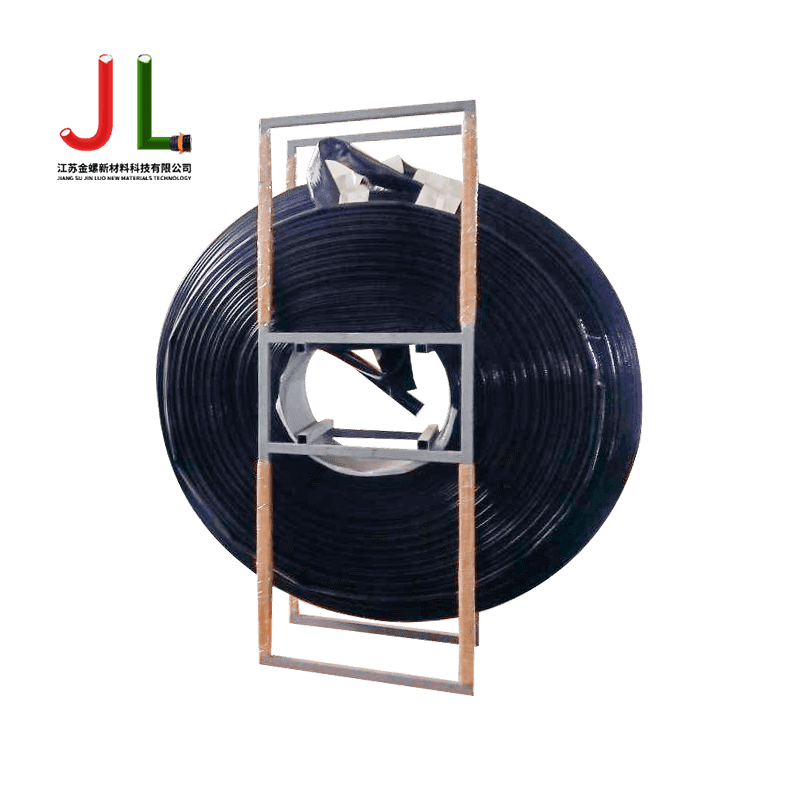
A flexible PU hose is a tubing solution manufactured from polyurethane, a versatile polymer known for its remarkable durability and flexibility. These hoses are engineered to handle a wide range of media, from water and air to certain oils and chemicals, making them indispensable across various sectors. Their construction typically involves a seamless inner core that ensures smooth flow, reinforced layers for pressure resistance, and an external cover that protects against abrasion and environmental factors.
The versatility of flexible PU hoses is demonstrated by their widespread use. Understanding where they excel helps in making an informed selection.
In the energy sector, reliability is non-negotiable. Flexible PU hoses are crucial for fracturing water supply in oil fields, where they must withstand high pressures, abrasive slurries, and harsh outdoor conditions. Their resistance to kinking and crushing ensures uninterrupted water and chemical delivery to well sites.
Modern farming relies on efficient water management. The best flexible PU hose for garden irrigation combines flexibility with durability, allowing for easy movement across fields without damage from sunlight (UV radiation) or dragging over rough terrain. Their smooth bore minimizes pressure loss over long distances.
Factories and workshops use these hoses for pneumatic tools, dust collection, and granular material transfer. Their lightweight nature reduces operator fatigue, while their abrasion resistance protects against damage from sharp particulates.
For drinking water delivery with flexible PU hose, specific food-grade formulations are used. These hoses are tasteless, odorless, and comply with stringent health standards. Similarly, their quick-deployment capability makes them ideal for remote water supply for fire engines, enabling firefighters to establish long water relay lines from distant sources.
On construction sites, these hoses are used for dewatering pits, transferring water, and powering pneumatic equipment. Their toughness resists damage from rocks, debris, and constant repositioning.
Not all flexible PU hoses are created equal. Selection depends on pressure ratings, media compatibility, temperature range, and reinforcement. The following comparison highlights key considerations.
When selecting a hose, consider the working pressure versus burst pressure, the type of reinforcement (like textile braid or steel wire), and the specific compound of PU used. For instance, a hose designed for oil and gas petroleum transport hose will have a different reinforcement and chemical resistance profile than one designed for garden use.
| Selection Factor | High-Pressure Industrial Hose | Standard General-Purpose PU Hose |
| Primary Application | Fracturing, high-pressure washdown, hydraulic lines. | General pneumatic, water transfer, light irrigation. |
| Reinforcement | High-tensile synthetic or steel wire braid for maximum burst pressure. | Textile or light synthetic fiber braid. |
| Pressure Rating | Very High (e.g., 3000 PSI and above). | Medium to High (e.g., 150-1000 PSI). |
| Weight & Flexibility | Heavier, with good flexibility but stiffer than standard. | Lighter and highly flexible for easy handling. |
| Cost Consideration | Higher, due to advanced materials and construction. | More cost-effective for everyday applications. |
Why choose a PU hose over rubber, PVC, or nylon? The benefits are clear when performance is analyzed.
Proper handling ensures you get the maximum service life from your hose.
With an annual production capacity of 400,000 meters, Jiangsu Jinluo New Material Technology Co., Ltd. specializes in manufacturing polyurethane flat hoses and flexible PU hoses for demanding applications. Our commitment is reflected in:
The primary advantages are superior abrasion resistance, lighter weight, and better resistance to weathering, ozone, and many oils. Flexible PU hoses also tend to have a smoother inner bore for better flow characteristics.
No. You must use a hose specifically certified as food-grade or potable water safe. These hoses are manufactured with compounds that prevent leaching and maintain water taste and safety, crucial for reliable drinking water delivery with flexible PU hose.
For fracturing water supply in oil fields or oil and gas petroleum transport, choose a hose with a high-pressure rating (check both working and burst pressure), reinforced with steel wire or high-tensile synthetics, and confirmed chemical compatibility with the fluids being transported.
While many PU hoses have good UV and weather resistance, for permanent outdoor use, select a hose with specific UV-stabilized compounds. Even then, some degradation over many years is possible, so periodic inspection is essential.
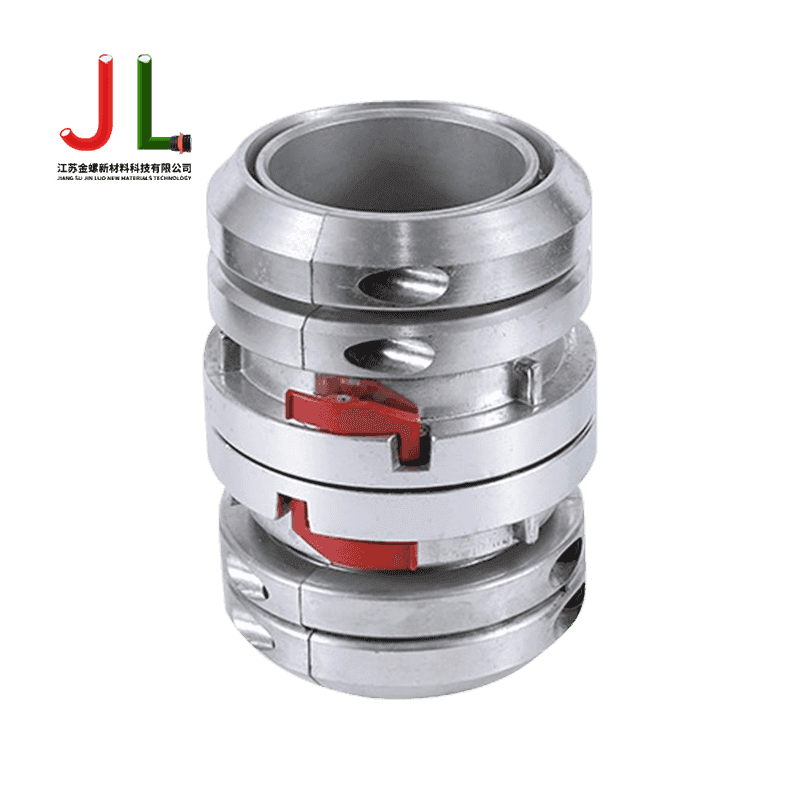
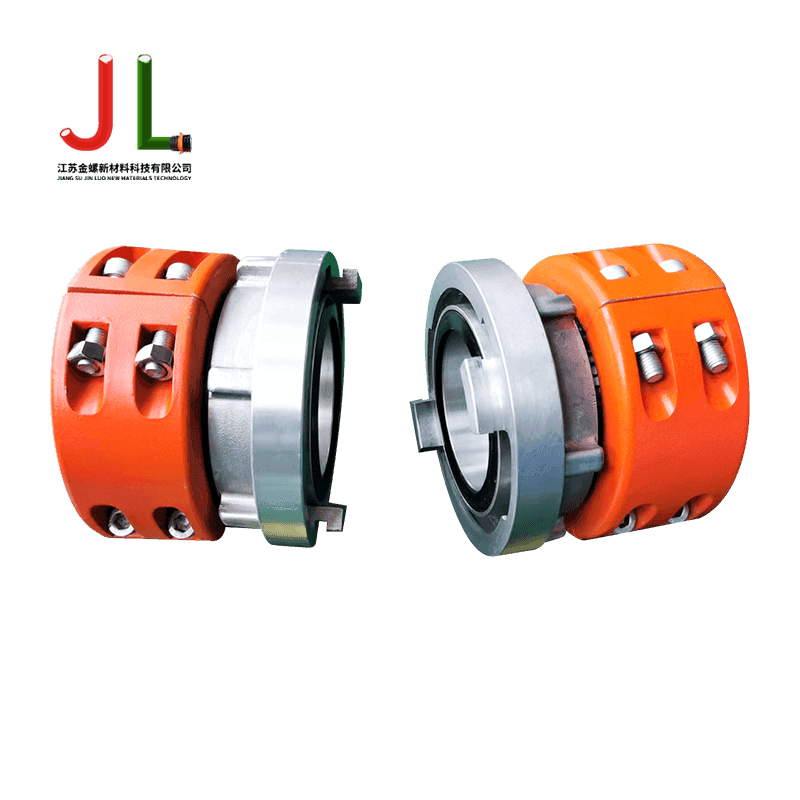
For remote water supply for fire engines, key features include high burst strength to handle pump pressure, lightweight design for rapid deployment over long distances, flexibility to navigate around obstacles, and couplings that allow for quick and secure connections.
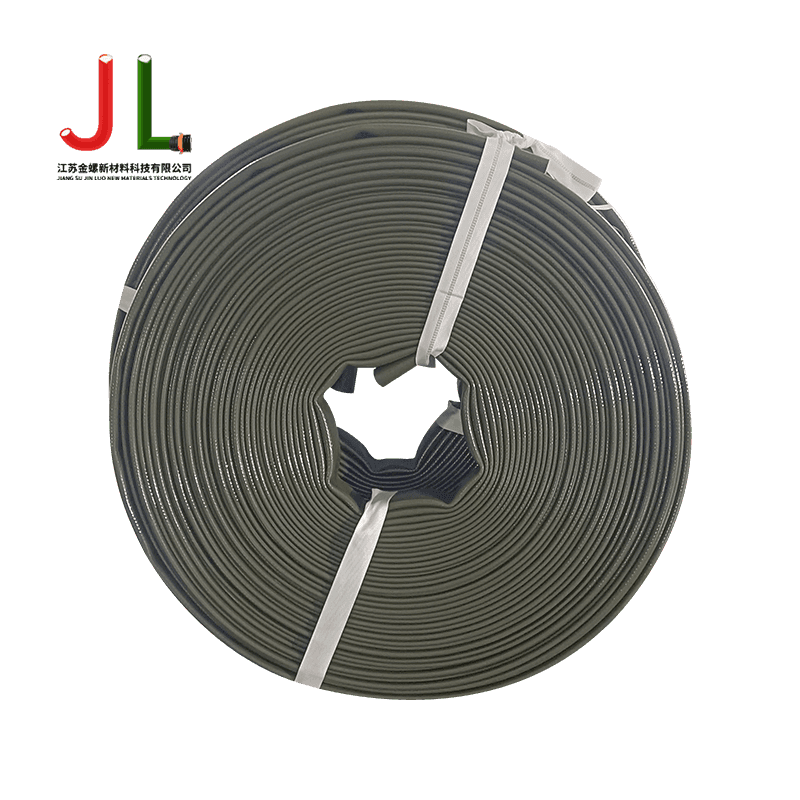
The flexible PU hose is a cornerstone of modern fluid transfer technology, offering an unmatched combination of durability, flexibility, and versatility. Whether your need is for critical industrial processes like fracturing water supply in oil fields or for essential tasks like finding the best flexible PU hose for garden irrigation, understanding its properties and applications is key. By partnering with a certified and innovative manufacturer like Jiangsu Jinluo New Material Technology Co., Ltd., you ensure access to reliable, high-performance hose solutions backed by robust quality assurance and technical support.
[1] Pych, W., & Lipinski, T. (2018). *Abrasion Resistance of Selected Polyurethane Elastomers*. Journal of Materials Engineering and Performance. (This source supports the statement on the superior abrasion resistance of polyurethane materials.)
[2] Smith, L. R., & Diaz, A. F. (2020). *Environmental Degradation of Polymers: A Comparative Study of Rubber and Polyurethane*. Polymer Degradation and Stability Journal. (This source provides comparative data on the weathering and ozone resistance of PU versus rubber.)

Request for a call today