


 English
 عربى
عربى
Oilfield Water Transfer Hose: Frac Hose & High Pressure Guide
Content
- 1 Water Transfer Hose for Oilfield Operations
- 2 Why Polyurethane Water Transfer Hose Has Become the Standard
- 3 Hydraulic Fracturing Hose and Frac Hose Pressure Demands
- 4 High Pressure Oilfield Hose: Matching Ratings to the Job
- 5 Industrial Hoses for Oil and Gas: Beyond Water Transfer
- 6 Drilling Hose Applications
- 7 Oilfield Hose Selection Guide
Water Transfer Hose for Oilfield Operations
Oilfield water transfer hose exists to solve a very specific problem: moving large volumes of water quickly across terrain that has no fixed pipeline infrastructure, and then packing that hose up and moving it again once the job site shifts. This is why oilfield water transfer hose looks so different from the rigid pipe used in permanent installations — it needs to fold flat, load onto a truck or reel, and be redeployed within hours rather than days.
In practice, this hose category covers several distinct uses within a single oilfield project: moving fresh water to a well pad ahead of a frac job, transferring produced or flowback water to storage or disposal, and providing temporary supply lines between water sources and mixing equipment. Each of these uses has slightly different pressure and volume requirements, but they share the same underlying demand for a hose that can be laid fast, hold up to rough ground, and be recovered without damage for reuse on the next pad.
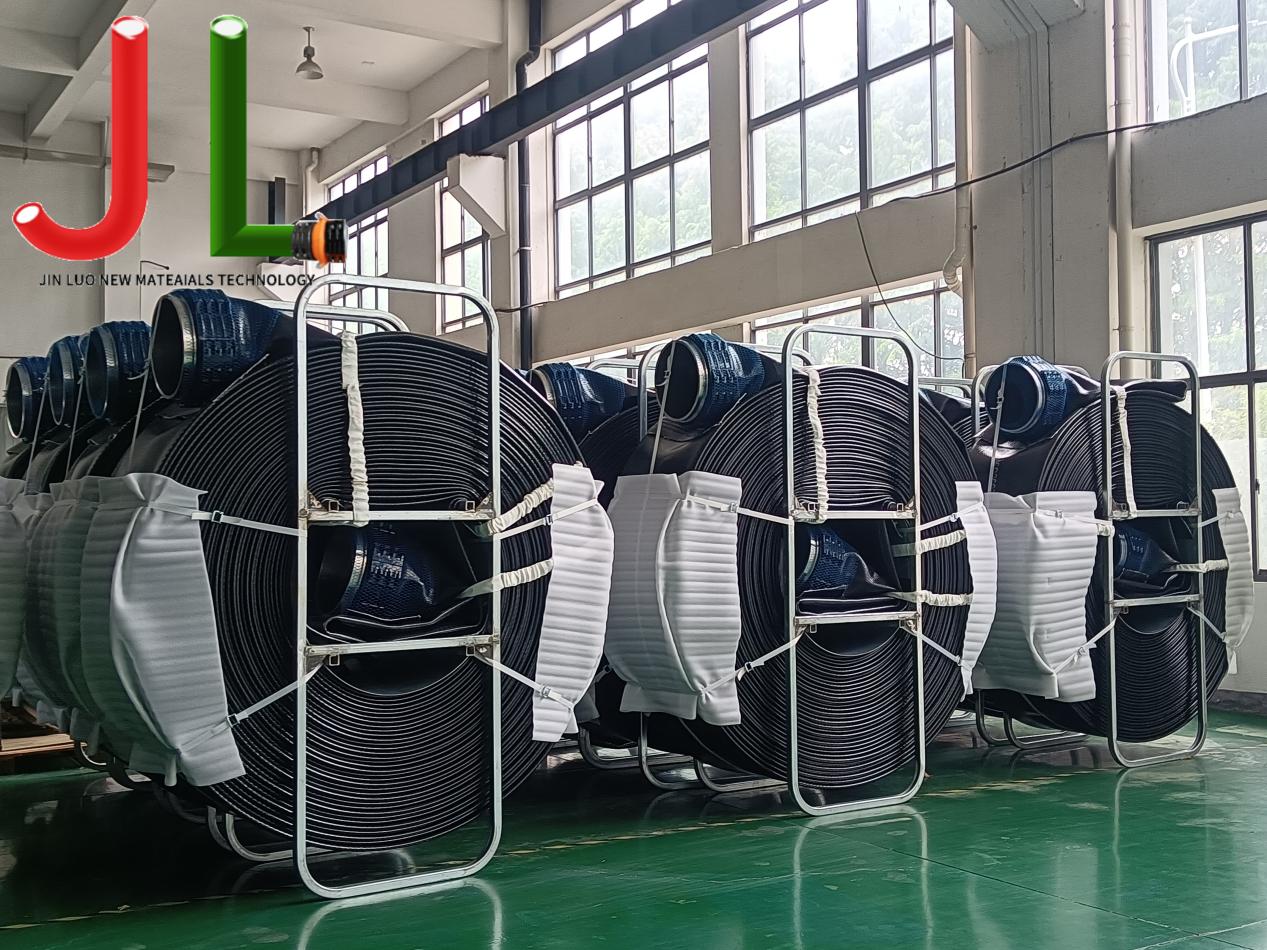
Why Polyurethane Water Transfer Hose Has Become the Standard
Polyurethane water transfer hose has largely displaced older rubber and PVC-based hose in oilfield applications because TPU (thermoplastic polyurethane) offers a combination of properties that's hard to match: high tensile strength relative to weight, strong resistance to abrasion from sand and gravel well-pad surfaces, and stable performance across the temperature swings common in oilfield regions, from summer heat to winter freeze conditions.
A typical polyurethane oilfield hose is built with a co-extruded construction: an inner TPU liner in contact with the fluid, a woven reinforcement layer (usually high-tenacity polyester) that carries the pressure load, and an outer TPU cover that takes the abrasion from dragging across the pad. This layered structure is what allows the hose to fold completely flat for transport and storage, then round out to full bore once the pump is running. Compared to steel pipe or rigid poly pipe, a polyurethane hose of equivalent diameter can be loaded, unloaded, and laid out by a smaller crew in a fraction of the time.
Hydraulic Fracturing Hose and Frac Hose Pressure Demands
Hydraulic fracturing hose sits at the more demanding end of the oilfield hose category. While the low-pressure water transfer lines feeding a frac pad are usually rated in the range of most standard layflat hose, the frac hose used closer to the pump and wellhead can be exposed to much higher, and more rapidly cycling, pressure — a factor that matters as much as the peak number itself, since repeated pressure cycling fatigues reinforcement layers faster than steady-state pressure does.
Because of this cycling behavior, frac hose specifications typically list both a working pressure and a separate fatigue or cycle-life rating, and buyers evaluating suppliers should ask about both rather than working pressure alone. Reinforcement quality — fiber type, weave density, and how well the reinforcement layer bonds to the inner and outer TPU layers during co-extrusion — has a direct effect on how many pressure cycles a hose can withstand before performance degrades.
- Working pressure: the pressure the hose is rated to handle continuously during normal operation.
- Burst pressure: the failure threshold, typically several times the working pressure as a safety margin.
- Cycle fatigue rating: how the hose performs under repeated pressurization and depressurization, which is especially relevant for frac and pump-adjacent hose sections.
High Pressure Oilfield Hose: Matching Ratings to the Job
Not every hose on an oilfield site needs to be rated for maximum pressure, and specifying high pressure oilfield hose where a standard-pressure water transfer line would do simply adds unnecessary cost and weight. The practical approach is to map out the pressure zone of the site — from low-pressure fresh water supply lines, through mid-pressure transfer sections, to the high-pressure lines closest to pumping equipment — and select hose diameter and pressure rating for each zone separately.
| Site Zone | Typical Role | General Pressure Priority |
|---|---|---|
| Source-to-pad supply | Bulk fresh water transfer over distance | Standard working pressure, high flow volume |
| On-pad distribution | Routing water between tanks and equipment | Moderate pressure, high abrasion resistance |
| Pump-adjacent / frac lines | Direct supply near pumping equipment | High pressure and cycle fatigue resistance |
Overspecifying every line on site to the highest pressure rating available isn't a shortcut to safety — it usually just means heavier, more expensive hose in sections where it isn't needed, while the actual weak point of a system is often the coupling or connection rather than the hose body itself.
Industrial Hoses for Oil and Gas: Beyond Water Transfer
Industrial hoses for oil and gas cover a broader set of tasks than water transfer alone, even though water handling is usually the highest-volume application by length of hose deployed. Oil and gas hose applications on a typical site can include produced water handling, temporary fuel transfer for site generators and equipment, mud and slurry transfer during drilling operations, and dewatering of low-lying areas around a pad during wet weather.
Each of these uses places different demands on the inner liner in particular, since chemical compatibility between the fluid being handled and the liner material is what determines service life more than pressure rating alone. A liner suited to fresh water transfer isn't automatically suited to handling produced water with higher salinity or trace hydrocarbons, so it's worth confirming fluid compatibility with a supplier before assuming one hose specification will serve every role on site.
Drilling Hose Applications
Drilling hose applications differ from the water transfer and fracturing categories in that the hose is often handling water used to support active drilling operations rather than fracturing fluid under high cyclic pressure — think rig water supply, dust suppression, and temporary drainage around the drill site. Volume and continuous flow reliability tend to matter more here than peak pressure rating, since an interruption in rig water supply can delay drilling operations directly.
Because drilling sites are frequently relocated as pads are developed sequentially, hose weight and ease of redeployment carry particular weight in the selection decision. A polyurethane layflat hose that a small crew can load, transport, and re-lay within a shift has a real operational advantage over heavier rubber or rigid pipe alternatives in this specific role, even where the pressure requirements themselves are relatively modest.
Oilfield Hose Selection Guide
Selecting the right hose for an oilfield application comes down to a short list of questions, worked through in order rather than starting from diameter or price.
- What fluid is being handled, and does the inner liner have confirmed chemical compatibility with it — fresh water, produced water, and drilling fluid each place different demands on the liner.
- What is the actual working pressure of the zone this hose section will serve, and does it need to withstand repeated pressure cycling as with frac-adjacent lines, or steady-state flow as with water transfer.
- What ground conditions will the hose be dragged or laid across, and does the outer cover need extra abrasion resistance as a result.
- How often will the hose be relocated, and does weight and reel-compatibility matter more than it would for a semi-permanent line.
- What diameter delivers the required flow rate without oversizing the line and adding unnecessary weight and cost.
Jinluo manufactures polyurethane layflat hose across this range of oilfield roles, from fresh water transfer to fracturing water supply, with calibers from 2 to 16 inches and customizable lengths for different site layouts. Working through fluid type, pressure zone, and ground conditions before finalizing an order is generally a more reliable path to the right specification than defaulting to the highest-rated hose available, and most suppliers, Jinluo included, can advise on which combination of reinforcement and cover material fits a specific site's conditions.
Related Products
-

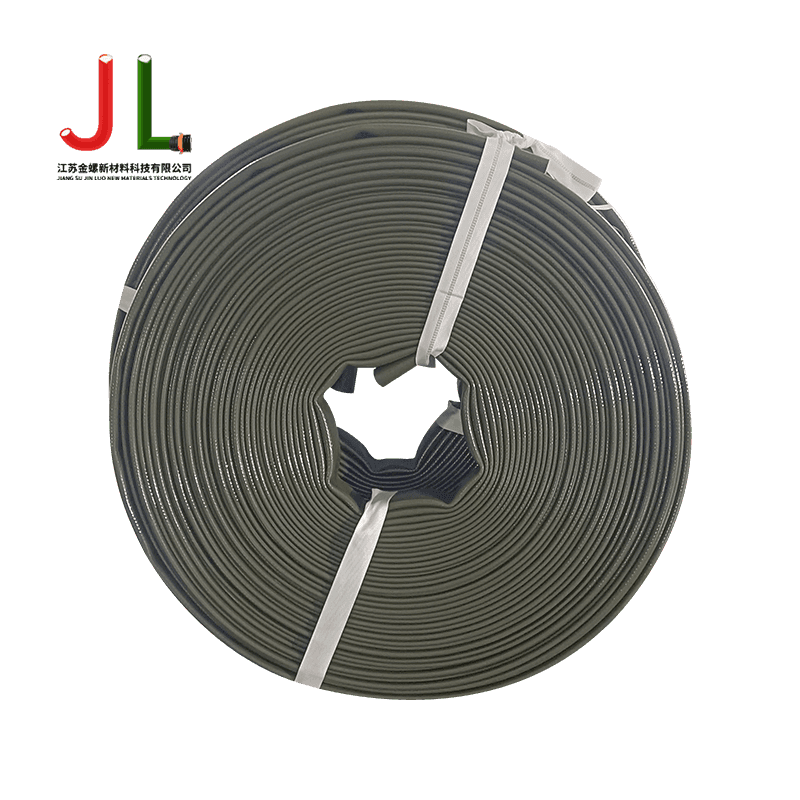
Jinluo Hose TPU Fracking Layflat Hose – Flexible Polyurethane Fracturing Water Supply Hose for Oilfield Applications
-
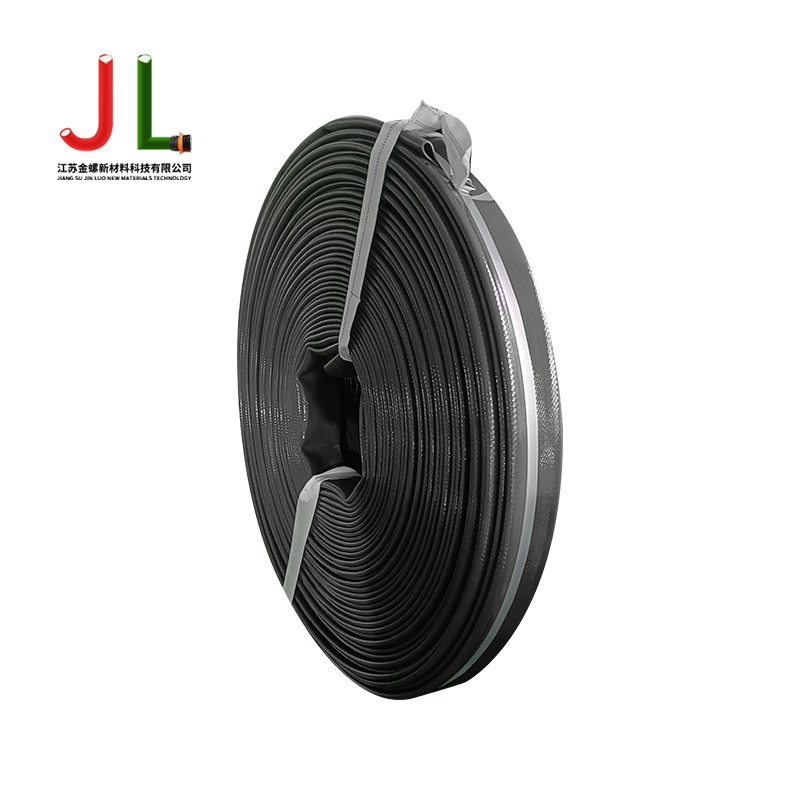
Jinluo Hose Polyurethane Fracturing Water Supply Hose
-
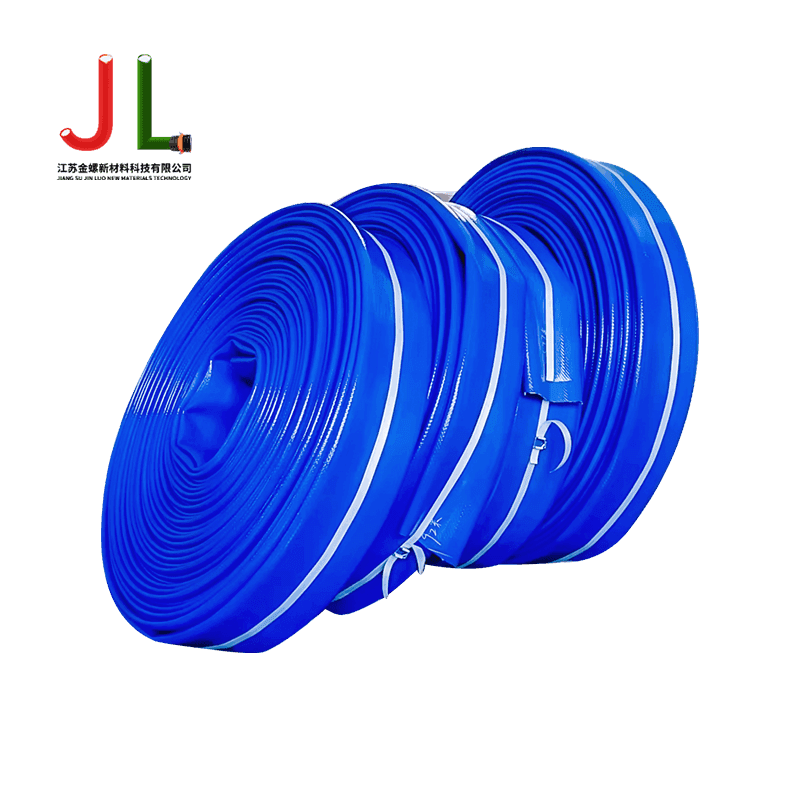
Jinluo Hose Polyurethane Slurry Hose – Reinforced Underground Mining Hose for Efficient Water and Slurry Discharge
-
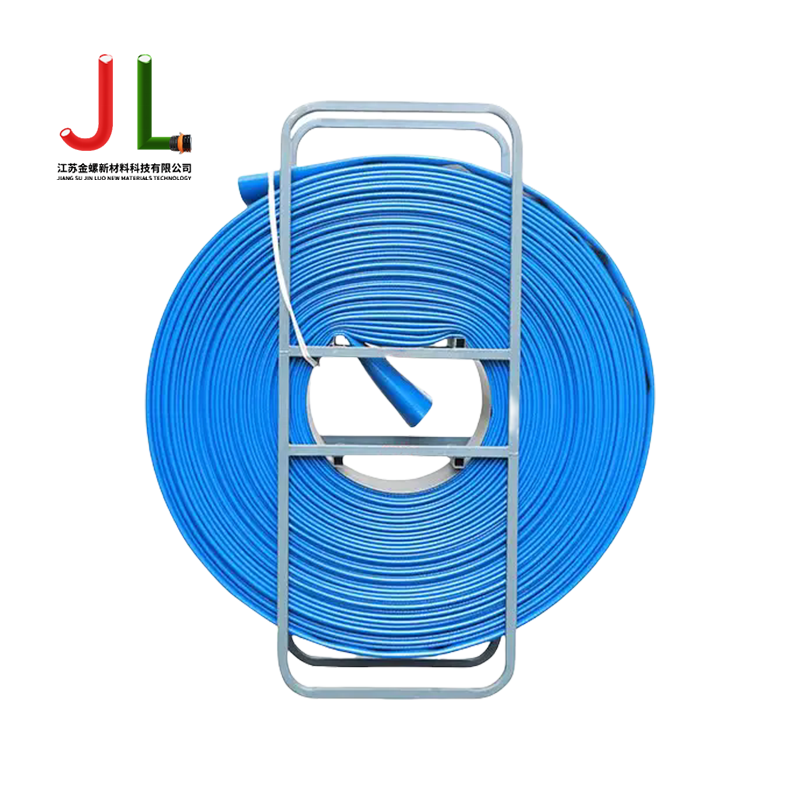
Jinluo Hose TPU frac water hose
-
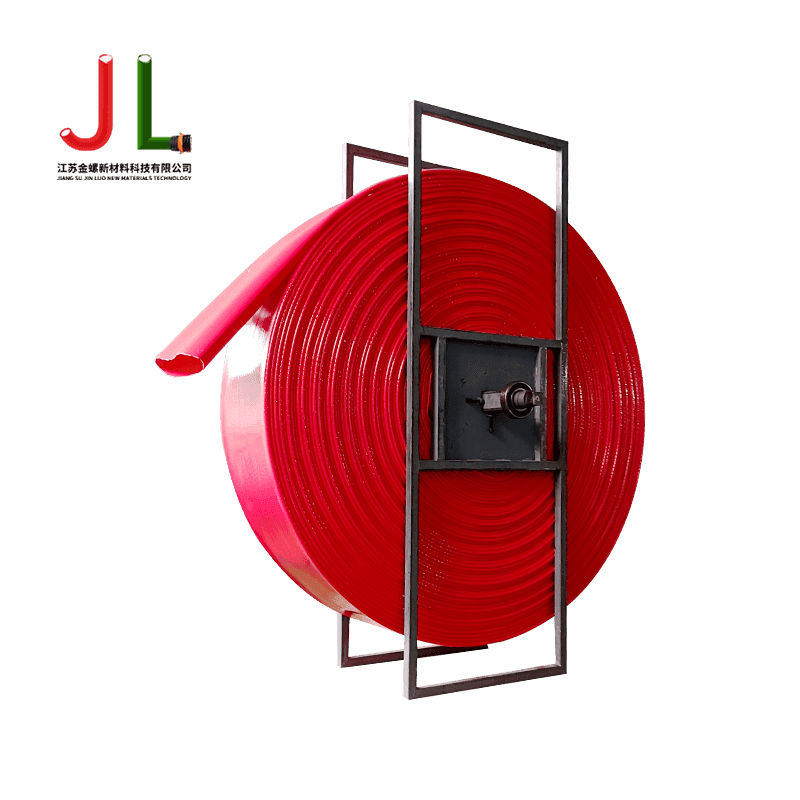
TPU Concrete Pouring Hose (Concrete Pumping Hose / Concrete Delivery Hose)
-
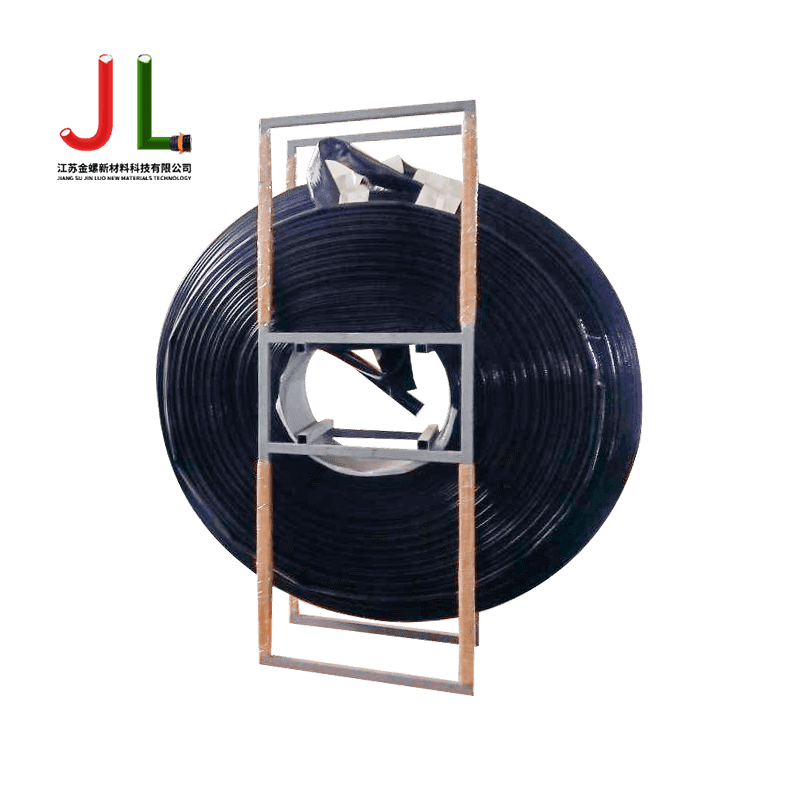
Jinluo Dual-Sided Polyurethane Trenchless Pipe Liner – Advanced Polyurethane Lining Hose for Trenchless Pipe Repair
-
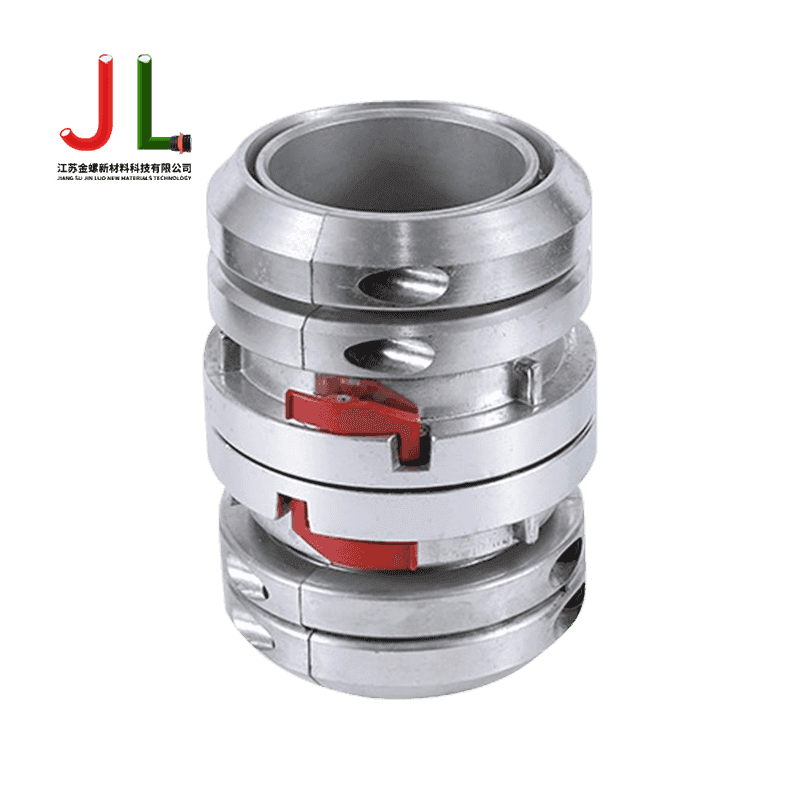
316 Stainless Steel Multi-Lug Quick Connect Couplings – Robust Stainless Steel Couplings for Quick Connections
-
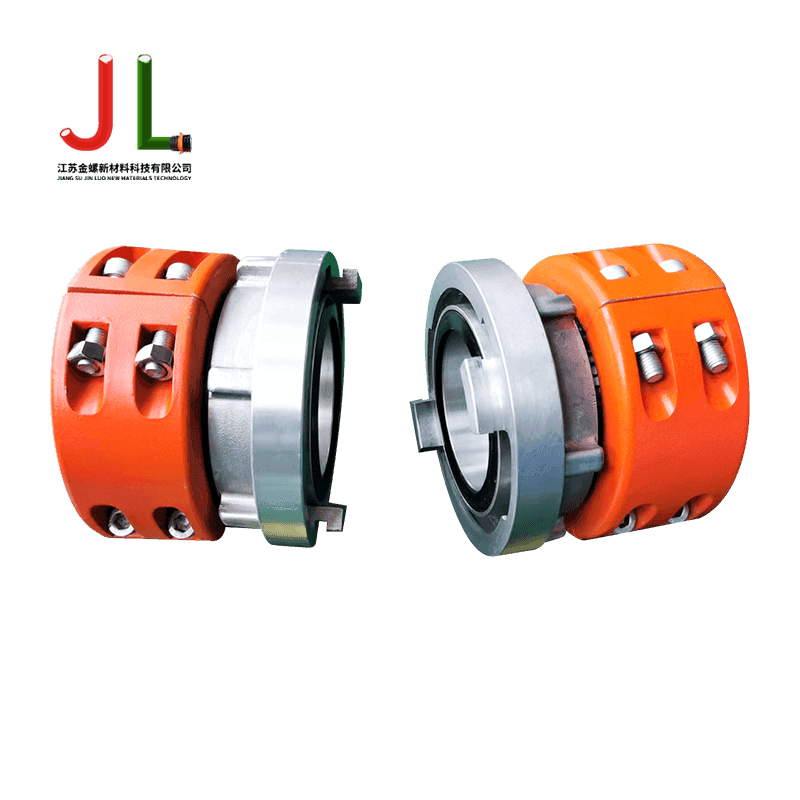
LDHC S Large Diameter Hose Coupling (Storz Type) – High-Performance Storz Type Coupling for Large Diameter Hose Connections
-
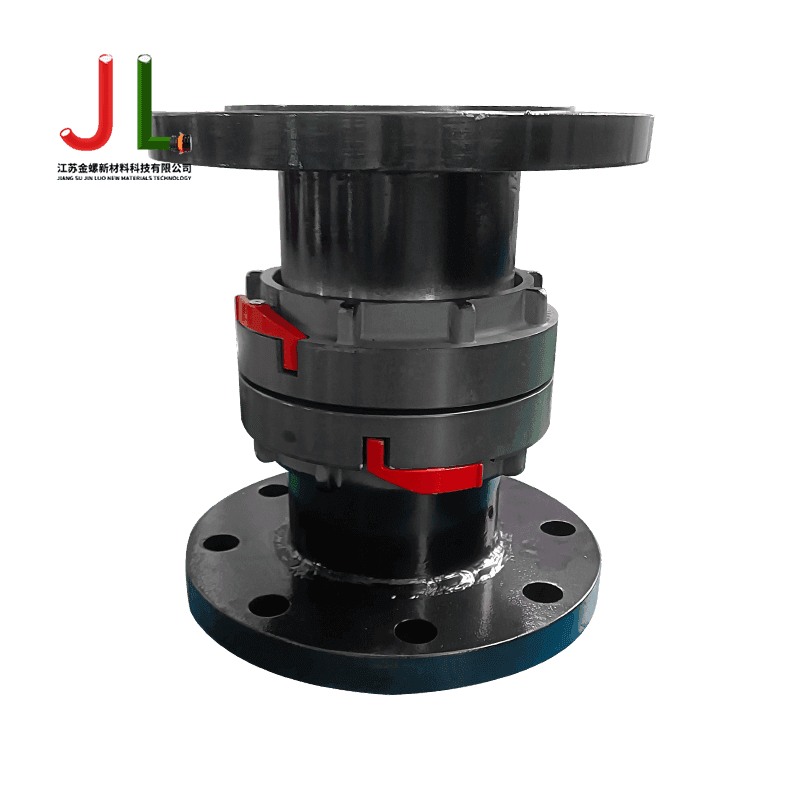
LDHC Large Diameter Hose Flange Coupling | High Pressure Sealing Carbon Steel / Stainless Steel Flange Connector for Petrochemical
Looking For Bussiness Opportunity?
Request for a call today

- Tel: +86-13801432164
- E-mail: [email protected]
- Address: No. 2 Workshop, East Zone, Photovoltaic Technology Industrial Park, No. 109 Yaojia Road, Jiulong Town, Hailing District, Taizhou City, Jiangsu Province, China
