


 English
 عربى
عربى
TPU Hose Guide: Pressure, Applications & PVC Comparison
Content
- 1 TPU Hose vs PVC Hose: What Actually Sets Them Apart
- 2 High Pressure TPU Hose and TPU Hose Working Pressure
- 3 TPU Lay Flat Hose Construction: Why the Flat-Folding Design Matters
- 4 TPU Hose Applications Across Industries
- 5 Food Grade TPU Hose and Abrasion Resistant TPU Hose
- 6 Can TPU Hose Be Used Outdoors?
- 7 How to Choose the Right TPU Hose
TPU Hose vs PVC Hose: What Actually Sets Them Apart
The short answer is that TPU (thermoplastic polyurethane) hose outperforms PVC hose in almost every category that matters for demanding fluid transfer work — tensile strength, abrasion resistance, low-temperature flexibility, and service life — while PVC remains the lower-cost option for light-duty, short-term jobs where budget outweighs durability.
PVC hose is built from a rigid polymer plasticized to achieve flexibility, which means the material tends to stiffen in cold weather and crack under repeated flexing or UV exposure over time. TPU, by contrast, is an elastomer at the molecular level. It retains flexibility across a much wider temperature range, resists tearing when dragged over rocks or gravel, and does not become brittle after months of outdoor storage the way many PVC products do. This is why TPU lay flat hose has steadily replaced PVC in oilfield water transfer, mining dewatering, and agricultural irrigation, where hoses are dragged, rolled, and unrolled thousands of times over a working life.
Weight is another practical difference. A TPU layflat hose of a given diameter typically weighs 30-40% less than an equivalent rubber hose and noticeably less than a PVC hose reinforced to the same burst pressure, since TPU's tensile strength allows manufacturers to use thinner reinforcement layers without sacrificing pressure rating. For crews laying hundreds of meters of hose by hand, that weight difference translates directly into labor savings.
| Property | TPU Hose | PVC Hose |
|---|---|---|
| Abrasion resistance | High | Moderate |
| Cold weather flexibility | Good down to roughly -40°C | Stiffens below 0°C |
| Typical service life | Several years of repeated field use | Shorter, especially outdoors |
| Weight per meter | Lower | Moderate to high |
| Upfront cost | Higher | Lower |
High Pressure TPU Hose and TPU Hose Working Pressure
TPU hose working pressure depends primarily on three factors: the reinforcement layer, the wall construction, and the hose diameter. Most standard TPU layflat hose is co-extruded with an inner TPU liner, a woven polyester or nylon reinforcement layer, and an outer TPU cover, and this three-layer structure is what allows a lightweight, flat-folding hose to still carry meaningful working pressure without bursting or delaminating under load.
As a general guide, smaller-diameter TPU hoses (2-4 inch) used for spraying and irrigation commonly operate in the 6-10 bar working pressure range, while larger-diameter high pressure TPU hose built for oilfield water transfer, fracturing water supply, or fire truck remote water supply can be engineered with reinforcement layers rated well above that, with burst pressure several times the rated working pressure as a safety margin. Manufacturers typically publish both a working pressure and a burst pressure figure, and buyers should size their hose to the working pressure of the pump or system, not the burst figure, since burst pressure is a safety limit rather than an operating target.
- Diameter: larger-diameter hose generally carries a lower working pressure rating for the same wall construction, since hoop stress increases with diameter.
- Reinforcement density: a tighter weave or additional reinforcement layer raises the pressure rating but adds weight and reduces flexibility slightly.
- Temperature: working pressure ratings are usually specified at ambient temperature and should be de-rated for hot fluids or high ambient heat.
- Coupling type: the pressure rating of the hose assembly is only as strong as its weakest point, so couplings and crimped fittings need to match the hose's rated pressure.
For fracturing water supply, mine dewatering, and other high-pressure oilfield tasks, it's worth asking any supplier for tested burst pressure data rather than relying on catalog averages, since actual performance can vary meaningfully between manufacturing processes.
TPU Lay Flat Hose Construction: Why the Flat-Folding Design Matters
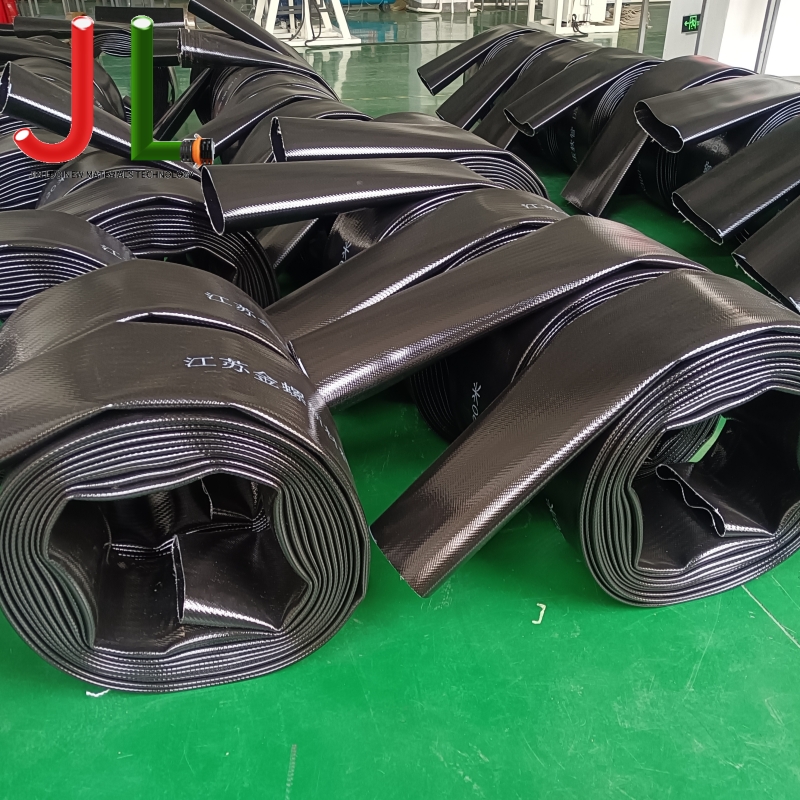
A TPU lay flat hose is designed to collapse flat when empty and round out to a full circular cross-section once pressurized. This isn't just a convenience feature — it directly affects transport cost, storage space, and how quickly a crew can deploy or recover hose in the field.
Because a flat-folding hose takes up a fraction of the volume of a rigid pipe or a round rubber hose of the same length, a single truckload can carry far more linear meters of TPU layflat hose than the equivalent hard pipe, which matters for remote sites where re-supply is slow or expensive. The hose can also be spooled onto reels for mechanized deployment, which is common in trenchless pipeline rehabilitation and long-distance agricultural drag hose applications where hundreds of meters need to be laid and retrieved in a single shift.
The trade-off is that a good lay flat design depends heavily on manufacturing consistency. Uneven extrusion or a poorly bonded reinforcement layer can cause a hose to develop a permanent "memory" crease or to twist under pressure instead of laying straight. This is one of the reasons the co-extrusion process — where the inner liner, reinforcement, and outer cover are bonded in a single continuous pass rather than assembled in separate steps — has become the preferred method for producing reliable large-diameter TPU hose.
TPU Hose Applications Across Industries
TPU hose applications span a wider range of industries than most buyers initially expect, largely because the same core properties — light weight, high tensile strength, and resistance to abrasion and chemicals — are useful in very different operating environments.
- Oil and gas: temporary water transfer for fracturing operations, produced water handling, and remote well-site supply.
- Mining: dewatering of pits and underground workings, slurry transfer, and ventilation ducting.
- Agriculture: irrigation, fertigation drag hose systems, and seasonal water transfer for large fields.
- Fire and emergency response: fire truck remote water supply and rapid deployment during disaster relief, where fast laying and light weight are critical.
- Municipal and construction: trenchless pipeline rehabilitation, dewatering of excavation sites, and temporary bypass water supply during pipe repairs.
- Forestry: portable water relay systems for firefighting and site management in areas without fixed infrastructure.
Jiangsu Jinluo New Material Technology Co., Ltd. produces TPU layflat hose across most of these categories, from oilfield fracturing hose to agricultural drag hose and trenchless rehabilitation hose, with calibers generally ranging from 2 to 16 inches and customizable lengths depending on the application.
Food Grade TPU Hose and Abrasion Resistant TPU Hose
Food grade TPU hose is manufactured using polyurethane formulations that are free of the plasticizers and additives that raise contamination concerns, and it's typically specified for drinking water delivery, potable water transfer at remote sites, and short-term food or beverage fluid handling. Buyers sourcing food grade hose should confirm that the specific formulation used for the inner liner — not just the hose in general — carries relevant food-contact certification, since a hose's outer cover and inner liner are not always made from the same grade of material.
Abrasion resistant TPU hose is the more common concern for the majority of industrial buyers, since most TPU hose failures in the field come from surface wear rather than pressure failure — dragging over rock, sand, or concrete gradually thins the outer cover until the reinforcement layer is exposed. Abrasion resistance in TPU hose comes primarily from the hardness and thickness of the outer cover layer, and manufacturers can adjust the polyurethane formulation to trade off some flexibility for a harder, more wear-resistant surface where a hose will be dragged repeatedly over rough terrain, such as in mining dewatering or oilfield applications.
Can TPU Hose Be Used Outdoors?
Yes — TPU hose is generally well suited to outdoor use, and this is one of its main advantages over PVC. Quality TPU formulations resist UV degradation better than standard PVC, hold their flexibility across a wide temperature range (commonly cited from around -40°C to 70°C for industrial-grade hose), and don't absorb moisture in a way that would promote mildew or internal degradation during long-term outdoor storage.
That said, "can be used outdoors" and "should be left exposed indefinitely without any care" are different questions. Even UV-stabilized TPU hose benefits from being coiled or spooled rather than left kinked in direct sun for months at a time, and hose stored near chemicals, fuel, or extreme heat sources should be checked periodically for surface changes. For genuinely long-term fixed outdoor installations — as opposed to seasonal or temporary deployment — some buyers still prefer permanently installed pipe, reserving TPU layflat hose for the portable, rapidly deployed sections of a system where its flexibility and light weight are the deciding factors.
How to Choose the Right TPU Hose
Choosing the right TPU hose comes down to matching four specifications to the actual job, rather than defaulting to the largest or highest-rated hose available.
- Working pressure: identify the maximum pressure your pump or system will generate, then select a hose with a working pressure rating comfortably above that figure, not just equal to it.
- Diameter and flow rate: undersizing diameter to save cost often costs more in the long run through pump strain and reduced flow efficiency over long hose runs.
- Surface conditions: hose that will be dragged over rock, sand, or concrete needs a more abrasion resistant TPU hose cover than hose used on a smooth prepared surface.
- Fluid compatibility: drinking water, fertilizer, crude oil, and slurry each interact differently with the inner liner, so confirming chemical compatibility with the supplier avoids premature liner degradation.
It's also worth asking a supplier directly about caliber range and customization options, since a hose built for one job — say, agricultural irrigation — is not automatically the right specification for oilfield or mining use even if the diameter looks similar on paper. As a manufacturer working across oil and gas, mining, agricultural, and municipal hose applications, Jinluo generally recommends reviewing both the working pressure and the reinforcement type together with the intended terrain before finalizing a specification, since these two factors interact more than buyers often expect.
Related Products
-

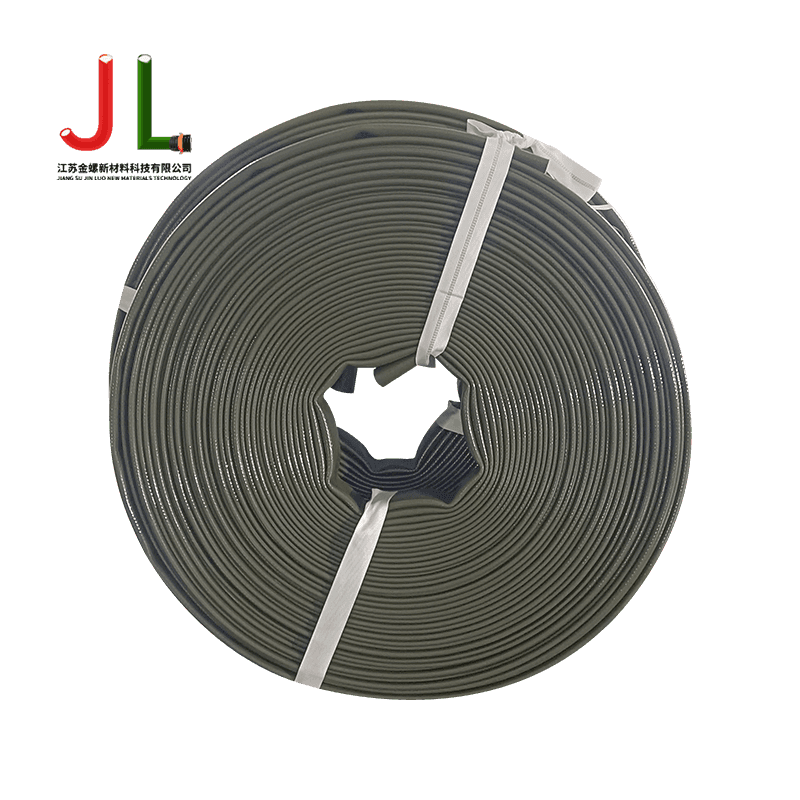
Jinluo Hose TPU Fracking Layflat Hose – Flexible Polyurethane Fracturing Water Supply Hose for Oilfield Applications
-
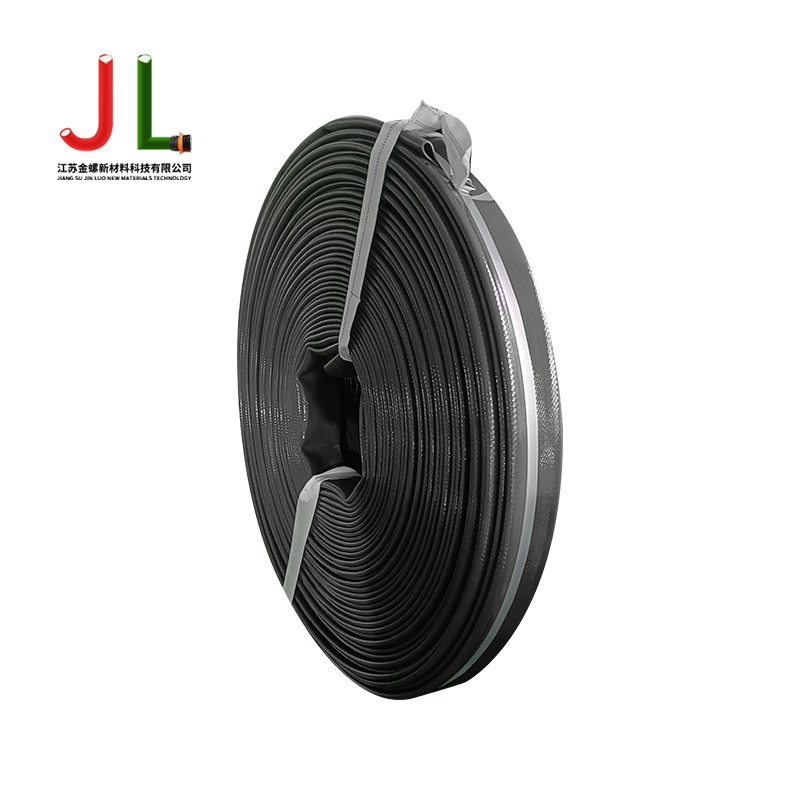
Jinluo Hose Polyurethane Fracturing Water Supply Hose
-
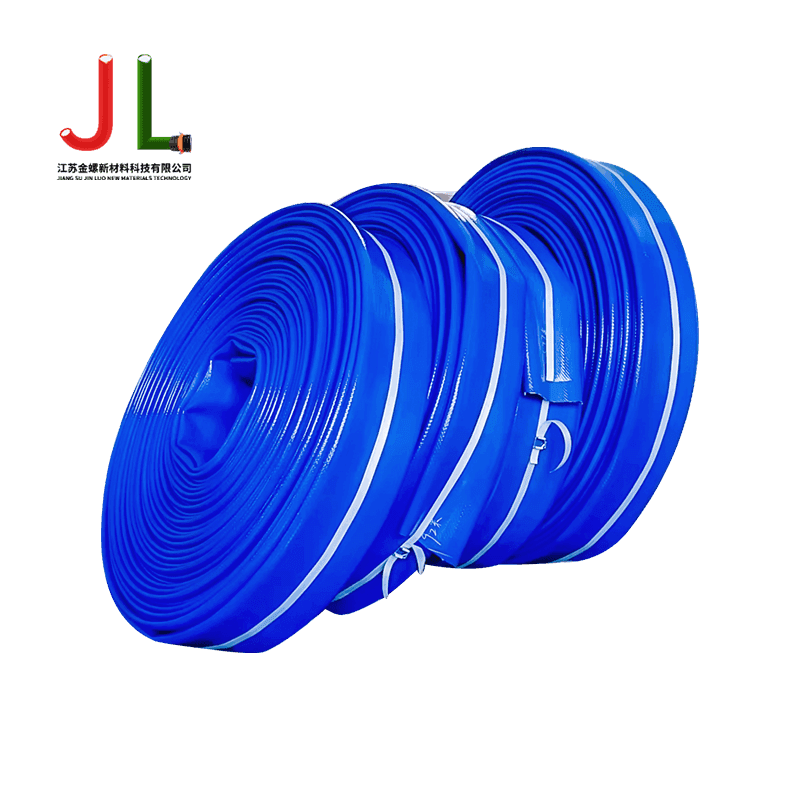
Jinluo Hose Polyurethane Slurry Hose – Reinforced Underground Mining Hose for Efficient Water and Slurry Discharge
-
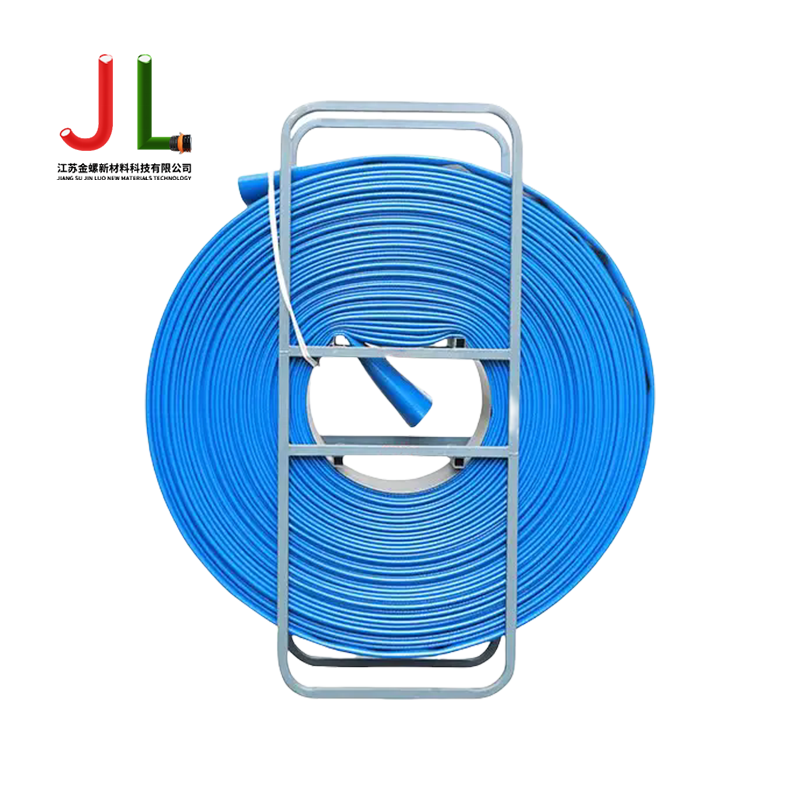
Jinluo Hose TPU frac water hose
-
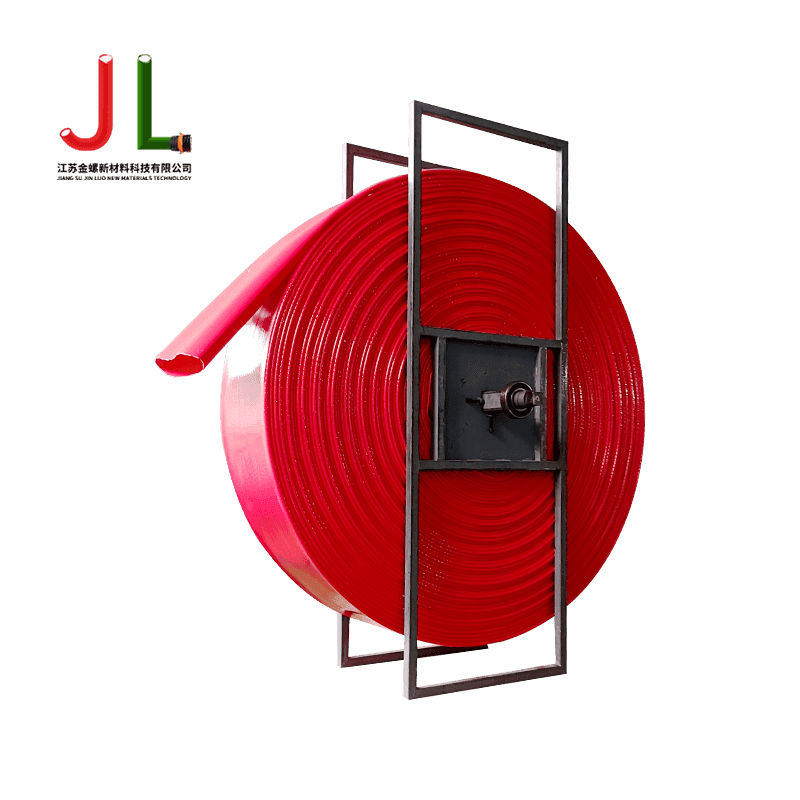
TPU Concrete Pouring Hose (Concrete Pumping Hose / Concrete Delivery Hose)
-
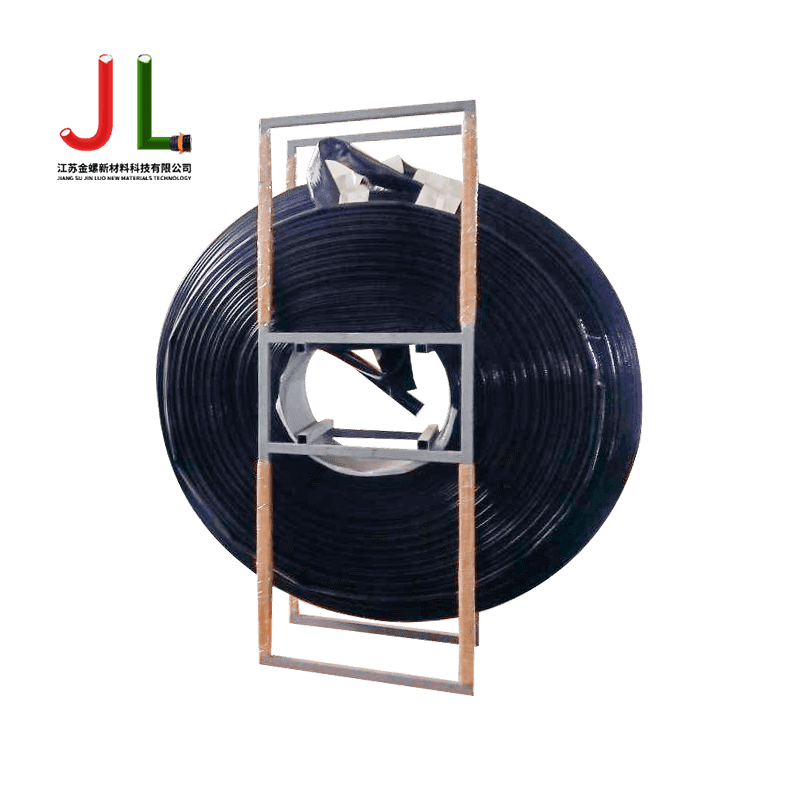
Jinluo Dual-Sided Polyurethane Trenchless Pipe Liner – Advanced Polyurethane Lining Hose for Trenchless Pipe Repair
-
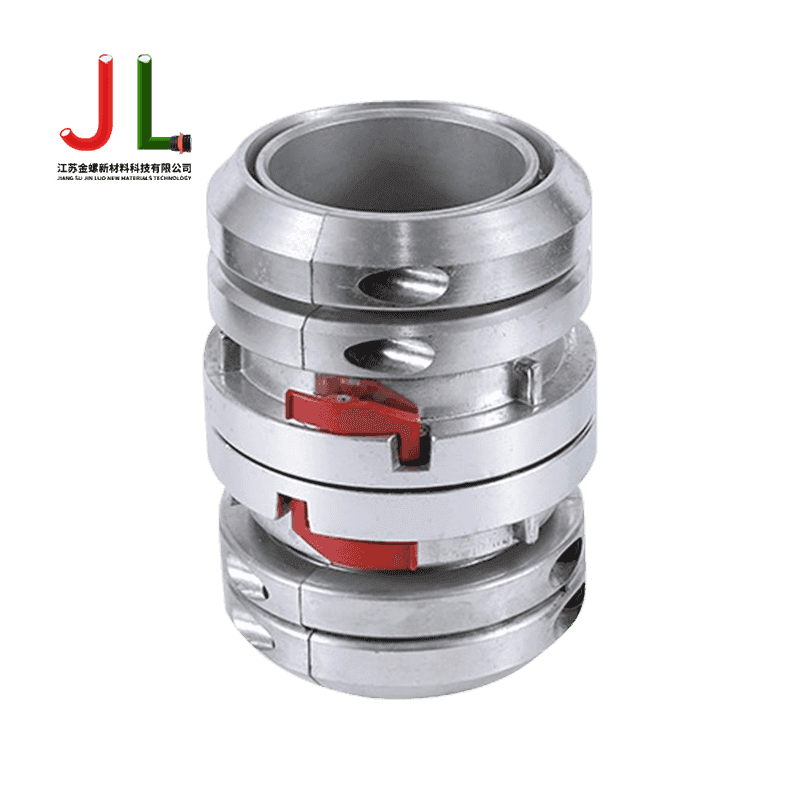
316 Stainless Steel Multi-Lug Quick Connect Couplings – Robust Stainless Steel Couplings for Quick Connections
-
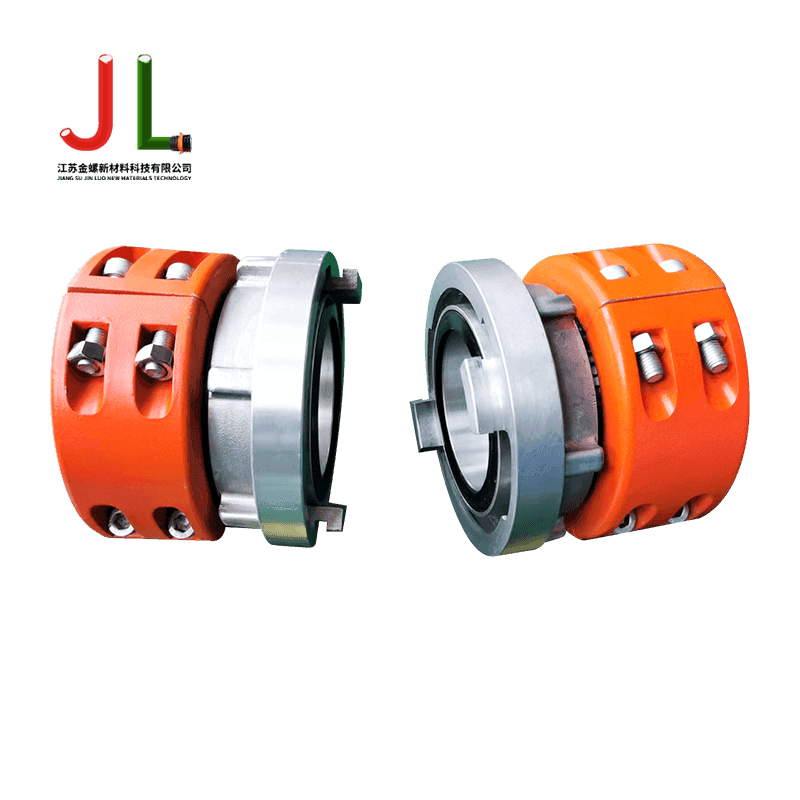
LDHC S Large Diameter Hose Coupling (Storz Type) – High-Performance Storz Type Coupling for Large Diameter Hose Connections
-
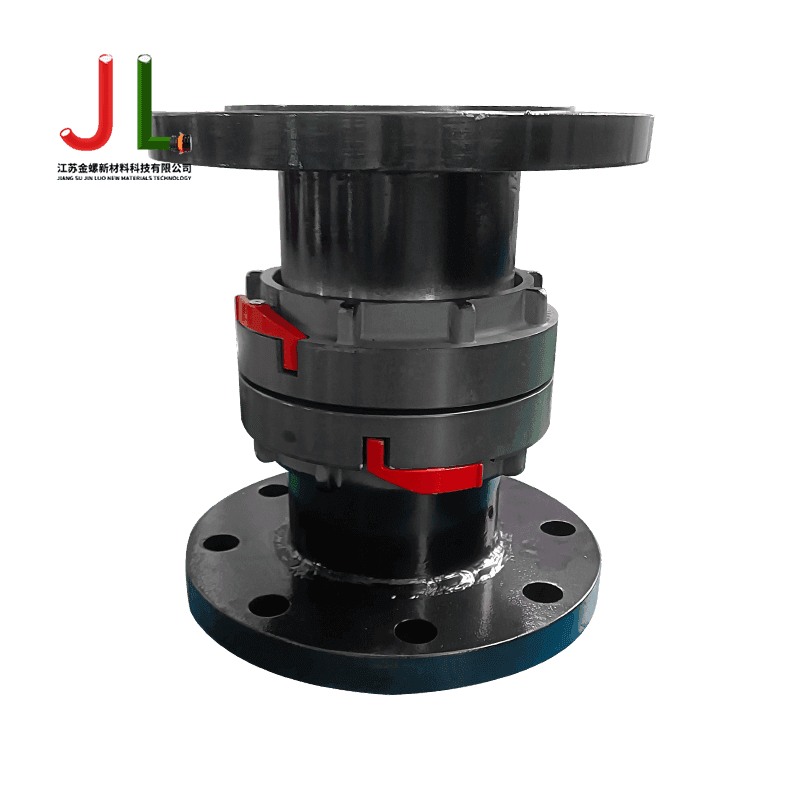
LDHC Large Diameter Hose Flange Coupling | High Pressure Sealing Carbon Steel / Stainless Steel Flange Connector for Petrochemical
Looking For Bussiness Opportunity?
Request for a call today

- Tel: +86-13801432164
- E-mail: [email protected]
- Address: No. 2 Workshop, East Zone, Photovoltaic Technology Industrial Park, No. 109 Yaojia Road, Jiulong Town, Hailing District, Taizhou City, Jiangsu Province, China
Quick Link
Products
Coprright 2025
Jiangsu Jinluo New Material Technology Co., Ltd.
Privacy
