


 English
 عربى
عربى
Seamless Braided TPU Flat Hose: Construction and Specs
Content
What "Seamless" Means in Braided TPU Flat Hose Construction
A seamless braided TPU flat hose is built around a circular-woven reinforcement tube produced on a braiding loom without any longitudinal seam, coated inside and out with thermoplastic polyurethane, and then collapsed flat for storage and transport. The absence of a seam matters because a seamed hose — where the reinforcement fabric is wrapped and joined along its length — introduces a continuous line of reduced strength and a potential leak path running the entire length of the hose. Circular braiding eliminates that weak line entirely by weaving the reinforcement as a continuous tube from the start.
This construction method is distinct from both flat-woven fabric hose (where a flat sheet is folded and seamed into a tube) and knitted hose, and it's the reason seamless braided hose is specified whenever uniform pressure distribution around the full circumference is a priority.
How Circular Braiding Affects Pressure Performance
In a circular braid, reinforcement yarns interlace in a diagonal, over-under pattern around the full circumference of the hose, distributing radial pressure load evenly across the entire wall rather than concentrating stress at a seam. This even distribution is what allows seamless braided hose to achieve a higher working-to-burst pressure ratio at a given wall thickness compared to seamed alternatives, since the reinforcement carries load uniformly instead of having a discrete failure-prone line.
- Braid angle — the angle at which yarns cross relative to the hose axis — directly affects the trade-off between burst pressure and flexibility, with steeper angles favoring pressure resistance and shallower angles favoring flexibility
- Pick count (braid density) determines how tightly the yarns interlock, with higher pick counts generally increasing burst strength at the cost of slightly reduced flexibility
- Because the braid is continuous, pressure testing results are consistent along the hose's full length, which matters for quality control on long production runs
Flat Hose Design and Storage Advantages
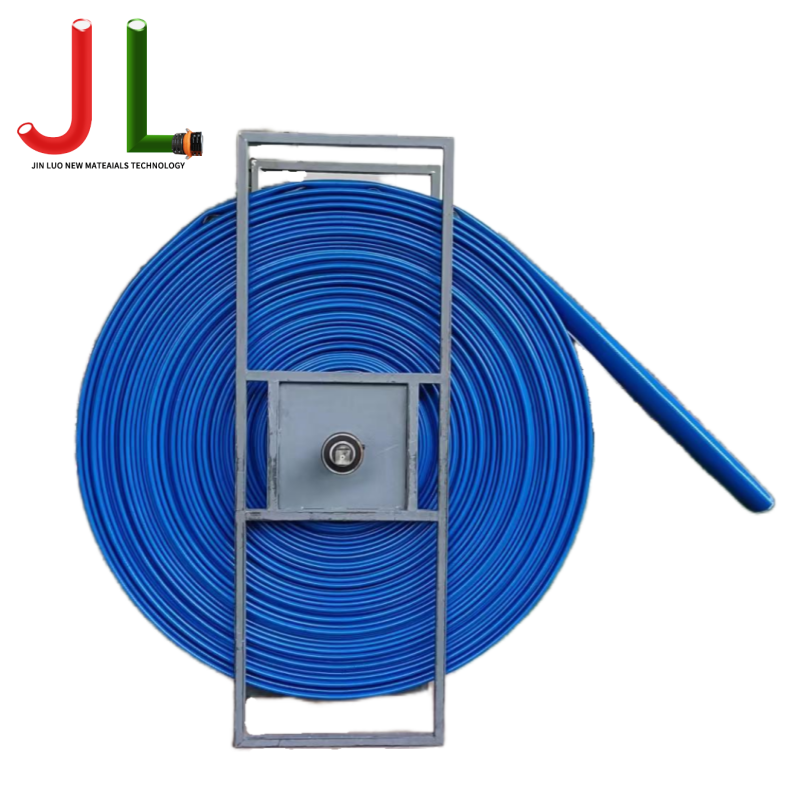
The "flat" designation refers to how the hose collapses when not pressurized — unlike a rigid-wall hose that retains a round cross-section, a seamless braided TPU flat hose folds flat under its own weight when empty, then expands to a full round cross-section once pressurized with fluid. This behavior is what makes flat hose practical for large-diameter, long-length applications where a rigid round hose of equivalent size would be far too bulky and heavy to transport or store on a reel.
| Property | Flat (Layflat) Hose | Rigid Round Hose |
|---|---|---|
| Storage volume (empty) | Significantly reduced when coiled flat | Fixed volume regardless of fill state |
| Weight per meter | Lower for equivalent flow diameter | Higher due to permanent wall rigidity |
| Typical deployment | Temporary or portable transfer lines | Fixed or semi-permanent installations |
Wall Construction and TPU Coating Layers
Most seamless braided TPU flat hose uses a two-sided coating approach: an inner TPU layer that provides the smooth bore surface fluid actually contacts, and an outer TPU layer that protects the braid from abrasion, UV exposure, and mechanical damage during handling. Both layers bond directly to the braid during the coating process, and coating thickness is typically specified separately for inner and outer layers since their functional demands differ — the inner layer prioritizes smoothness and chemical resistance, while the outer layer prioritizes abrasion resistance.
Total wall thickness for standard-duty flat hose typically ranges from 0.6mm to 1.2mm, while heavy-duty variants for mining, construction dewatering, or high-abrasion applications can exceed 1.5mm, trading some flexibility and weight for meaningfully longer service life under abrasive conditions.
Common Applications by Diameter and Pressure Class
Diameter and pressure class together determine the appropriate application for a given hose. Smaller-diameter, lower-pressure hose suits agricultural and light industrial transfer, while larger-diameter, higher-pressure variants are built for dewatering and firefighting applications where flow volume is the priority.
- 1"-3" diameter — agricultural irrigation, general water transfer, small pump discharge lines
- 4"-6" diameter — construction site dewatering, medium-scale industrial water transfer
- 8"-12" diameter and above — mining dewatering, flood response, large-scale municipal or emergency water transfer
Sourcing and Specification Checklist
When sourcing seamless braided TPU flat hose, confirming braid construction is genuinely seamless — rather than a lower-cost seamed fabric marketed under similar terminology — is worth verifying directly with the supplier, since the visual difference between the two isn't always obvious to a non-specialist buyer.
- Confirm the reinforcement is genuinely circular-braided with no longitudinal seam, and request braid construction documentation if pressure rating is critical
- Request working pressure and burst pressure figures together, with the safety ratio stated explicitly
- Specify inner and outer TPU coating thickness separately based on the fluid being transferred and the handling environment
- Match hose diameter to required flow rate rather than defaulting to whatever diameter matches existing pump fittings
- Request abrasion resistance test data for applications involving dragging the hose over rough ground, such as mining or construction dewatering
Related Products
-

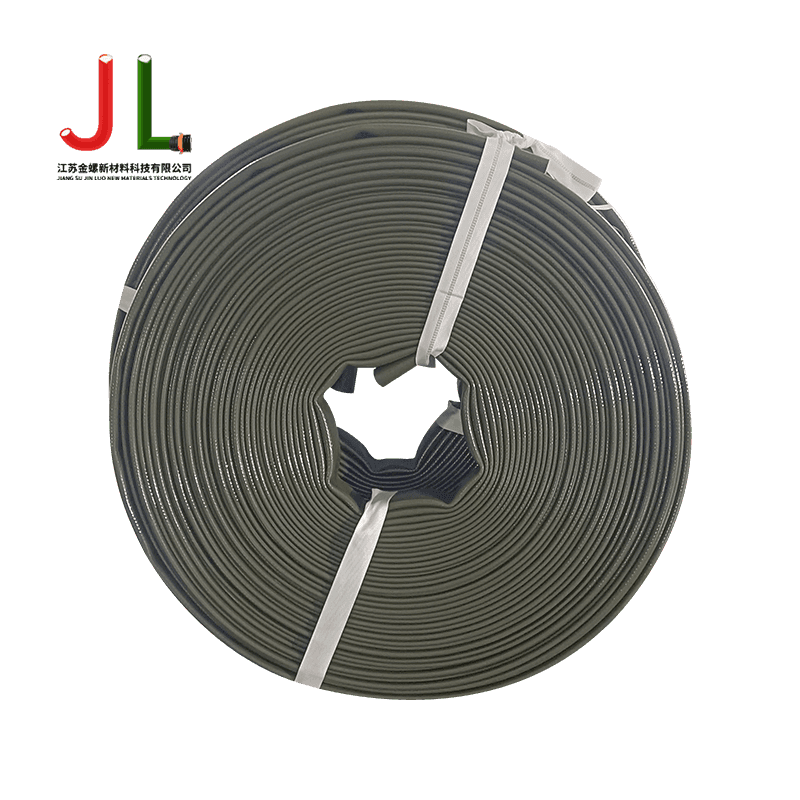
Jinluo Hose TPU Fracking Layflat Hose – Flexible Polyurethane Fracturing Water Supply Hose for Oilfield Applications
-
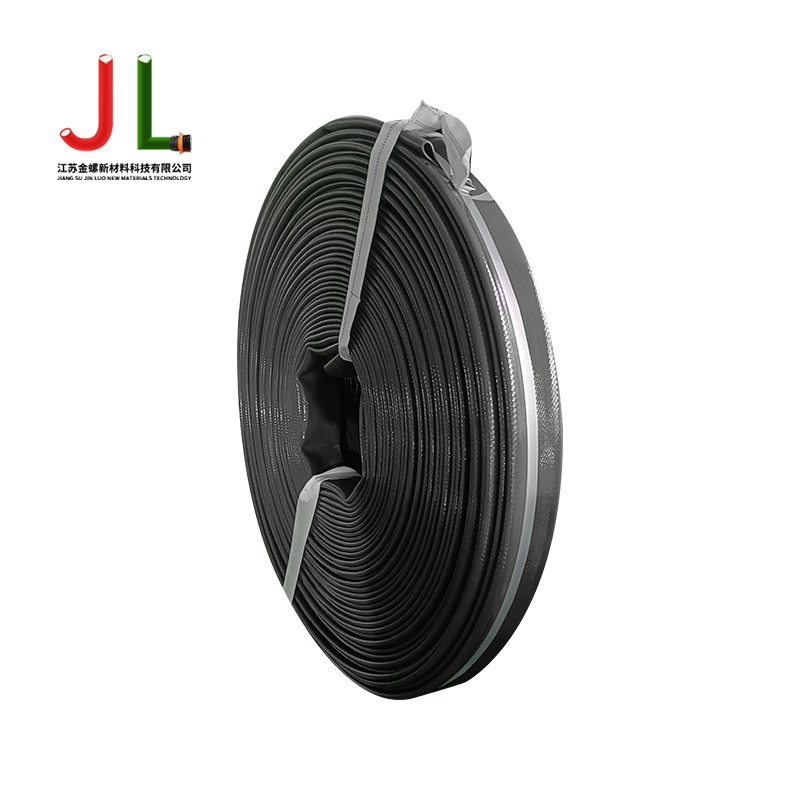
Jinluo Hose Polyurethane Fracturing Water Supply Hose
-
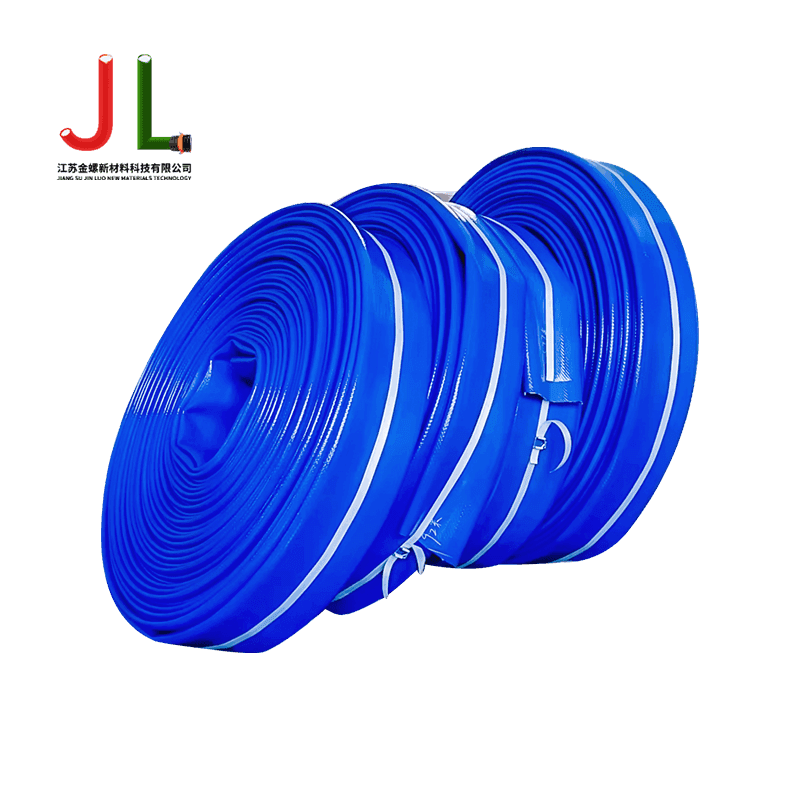
Jinluo Hose Polyurethane Slurry Hose – Reinforced Underground Mining Hose for Efficient Water and Slurry Discharge
-
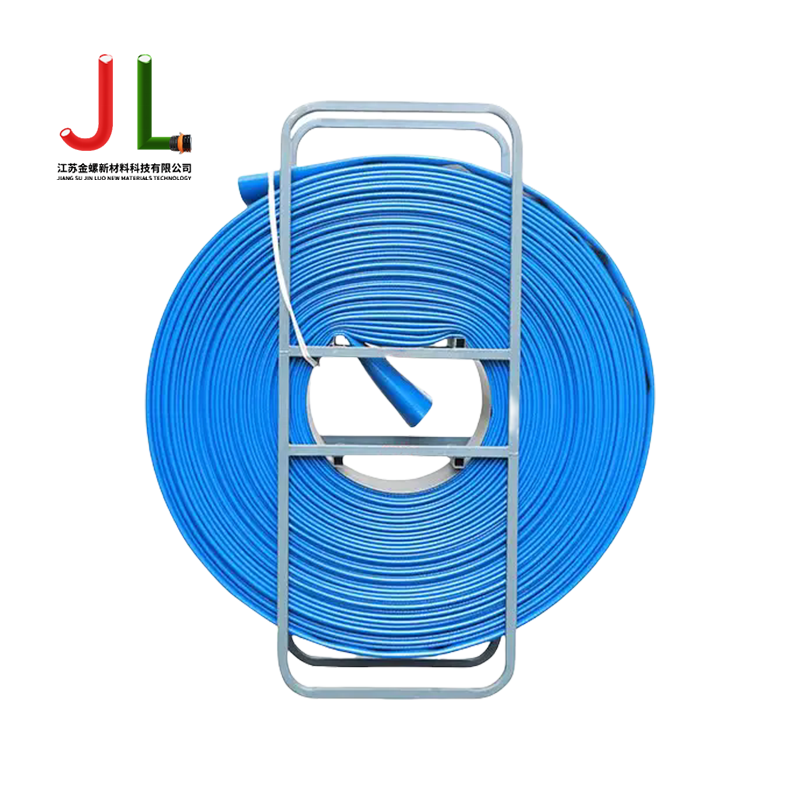
Jinluo Hose TPU frac water hose
-
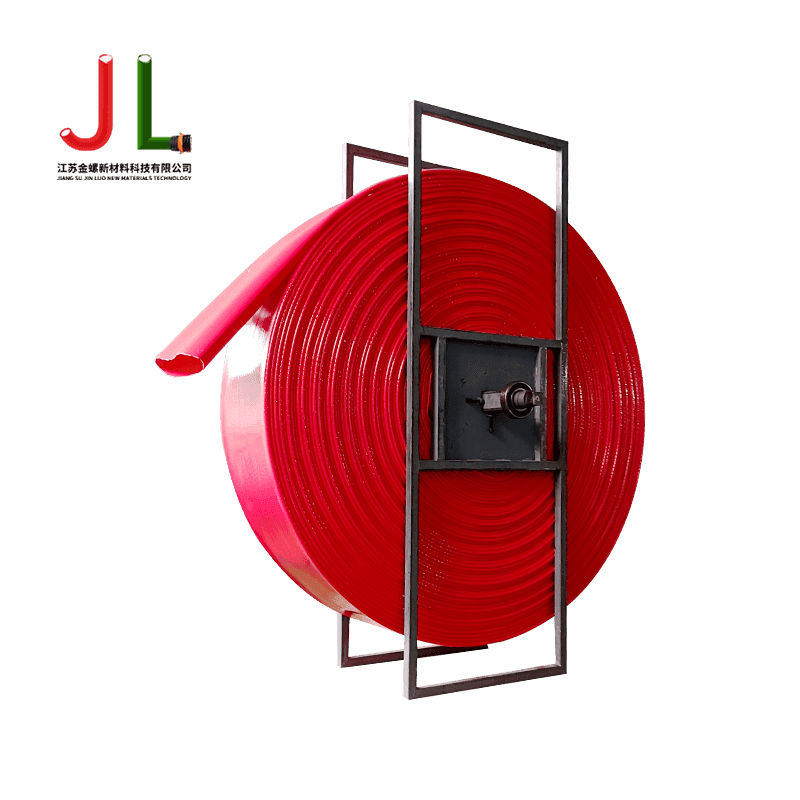
TPU Concrete Pouring Hose (Concrete Pumping Hose / Concrete Delivery Hose)
-
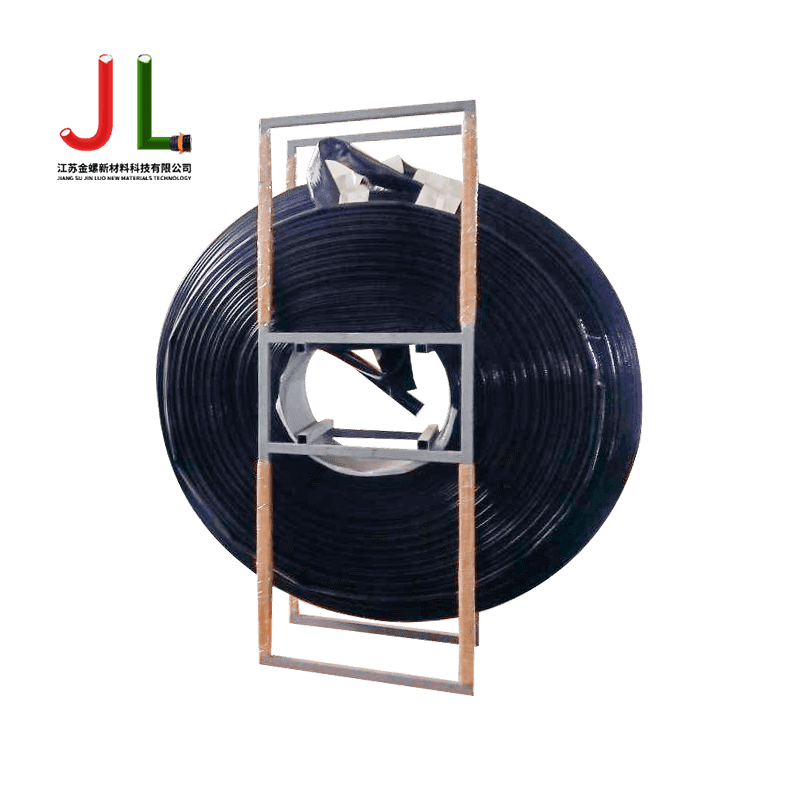
Jinluo Dual-Sided Polyurethane Trenchless Pipe Liner – Advanced Polyurethane Lining Hose for Trenchless Pipe Repair
-
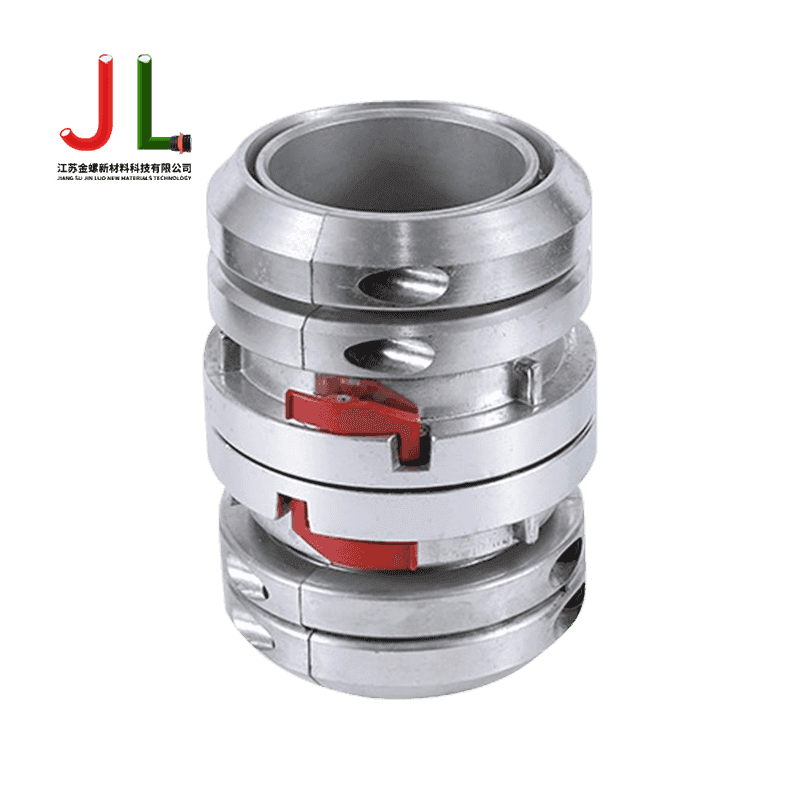
316 Stainless Steel Multi-Lug Quick Connect Couplings – Robust Stainless Steel Couplings for Quick Connections
-
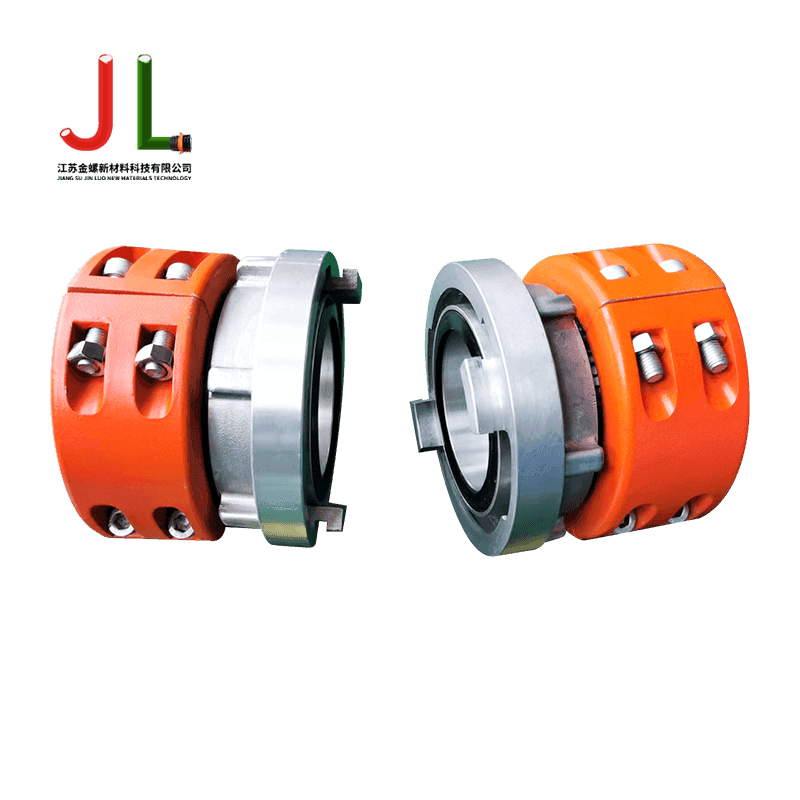
LDHC S Large Diameter Hose Coupling (Storz Type) – High-Performance Storz Type Coupling for Large Diameter Hose Connections
-
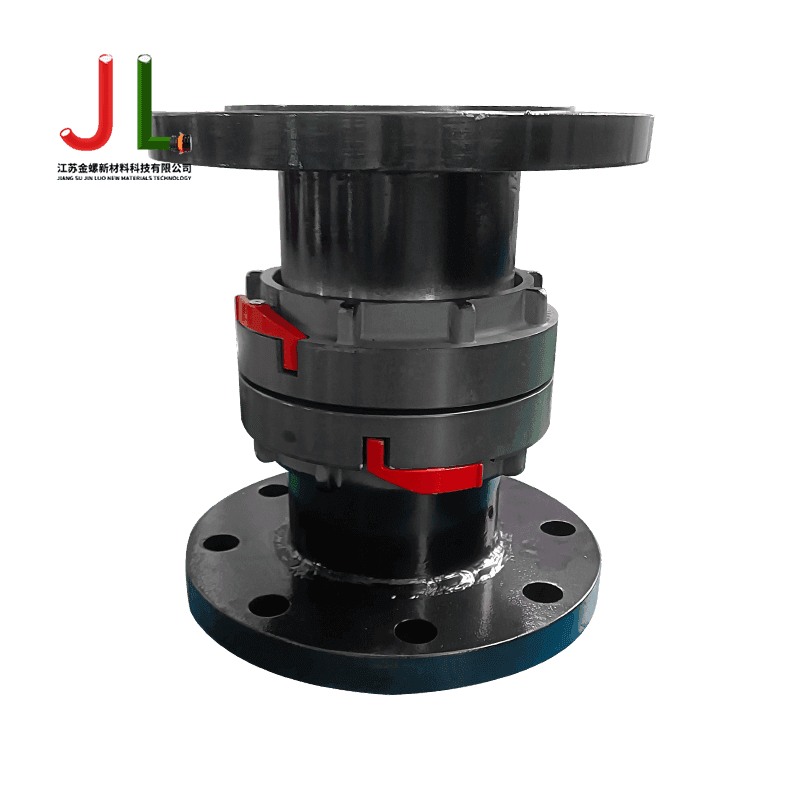
LDHC Large Diameter Hose Flange Coupling | High Pressure Sealing Carbon Steel / Stainless Steel Flange Connector for Petrochemical
Looking For Bussiness Opportunity?
Request for a call today

- Tel: +86-13801432164
- E-mail: [email protected]
- Address: No. 2 Workshop, East Zone, Photovoltaic Technology Industrial Park, No. 109 Yaojia Road, Jiulong Town, Hailing District, Taizhou City, Jiangsu Province, China
