


 English
 عربى
عربى
Through-the-Weave TPU Hose: Construction and Performance
Content
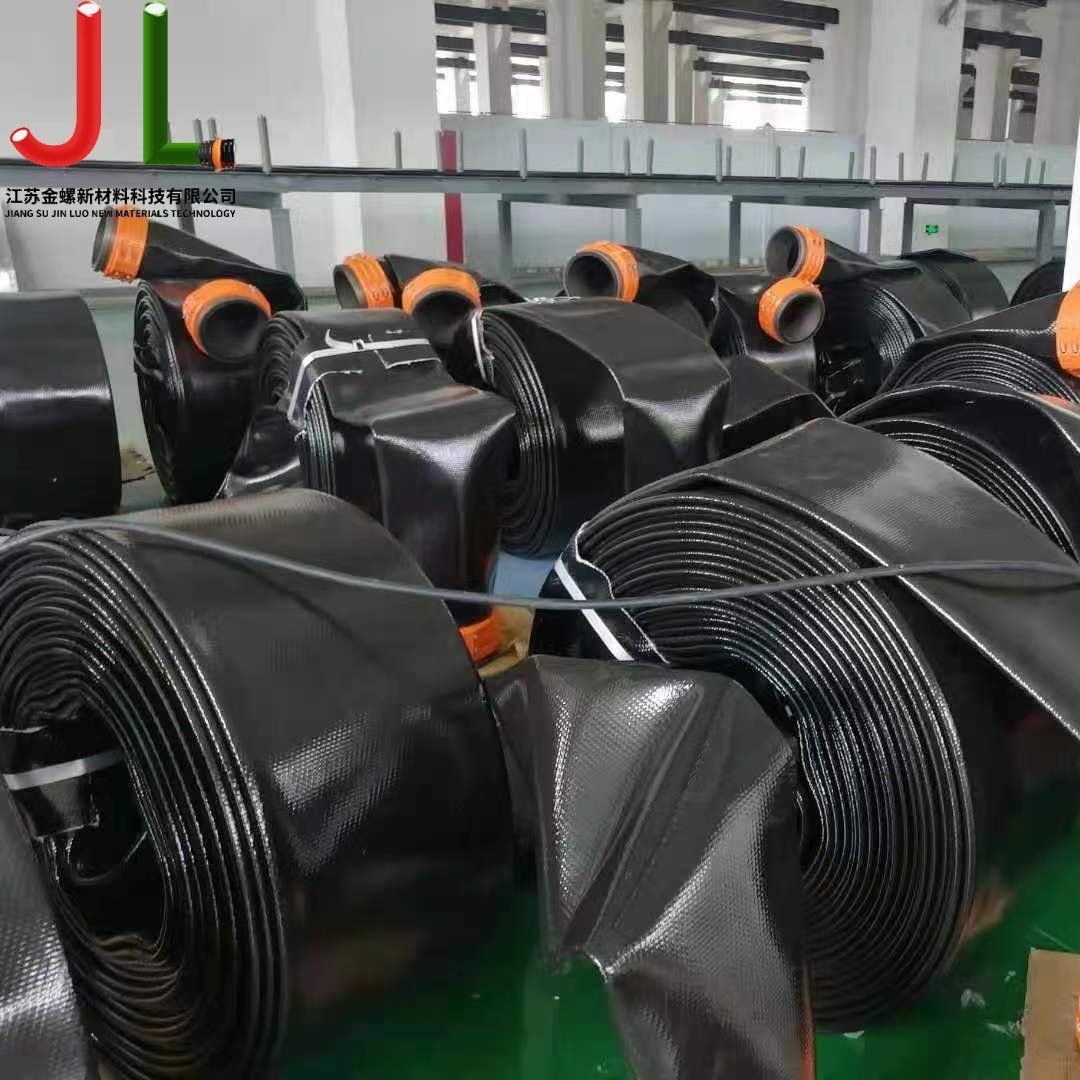
What Through-the-Weave TPU Hose Construction Means
A through-the-weave TPU hose is built by extruding molten thermoplastic polyurethane directly through and around a woven reinforcement fabric, rather than laminating separate TPU layers onto the outside and inside of a pre-formed fabric tube. During extrusion, the TPU penetrates fully into the gaps of the weave, encapsulating each yarn and fusing the inner and outer polymer layers into one continuous matrix through the fabric itself. This is mechanically different from a bonded or laminated hose, where inner and outer TPU layers are essentially two separate films held together by adhesion at the fabric surface, with the weave sitting as a discrete layer between them.
The practical result of through-the-weave construction is a hose wall that behaves as a single composite structure under pressure and flex, rather than as three stacked layers that can separate from one another. This distinction becomes significant specifically in high-cycle or high-pressure applications, where layer separation — commonly called delamination — is the dominant failure mode in lower-quality laminated hose.
Why Weave Penetration Prevents Delamination
Delamination in layered hose typically begins at a microscopic void or weak bond point between the fabric and one of the TPU layers, and it propagates under repeated pressure cycling until a visible bubble or blister forms in the hose wall. Because through-the-weave extrusion eliminates the discrete interface between fabric and polymer — the TPU is continuous through the fabric rather than bonded to its two faces — there is no clean separation plane for delamination to initiate along.
- Laminated hose relies on adhesive or thermal bonding strength at the fabric surface, which degrades under UV exposure, chemical contact, and repeated flexing
- Through-the-weave hose relies on mechanical interlock — the cured polymer physically keys into the weave structure — which is far less sensitive to surface bond degradation over time
- This is why through-the-weave hose is specified preferentially for high pressure cycling applications like hydraulic fracturing fluid transfer, mine dewatering, and fire suppression, where hose failure carries significant safety and downtime cost
Reinforcement Weave Types and Their Effect on Performance
The reinforcement fabric itself is a major variable in hose performance, independent of the TPU compound used. Polyester filament yarn is the standard choice for general industrial and agricultural layflat hose due to its balance of tensile strength, low elongation under load, and cost. High-tenacity polyester or nylon reinforcement is used where higher burst pressure ratings are required, since fiber tensile strength — not the TPU wall thickness — is typically the limiting factor in a hose's maximum working pressure.
| Weave Type | Relative Strength | Typical Application |
|---|---|---|
| Plain weave polyester | Standard | General irrigation and water transfer layflat hose |
| High-tenacity polyester | High | Fire hose, mine dewatering, higher-pressure transfer |
| Nylon or aramid-blend weave | Very high | Hydraulic fracturing fluid transfer, extreme-duty service |
Weave density, expressed as ends per inch in both warp and weft directions, also affects how completely the TPU penetrates during extrusion — a weave that's too tight can trap air pockets and prevent full polymer penetration, while a weave that's too open reduces the fabric's contribution to burst strength.
Working Pressure, Burst Ratio, and Sizing
A through-the-weave TPU hose is rated on two related but distinct figures: working pressure, the sustained pressure the hose is designed to operate at continuously, and burst pressure, the pressure at which the hose is expected to fail. Reputable manufacturers design to a burst-to-working-pressure safety ratio of at least 3:1, and buyers should always request this ratio explicitly rather than accepting a working pressure figure alone, since a hose rated close to its actual burst point offers little margin for pressure spikes or surge events common in pump-driven systems.
- Standard agricultural and irrigation layflat hose typically operates in the 6-10 bar working pressure range
- Industrial dewatering and fire service hose commonly runs 10-16 bar working pressure with correspondingly higher-tenacity reinforcement
- Fracturing fluid transfer hose can exceed 20-25 bar working pressure and uses the heaviest reinforcement and thickest through-the-weave wall construction available
Chemical and UV Resistance Considerations
TPU compound selection affects how the hose performs against the fluid being transferred and the environment it's stored or deployed in. Ester-based TPU offers better resistance to oils and hydrocarbons, making it the preferred compound for fuel transfer and fracturing fluid applications, while ether-based TPU offers better hydrolysis resistance and is generally preferred for prolonged water transfer and outdoor storage where the hose is repeatedly wetted and dried.
UV stabilizer content in the outer TPU layer directly affects service life for hose left exposed to sunlight for extended periods, such as agricultural irrigation hose laid across open fields for a full growing season. Buyers specifying hose for prolonged outdoor exposure should confirm UV stabilizer inclusion explicitly, since this is a compound-level additive that isn't visible in a basic product spec sheet.
Sourcing and Specification Checklist
Because through-the-weave construction quality is difficult to verify visually, buyers sourcing this hose type should request process documentation and test data rather than relying on the finished hose's appearance alone, since a poorly executed through-the-weave process can still look similar to a correctly manufactured hose until it's placed under sustained pressure cycling.
- Request burst-to-working-pressure ratio documentation, not just a stated working pressure figure
- Confirm reinforcement weave type and density match the intended service pressure and duty cycle
- Verify TPU compound type (ester or ether-based) against the specific fluid being transferred and expected chemical exposure
- Ask for cross-section samples showing full weave penetration, particularly for high-pressure or safety-critical orders
- Request cycling or fatigue test data for applications involving frequent pressurization and depressurization, such as fracturing or dewatering operations
Related Products
-

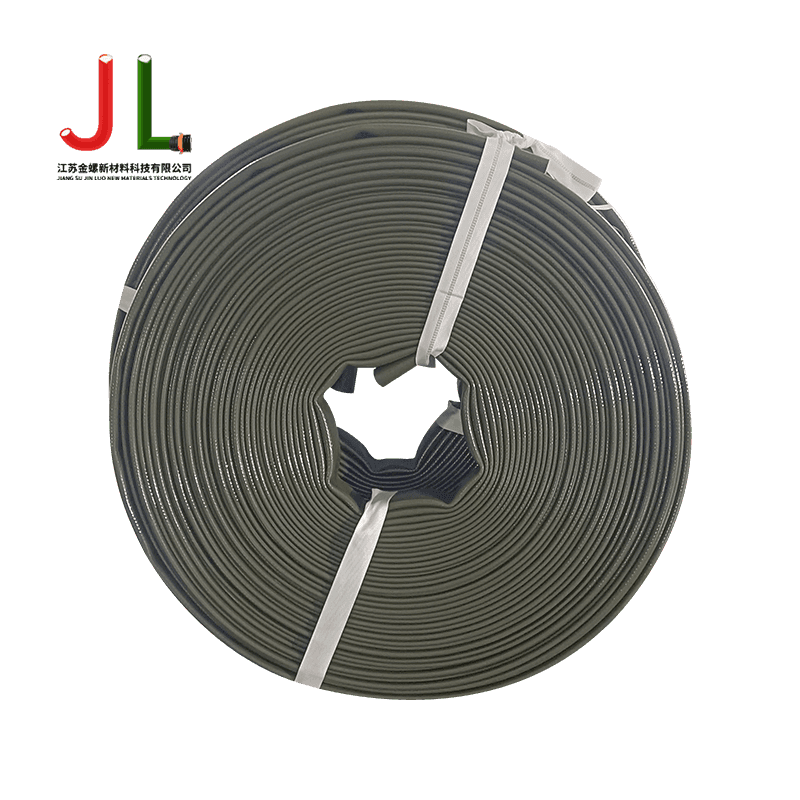
Jinluo Hose TPU Fracking Layflat Hose – Flexible Polyurethane Fracturing Water Supply Hose for Oilfield Applications
-
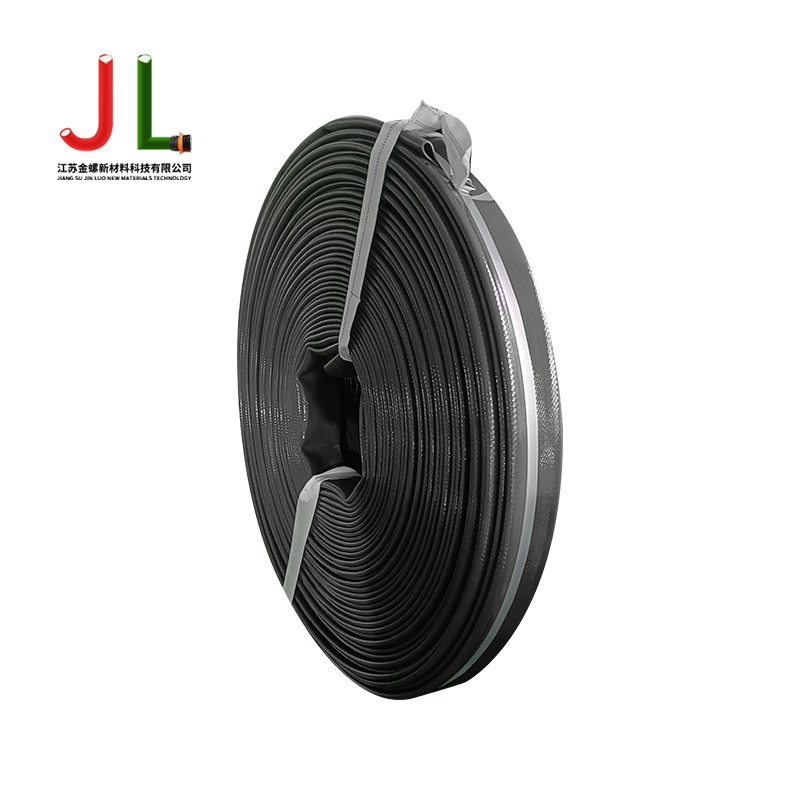
Jinluo Hose Polyurethane Fracturing Water Supply Hose
-
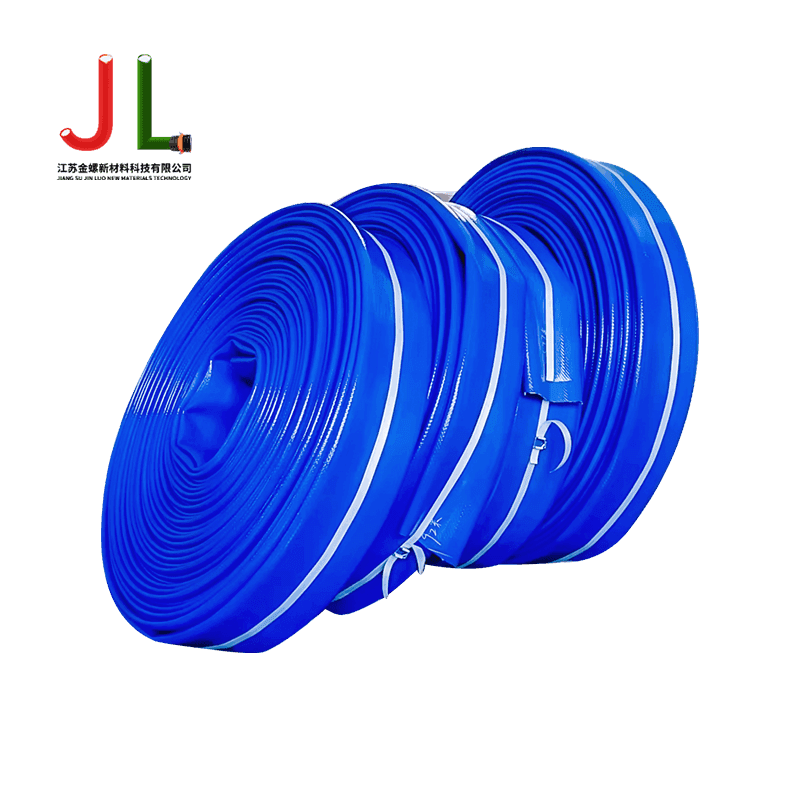
Jinluo Hose Polyurethane Slurry Hose – Reinforced Underground Mining Hose for Efficient Water and Slurry Discharge
-
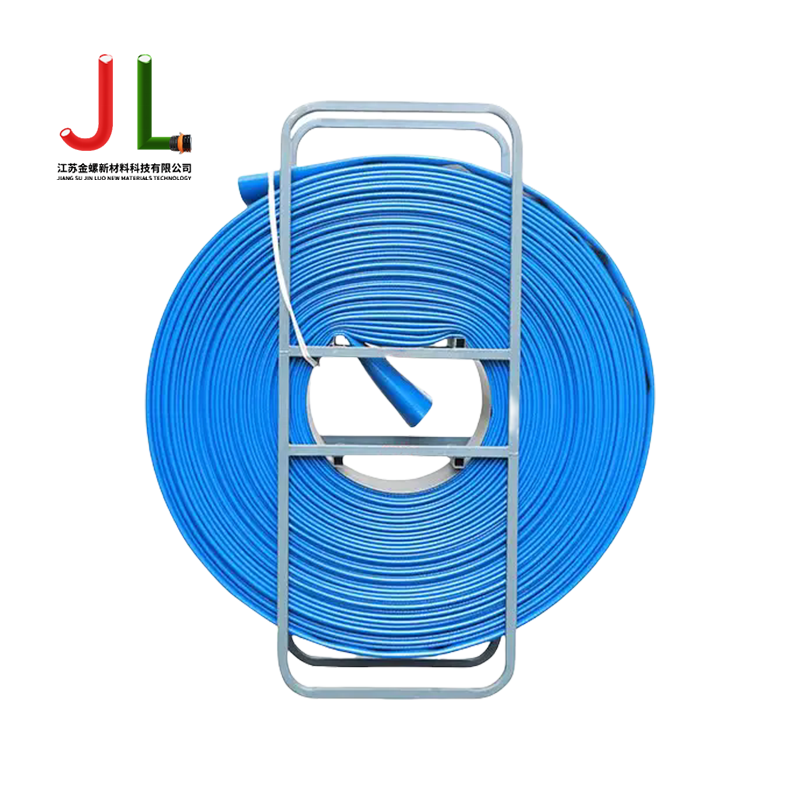
Jinluo Hose TPU frac water hose
-
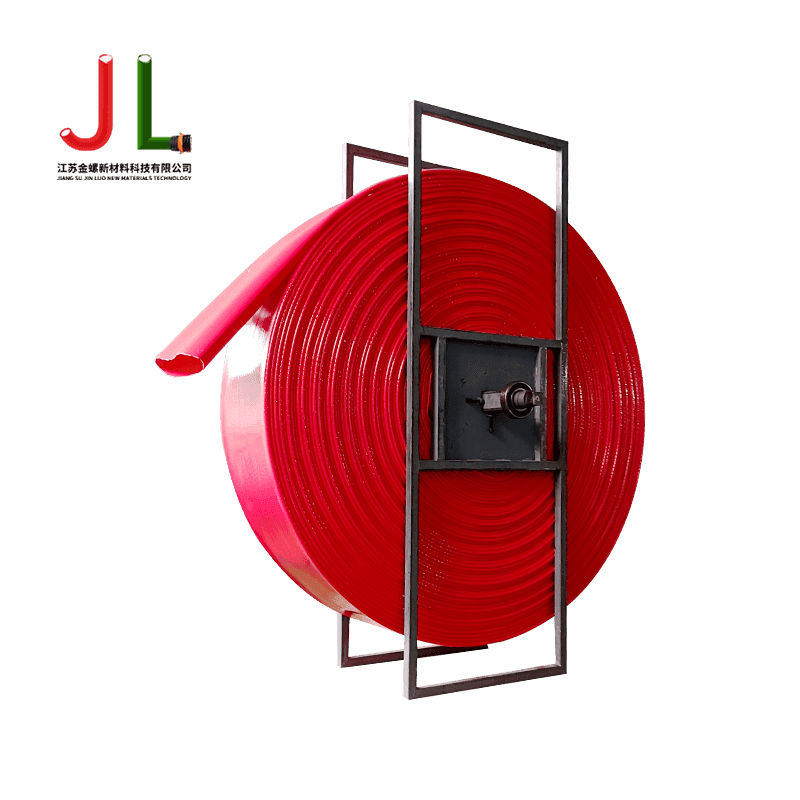
TPU Concrete Pouring Hose (Concrete Pumping Hose / Concrete Delivery Hose)
-
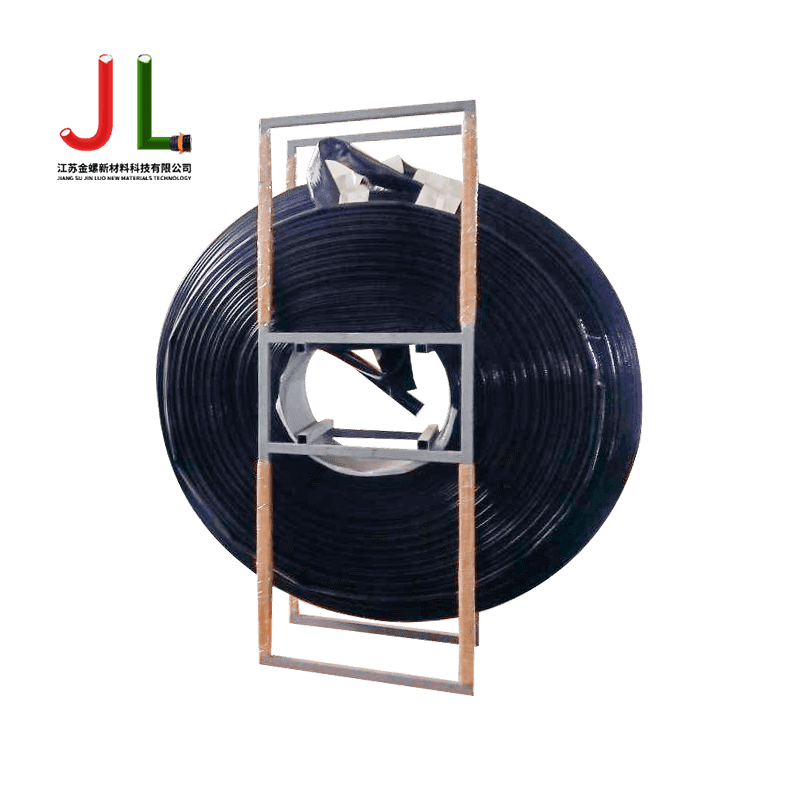
Jinluo Dual-Sided Polyurethane Trenchless Pipe Liner – Advanced Polyurethane Lining Hose for Trenchless Pipe Repair
-
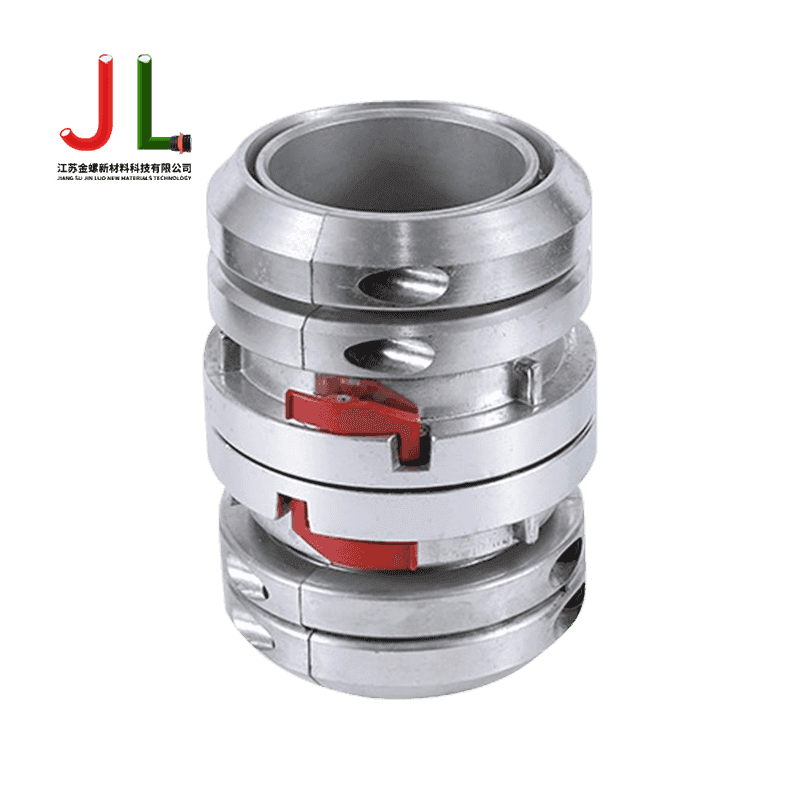
316 Stainless Steel Multi-Lug Quick Connect Couplings – Robust Stainless Steel Couplings for Quick Connections
-
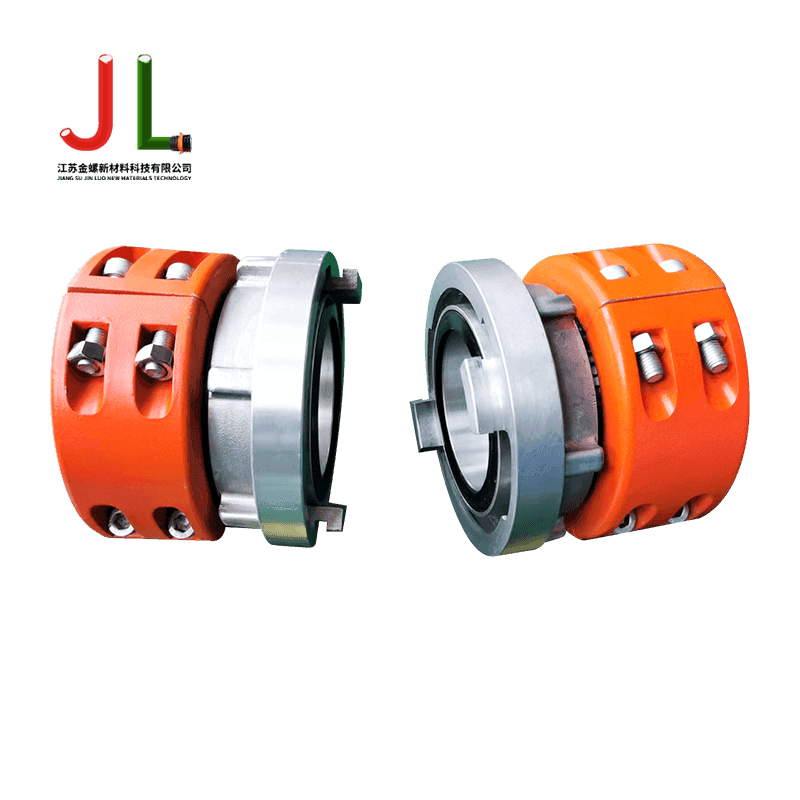
LDHC S Large Diameter Hose Coupling (Storz Type) – High-Performance Storz Type Coupling for Large Diameter Hose Connections
-
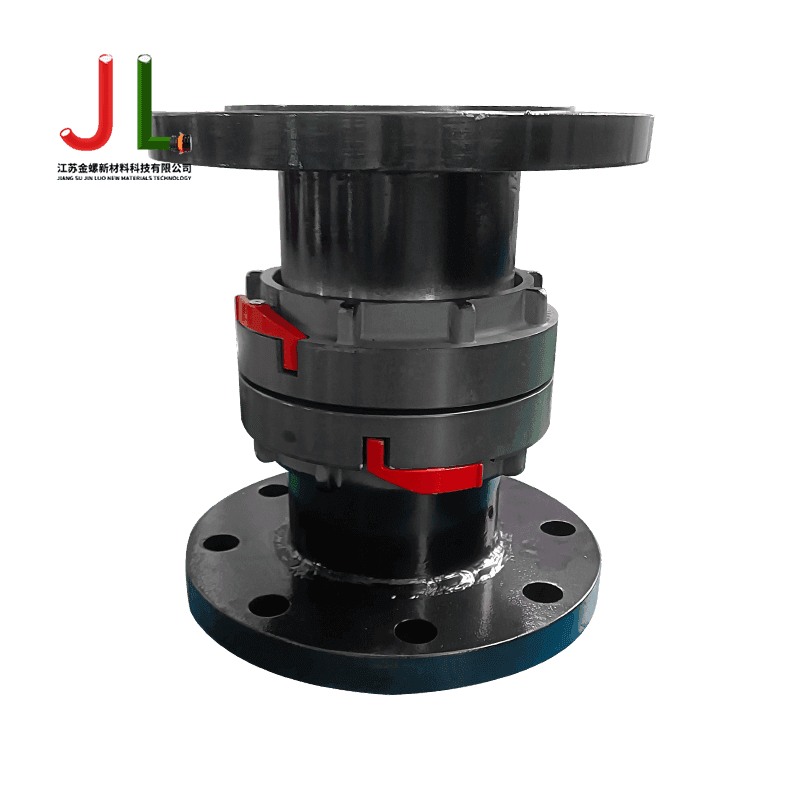
LDHC Large Diameter Hose Flange Coupling | High Pressure Sealing Carbon Steel / Stainless Steel Flange Connector for Petrochemical
Looking For Bussiness Opportunity?
Request for a call today

- Tel: +86-13801432164
- E-mail: [email protected]
- Address: No. 2 Workshop, East Zone, Photovoltaic Technology Industrial Park, No. 109 Yaojia Road, Jiulong Town, Hailing District, Taizhou City, Jiangsu Province, China
