


 English
 عربى
عربىNews
HOME / NEWS / Industry News / The Ultimate Guide to Mining Dewatering Layflat Hoses: Selection, Application, and Best Practices

The efficient removal of water, or dewatering, is a critical operation in any mining site, from open-pit mines to underground shafts. The equipment used for this task must be robust, reliable, and efficient to handle harsh conditions and ensure continuous productivity. At the heart of many modern dewatering systems lies a key component: the mining dewatering layflat hose. This comprehensive guide delves into the specifics of these hoses, offering deep, actionable insights for professionals seeking to optimize their water management strategies. We'll explore their construction, key selection criteria, and practical applications, providing you with the knowledge to make informed decisions for your operations.
Content
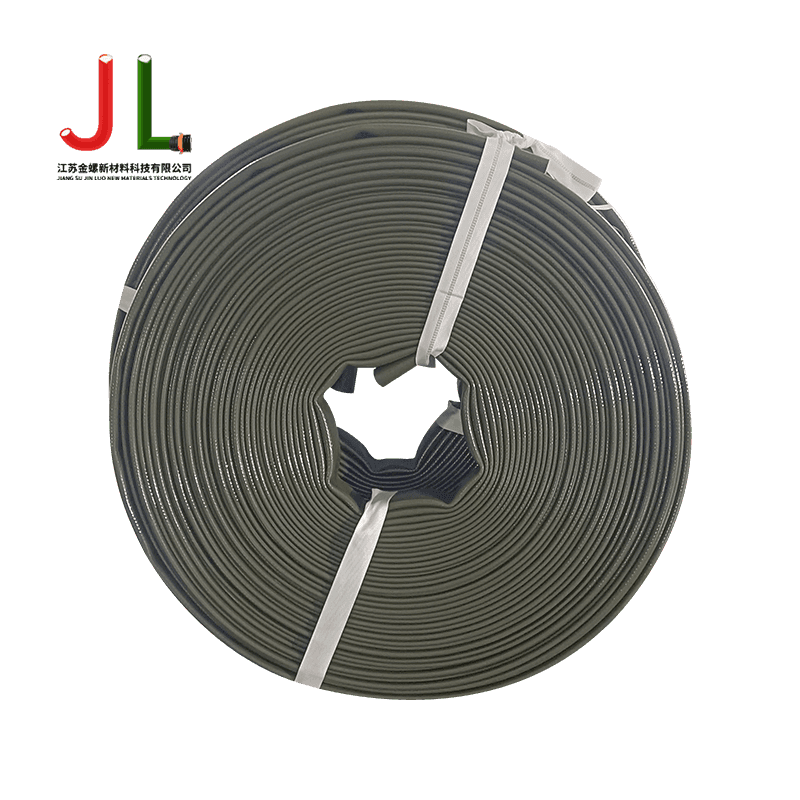
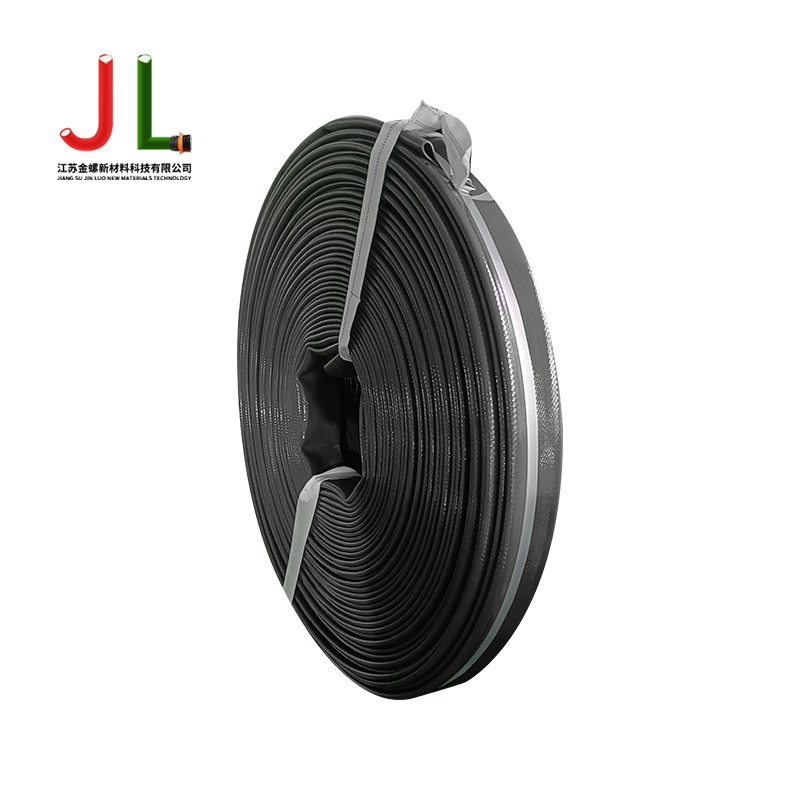
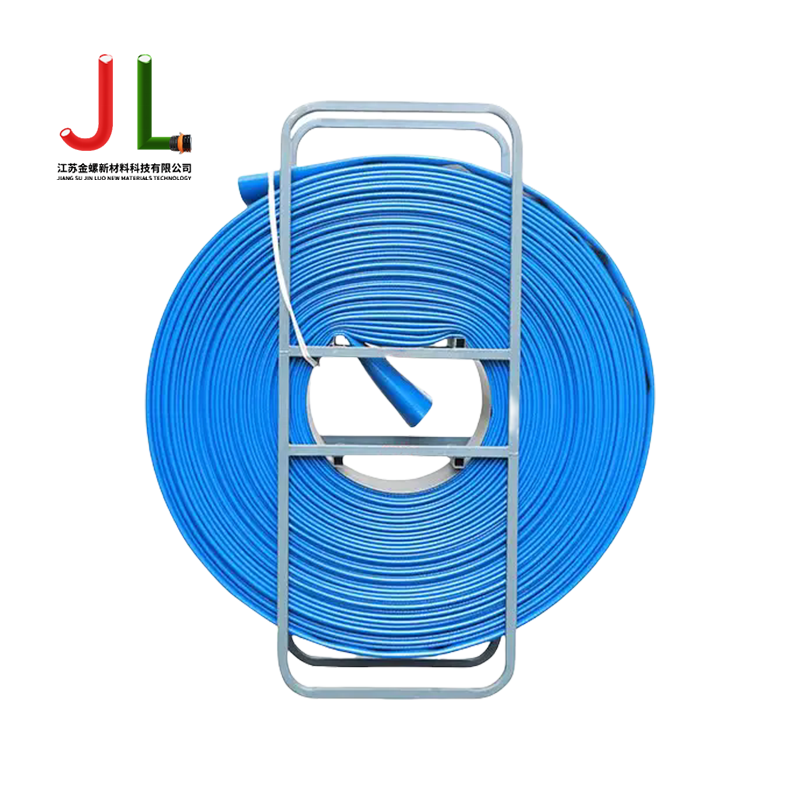
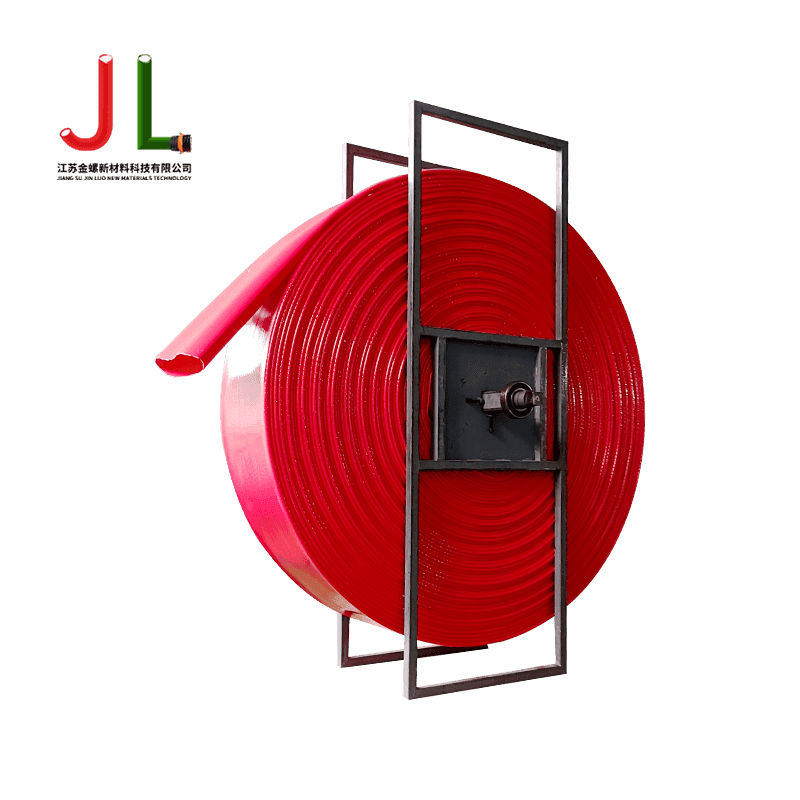
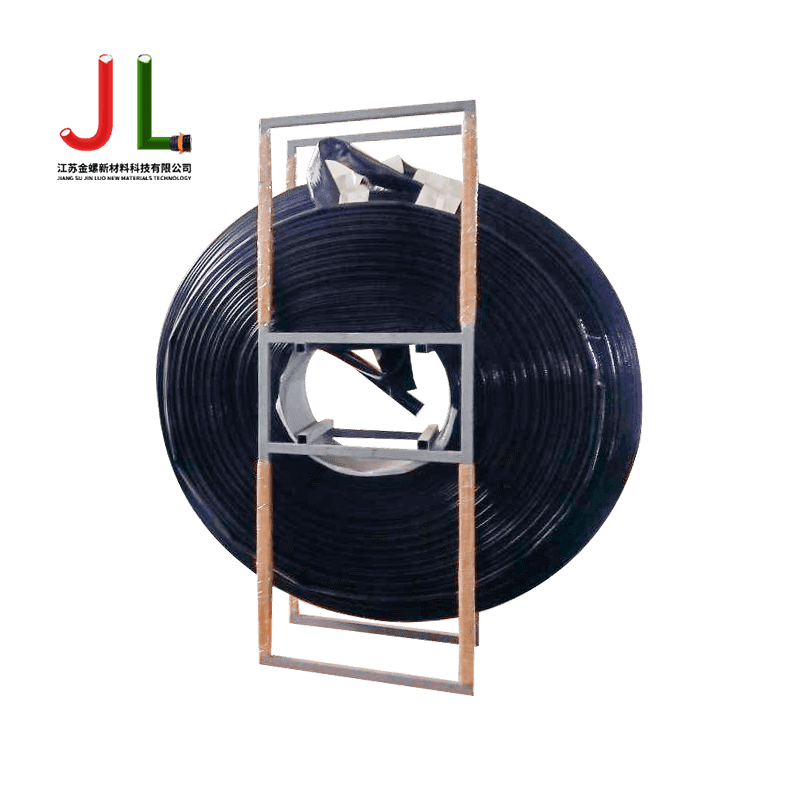
A mining dewatering layflat hose is a specialized type of industrial hose designed specifically for the large-volume, high-pressure transfer of water, slurry, and sediment in mining environments. Unlike traditional rigid pipes, these hoses are engineered to be flexible and collapsible. When not under pressure, they flatten (lay flat) for easy storage, transportation, and deployment. When water is pumped through, they assume a full round shape to maximize flow efficiency.
Choosing the right hose technology directly impacts operational efficiency and cost. Layflat hoses offer distinct benefits over alternatives like steel pipes or conventional rubber hoses.
While traditional steel pipes are durable, they lack flexibility and are cumbersome to install and relocate. Conventional rubber hoses are flexible but often heavy and difficult to handle in long lengths. In contrast, mining dewatering layflat hoses provide a superior balance of durability, flexibility, and ease of use, making them the preferred choice for dynamic mining sites.
| Feature | Layflat Hose | Steel Pipe | Standard Rubber Hose |
|---|---|---|---|
| Deployment Speed | Very Fast - Unrolls quickly | Slow - Requires threading and joint sealing | Moderate - Heavy and stiff in large diameters |
| Portability & Storage | Excellent - Flattens when empty | Very Poor - Bulky and space-consuming | Poor - Maintains round shape, requiring large reels |
| Flexibility & Maneuverability | High - Can navigate around obstacles | None - Rigid structure | Moderate to Low - Depends on diameter and construction |
| Resistance to Abrasion & Crushing | High (with proper specification) | Very High | Variable (often lower than specialized layflat) |
| Overall Cost of Ownership | Lower - Reduced labor and transportation costs | Higher - High installation and maintenance labor | Moderate to High - Frequent replacement may be needed |
Not all layflat hoses are created equal. Selecting the correct hose for your specific application requires careful consideration of several technical and environmental factors.
Understanding specific use cases helps in pinpointing the exact hose specifications needed. Here are five critical applications where specialized layflat hoses excel.
Dewatering deep mine shafts requires hoses that can handle significant static head pressure and are reliable in confined, vertical spaces. A failure here can lead to catastrophic flooding.
For these demanding vertical applications, a high-pressure layflat hose for mine shaft dewatering is non-negotiable. Its construction is specifically engineered to withstand the immense water column weight without stretching or failing at the couplings.
Tailings, the fine-grained waste material from ore processing, are often transported as a slurry. This mixture is highly abrasive and can quickly degrade standard hoses[2].
An abrasive slurry transfer hose for tailings disposal utilizes advanced materials like thermoplastic polyurethane to dramatically extend service life, reducing downtime and replacement costs in one of the harshest mining applications.
Open-pit mining faces change constantly, and water accumulation in work areas must be removed quickly to maintain access and safety. Speed and flexibility are crucial.
The need for speed and adaptability makes a lightweight layflat hose for open-pit drainage the ideal tool. Its easy roll-out and maneuverability allow teams to set up or redirect dewatering lines in minutes, keeping pace with the dynamic mining front.
Many mining dewatering pumps run 24/7. The hose must endure constant pressure, vibration, and environmental exposure without premature failure.
For non-stop pumping stations, investing in a heavy-duty PVC layflat hose for continuous pumping ensures reliability. The tough PVC cover resists environmental degradation, while the internal construction is designed for constant stress, minimizing unplanned maintenance [3].
Mine water that has percolated through waste rock or ore piles can become chemically charged (acid mine drainage). This fluid requires specialized handling to prevent environmental contamination and infrastructure damage.
Transporting aggressive fluids safely demands a chemical-resistant layflat hose for acid mine drainage. Selecting a hose with the correct polymer composition prevents inner tube degradation, leaks, and environmental contamination, protecting both infrastructure and the surrounding ecosystem.
Proper handling extends hose life and ensures safe operation.
Selecting a reliable supplier is as important as selecting the right hose specifications. With extensive experience in engineering industrial hoses for extreme conditions, Jiangsu Jinluo New Material Technology Co., Ltd. stands as a trusted partner for the global mining industry.
We understand that mining dewatering presents unique challenges. Our mining dewatering layflat hoses are engineered to meet these demands, featuring:
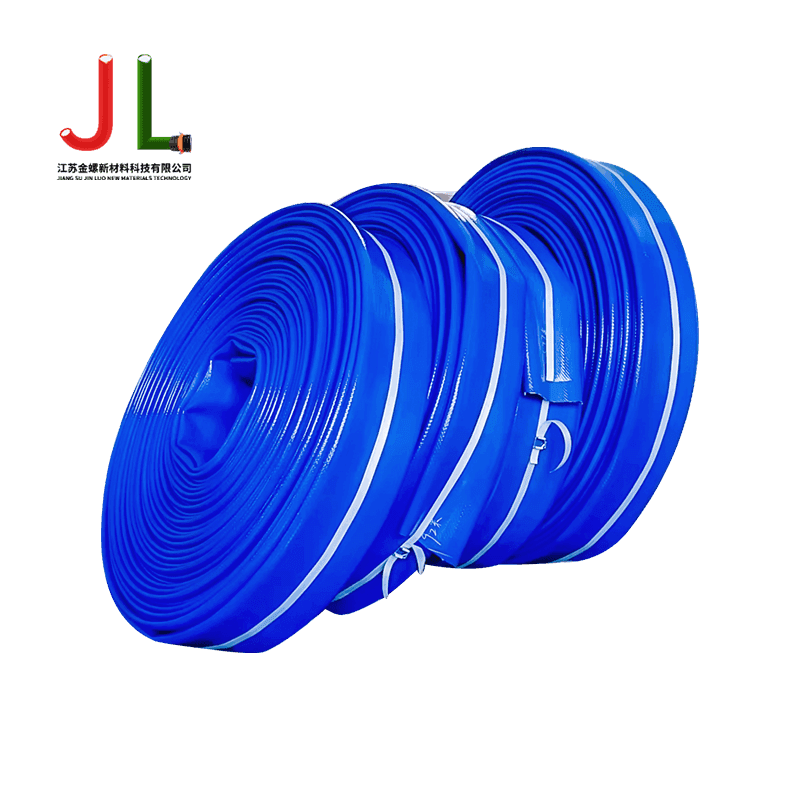
The primary benefits are drastically improved portability and storage. When empty, layflat hoses collapse, making them lighter to move and requiring up to 80% less storage space than a rigid round hose of the same diameter and length. This translates into significant labor and logistics savings, as highlighted in operational efficiency studies.
You must consider both the pump's maximum output pressure and the static head pressure (the height of the water column from the pump to the discharge point). Add these values together and select a hose with a working pressure that exceeds this total, ideally with a safety factor of 1.5 to 2, as recommended in engineering handbooks. Always consult your pump specifications and site topography.
Yes, but only if it is specifically designed for that purpose. Standard layflat hoses will fail quickly. You must select an abrasive slurry transfer hose that features a thick, wear-resistant inner liner made from materials like thermoplastic polyurethane (TPU), which offers exceptional durability against gritty particles, a critical factor in tailings management.
It means the inner tube material is formulated to resist degradation from specific chemicals, such as sulfuric acid or dissolved metals commonly found in acid mine drainage (AMD). Materials like EPDM rubber or certain polyethylene compounds offer excellent resistance to acidic environments, preventing hose failure and leaks, which is essential for environmental protection.
Service life varies tremendously based on the application's specific abrasiveness, pressure, chemical exposure, and adherence to proper handling and maintenance. A high-quality, correctly specified hose used in a moderately abrasive, continuous pumping application can last several seasons. Harsh applications like primary tailings transfer may require more frequent inspection and replacement of wear parts. Following best practices for installation and maintenance is the key to maximizing hose life.
[1] U.S. Department of Labor, Mine Safety and Health Administration (MSHA). (2019). Handbook of Water Management and Dewatering in Mining Operations. Arlington, VA: MSHA Publications.
[2] Smith, J., & Davis, R. (2021). Advanced Materials in Industrial Hose Design: Focus on Abrasion and Chemical Resistance. International Journal of Mining Science and Technology, 31(4), 567-578. https://doi.org/10.1016/j.ijmst.2021.05.003
[3] Petroff, L. J. (2020). Practical Guide to Pumping and Hose Systems in Heavy Industry (4th ed.). Engineering Press.

Request for a call today