


 English
 عربى
عربى
Choosing the Right Discharge Hose for Your Industrial Needs
When it comes to industrial fluid transfer, selecting the right discharge hose is crucial to ensuring efficiency, durability, and safety. A discharge hose is essential in numerous industries, from oil and gas exploration to agricultural irrigation. But how do you choose the best discharge hose for your specific requirements? This article will guide you through the key factors to consider and help you make an informed decision.
Content
- 1 What is a Discharge Hose?
- 2 Key Factors to Consider When Choosing a Discharge Hose
- 3 Common Applications of Discharge Hoses
- 4 Choosing a Supplier for Your Discharge Hose
- 5
- 6 Frequently Asked Questions (FAQ)
- 6.1 1. What is the difference between a discharge hose and a suction hose?
- 6.2 2. Can a discharge hose be used for high-temperature applications?
- 6.3 3. How do I determine the right diameter for my discharge hose?
- 6.4 4. Are there discharge hoses that can be used for both water and chemicals?
- 6.5 5. How do I maintain my discharge hose?
- 7 References
What is a Discharge Hose?
A discharge hose is a flexible hose used to transfer liquids or gases from one location to another. Typically, these hoses are used in high-pressure situations and in environments that require robust, durable materials. The primary function of a discharge hose is to safely transfer substances like water, chemicals, or oil under pressure.
Key Factors to Consider When Choosing a Discharge Hose
1. Material and Durability
Discharge hoses come in a variety of materials, and the choice of material can significantly impact the hose's durability and performance. Key materials include:
- Polyurethane – Highly durable and resistant to abrasion, making it ideal for industrial applications [1].
- Rubber – Offers flexibility and resistance to wear, but may not be as durable as polyurethane in certain environments [2].
- PVC – A lightweight, cost-effective material suitable for water and chemical transfer [1].
For industrial applications, polyurethane is often the preferred material due to its superior durability and ability to withstand harsh conditions, especially in the oil and gas industry [1].
2. Hose Diameter and Length
The discharge hose diameter and length are key specifications to consider. A hose's diameter determines the volume of fluid it can transport, while its length impacts the distance the fluid can travel. It’s important to match these specifications with the flow rate and distance requirements of your project.
Common Sizes of Discharge Hoses
| Diameter | Application |
| 2-4 inches | Small-scale fluid transfer in agriculture and irrigation |
| 6-12 inches | Large-scale fluid transfer in industrial and fire-fighting applications |
| 14-16 inches | Heavy-duty applications, including mining and oil exploration |
3. Pressure Rating
Each discharge hose is rated for a specific maximum pressure. It’s essential to select a hose with a pressure rating that matches or exceeds the pressure at which your system will operate. If the pressure rating is too low, the hose could fail under pressure, leading to potential damage or even injury [2].
4. Flexibility and Ease of Use
While durability is important, flexibility is equally critical for a discharge hose to be practical in various settings. A hose that is too rigid may be difficult to maneuver or store. Ensure that the hose you choose offers the right balance of flexibility without compromising strength [1].
Common Applications of Discharge Hoses
1. Oil and Gas Exploration
In the oil and gas industry, discharge hoses are often used for transferring crude oil, natural gas, and other fluids under high pressure. These hoses need to be durable and able to handle extreme conditions [1].
2. Agricultural Irrigation
A discharge hose is used in agricultural applications for transferring water and fertilizers. The hose must be flexible enough to cover large areas while withstanding the pressure from irrigation systems [2].
3. Emergency Response
In emergency situations such as fire fighting, a discharge hose is used to transport water or fire retardants. These hoses must be easy to deploy, durable, and able to handle high-pressure conditions [2].
4. Industrial Fluid Transfer
Various industries use discharge hoses for transferring fluids such as chemicals, water, and other materials. These hoses need to be resistant to chemical degradation and wear over time [1].
Choosing a Supplier for Your Discharge Hose
When purchasing a discharge hose, it's essential to choose a reliable supplier. Jiangsu Jinluo New Material Technology Co., Ltd. offers high-quality, customizable discharge hoses that meet the demands of various industries, including oil and gas, agriculture, and industrial applications. Their hoses come in diameters ranging from 2 inches to 16 inches and can be customized to fit your specific needs.
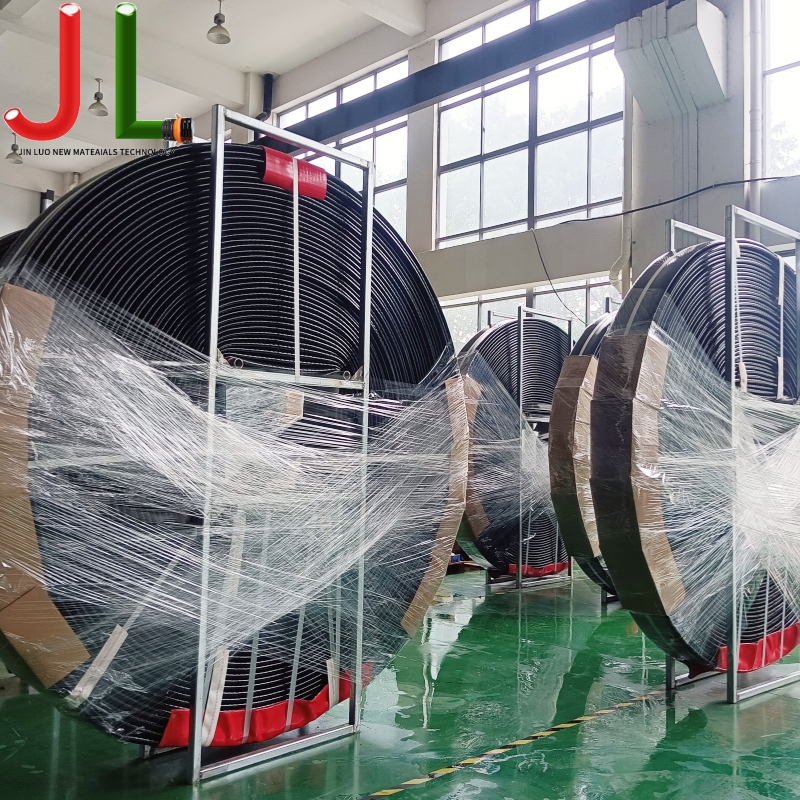
Choosing the right discharge hose is essential for ensuring safe and efficient fluid transfer. Consider the material, pressure rating, diameter, and flexibility of the hose before making your decision. By selecting the right hose for your needs, you can ensure reliable performance and avoid costly downtime.
Frequently Asked Questions (FAQ)
1. What is the difference between a discharge hose and a suction hose?
A discharge hose is used to transport liquids or gases away from a source, whereas a suction hose is used to draw fluids into a system.
2. Can a discharge hose be used for high-temperature applications?
Yes, but you must select a discharge hose specifically designed to handle high temperatures. Materials like silicone or certain types of rubber are suitable for such applications.
3. How do I determine the right diameter for my discharge hose?
The diameter of the discharge hose should match the flow rate and pressure requirements of your system. A larger diameter allows for a higher flow rate, while a smaller diameter is suitable for low-flow applications.
4. Are there discharge hoses that can be used for both water and chemicals?
Yes, but you need to ensure the hose material is compatible with the chemicals you're transferring. Polyurethane and rubber are common materials that offer good resistance to chemicals.
5. How do I maintain my discharge hose?
Proper maintenance includes regular inspection for wear and tear, cleaning after each use, and storing the hose in a cool, dry place to prevent damage from UV exposure.
References
- [1] Hose Specifications for Industrial Use, Industrial Hose Association, 2023.
- [2] Materials in Fluid Transfer Hoses, American Chemical Society, 2022.
Related Products
-

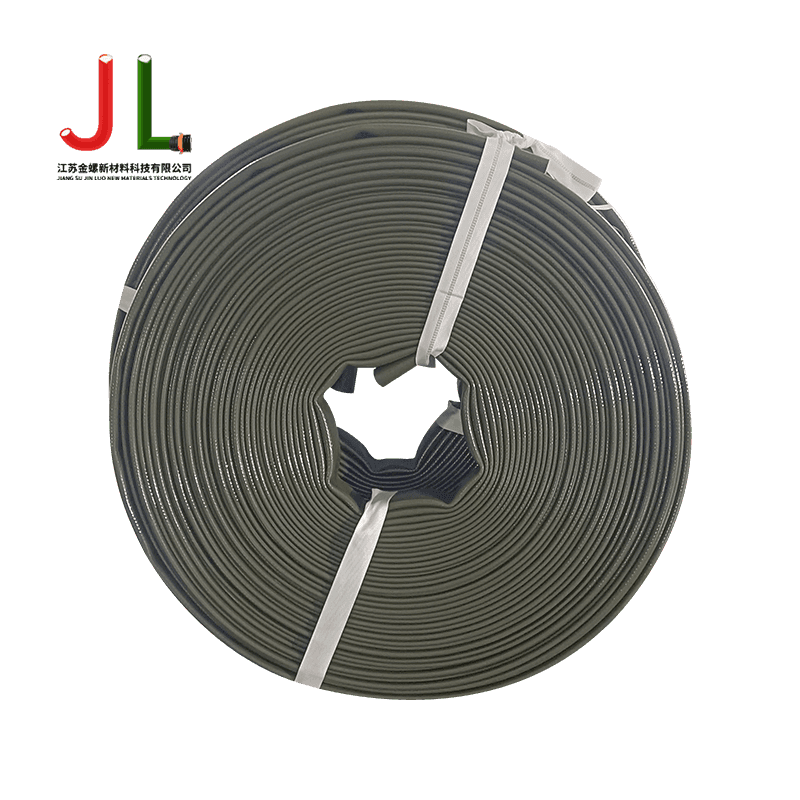
Jinluo Hose TPU Fracking Layflat Hose – Flexible Polyurethane Fracturing Water Supply Hose for Oilfield Applications
-
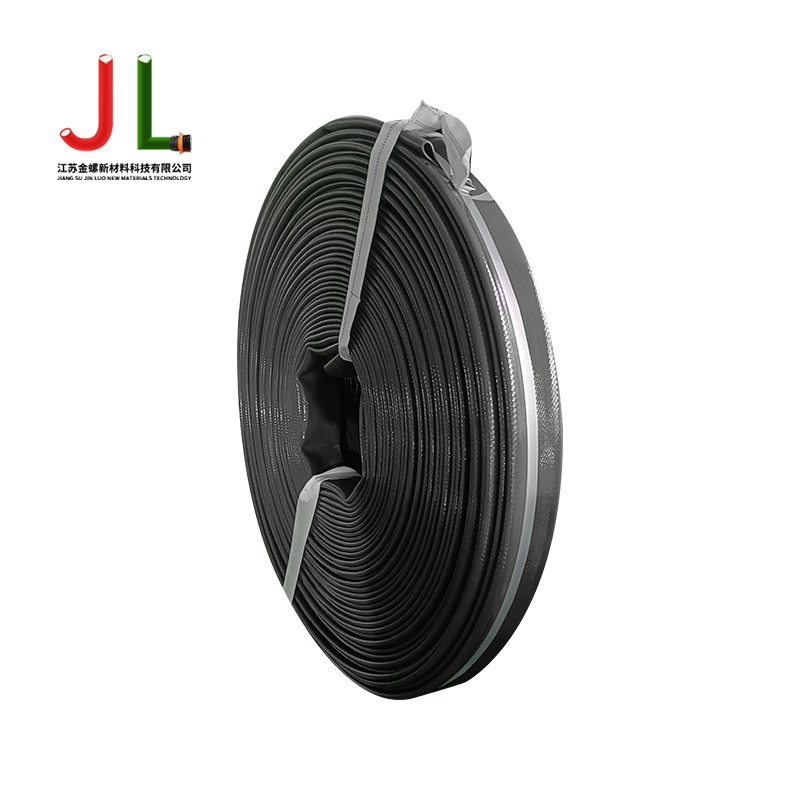
Jinluo Hose Polyurethane Fracturing Water Supply Hose
-
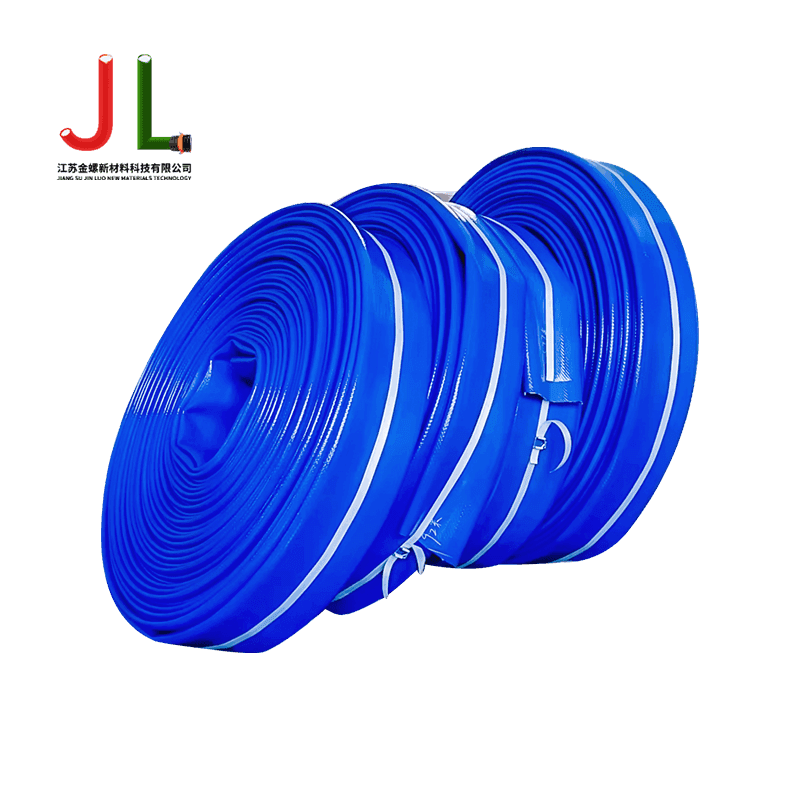
Jinluo Hose Polyurethane Slurry Hose – Reinforced Underground Mining Hose for Efficient Water and Slurry Discharge
-
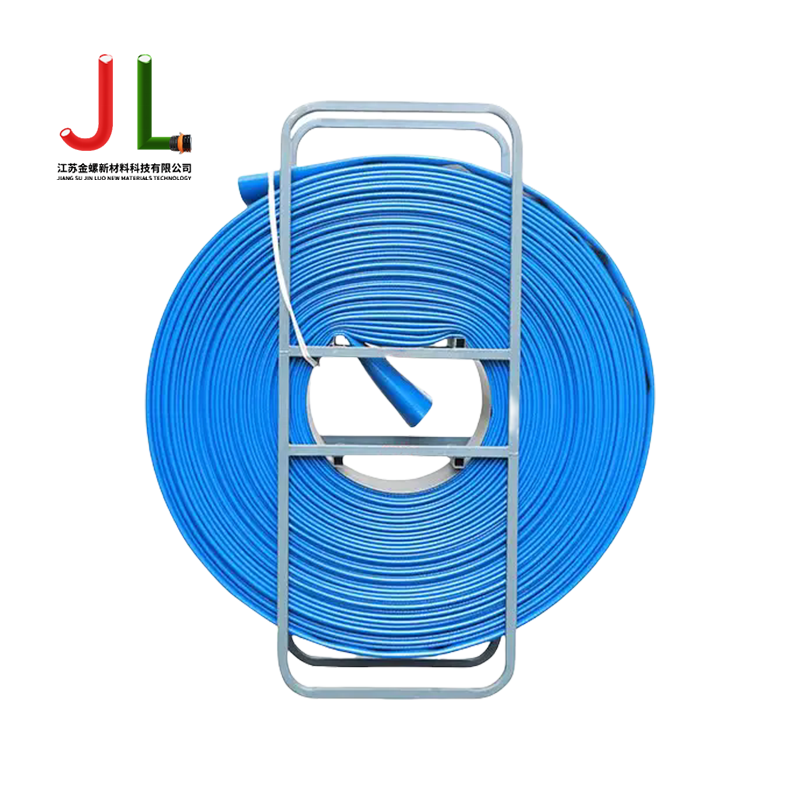
Jinluo Hose TPU frac water hose
-
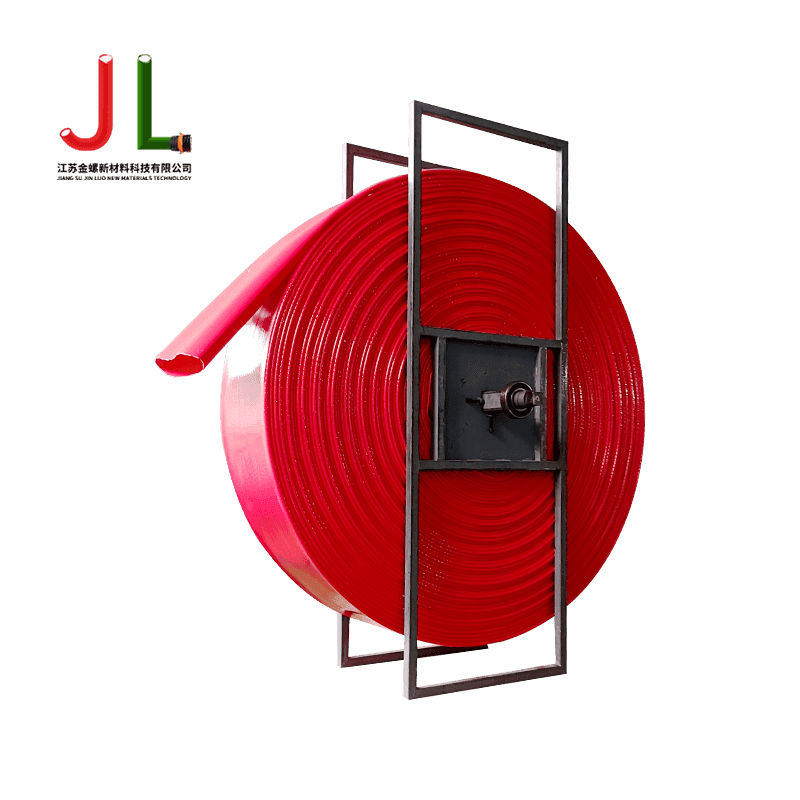
TPU Concrete Pouring Hose (Concrete Pumping Hose / Concrete Delivery Hose)
-
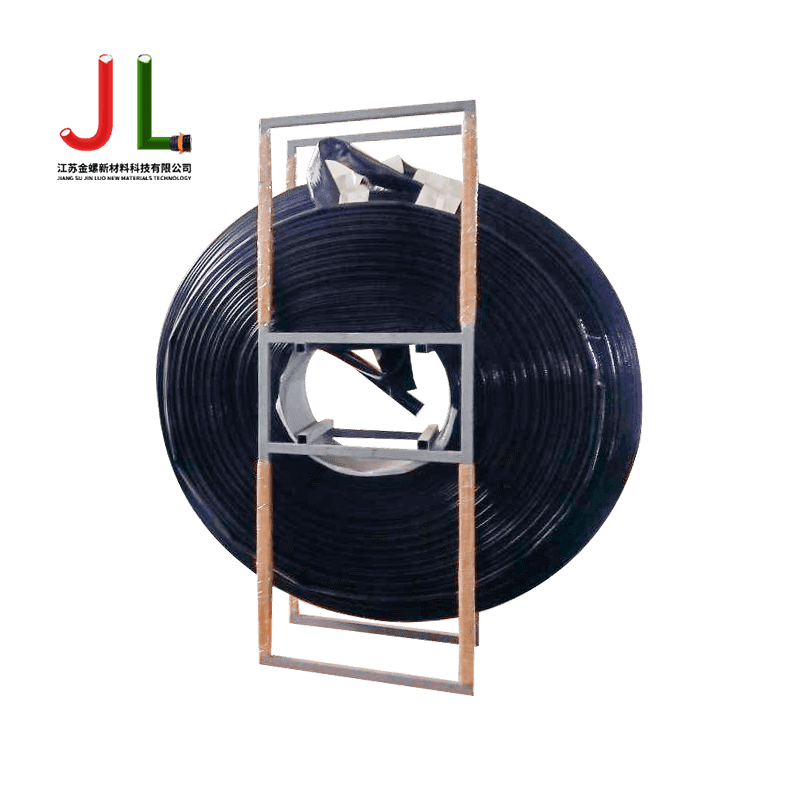
Jinluo Dual-Sided Polyurethane Trenchless Pipe Liner – Advanced Polyurethane Lining Hose for Trenchless Pipe Repair
-
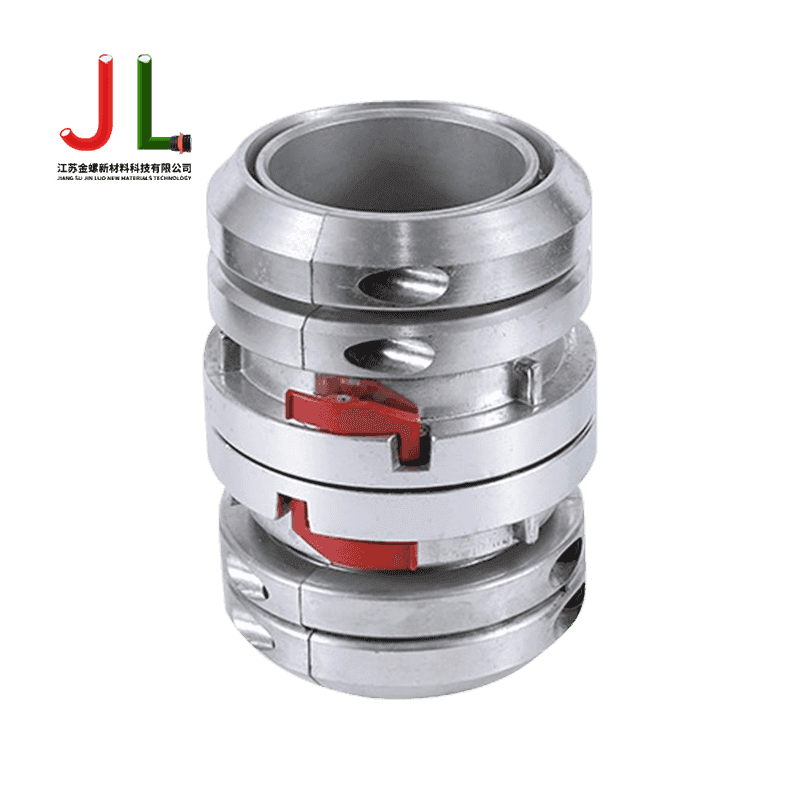
316 Stainless Steel Multi-Lug Quick Connect Couplings – Robust Stainless Steel Couplings for Quick Connections
-
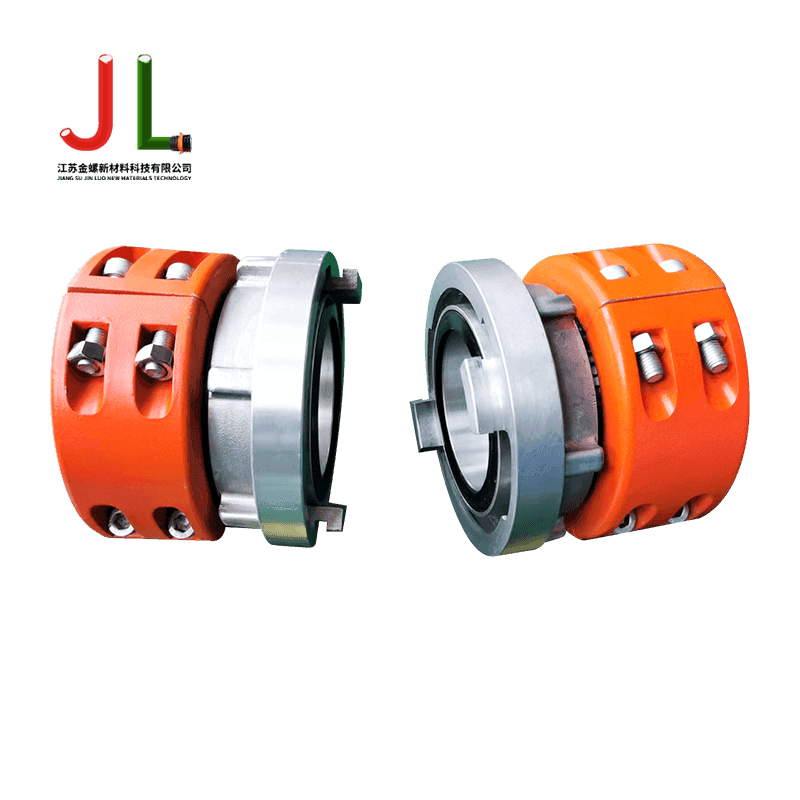
LDHC S Large Diameter Hose Coupling (Storz Type) – High-Performance Storz Type Coupling for Large Diameter Hose Connections
-
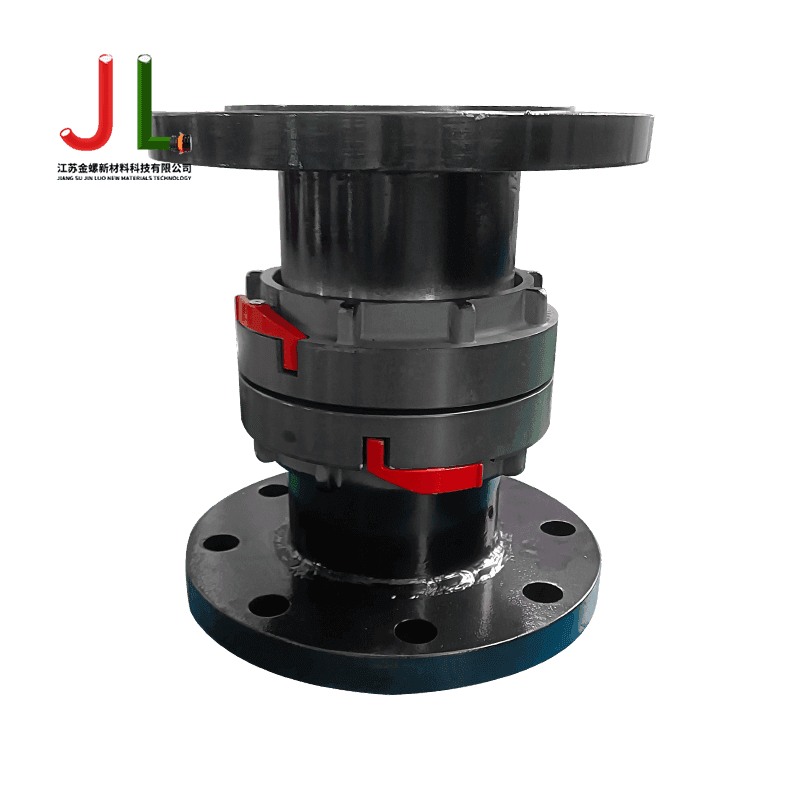
LDHC Large Diameter Hose Flange Coupling | High Pressure Sealing Carbon Steel / Stainless Steel Flange Connector for Petrochemical
Looking For Bussiness Opportunity?
Request for a call today

- Tel: +86-13801432164
- E-mail: [email protected]
- Address: No. 2 Workshop, East Zone, Photovoltaic Technology Industrial Park, No. 109 Yaojia Road, Jiulong Town, Hailing District, Taizhou City, Jiangsu Province, China
Quick Link
Products
Coprright 2025
Jiangsu Jinluo New Material Technology Co., Ltd.
Privacy
