


 English
 عربى
عربى
TPU Lay-Flat Hoses & High Pressure TPU Hose: Complete Buyer's Guide
Content
- 1 What Makes TPU the Superior Material for Lay-Flat Hoses
- 2 High Pressure TPU Hose: Ratings and What the Numbers Mean
- 3 Industry Applications: Where TPU Lay-Flat Hoses Outperform Alternatives
- 4 How to Specify the Right TPU Lay-Flat Hose: Parameters That Matter
- 5 Storage, Maintenance, and Service Life Optimization
What Makes TPU the Superior Material for Lay-Flat Hoses
Thermoplastic polyurethane (TPU) has become the dominant material in lay-flat hose manufacturing, and for good reason. Unlike PVC lay-flat hoses—which stiffen in cold temperatures and degrade rapidly under UV exposure—TPU lay-flat hoses maintain flexibility across a temperature range of approximately -40°C to +80°C. This thermal stability makes them viable in alpine irrigation projects, cold-climate mining operations, and year-round firefighting deployments where PVC alternatives routinely crack or lose their pressure-holding integrity.
TPU's molecular structure combines the elasticity of rubber with the processing characteristics of a thermoplastic. The result is a hose wall that resists abrasion at roughly 3 to 5 times the rate of standard rubber, handles repeated pressurization cycles without fatigue cracking, and remains dimensionally stable when stored flat on a reel. For applications that demand repeated roll-out and retrieval—wildfire suppression, temporary water transfer on construction sites, agricultural irrigation systems—this durability directly translates into longer service life and lower total cost of ownership.
Hydrolysis resistance is another key differentiator. TPU lay-flat hoses are routinely deployed in seawater transfer, sewage bypass, and chemical slurry transport where prolonged contact with moisture would cause PVC or rubber alternatives to swell, delaminate, or lose tensile strength. Well-formulated TPU compounds show less than 5% change in tensile strength after 1,000 hours of water immersion, making them a reliable choice for any sustained wet-environment application.
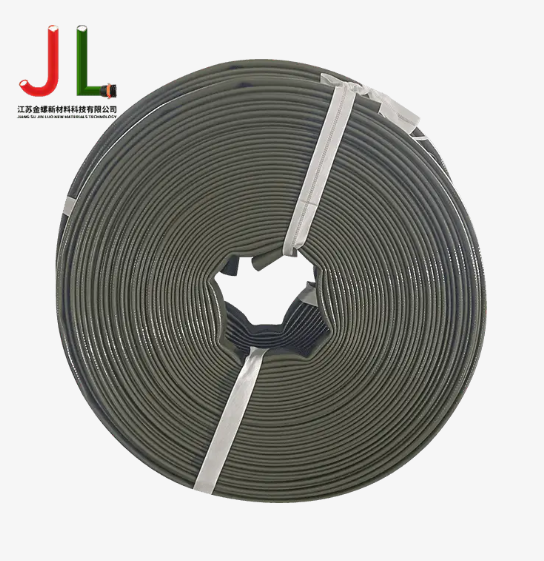
High Pressure TPU Hose: Ratings and What the Numbers Mean
Not all TPU lay-flat hoses are engineered for high pressure duty. Understanding how construction affects pressure performance is essential before specifying a hose for demanding applications.
Diameter and Flow Capacity
TPU lay-flat hoses are manufactured in diameters ranging from 2 inch up to 16 inches. As diameter increases, the hose wall must manage proportionally greater hoop stress. This is why very large-diameter hoses—even when constructed from TPU—are typically limited to lower working pressures unless additional reinforcement layers are added. Specifiers should always confirm burst pressure, working pressure, and safety factor simultaneously, not just a single rated figure.
Key Pressure Performance Comparison
| Hose Type | Typical Working Pressure | Reinforcement | Common Applications |
|---|---|---|---|
| Standard TPU Lay-Flat | 4–10 bar | Single polyester jacket | Irrigation, water transfer |
| High Pressure TPU Hose | 15–30 bar | Double or triple jacket | Fire suppression, mining, oil transfer |
| PVC Lay-Flat (reference) | 3–8 bar | Single polyester jacket | Light-duty irrigation |
Industry Applications: Where TPU Lay-Flat Hoses Outperform Alternatives
TPU lay-flat hoses are not a general-purpose solution—they're the right answer for specific operational conditions where their material properties deliver measurable advantages.
- Wildfire and municipal firefighting: TPU's resistance to heat and abrasion makes it the standard material for attack lines and supply hoses in demanding fire conditions. High pressure TPU hoses are used where pump discharge pressures exceed the range of standard hoses.
- Mining dewatering: Underground mine drainage often involves abrasive slurries and pumping heads that generate pressures well above 10 bar. Double-jacketed high pressure TPU hoses are specified for these circuits because they resist both the mechanical abrasion of particulate-laden flow and the chemical exposure of acidic mine water.
- Agricultural and large-scale irrigation: TPU lay-flat hoses are deployed in center-pivot systems, drip mainlines, and temporary flood irrigation setups. Their light weight relative to rigid pipe—a 4-inch diameter TPU lay-flat hose weighs roughly 0.3 to 0.6 kg/m—makes seasonal installation and removal practical at scale.
- Oil field and industrial fluid transfer: Where diesel, hydraulic oil, or light crude must be transferred temporarily between tanks or tankers, TPU's resistance to aliphatic hydrocarbons makes it suitable where PVC would swell and fail.
- Disaster relief and temporary infrastructure: In flood response and emergency water supply, TPU lay-flat hoses can be deployed rapidly over rough terrain, driven over by vehicles without damage, and retrieved for reuse without the degradation seen in lower-grade materials.
How to Specify the Right TPU Lay-Flat Hose: Parameters That Matter
Selecting the wrong hose—particularly underrating pressure capacity or overestimating chemical compatibility—creates failure risk in the field. The following parameters should be defined before procurement:
Working Pressure and Safety Factor
Identify the maximum system pressure at pump discharge, not average operating pressure. Apply a safety factor of at least 2.5:1 against burst pressure. For pulsating flow or water hammer conditions, increase this to 3:1 or higher. Never size a lay-flat hose to its rated working pressure as a ceiling—leave margin for surge events.
Fluid Compatibility
TPU is resistant to aliphatic hydrocarbons, water, and many dilute acids and alkalis. It is less suitable for aromatic hydrocarbons (benzene, toluene), ketones, and concentrated acids. Always confirm the specific fluid and concentration with the manufacturer's chemical resistance chart before specifying.
Temperature Range
Confirm both the ambient storage temperature and the fluid temperature. Some TPU compounds are optimized for low-temperature flexibility; others are formulated for higher service temperatures. The rated working pressure of a hose may be derated at elevated fluid temperatures, typically above 60°C.
Diameter and Length
Flow rate requirements and acceptable pressure drop across the hose run determine the minimum internal diameter. Longer runs require larger diameters to maintain flow velocity within acceptable limits. Hose lengths are typically supplied in 50 m, 100 m, or custom-cut reels; coupling compatibility (Camlock, Storz, NPT, BSP) should be confirmed at the ordering stage.
Storage, Maintenance, and Service Life Optimization
TPU lay-flat hoses have a longer service life than PVC alternatives, but that advantage depends on correct handling. The following practices preserve hose integrity and delay replacement cycles:
- Reel storage: Always reel hoses onto a proper drum at the correct tension. Kinking, folding, or tight-radius coiling under pressure stresses the reinforcement fibers and accelerates delamination.
- Post-use cleaning: After chemical or slurry service, flush the hose with clean water before storage. Residual fluid left inside during storage accelerates inner liner degradation and can compromise fitting seals.
- Pressure testing: Conduct annual hydrostatic pressure tests at 1.5× working pressure for any hose in critical service. Record test dates and results; retire hoses that show seepage, jacket bulging, or coupling movement under test pressure.
- UV and ozone exposure: While TPU is significantly more UV-resistant than PVC, prolonged outdoor storage without a cover will eventually cause surface degradation. Store reeled hoses under cover or use UV-stabilized TPU grades for long-term outdoor deployment.
- Coupling inspection: The most common failure point in lay-flat hose assemblies is the coupling-to-hose interface. Inspect ferrule crimps and hose clamps for corrosion, movement, or cracking after each deployment cycle.
A well-maintained TPU lay-flat hose in moderate-duty service typically achieves 5 to 10 years of operational life—substantially longer than the 2 to 4 years commonly reported for equivalent PVC constructions in the same conditions.
Related Products
-

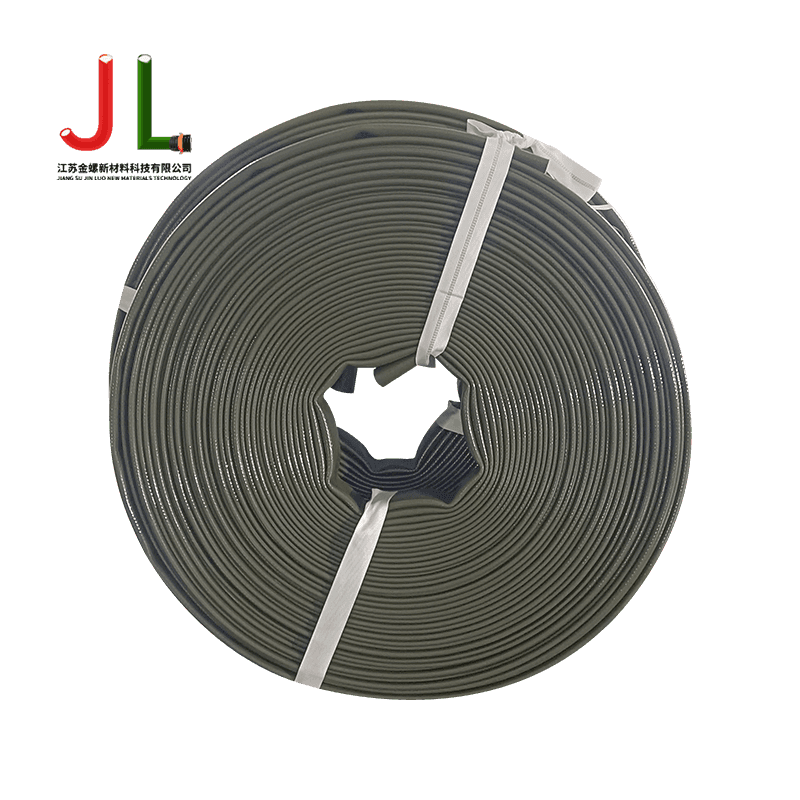
Jinluo Hose TPU Fracking Layflat Hose – Flexible Polyurethane Fracturing Water Supply Hose for Oilfield Applications
-
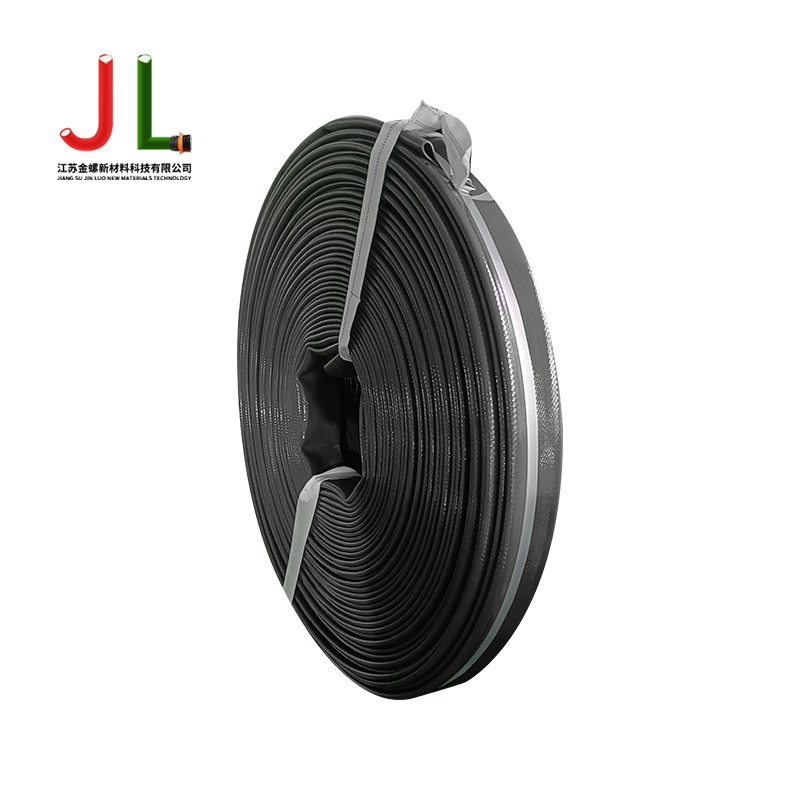
Jinluo Hose Polyurethane Fracturing Water Supply Hose
-
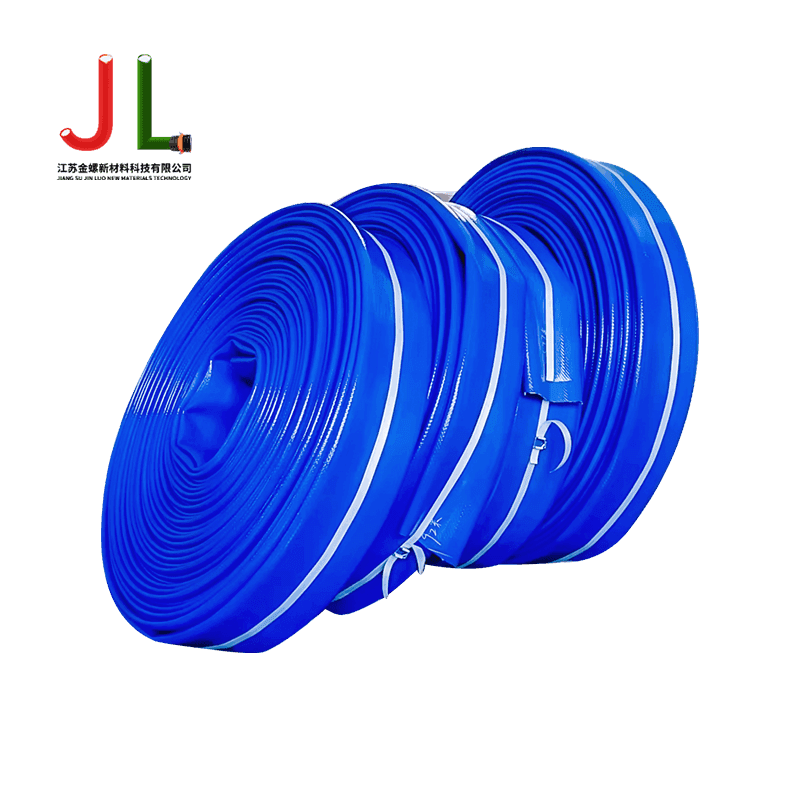
Jinluo Hose Polyurethane Slurry Hose – Reinforced Underground Mining Hose for Efficient Water and Slurry Discharge
-
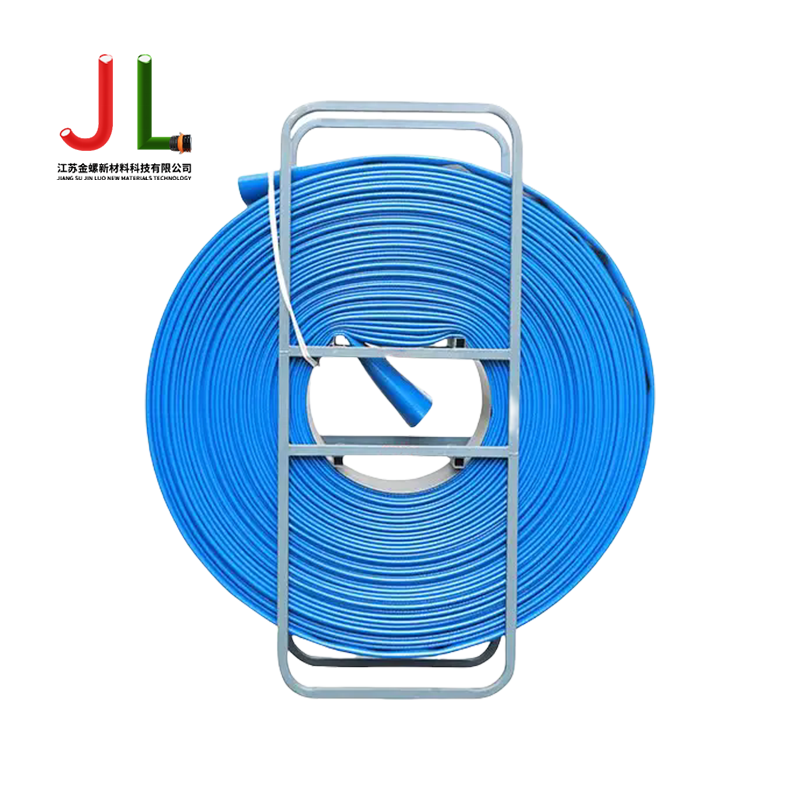
Jinluo Hose TPU frac water hose
-
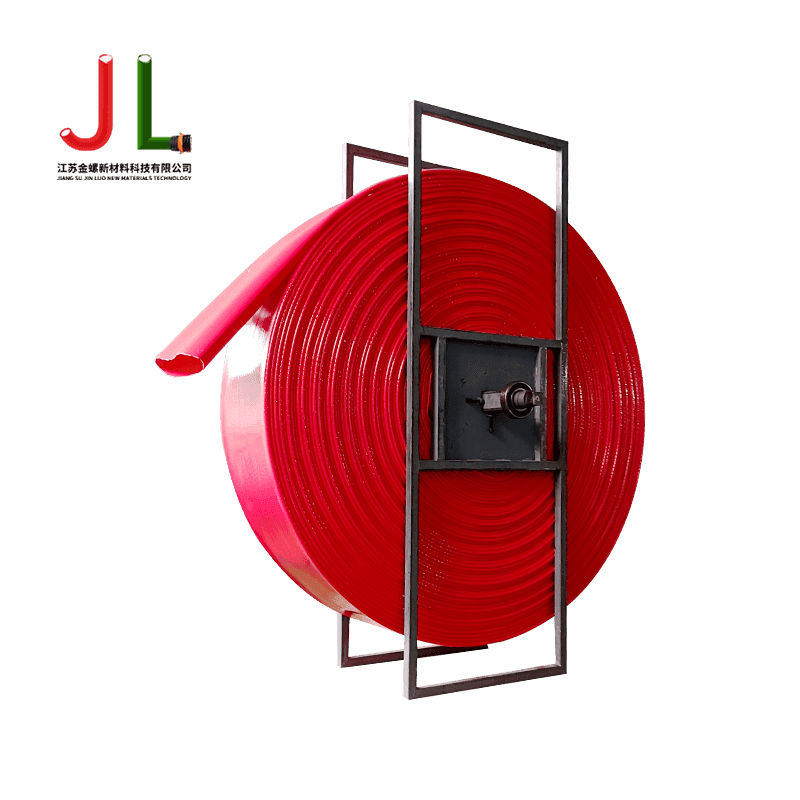
TPU Concrete Pouring Hose (Concrete Pumping Hose / Concrete Delivery Hose)
-
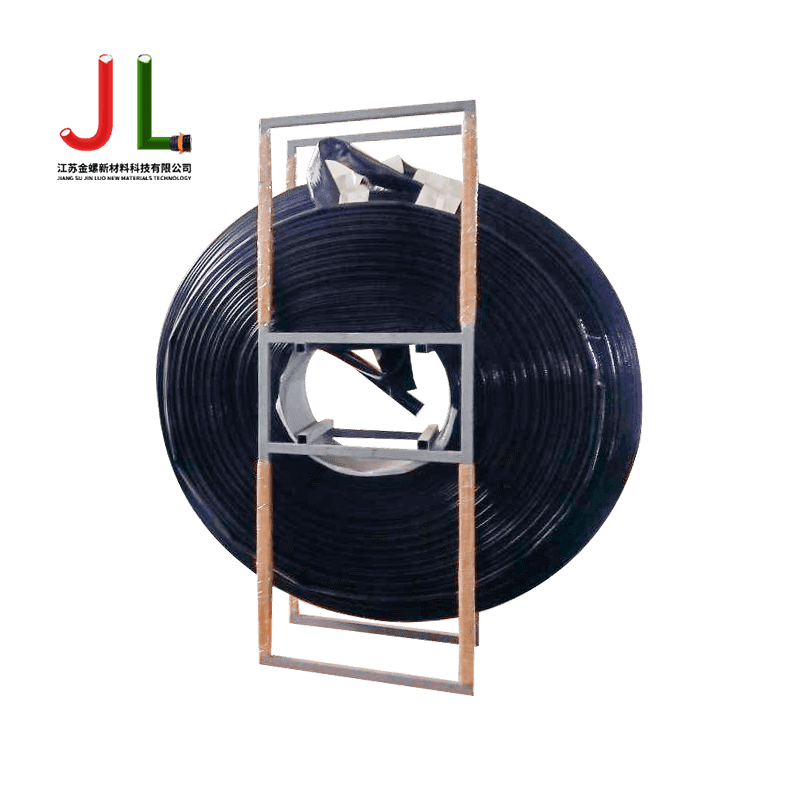
Jinluo Dual-Sided Polyurethane Trenchless Pipe Liner – Advanced Polyurethane Lining Hose for Trenchless Pipe Repair
-
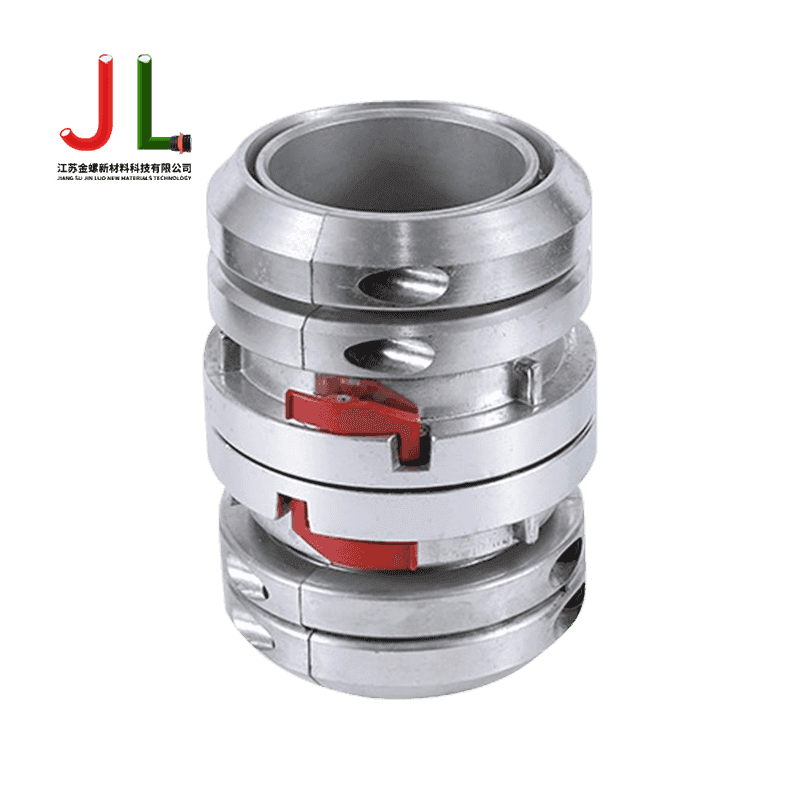
316 Stainless Steel Multi-Lug Quick Connect Couplings – Robust Stainless Steel Couplings for Quick Connections
-
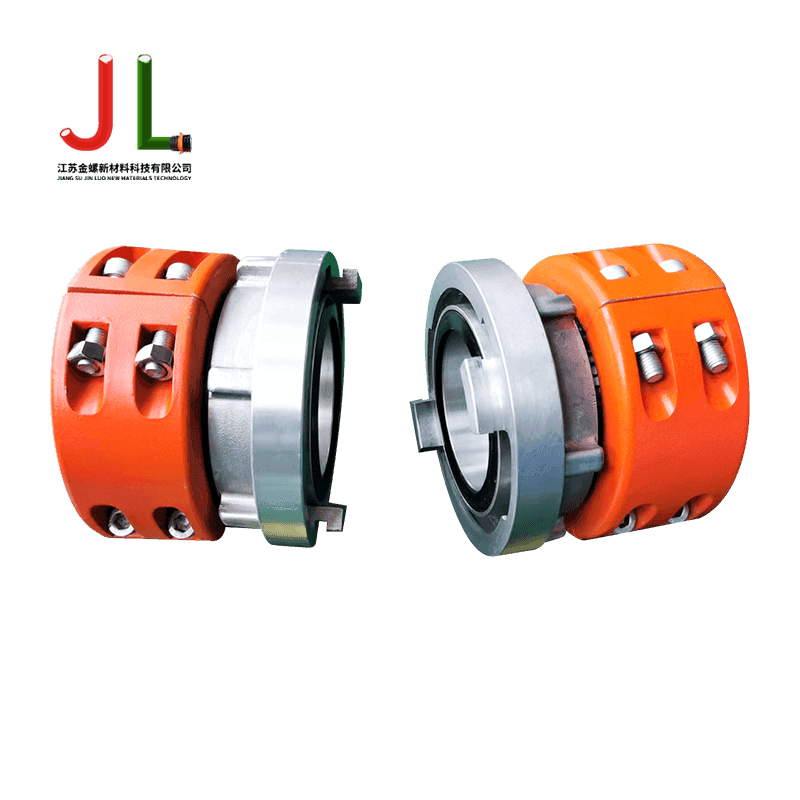
LDHC S Large Diameter Hose Coupling (Storz Type) – High-Performance Storz Type Coupling for Large Diameter Hose Connections
-
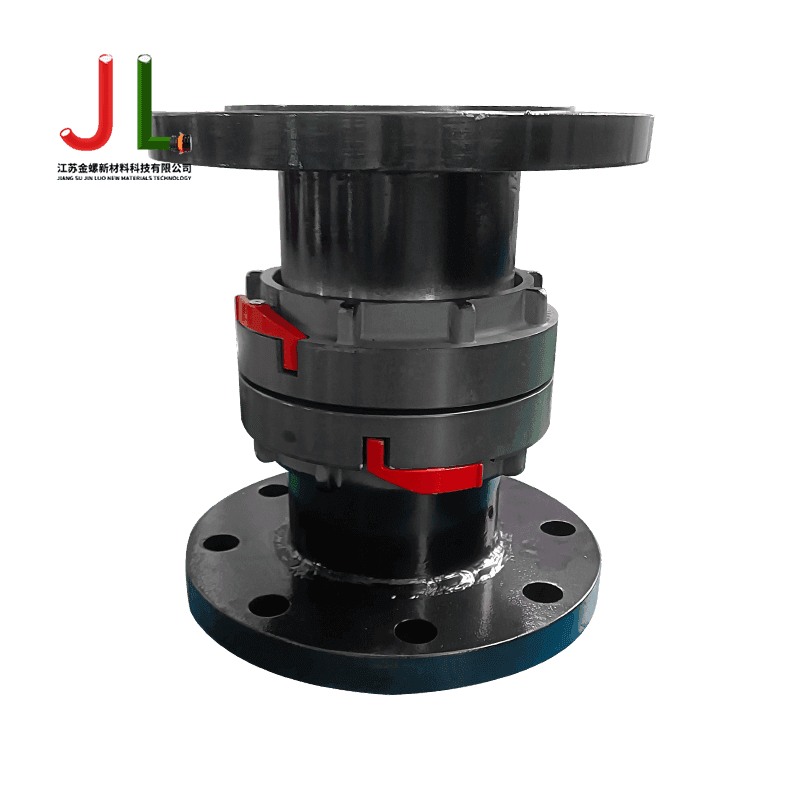
LDHC Large Diameter Hose Flange Coupling | High Pressure Sealing Carbon Steel / Stainless Steel Flange Connector for Petrochemical
Looking For Bussiness Opportunity?
Request for a call today

- Tel: +86-13801432164
- E-mail: [email protected]
- Address: No. 2 Workshop, East Zone, Photovoltaic Technology Industrial Park, No. 109 Yaojia Road, Jiulong Town, Hailing District, Taizhou City, Jiangsu Province, China
Quick Link
Products
Coprright 2025
Jiangsu Jinluo New Material Technology Co., Ltd.
Privacy
