


 English
 عربى
عربى
What Is a Fracturing and Oilfield Hose?
In the high-stakes world of oil and gas exploration and production, every component in the fluid transfer chain is critical. Among these, the humble hose is anything but simple; it is a precision-engineered lifeline that withstands punishing conditions to keep operations flowing safely and efficiently. A Fracturing and Oilfield hose is a specialized piece of equipment designed to convey a variety of aggressive media—from high-pressure fracturing fluid and abrasive drilling mud to produced water and crude oil—under extreme pressures, temperatures, and dynamic stresses. The failure of a single hose can lead to costly downtime, environmental incidents, and severe safety hazards. Understanding the engineering behind these hoses, from their robust construction to the rigorous standards they must meet, is essential for engineers, procurement specialists, and field operators. This guide delves into the anatomy of these vital components, explaining key high pressure frac hose specifications, the importance of API 7K frac hose certification, and the role of steel wire reinforced fracturing hose designs. We will also provide practical guidance on critical field applications, such as knowing when to schedule an oilfield mud pump hose replacement and how to select the right oilfield discharge hose for water transfer operations. By combining deep technical insight with field-level practicality, this article serves as a comprehensive resource for anyone responsible for specifying, maintaining, or operating these essential assets.
Content
Anatomy of a High-Performance Frac Hose
The extraordinary resilience of a quality fracturing hose is no accident; it is the result of a meticulously layered construction where each stratum serves a distinct and vital function. At its core, the design must balance seemingly contradictory demands: immense strength with flexibility, chemical resistance with abrasion tolerance, and longevity with manageable weight. This multi-layer approach begins with the tube or liner, the innermost layer in direct contact with the conveyed fluid. It is typically made from specialized synthetic rubber or thermoplastic polyurethane compounds formulated to resist degradation from chemicals, acids, and proppants found in fracking fluids. Surrounding this liner is the reinforcement layer, the true backbone of the hose that determines its pressure-bearing capacity. This is where the steel wire reinforced fracturing hose distinguishes itself, utilizing multiple spirals or braids of high-tensile steel wire to contain extreme internal pressures and withstand the pulsating fatigue from pump cycles. Finally, the cover layer acts as the first line of defense against the external environment. It is engineered to be exceptionally tough, resistant to weathering, ozone, UV radiation, oil, and physical abrasion from dragging over rough terrain, ensuring the integrity of the critical reinforcement beneath.
- The Inner Liner: Made from oil-resistant, abrasion-resistant compounds like NBR, HNBR, or polyurethane to protect against internal fluid chemistry.
- The Reinforcement Layer: High-tensile steel wire helically wound or braided in multiple layers to provide maximum burst pressure and impulse fatigue resistance.
- The Protective Cover: A rugged, weather-resistant outer layer, often made from synthetic rubber like CR or CSM, designed to withstand field abuse.
- End Fittings: Forged steel flanges or threaded fittings securely attached via swaging or crimping to form a leak-proof, high-integrity assembly.
Decoding Key Performance Metrics: High Pressure Frac Hose Specifications
Selecting the correct hose requires a thorough understanding of its high pressure frac hose specifications. These published metrics are not just numbers; they are a guarantee of performance limits under defined conditions. The most critical specification is the working pressure (WP), the maximum continuous pressure the hose is designed to handle safely. Equally important is the minimum burst pressure (MBP), which is typically a multiple of the WP (e.g., 4:1), representing the ultimate failure point. Test pressure (TP) is the pressure applied during factory proof testing, usually above the WP but below the MBP. Other vital specs include the inner diameter (ID), which affects flow rate and pressure drop; the bend radius, indicating how tightly the hose can be bent without kinking or damaging reinforcements; and the temperature range for both the media and ambient environment. Matching these specifications precisely to your pump's output, the fluid's properties, and the site's layout is fundamental to safe and reliable operation.
| Specification | What It Means | Why It Matters |
| Working Pressure (WP) | Max safe continuous operating pressure. | Ensures hose is not overloaded during normal pump operation. |
| Minimum Burst Pressure (MBP) | Pressure at which hose will catastrophically fail. | Defines the ultimate safety margin; a higher ratio to WP is better. |
| Bend Radius | Minimum radius the hose can bend without damage. | Critical for routing hoses in congested well sites; violating it can cause kinks and premature failure. |
| Temperature Range | Min/Max fluid and ambient temps the hose can handle. | Ensures material integrity in both arctic conditions and from hot produced fluids. |
Critical Applications and Replacement Guidance
The theoretical excellence of a hose is proven in its practical application. Two of the most demanding and common uses in the field highlight different aspects of hose performance and lifecycle management. On the high-pressure side, hoses connected to mud pumps and frac pumps are the arteries of the operation, handling abrasive, high-pressure fluids. On the high-volume side, discharge hoses for water transfer manage the massive flow rates required for fracturing operations and fluid handling, where pressure may be lower but durability and flow efficiency are key.
Mud Pump Systems: The Heartbeat of Drilling
Mud pump hoses operate in one of the most punishing environments, constantly exposed to high-pressure pulsations and abrasive drilling mud. Knowing when to execute an oilfield mud pump hose replacement is a critical skill that balances safety with operational economics. Waiting for a catastrophic failure is never an option. Key indicators for replacement include visible cracks or severe abrasion on the cover that exposes the reinforcement wires, localized bulging or swelling which indicates internal ply separation, significant and persistent leakage at the fittings, or a hose that has exceeded its recommended service life based on pressure cycles. Implementing a proactive replacement schedule based on hours of operation and regular, documented inspections is far more cost-effective than dealing with unplanned downtime.
Water Transfer and Fluid Handling: Managing High Volumes
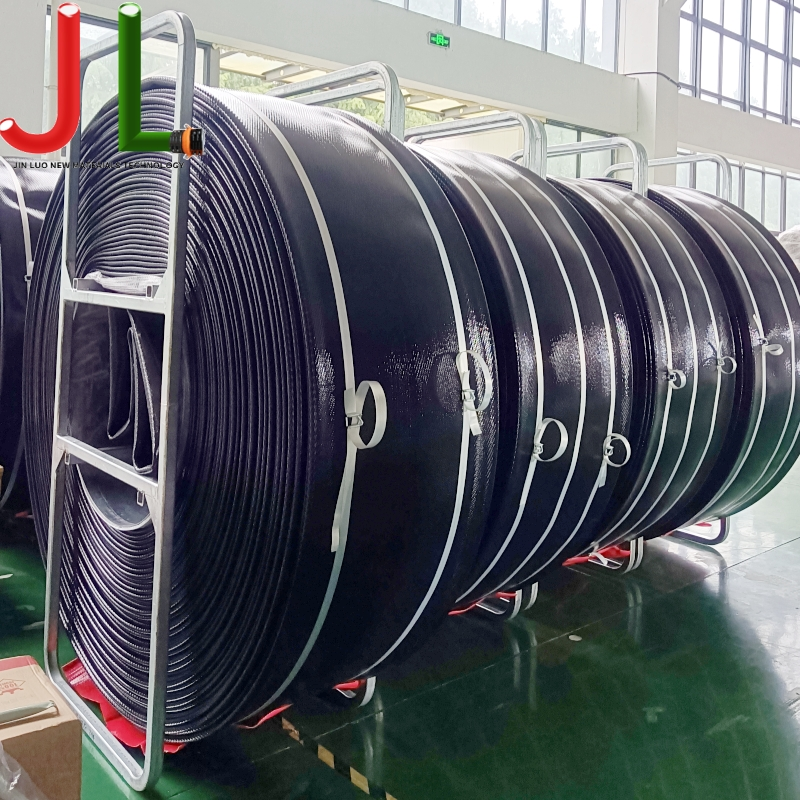
For operations like supplying water to frac blenders or transferring produced water, a different hose profile is often used. An oilfield discharge hose for water transfer is engineered to optimize for large inner diameter, low flow resistance, and exceptional toughness against dragging and crushing. While still robust, its reinforcement may utilize high-strength textile plies like polyester or aramid instead of, or in combination with, lighter steel wire, creating a more flexible and sometimes lighter-weight hose suitable for layflat use over long distances. The key specifications here focus on ID for flow rate, suction capability (if used on the pump intake), and exceptional abrasion resistance for the cover.
| Application | Primary Stressors | Hose Selection Focus |
| Mud Pump / Frac Pump | Extreme High Pressure, Abrasive Slurries, Pulsation | Maximum WP & MBP, Steel Wire Reinforcement, Abrasion-Resistant Liner |
| Water Transfer / Discharge | High Flow Volume, Dragging/Crushing, Weathering | Large ID, Flexible & Tough Construction, Excellent Cover Abrasion Resistance |
FAQ
How often should a high-pressure frac hose be replaced?
There is no single time-based answer, as replacement frequency depends on operating pressure cycles, fluid abrasiveness, and environmental conditions. The best practice is to follow a condition-based maintenance program. Hoses should be replaced immediately if inspection reveals any cover damage exposing reinforcement, bulges, deep cuts, or hardened/cracked rubber. Additionally, manufacturers often provide a recommended service life based on maximum working pressure and impulse cycles. Proactively replacing hoses as part of a scheduled maintenance plan, informed by the manufacturer's guidance and rigorous inspection records, is far safer and more economical than reacting to a failure.
What does the "4:1 safety factor" mean on a hose?
The 4:1 safety factor (or similar ratio like 3:1 or 5:1) is a critical design principle. It means the hose's minimum burst pressure (MBP) is four times higher than its rated working pressure (WP). For example, a 10,000 PSI WP hose would have an MBP of at least 40,000 PSI. This large margin accounts for pressure spikes, potential under-rating of system pressure, material fatigue over time, and unforeseen stresses. It is a fundamental safety buffer. When evaluating high pressure frac hose specifications, a higher safety factor generally indicates a more robust and conservatively designed product.
What is the difference between a "layflat" hose and a standard rubber hose for water transfer?
A standard rubber discharge hose is typically round and maintains its shape when empty, often with spiral wire to prevent collapse under suction. A layflat hose, often used as an oilfield discharge hose for water transfer, is designed to be flexible and flatten completely when empty, making it much easier to roll, transport, and store over long lengths. Layflat hoses are usually made from PVC or polyurethane-coated fabrics. They are excellent for temporary, high-volume water lines over ground but generally have lower pressure ratings and less abrasion resistance than a heavy-duty round rubber discharge hose meant for more permanent or rugged service.
Related Products
-

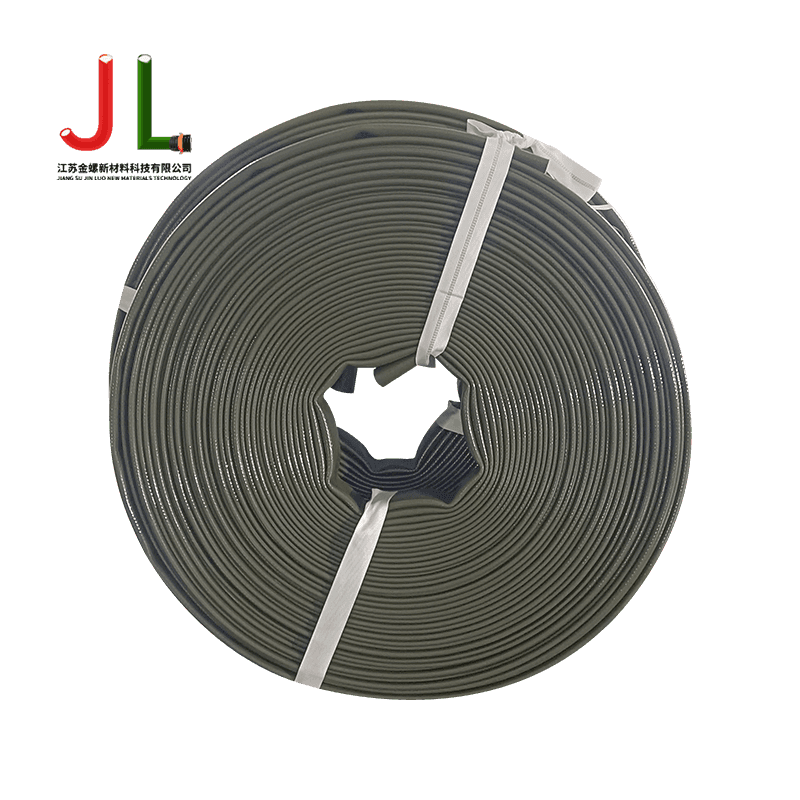
Jinluo Hose TPU Fracking Layflat Hose – Flexible Polyurethane Fracturing Water Supply Hose for Oilfield Applications
-
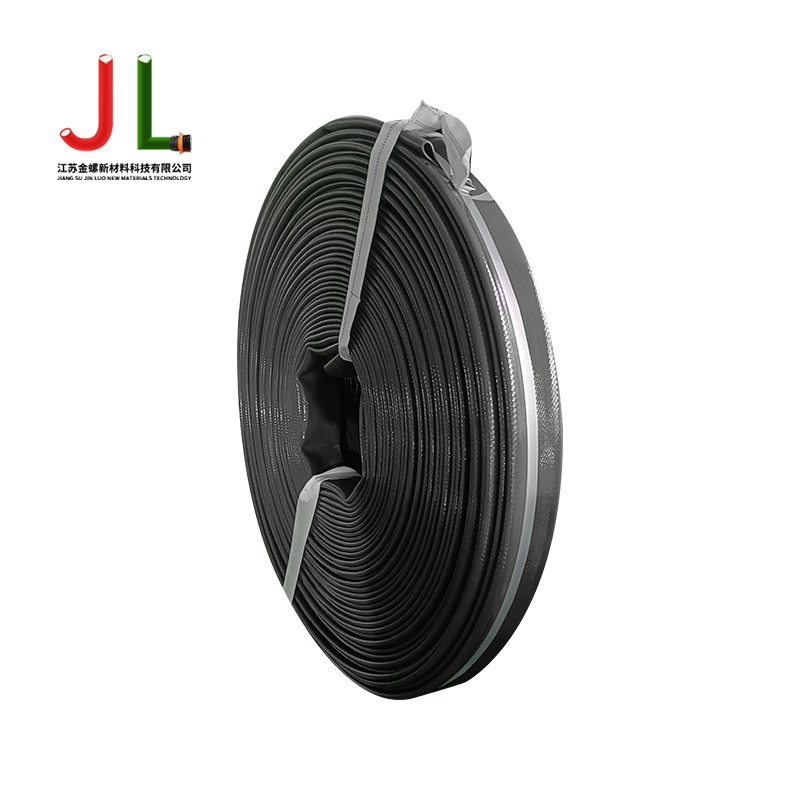
Jinluo Hose Polyurethane Fracturing Water Supply Hose
-
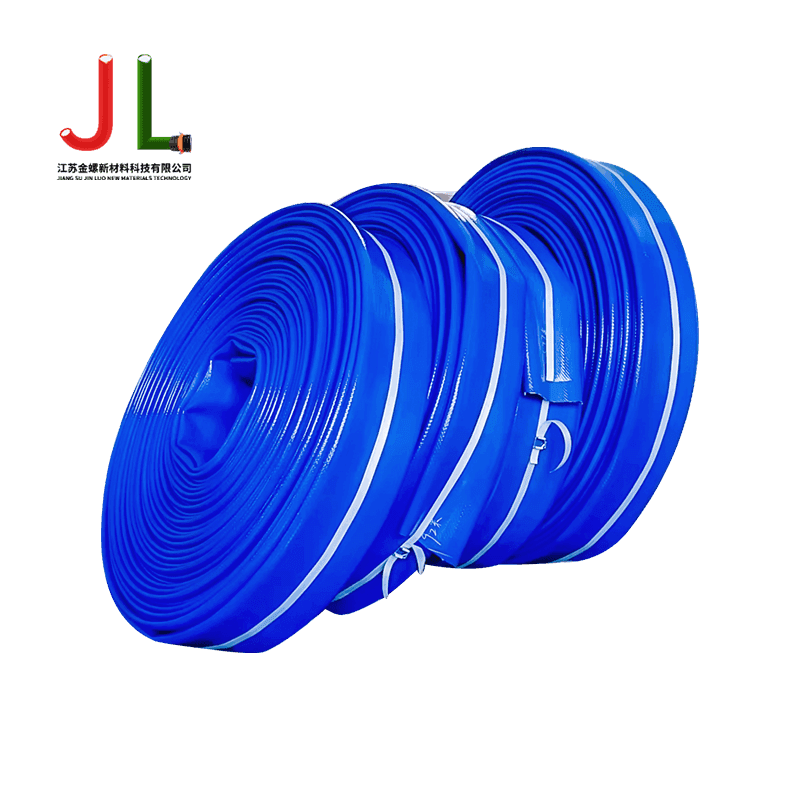
Jinluo Hose Polyurethane Slurry Hose – Reinforced Underground Mining Hose for Efficient Water and Slurry Discharge
-
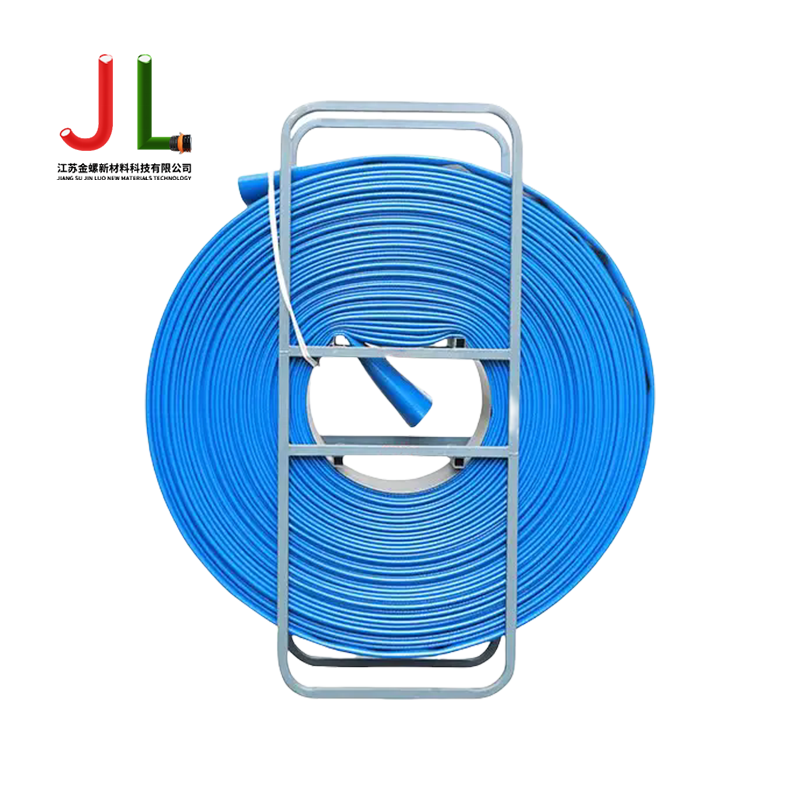
Jinluo Hose TPU frac water hose
-
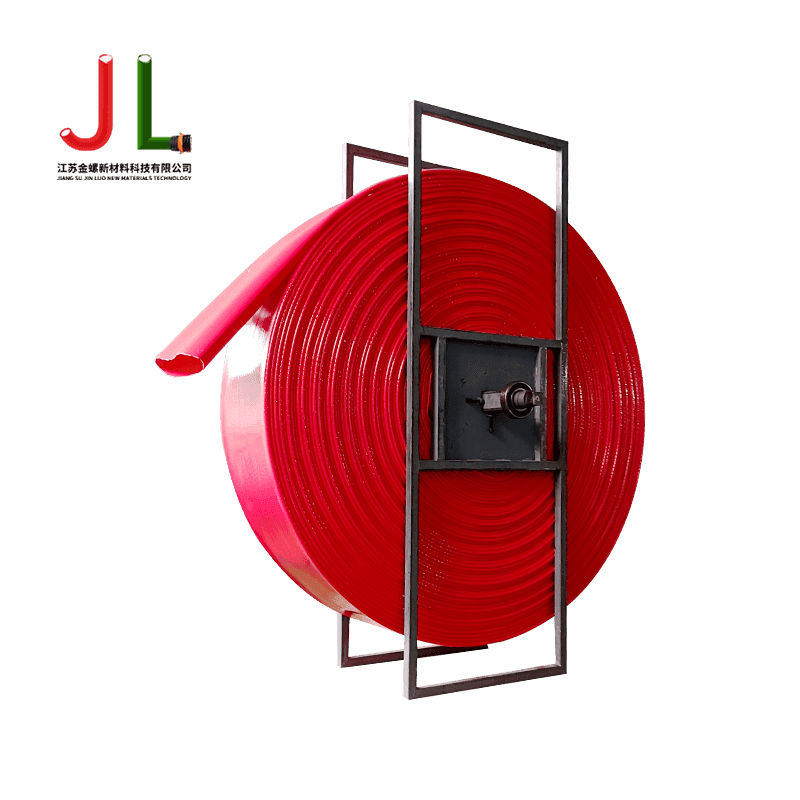
TPU Concrete Pouring Hose (Concrete Pumping Hose / Concrete Delivery Hose)
-
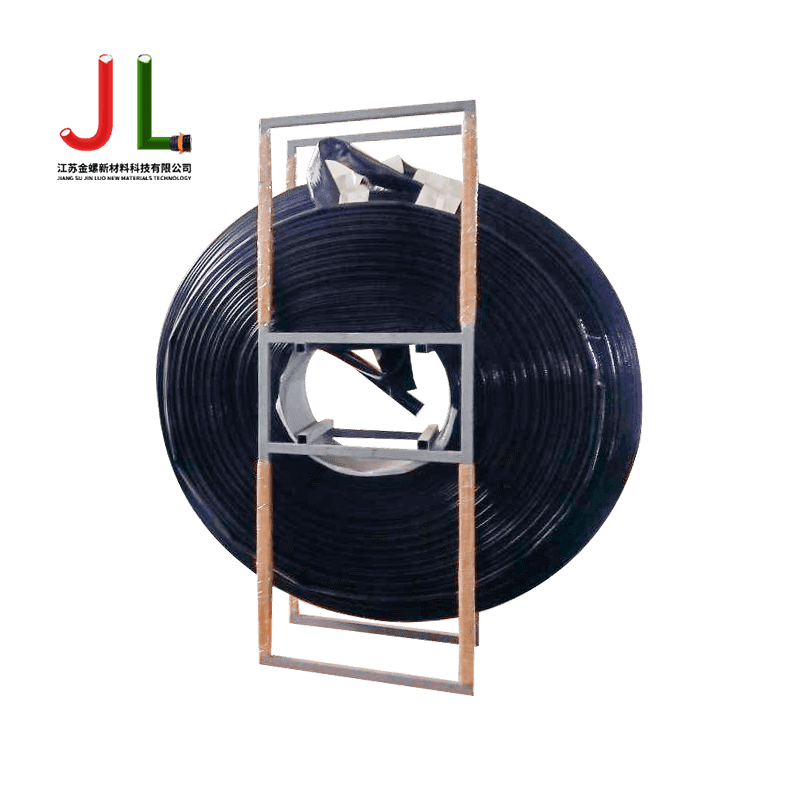
Jinluo Dual-Sided Polyurethane Trenchless Pipe Liner – Advanced Polyurethane Lining Hose for Trenchless Pipe Repair
-
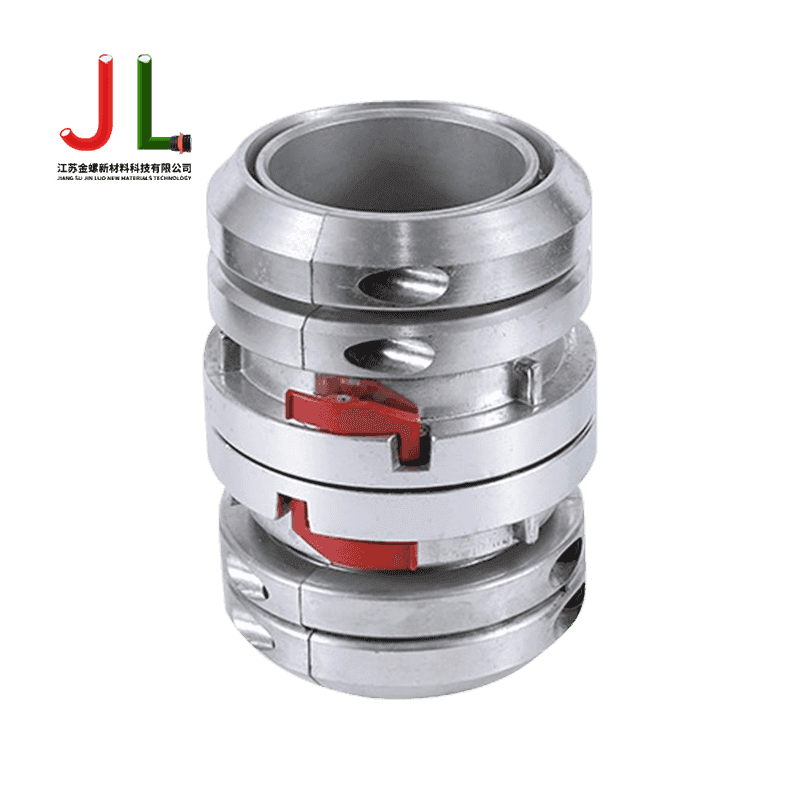
316 Stainless Steel Multi-Lug Quick Connect Couplings – Robust Stainless Steel Couplings for Quick Connections
-
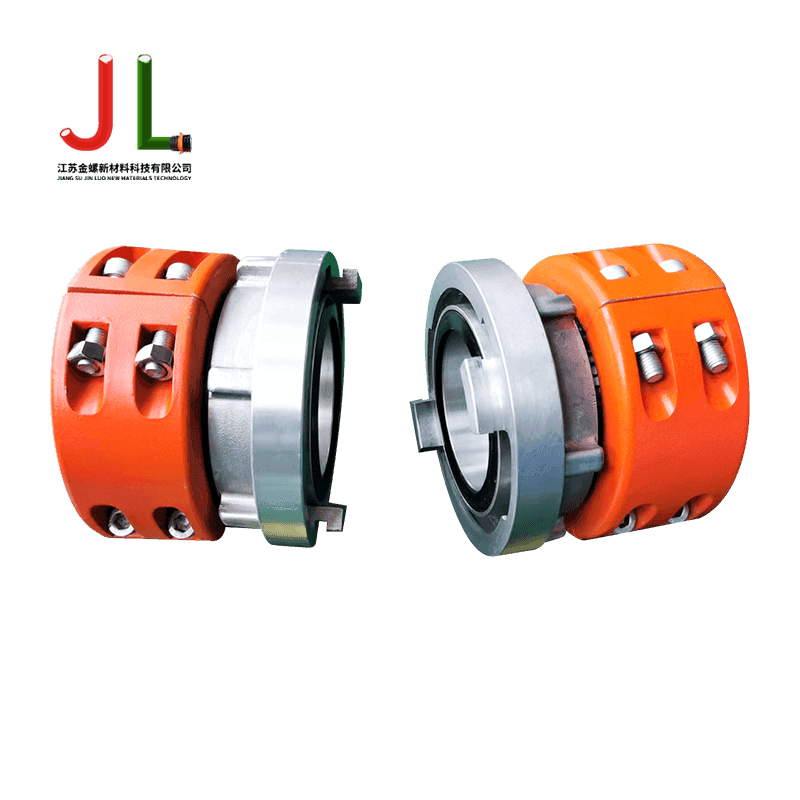
LDHC S Large Diameter Hose Coupling (Storz Type) – High-Performance Storz Type Coupling for Large Diameter Hose Connections
-
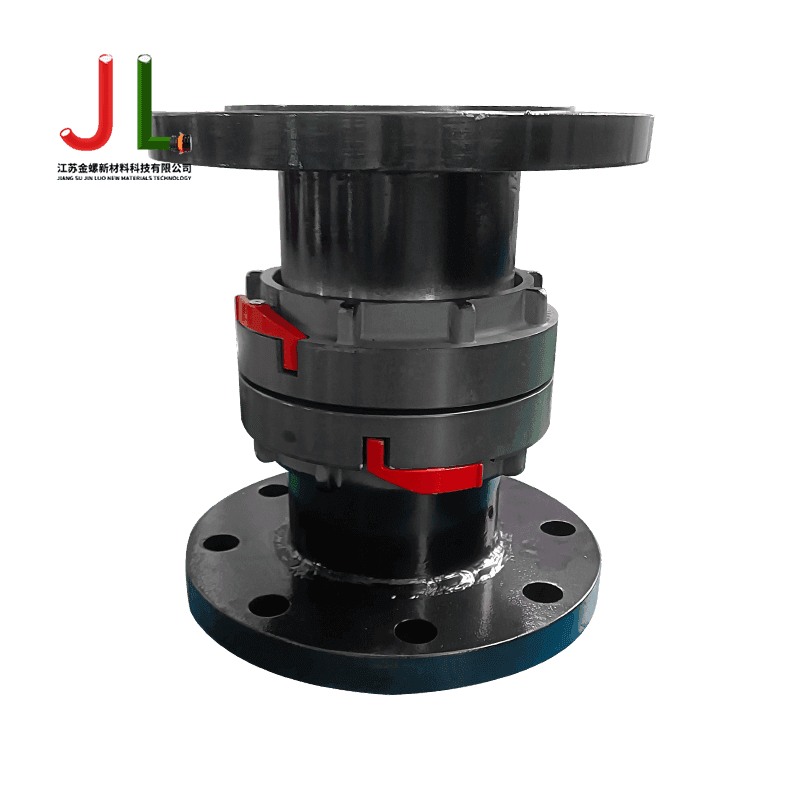
LDHC Large Diameter Hose Flange Coupling | High Pressure Sealing Carbon Steel / Stainless Steel Flange Connector for Petrochemical
Looking For Bussiness Opportunity?
Request for a call today

- Tel: +86-13801432164
- E-mail: [email protected]
- Address: No. 2 Workshop, East Zone, Photovoltaic Technology Industrial Park, No. 109 Yaojia Road, Jiulong Town, Hailing District, Taizhou City, Jiangsu Province, China
Quick Link
Products
Coprright 2025
Jiangsu Jinluo New Material Technology Co., Ltd.
Privacy
