


 English
 عربى
عربى
How Does a Mining Dewatering Hose Handle Abrasion?
Open-pit and underground mines accumulate large volumes of groundwater and runoff. A Mining Dewatering Hose moves this abrasive slurry away from active work zones. Procurement engineers must select hoses that withstand severe wear, high pressure, and constant flexing. This guide explains the structural engineering behind heavy-duty water discharge lines for wholesale buyers.
Content
Core Structural Components
Industrial water hoses consist of three primary layers. The inner tube carries the fluid. The reinforcement layer handles the system pressure. The outer cover resists environmental damage. Each layer requires specific material formulations to survive mining conditions.
Heavy Duty Mining Dewatering Hose Construction
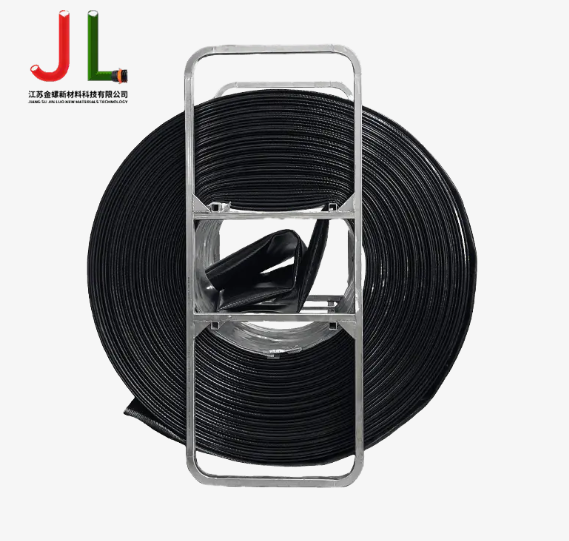
A heavy-duty mining dewatering hose uses a thick, smooth TPU inner tube . This smooth interior minimizes friction losses and prevents solid particles from catching on the walls. The reinforcement typically features multiple plies of high-tensile polyester or aramid cords. These cords are woven in a spiral pattern to provide excellent hoop strength. The outer cover includes embedded abrasive-resistant TPU to survive dragging across rocky terrain.
Material Science and Abrasion Resistance
Mine water contains sharp rock fragments, sand, and clay. These suspended solids act like sandpaper against the inner tube. Manufacturers measure this wear using standardized abrasion tests.
PVC vs TPU Mining Dewatering Hose
Buyers often evaluate polyvinyl chloride against TPU. A PVC vs TPU mining dewatering hose comparison reveals distinct performance gaps. PVC offers a lower initial purchase price and resists mildew. However, PVC becomes stiff in freezing temperatures and suffers rapid wear from sharp particulates. TPU maintains flexibility in sub-zero conditions and provides superior tear resistance. The following table illustrates the technical differences between these two materials.
| Specification | PVC Composition | TPU Composition |
| Abrasion Loss (DIN Abrader) | 120 to 150 mm3 | 20to 75mm3 |
| Minimum Flex Temperature | -10 degrees Celsius | -40 degrees Celsius |
| Burst Pressure Ratio | 3:1 | 3:1 |
| Typical Service Life | 1 to 2 years | 5 to 10 years |
Performance Ratings and Sizing
Engineers size discharge lines based on flow velocity and pump output. Using an undersized hose causes excessive pressure drop and turbulent flow, which accelerates internal wear.
High-Pressure Mining Dewatering Hose Specifications
Pumps located deep in mine shafts generate significant discharge heads. A high-pressure mining dewatering hose must safely handle these forces. Standard applications require a working pressure of 10 to 15 bar. High-head applications demand hoses rated for 20 to 30 bar. Manufacturers test these products to a burst pressure ratio of three times the working pressure. Wholesale buyers should verify the exact working pressure and test certificates before purchasing large batches.
- Standard duty working pressure: 10 to 15 bar
- High-pressure working range: 20 to 30 bar
- Burst pressure safety factor: 3:1
End Fittings and Connection Integrity
The coupling interface represents the most common point of failure. Water blasting out of a disconnected fitting poses severe safety risks to site workers.
Maintenance and Storage Protocols
Proper handling significantly extends the lifespan of TPU components. Operators should drain the hoses after each shift to prevent stagnant water from degrading the inner tube. Storage areas must protect the rubber from ultraviolet light and ozone exposure, which cause premature cracking. Hoses should rest on flat racks rather than sharp pipe racks to prevent permanent deformation.
Frequently Asked Questions
What is the typical lifespan of a tpu dewatering hose in a hard rock mine?
In highly abrasive hard rock environments, a premium TPU hose typically lasts 3~5years with continuous use. Factors like water pH, solid concentration, and daily flexing cycles directly impact this timeline. Routine inspections for soft spots or exposed reinforcement plies help prevent catastrophic failures.
How do you calculate the correct hose diameter for a specific pump?
Engineers calculate the required internal diameter using the flow rate and the desired fluid velocity. For dewatering applications, the velocity should generally stay between 2 and 3 meters per second. Higher velocities cause severe internal erosion, while lower velocities allow heavy solids to settle and clog the line.
References
- ISO 4447:2019, Rubber hoses and hose assemblies for water suction and discharge
- EN 1765:2015, Rubber and plastics hoses for water discharge
- DIN 53516, Determination of abrasion resistance of rubber
- ISO 7751, Rubber and plastics hoses - Determination of adhesion between components
- BS 5173, Methods of test for rubber and plastics hoses and hose assemblies
Related Products
-

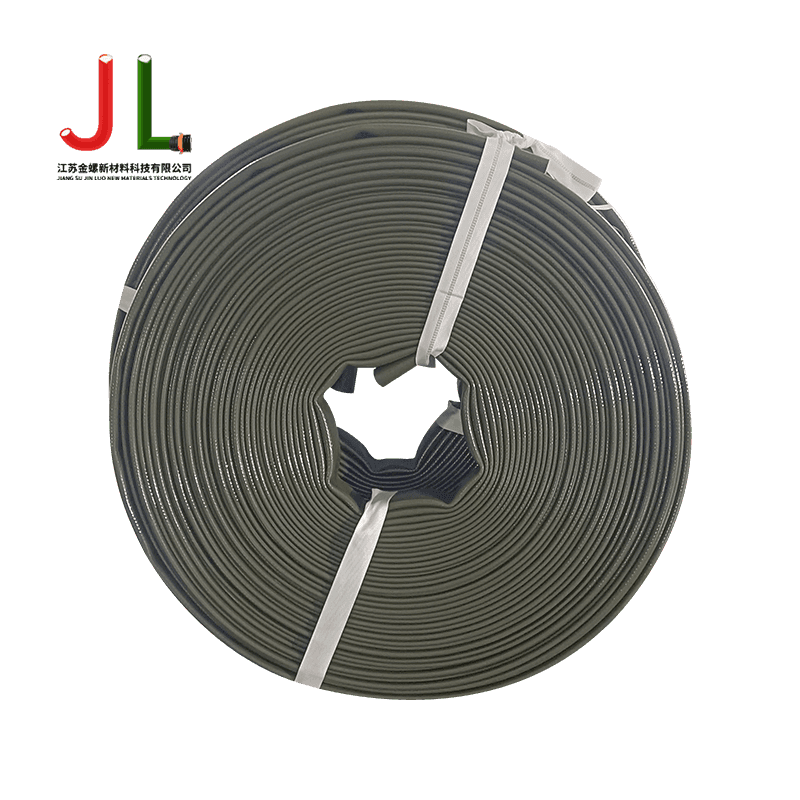
Jinluo Hose TPU Fracking Layflat Hose – Flexible Polyurethane Fracturing Water Supply Hose for Oilfield Applications
-
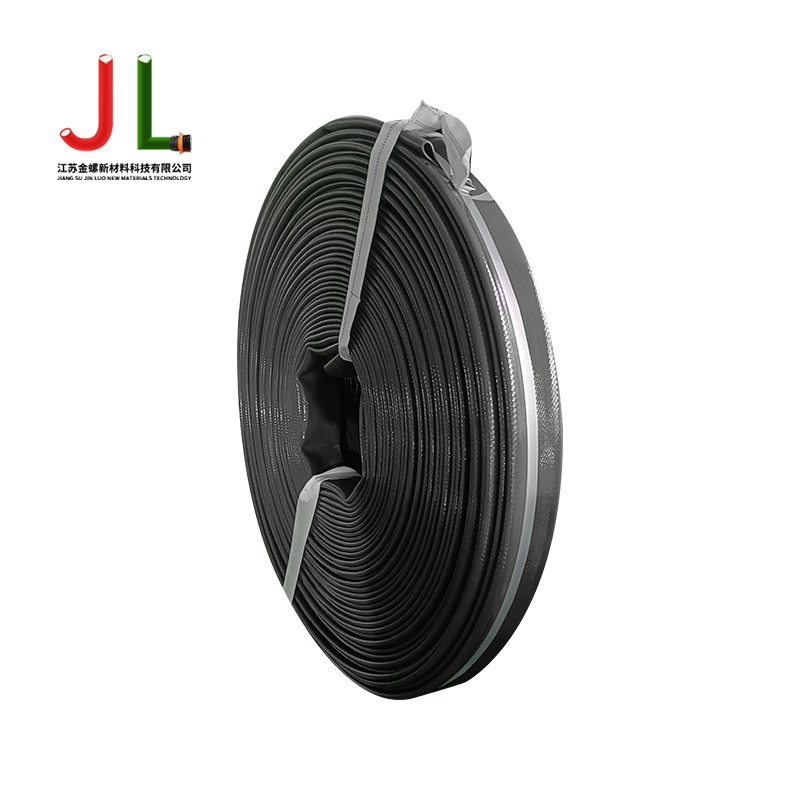
Jinluo Hose Polyurethane Fracturing Water Supply Hose
-
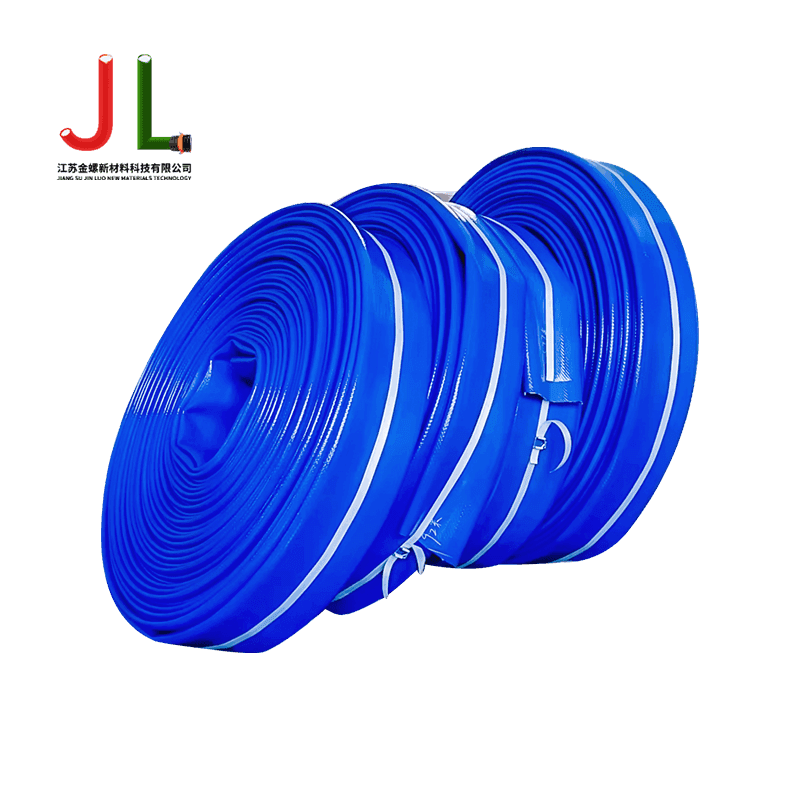
Jinluo Hose Polyurethane Slurry Hose – Reinforced Underground Mining Hose for Efficient Water and Slurry Discharge
-
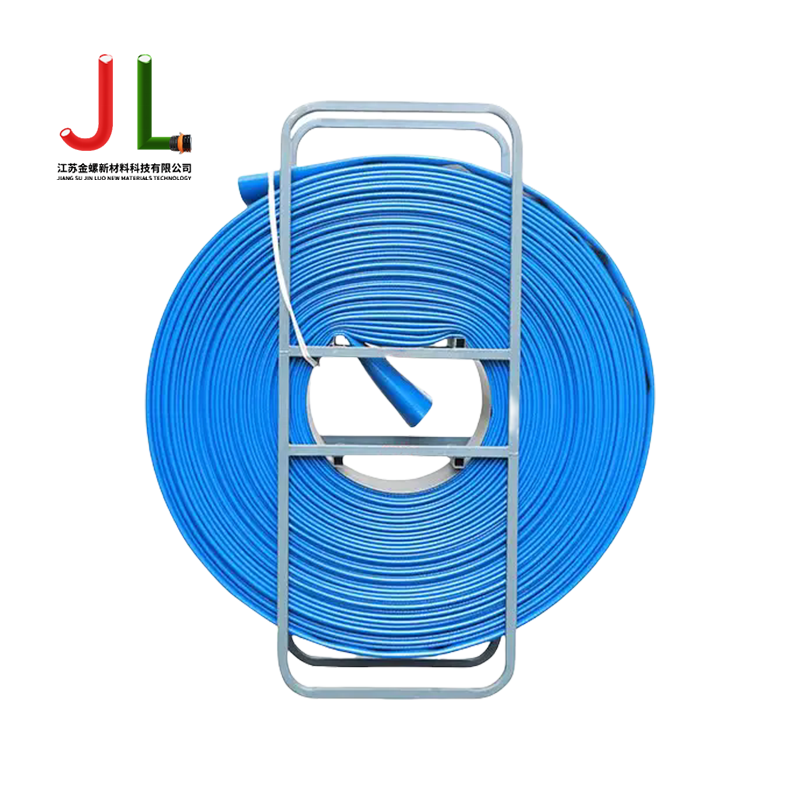
Jinluo Hose TPU frac water hose
-
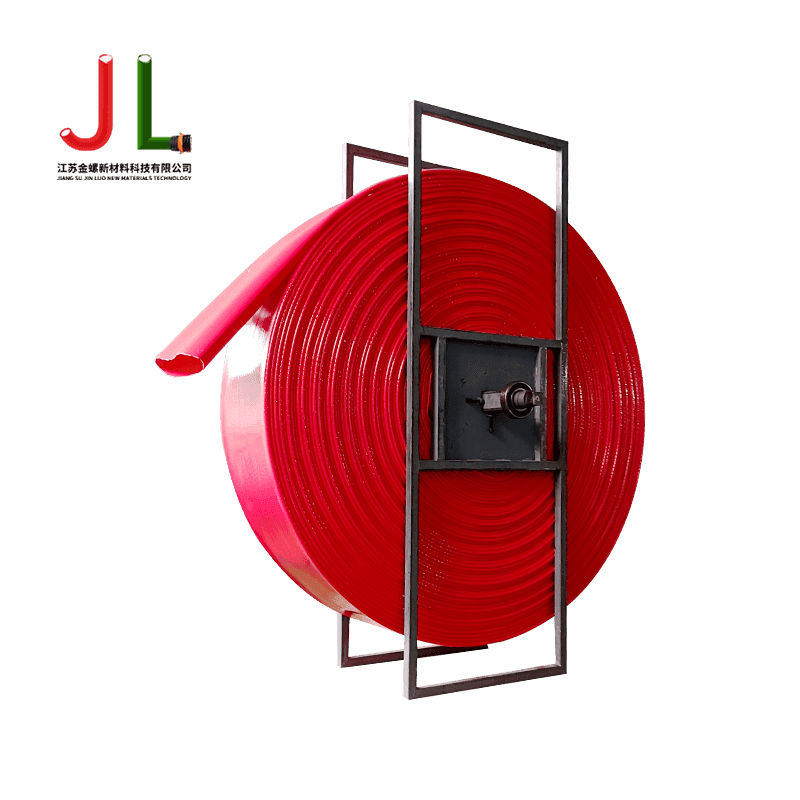
TPU Concrete Pouring Hose (Concrete Pumping Hose / Concrete Delivery Hose)
-
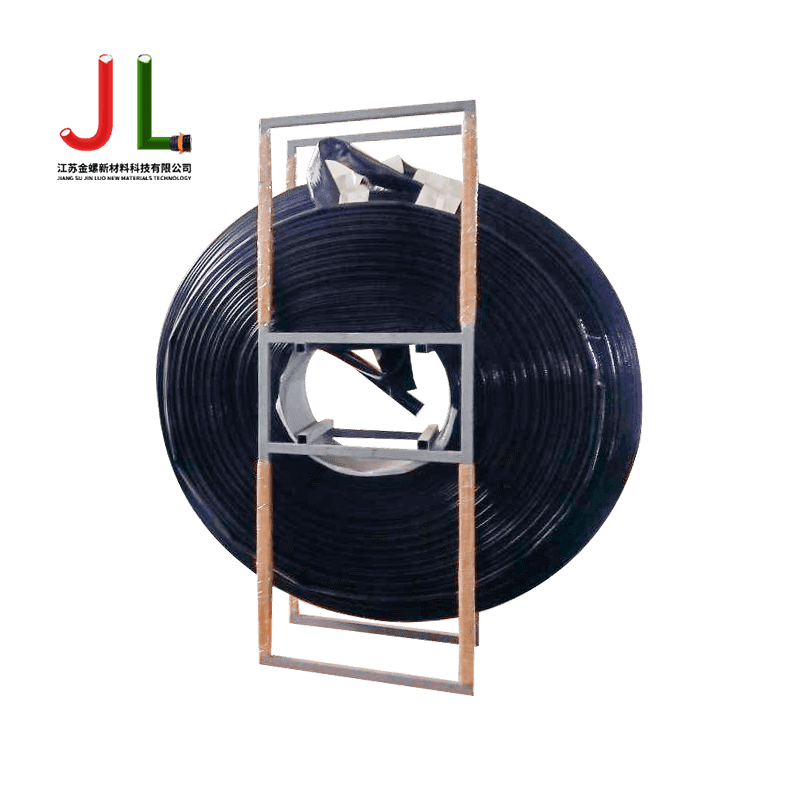
Jinluo Dual-Sided Polyurethane Trenchless Pipe Liner – Advanced Polyurethane Lining Hose for Trenchless Pipe Repair
-
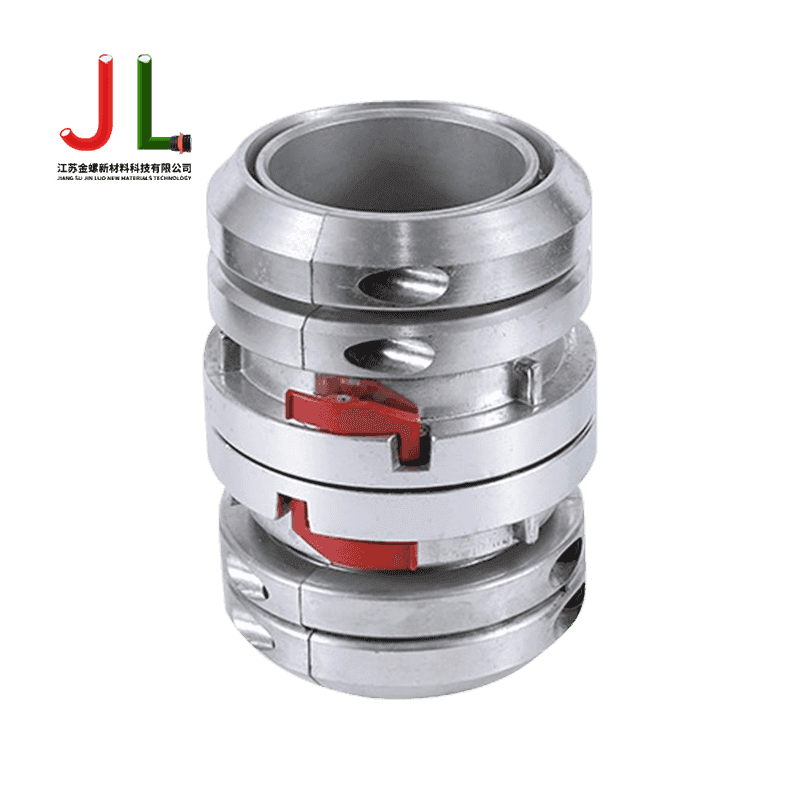
316 Stainless Steel Multi-Lug Quick Connect Couplings – Robust Stainless Steel Couplings for Quick Connections
-
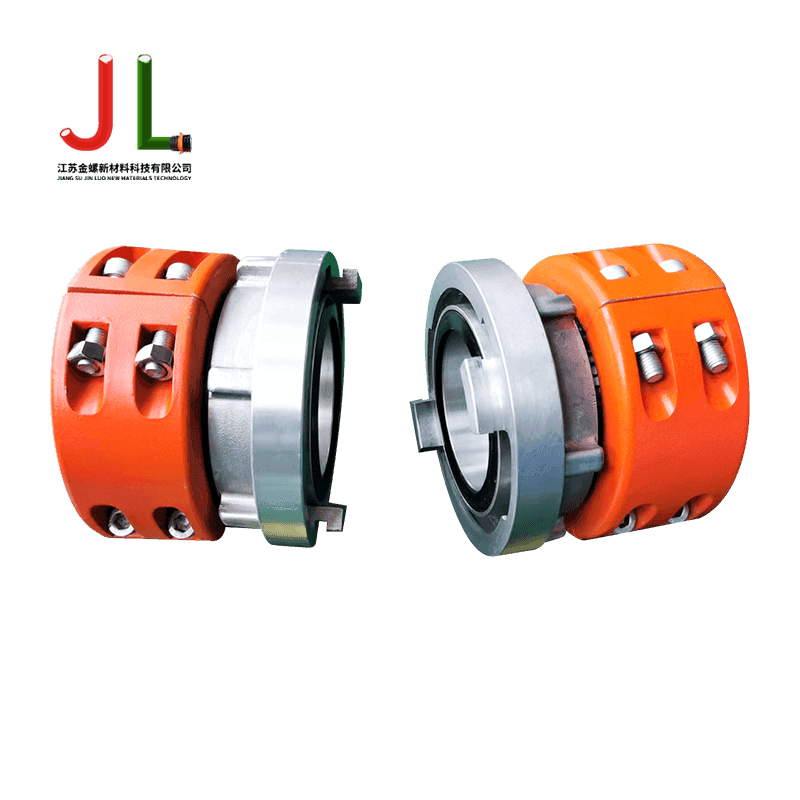
LDHC S Large Diameter Hose Coupling (Storz Type) – High-Performance Storz Type Coupling for Large Diameter Hose Connections
-
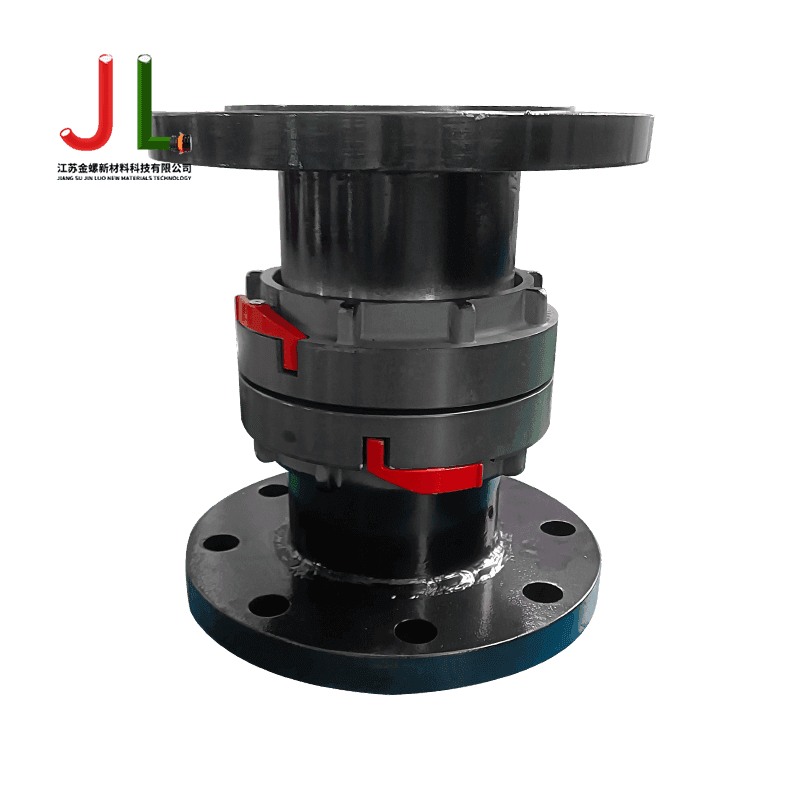
LDHC Large Diameter Hose Flange Coupling | High Pressure Sealing Carbon Steel / Stainless Steel Flange Connector for Petrochemical
Looking For Bussiness Opportunity?
Request for a call today

- Tel: +86-13801432164
- E-mail: [email protected]
- Address: No. 2 Workshop, East Zone, Photovoltaic Technology Industrial Park, No. 109 Yaojia Road, Jiulong Town, Hailing District, Taizhou City, Jiangsu Province, China
Quick Link
Products
Coprright 2025
Jiangsu Jinluo New Material Technology Co., Ltd.
Privacy
