


 English
 عربى
عربى
TPU Manure Drag Hose: Engineering Analysis for Slurry Transfer
Content
- 1 What Makes TPU the Definitive Material for Manure Drag Hose Applications?
- 2 Operational Realities: Why Abrasion Resistance Dictates Longevity
- 3 The Critical Role of Through-the-Weave Co-Extrusion
- 4 Comparative Performance: TPU vs. Standard Polymer Alternatives
- 5 Understanding Tensile Strength in Slurry Drag Applications
- 6 Maximizing Flow Efficiency Through Hydraulic Design
- 7 Installation and Handling Considerations for Maximum Service Life
What Makes TPU the Definitive Material for Manure Drag Hose Applications?
The fundamental answer lies in the molecular architecture of thermoplastic polyurethane. A TPU manure drag hose is not merely a conduit; it is an engineered solution designed to withstand the triple threats of severe abrasion, high-tension dragging, and aggressive chemical exposure inherent in modern slurry handling. Unlike conventional rubber or PVC alternatives ,Polyurethane and fiber-reinforced layer composite structure deliver an unmatched combination of elasticity and toughness. The material resists hydrolysis and microbial attack from liquid manure, ensuring that the hose maintains its structural integrity across thousands of operational hours. This translates directly to a lower total cost of ownership and reduced downtime during critical application windows. For farms utilizing umbilical systems, the reliability of the drag hose is paramount; a failure mid-field halts the entire nutrient management chain .
Operational Realities: Why Abrasion Resistance Dictates Longevity
When a TPU manure drag hose is deployed across a harvested corn field or rocky terrain, the outer cover is subjected to constant friction against soil, stubble, and stone. This is where the superiority of TPU compounds becomes quantifiable. Under practical conditions, polyurethane exhibits a 5 to 6 times longer service life compared to nitrile rubber hoses when exposed to equivalent abrasive forces . This is not simply a marginal improvement; it is a step-change in durability. The abrasion resistance of TPU is typically measured via the ISO 4649 standard, where values often fall below 35 mm³ of material loss . This low loss rate ensures the hose wall remains thick enough to maintain its pressure rating even after being dragged for hundreds of meters. Furthermore, the smooth TPU cover reduces the coefficient of friction, minimizing the draft force required from the tractor and subsequently lowering fuel consumption during the spreading operation .
Weight Reduction and Its Impact on Field Logistics
Managing a 6-inch hose over distances exceeding 1,000 meters presents significant logistical challenges. A key advantage of the TPU construction is its weight profile relative to traditional rubber. A typical 6-inch TPU drag hose weighs approximately 2.05 kg per meter, whereas a comparable rubber hose might weigh upwards of 6.5 kg/m . This reduction in mass offers distinct operational benefits: easier manual handling during deployment and retrieval, reduced stress on reeler mechanisms, and less soil compaction when the hose is being repositioned across the field headland. The lightweight nature does not come at the expense of tensile strength; the high-tenacity polyester jacket fully encapsulated within the TPU matrix provides tensile capacities sufficient to withstand the force of a tractor pulling the hose through standing crops or muddy draws.
The Critical Role of Through-the-Weave Co-Extrusion
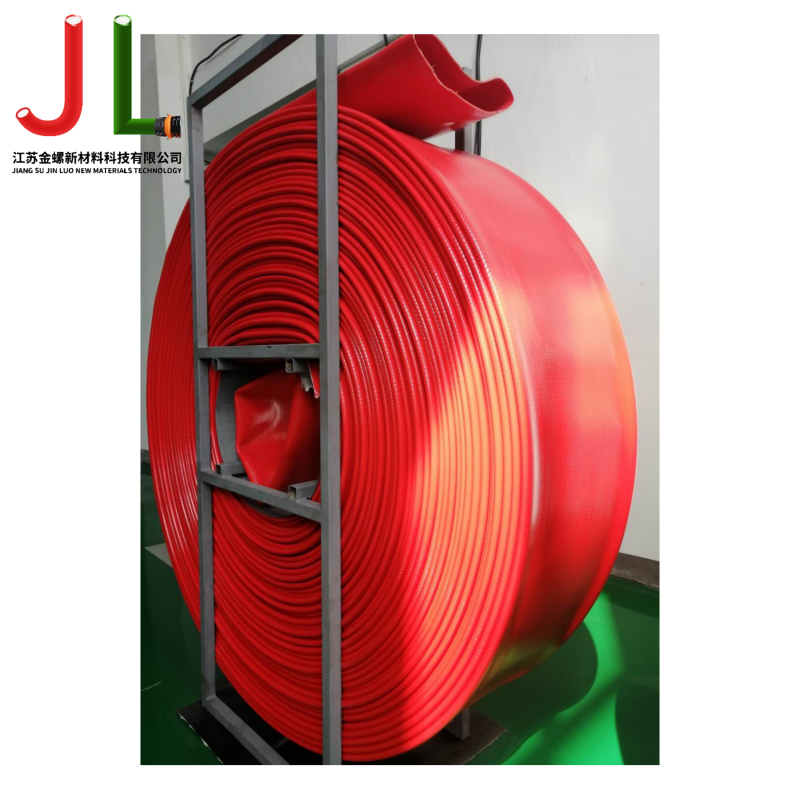
The long-term reliability of a TPU manure drag hose hinges on the manufacturing method. Superior hoses employ a single-step extrusion process where the molten polyurethane is forced completely through the circular woven polyester jacket, encapsulating every fiber. This creates a homogeneous, monolithic structure without the use of glues or adhesives . The advantage of this method is the elimination of delamination risk. In layered or glued hoses, the constant flexing and temperature fluctuations of slurry transfer can cause the inner liner to separate from the reinforcement, leading to blockages or catastrophic failure. A through-the-weave construction ensures that the cover and lining are mechanically locked together. Additionally, this construction yields a hose with minimal elongation under pressure—typically less than 2% elongation and 10% diametrical expansion . This dimensional stability is crucial for maintaining consistent flow rates and preventing the hose from "snaking" or twisting violently when the pump is engaged .
Comparative Performance: TPU vs. Standard Polymer Alternatives
To appreciate the value proposition of a TPU layflat drag hose, it is useful to benchmark its properties against other common agricultural hose materials. The following table illustrates why polyurethane is the preferred specification for contractors and large-scale livestock operations managing abrasive slurry.
| Performance Indicator | TPU (Thermoplastic Polyurethane) | Nitrile Rubber | PVC Layflat |
|---|---|---|---|
| Relative Abrasion Resistance | Excellent (5-6x Rubber) | Good | Poor (Prone to Pinholes) |
| Weight per Meter (kg/m) | ~2.0 - 2.8 | ~4.5 - 6.5 | ~3.2 - 3.8 |
| Cold Temperature Flexibility | -40°C (-40°F) | -20°C (-4°F) | -5°C (23°F) |
| Hydrolysis/Microbial Resistance | Superior | Moderate (Degradation) | Good |
The data underscores the particular suitability of TPU for slurry drag hose duties. Its ability to remain flexible in sub-zero temperatures prevents cracking during winter manure applications, while its resistance to the acidic and microbial environment of liquid manure prevents the softening and swelling that plagues nitrile-based tubes over time.
Understanding Tensile Strength in Slurry Drag Applications
A TPU manure drag hose must function as a structural member when pulled across a field. The tensile forces exerted on the hose by a tractor-mounted applicator can be substantial, especially when the hose is full of liquid weighing over 8.3 lbs per gallon. The woven polyester jacket is the primary load-bearing component. High-performance hoses in this category specify tensile strengths that often exceed 44,000 lbs (19,958 kg) for a 5.5-inch diameter hose. This margin of safety is necessary to prevent necking or catastrophic tearing of the hose body. When calculating the maximum safe drag distance, operators should ensure the pulling force does not exceed one-third of the hose's rated tensile strength to account for dynamic shock loads caused by terrain changes or snagging on obstacles . A properly constructed TPU drag hose will distribute this load evenly across the woven jacket, minimizing stress on the polymer cover.
Maximizing Flow Efficiency Through Hydraulic Design
The economic viability of a slurry transfer system is measured in gallons per hour moved from lagoon to field. The internal surface of a TPU drag hose is engineered for minimal friction loss. The coefficient of roughness (C-factor) for TPU is exceptionally low compared to corroded metal pipes or textured rubber. This smooth bore prevents the buildup of sludge and solids, ensuring that the effective inner diameter remains constant over years of service. Furthermore, because the TPU liner is highly resistant to the abrasive solids commonly found in manure—such as sand bedding particles—the wall does not thin prematurely. This consistent cross-section translates to lower pump head requirements. For a system pumping 60,000 liters per hour over a 1,000-meter run, reducing friction loss by even 10% through the use of a smooth-bore TPU drag hose can result in significant fuel or electrical savings over a season . The material's inherent resistance to scale and biofilm formation also reduces the frequency of required cleanout flushing.
Installation and Handling Considerations for Maximum Service Life
While a TPU manure drag hose is built for rugged environments, adherence to proper handling protocols ensures the full lifecycle of the investment is realized. The following practical guidelines are derived from field experience with umbilical slurry systems:
- Bend Radius Management: Despite being a layflat hose, the minimum bend radius when under pressure should not be less than 4 times the nominal inner diameter. Tight kinking adjacent to hose barbs or couplings can fracture the polyester jacket fibers and create a weak point that leads to a blowout.
- Coupling Security: Given the high tensile loads, only industry-standard aluminum LDHC (Layflat Discharge Hose Coupling) or similar compression-style fittings should be used. Band clamps are insufficient for drag applications.
- Terrain Avoidance: While the cover is abrasion-resistant, it is not cut-proof. Operators should be vigilant for sharp flint, buried metal debris, or broken tile drainage outlets. Dragging a hose fully loaded with manure over a sharp edge concentrates the pressure on a tiny contact patch, potentially slicing the TPU cover.
- Post-Season Storage: Hoses should be thoroughly flushed with water, drained, and stored flat on a pallet or reeled loosely to prevent permanent creasing. While TPU has excellent UV stability, prolonged storage out of direct sunlight will maximize the life of the cover .
Related Products
-

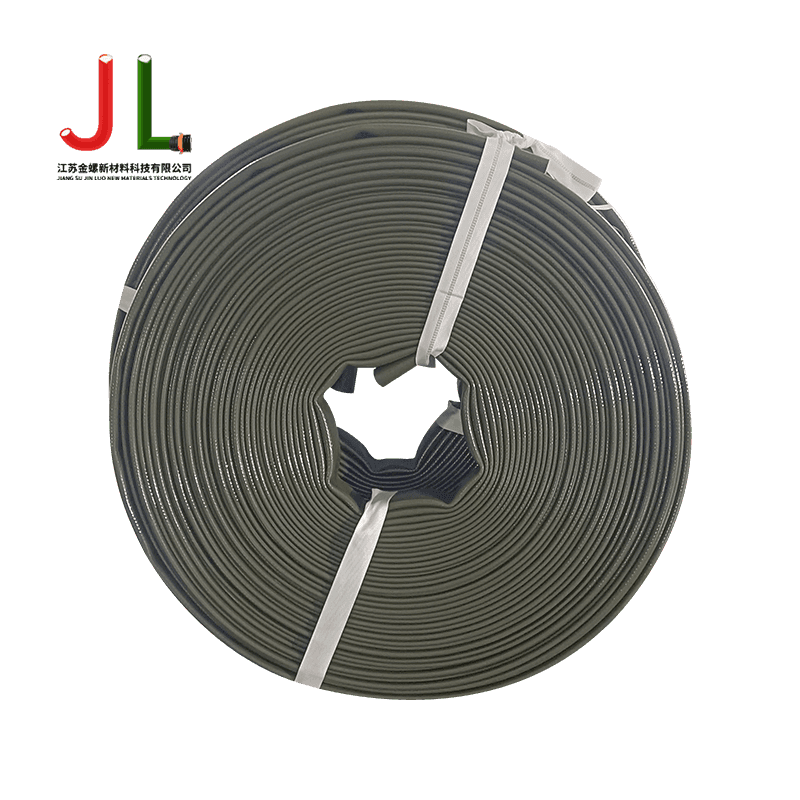
Jinluo Hose TPU Fracking Layflat Hose – Flexible Polyurethane Fracturing Water Supply Hose for Oilfield Applications
-
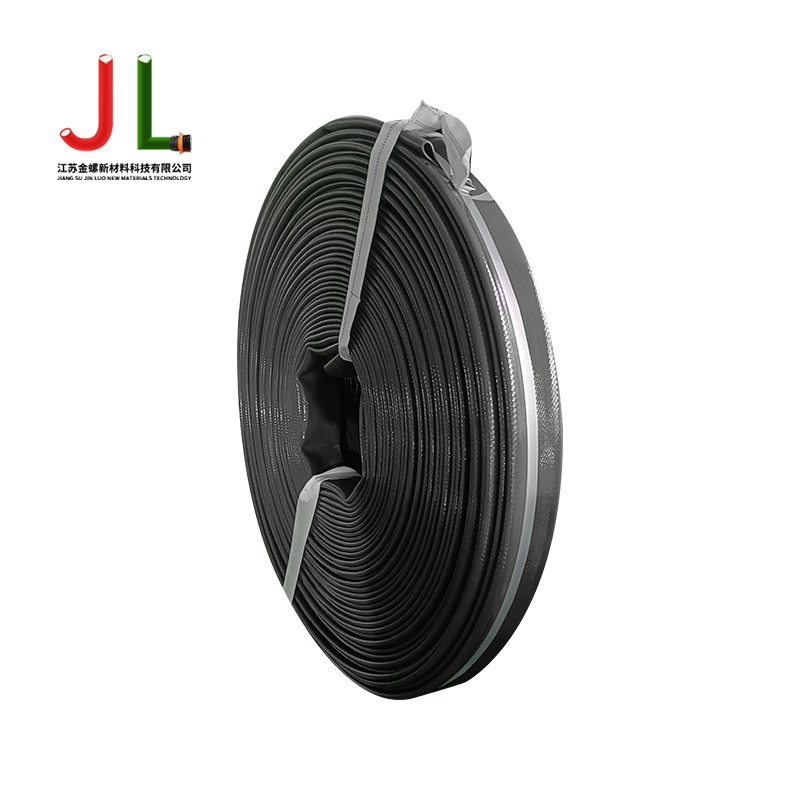
Jinluo Hose Polyurethane Fracturing Water Supply Hose
-
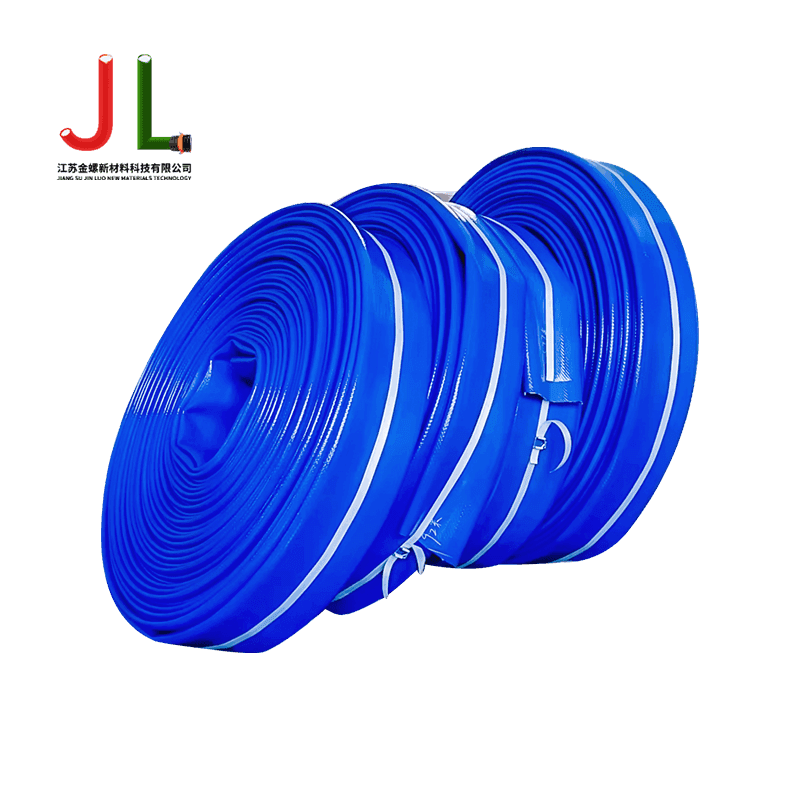
Jinluo Hose Polyurethane Slurry Hose – Reinforced Underground Mining Hose for Efficient Water and Slurry Discharge
-
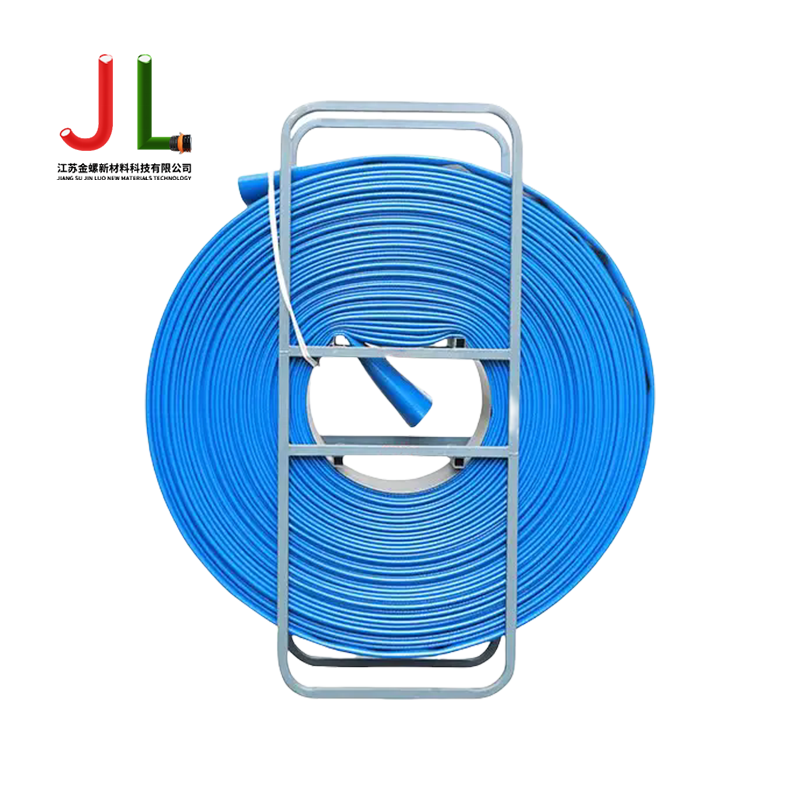
Jinluo Hose TPU frac water hose
-
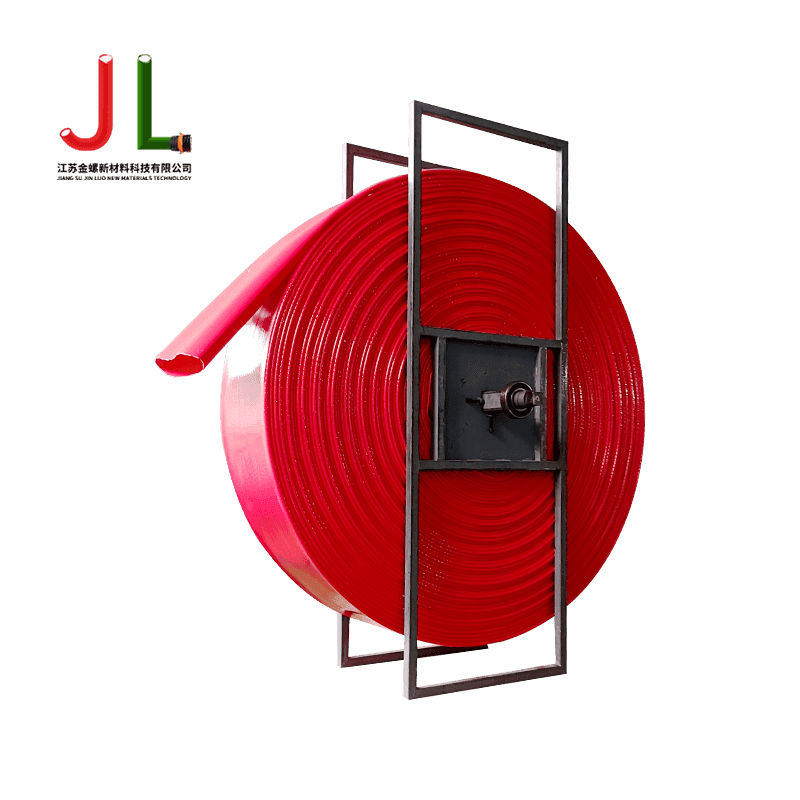
TPU Concrete Pouring Hose (Concrete Pumping Hose / Concrete Delivery Hose)
-
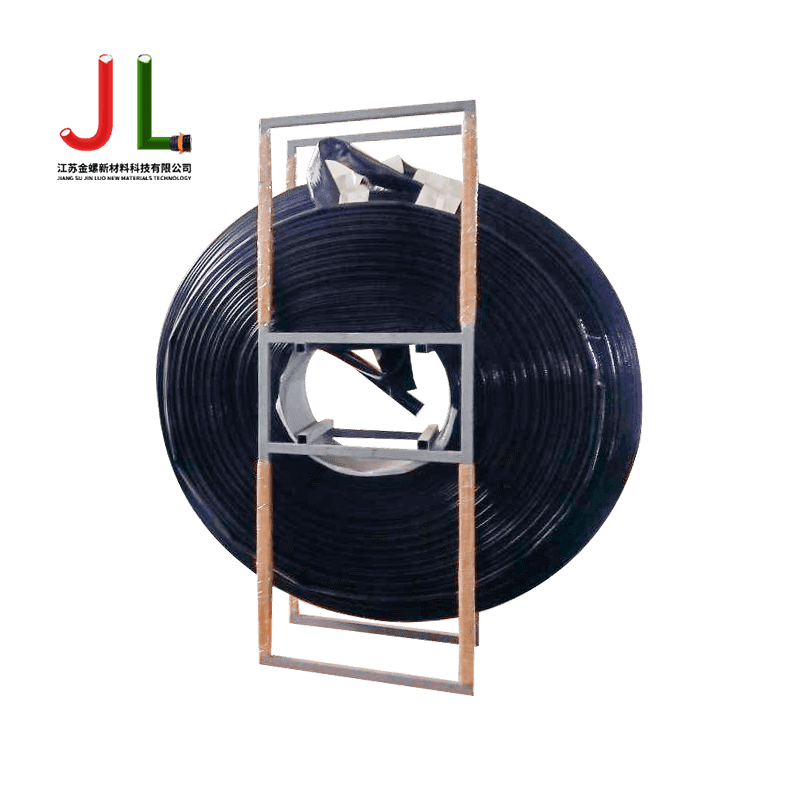
Jinluo Dual-Sided Polyurethane Trenchless Pipe Liner – Advanced Polyurethane Lining Hose for Trenchless Pipe Repair
-
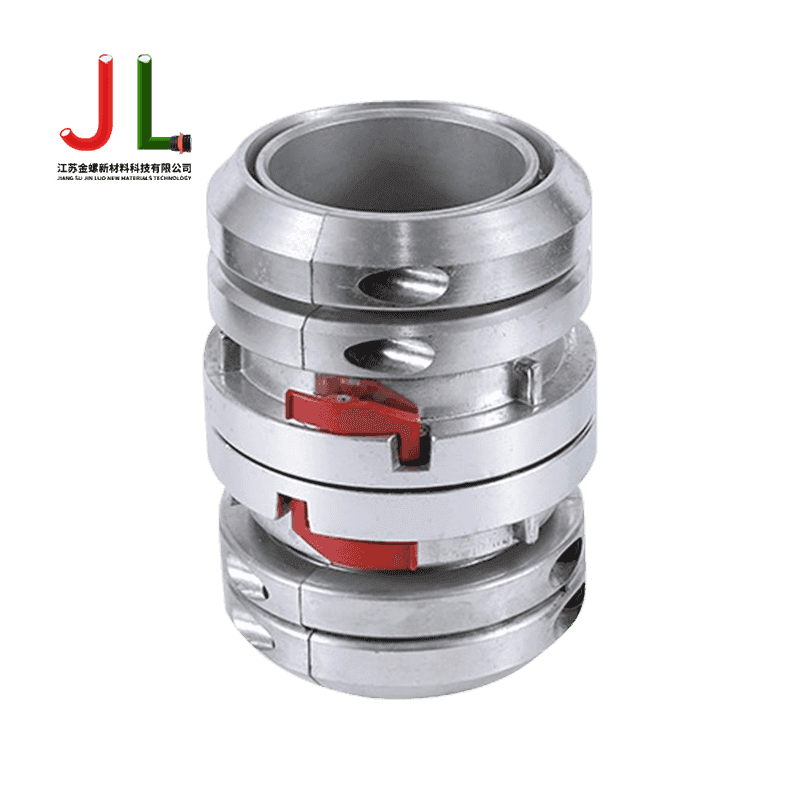
316 Stainless Steel Multi-Lug Quick Connect Couplings – Robust Stainless Steel Couplings for Quick Connections
-
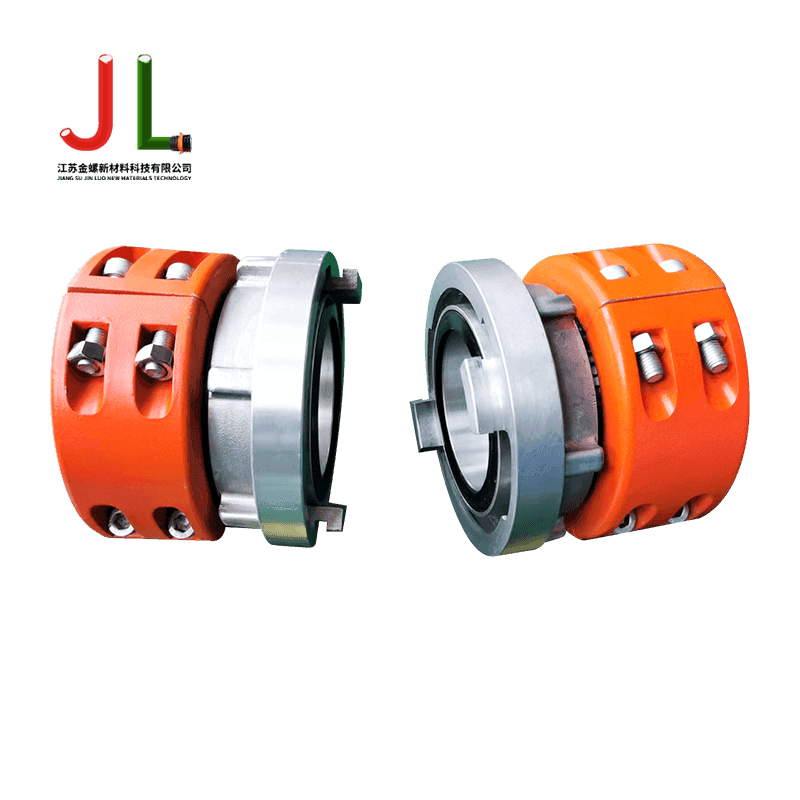
LDHC S Large Diameter Hose Coupling (Storz Type) – High-Performance Storz Type Coupling for Large Diameter Hose Connections
-
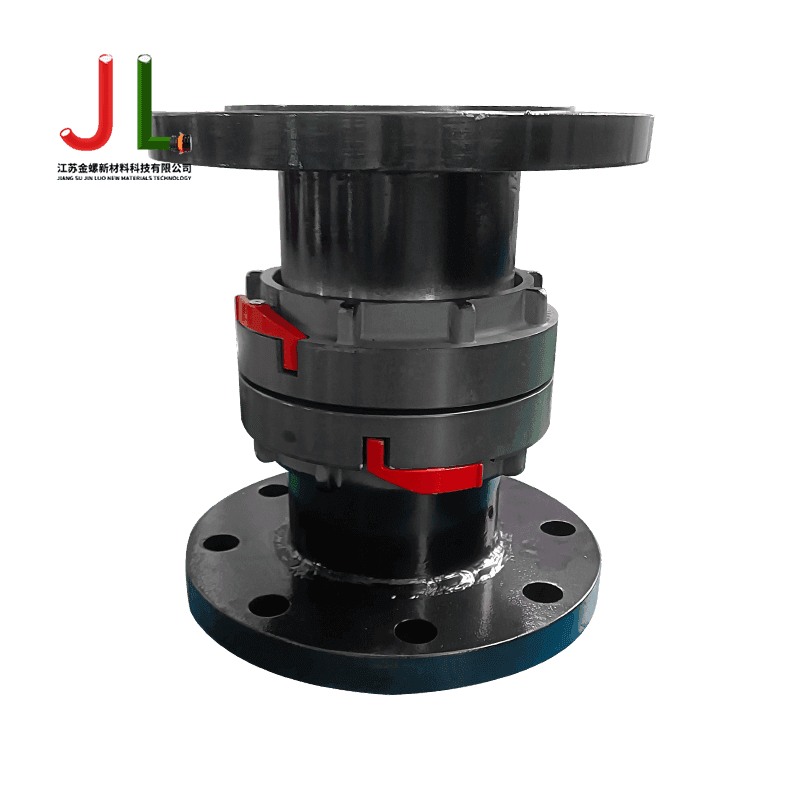
LDHC Large Diameter Hose Flange Coupling | High Pressure Sealing Carbon Steel / Stainless Steel Flange Connector for Petrochemical
Looking For Bussiness Opportunity?
Request for a call today

- Tel: +86-13801432164
- E-mail: [email protected]
- Address: No. 2 Workshop, East Zone, Photovoltaic Technology Industrial Park, No. 109 Yaojia Road, Jiulong Town, Hailing District, Taizhou City, Jiangsu Province, China
Quick Link
Products
Coprright 2025
Jiangsu Jinluo New Material Technology Co., Ltd.
Privacy
