


 English
 عربى
عربىNews
HOME / NEWS / Industry News / What Makes a Fracturing TPU Hose the Optimal Choice for High-Pressure Fluid Transfer?

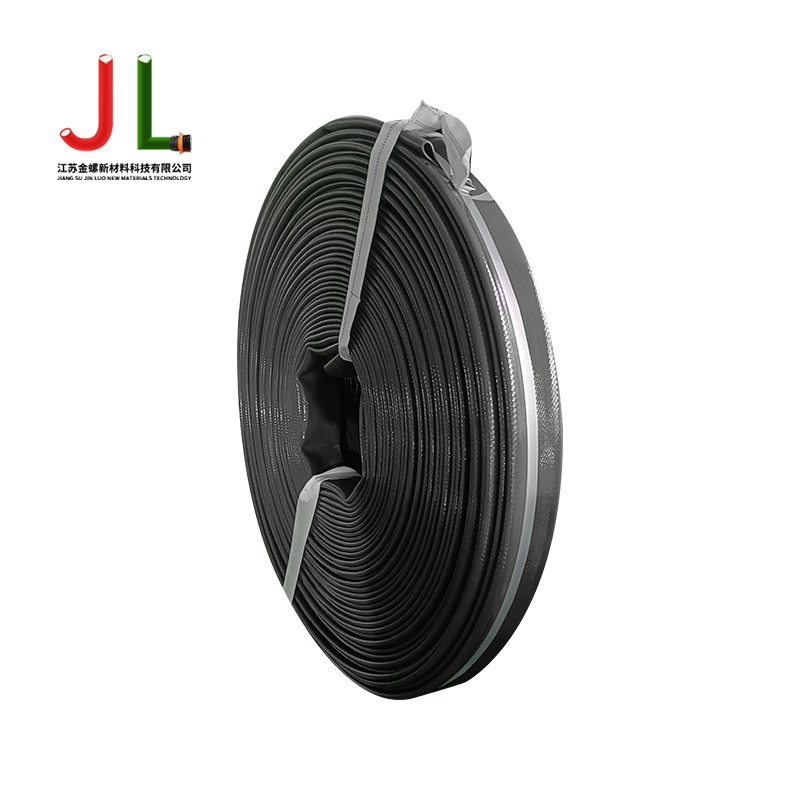
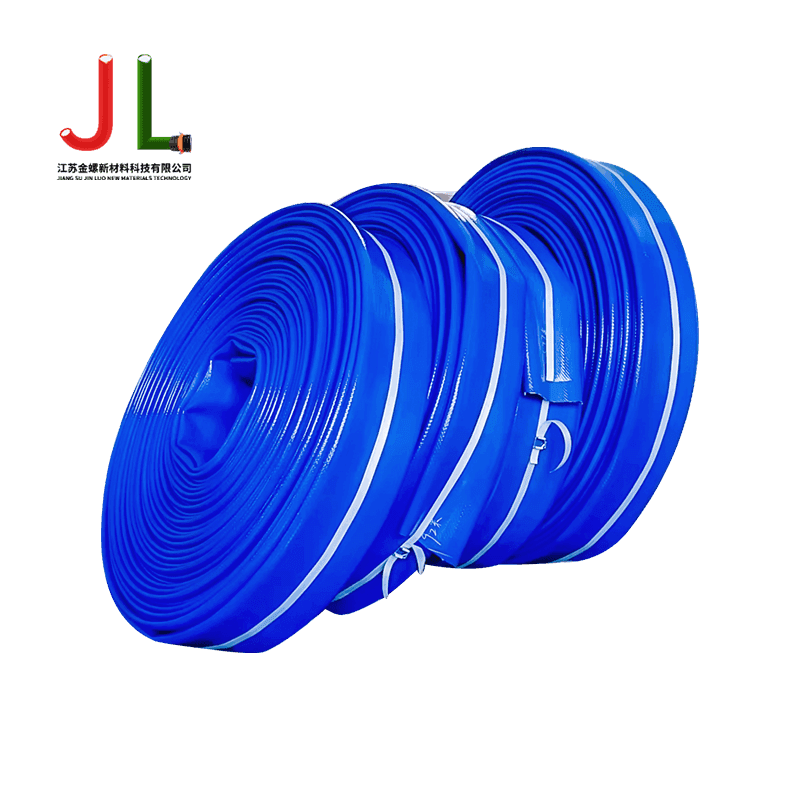
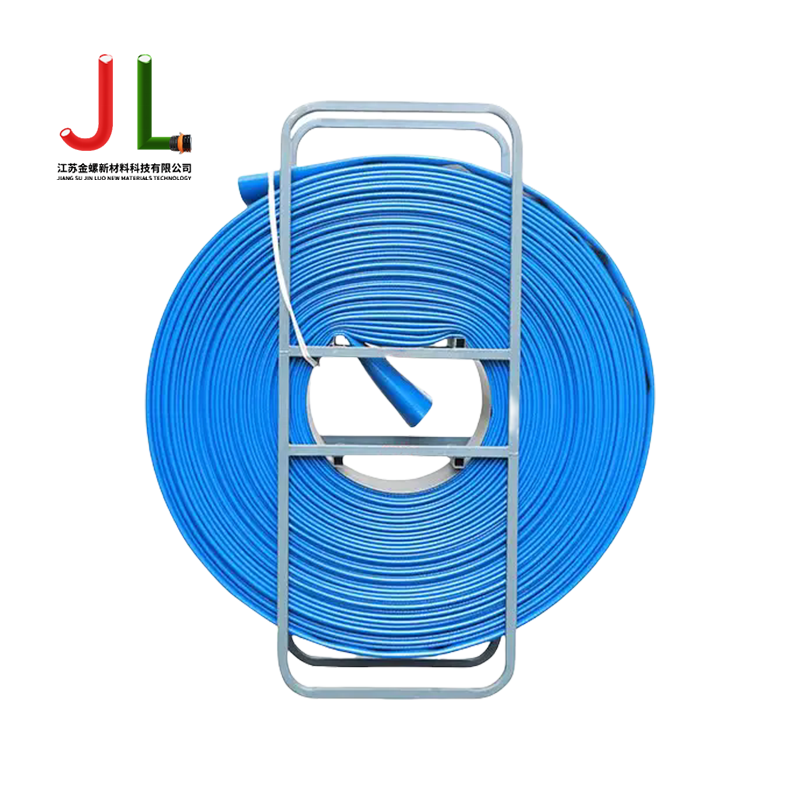
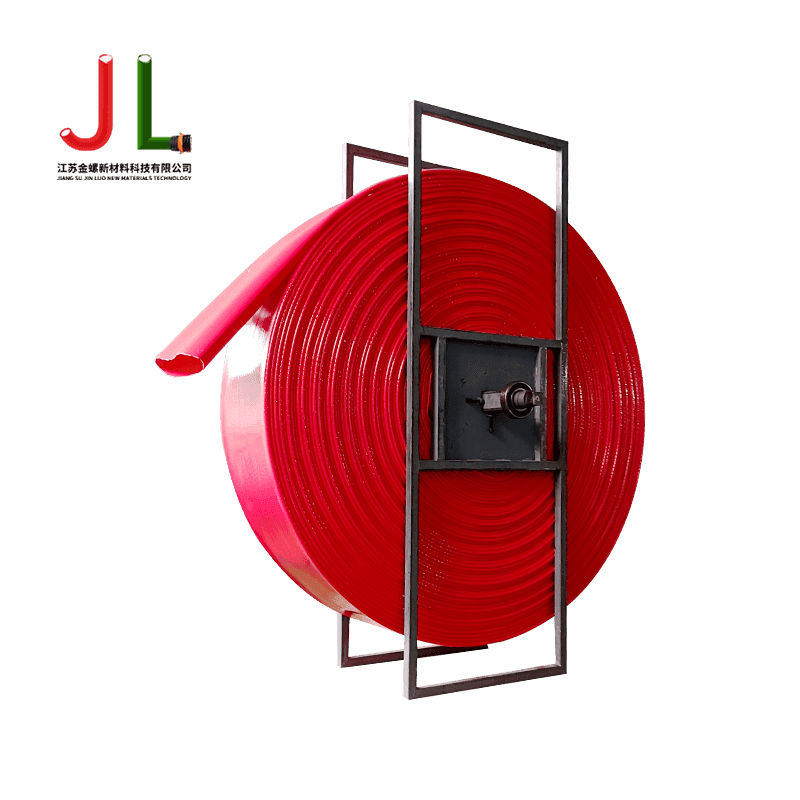
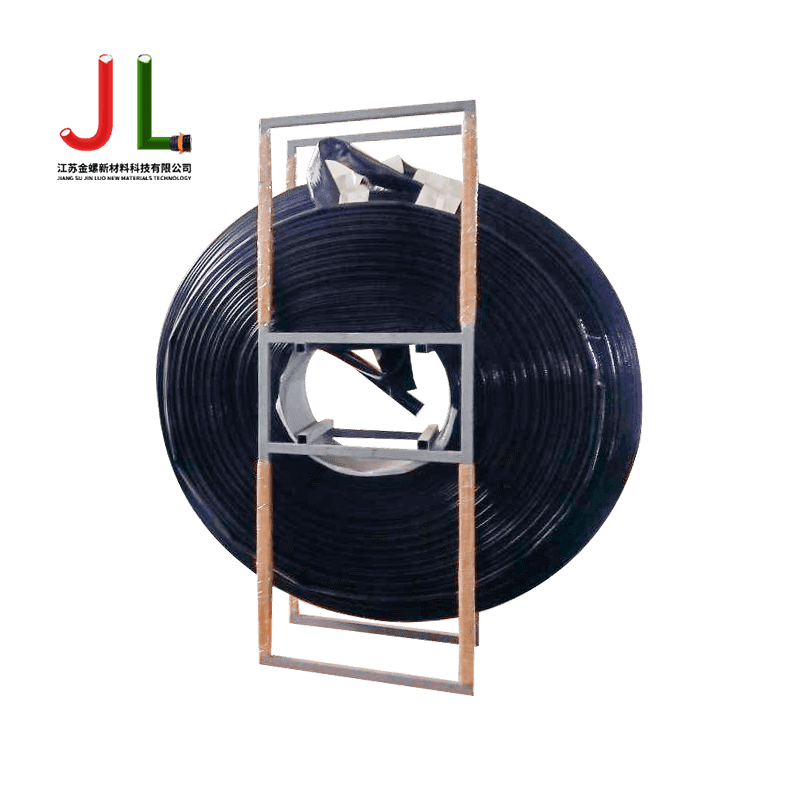
In hydraulic fracturing operations, material selection for fluid transfer systems directly impacts operational efficiency and safety. The Fracturing TPU Hose represents a specialized category of thermoplastic hose engineered for extreme pressure applications, chemical resistance, and environmental durability. For procurement specialists, engineers, and wholesale distributors in the oil and gas sector, understanding the technical specifications of these hoses is essential. This article provides an engineer-level analysis of material science, pressure ratings, and application engineering for fracturing operations. We will examine construction methods, comparative performance metrics, and quality verification protocols to support informed B2B purchasing decisions.
Content
The Fracturing TPU Hose utilizes thermoplastic polyurethane as the primary material component. TPU offers exceptional abrasion resistance, flexibility across wide temperature ranges, and superior chemical compatibility with fracturing fluids. The material exhibits a hardness range of 85 Shore A to 75 Shore D, providing an optimal balance between flexibility and structural integrity. These hoses typically employ a multi-layer construction consisting of an inner tube, reinforcement layer, and outer cover.
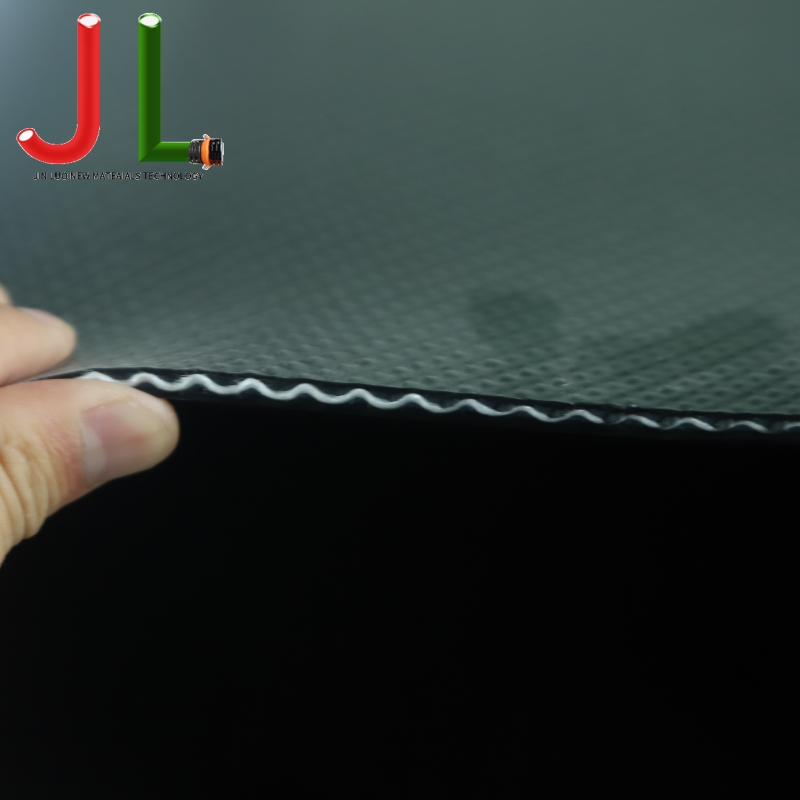
Hydraulic fracturing operations require hoses capable of withstanding extreme pressure conditions. The high-pressure fracturing hose for oilfield typically operates at working pressures from 145 psi to 650 psi, with burst pressures four three times the working pressure. Performance validation follows SAE J517 and ISO 18752 standards, which define impulse testing requirements, minimum bend radii, and temperature ratings.
Fracturing fluids contain complex chemical formulations including friction reducers, gelling agents, biocides, and acids. The chemical-resistant fracturing TPU hose must demonstrate compatibility with these aggressive chemistries. TPU exhibits excellent resistance to hydrocarbon-based fluids, dilute acids, and alkaline solutions commonly used in fracturing operations. Material selection must consider fluid temperature, concentration, and exposure duration.
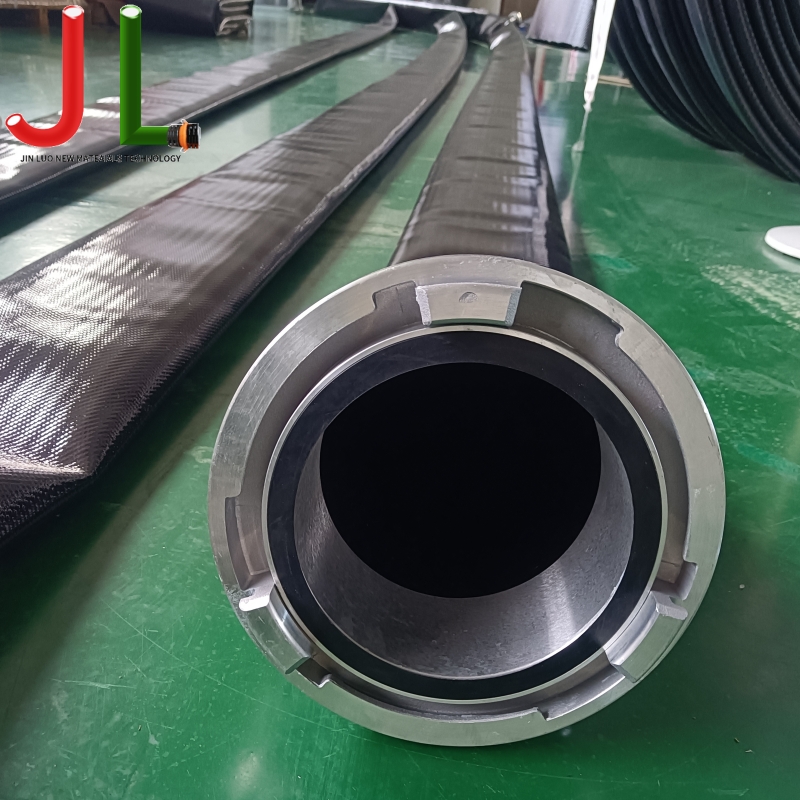
Successful deployment of fracturing hoses requires consideration of operational parameters, including pressure cycling, mechanical stress, and environmental conditions. The frac hose for well service must accommodate dynamic loading conditions, including vibration, flexing, and tension forces. Engineers must specify hose assemblies with appropriate bend radius allowances and stress relief configurations.
B2B procurement requires rigorous quality verification protocols. The API 7K fracturing hose certified status indicates compliance with American Petroleum Institute specifications for drilling and well servicing equipment. API 7K certification validates manufacturing quality systems, dimensional accuracy, and performance testing protocols. Additional certifications may include ABS type approval for marine applications and DNV certification for offshore operations.
When selecting hoses for fracturing applications, engineers must evaluate TPU against traditional rubber constructions. The Fracturing TPU Hose offers distinct advantages in weight reduction, flexibility, and abrasion resistance compared to rubber alternatives. However, rubber hoses may provide superior performance in specific high-temperature applications. The following comparison supports informed selection based on operational requirements.
Performance Comparison: TPU vs. Rubber Fracturing Hoses
| Parameter | TPU Hose | Rubber Hose |
|---|---|---|
| Weight per Foot (2-inch ID) | 0.34-0.42 lb/ft | 0.69-1.9 lb/ft |
| Abrasion Resistance | Excellent (3~5 times better than rubber) | Moderate to Good |
| Temperature Range | -40°C to 70°C | -30°C to 85°C |
| Chemical Resistance | Superior to hydrocarbons and dilute acids | Good for hydrocarbons; variable for acids |
| Relative Cost | 15-25% higher initial cost | Lower initial cost |
Effective lifecycle management maximizes return on investment and ensures operational safety. The abrasion-resistant TPU hose for fracturing typically provides 5~6 operating years in severe service conditions. Replacement criteria include visible outer cover wear, exposed reinforcement, coupling damage, or pressure test failures. Facilities should implement inspection protocols and replacement schedules based on actual operating conditions.
What is the maximum working pressure for fracturing TPU hose?
Working pressures range from 145 to 650 psi. The specific rating depends on the hose diameter and reinforcement configuration. Always verify pressure ratings with manufacturer documentation and select hoses with a minimum 3:1 safety factor relative to maximum system operating pressure.
How does TPU compare to rubber for fracturing hose applications?
TPU offers significant advantages in weight reduction (approximately 30-40% lighter), improved flexibility (smaller bend radius), anti-aging performance, and superior abrasion resistance. Rubber hoses typically provide better high-temperature performance beyond 85°C and lower initial cost. The selection depends on specific operational requirements, including temperature exposure, handling frequency, and environmental conditions.
What certifications should I require from fracturing hose suppliers?
All hoses should be supplied with material test reports, pressure test certificates, and complete traceability documentation.
What is the typical service life of a fracturing TPU hose?
Service life varies significantly based on operating conditions, pressure cycling frequency, and handling practices. In continuous fracturing operations, TPU hoses typically provide 5~6 operating years before replacement. Proper storage, handling, and inspection protocols extend service life. Facilities should establish replacement schedules based on visual inspection findings and pressure test results rather than calendar time alone.

Request for a call today