


 English
 عربى
عربى
How to Choose a Durable Mining Dewatering Hose?
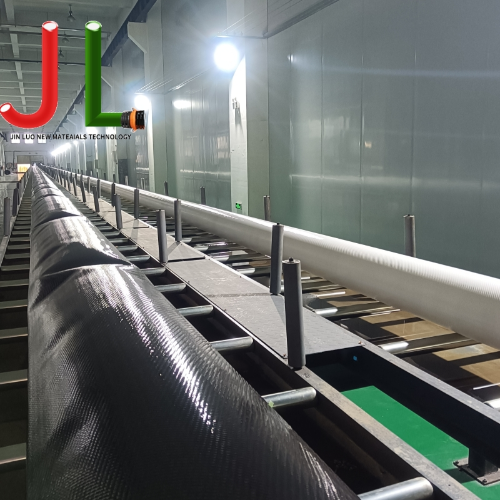
The relentless demands of a mining operation leave no room for equipment failure. When it comes to water management—whether dewatering an active pit, controlling groundwater, or disposing of process tailings—the hose you deploy is a critical lifeline. A Mining Dewatering Layflat Hose is far more than a simple water conduit; it is a purpose-engineered component designed to withstand one of the most punishing industrial environments on earth. Unlike standard hoses, these layflat solutions combine high-pressure capacity, exceptional abrasion resistance, and chemical resilience with the crucial benefit of being lightweight and easily deployable when empty. Selecting the wrong hose can lead to catastrophic failures: unexpected bursts causing flooding and downtime, rapid wear from abrasive slurries, or chemical degradation from mine water constituents. These failures translate directly into safety hazards, soaring operational costs, and lost productivity. This definitive guide delves into the five critical factors that separate a cost-effective, reliable workhorse from a liability. We will explore the material science behind PVC vs TPU mining dewatering layflat hose, decode the engineering of a true heavy-duty mining dewatering hose, examine the specific needs for a layflat hose for mine tailings disposal, and provide a realistic framework for understanding mining dewatering layflat hose price versus long-term value. Our expertise is rooted in a deep understanding of the extreme conditions faced in mineral exploration, industrial fluid transfer, and emergency dewatering, ensuring the insights provided are both practical and professional.
Content
- 1 Understanding the Mining Dewatering Layflat Hose: Core Function and Challenges
- 2 The Definitive Guide: 5 Key Factors in Selecting Your Mining Dewatering Hose
- 2.1 1. The Material Battle: PVC vs TPU Mining Dewatering Layflat Hose
- 2.2
- 2.3 2. Construction Defines Strength: Understanding Heavy Duty Mining Dewatering Hose
- 2.4 3. Application Specifics: The Layflat Hose for Mine Tailings Disposal
- 2.5 4. Cost vs. Value: Analyzing Mining Dewatering Layflat Hose Price
- 3 Operations and Maintenance: Maximizing Hose Life and Efficiency
- 4 FAQ
Understanding the Mining Dewatering Layflat Hose: Core Function and Challenges
What is a Mining Dewatering Layflat Hose?
A Mining Dewatering Layflat Hose is a flexible, high-strength pipeline designed specifically for the large-scale movement of water, slurry, and tailings in mining and heavy construction applications. Its defining characteristic is its ability to lie flat when empty or under low pressure, making it incredibly easy to transport, store, and deploy over long distances and rough terrain. When pressurized, it assumes a full, round cross-section to facilitate efficient fluid flow. Its core function in mining is multifaceted: it is used for draining open pits and underground workings, managing site runoff, transferring process water, and, critically, for the environmentally sound disposal of tailings and other slurry waste. This distinguishes it from rigid piping (which lacks flexibility) and standard industrial hoses (which lack the requisite pressure rating, abrasion resistance, and durability for continuous mining use).
- Key Design Philosophy: Maximum strength and durability with minimum weight and storage volume.
- Primary Mining Functions: Active dewatering, seepage control, tailings slurry transport, and site water management.
- Operational Advantage: Rapid deployment and retrieval, reducing labor time and costs compared to fixed pipe systems.
The Extreme Demands of the Mining Environment
The operating environment for a mining hose is a perfect storm of destructive forces. It must resist constant abrasion from being dragged over rocky ground and from internal slurry containing sand and fine particles. It faces high and fluctuating pressures from powerful pumps. It may be exposed to a range of chemical agents present in mine water, from acidic runoff to alkaline process chemicals. Ultraviolet (UV) radiation degrades many polymers over time, while temperature extremes can affect flexibility. Mechanical stress from sharp bends, rock impingement, and occasional vehicle overrun is a constant threat. Failure under these conditions is not merely an inconvenience; a burst hose can halt production, create environmental spillage, and pose serious safety risks to personnel, making the initial selection of a correctly specified hose a paramount safety and economic decision.
- Abrasion: Internal (from slurry) and external (from terrain) wear is the leading cause of hose failure.
- Pressure Surges: Pumps and changes in elevation create dynamic pressure spikes that can burst under-specified hoses.
- Chemical & Environmental Attack: Oils, acids, alkalis, ozone, and UV sunlight can degrade hose materials.
The Definitive Guide: 5 Key Factors in Selecting Your Mining Dewatering Hose
Choosing the optimal Mining Dewatering Layflat Hose requires a systematic evaluation that goes beyond simple diameter and length. It involves matching the hose's construction to the specific fluid, pressure, and physical challenges of your application. A hose perfect for clear water dewatering may fail rapidly when handling abrasive tailings. Understanding this selection matrix is the key to optimizing your Total Cost of Ownership (TCO). A slightly higher initial mining dewatering layflat hose price for a more durable product often yields massive savings by avoiding downtime, replacement costs, and environmental fines. This section breaks down the decision into five actionable factors: the fundamental material choice, the construction that defines "heavy duty," the nuances of tailings handling, a true cost analysis, and the importance of correct sizing.
1. The Material Battle: PVC vs TPU Mining Dewatering Layflat Hose
The tube material—the inner layer that contacts the fluid—is the first line of defense and the most critical choice. Polyvinyl Chloride (PVC) and Polyurethane (TPU) are the two predominant polymers used, each with distinct performance profiles. PVC hoses are generally more economical and offer good resistance to a wide range of water-based fluids and mild chemicals. They perform adequately in many standard dewatering applications. However, PVC can become stiff and brittle in very cold temperatures and is generally less resistant to abrasion, oils, and certain solvents compared to PU. Polyurethane (TPU), on the other hand, is a premium polymer renowned for its exceptional toughness. It offers superior resistance to abrasion (often 5-10 times more than PVC), oils, greases, and a broader spectrum of chemicals. It remains flexible across a wider temperature range and exhibits excellent tear and cut resistance. For the majority of demanding mining applications, especially those involving abrasive slurries or variable fluids, TPU is the recommended choice for longevity.
| Property | PVC (Polyvinyl Chloride) | TPU (Polyurethane) |
| Abrasion Resistance | Good | Excellent to Outstanding |
| Oil & Chemical Resistance | Fair to Good (varies) | Excellent |
| Low-Temperature Flexibility | Poor (becomes brittle) | Good |
| Tear & Cut Resistance | Moderate | High |
| Relative Cost | Lower | Higher |
| Ideal For | General clear water dewatering, lower-abrasion applications, and budget-conscious projects. | Abrasive slurries, tailings, water with oils or chemicals, high-wear environments, and extended service life priority. |
2. Construction Defines Strength: Understanding Heavy Duty Mining Dewatering Hose
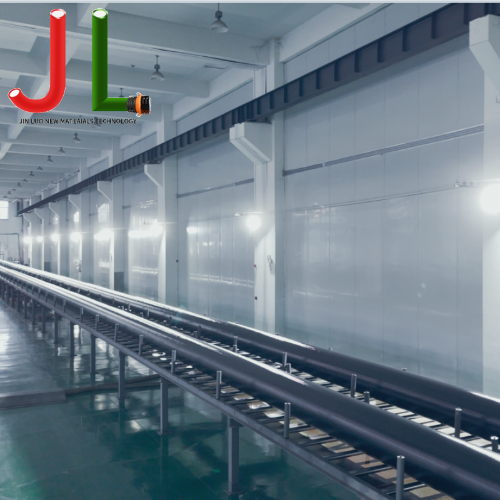
The term "heavy-duty mining dewatering hose" refers to a specific class of construction designed to endure extreme stress. This durability is achieved through high-tensile reinforcement layers embedded between the inner tube and the outer cover. The pattern of this reinforcement—typically a woven polyester fabric or high-strength synthetic cords—is crucial. A criss-cross woven (warp-weft) design offers good general strength and collapse resistance. The outer cover must be thick and compounded for maximum abrasion, UV, and weather resistance. Finally, industrial-grade couplings, often made of galvanized steel or stainless steel with robust clamping systems, are essential to securely contain the pressure at the hose ends.
- Ply Rating: More plies (e.g., 2-ply, 4-ply) generally indicate higher pressure capacity and durability.
- Coupling Security: Look for couplings with full-length penetration pins or bolts and wide-band clamps to prevent pull-off.
3. Application Specifics: The Layflat Hose for Mine Tailings Disposal
Tailings disposal presents perhaps the most severe challenge for a hose. Tailings slurry is a highly abrasive, often corrosive mixture of fine rock particles, process chemicals, and water. A standard water hose will fail rapidly in this service. A hose specified for mine tailings disposal requires several enhanced features. First, the inner tube must be made from the most abrasion-resistant material available, such as a specially formulated, high-grade TPU. Second, the tube wall thickness is often increased to provide a greater wear allowance. Third, the reinforcement must be designed to handle both the static pressure of pumping over distance and the dynamic abrasive wear from the slurry. In some cases, a smooth bore inner liner is specified to reduce friction and particle build-up, improving flow efficiency and reducing wear.
4. Cost vs. Value: Analyzing Mining Dewatering Layflat Hose Price
Focusing solely on the initial purchase price is a common and costly mistake. The true metric is Total Cost of Ownership (TCO), which includes purchase price, installation labor, expected service life, maintenance/repair costs, and the cost of potential failure (downtime, clean-up, environmental fines). A cheaper, lower-specification hose may need replacement twice as often as a premium hose, incurring double the labor for deployment/retrieval and causing unplanned production stoppages. A simple TCO analysis often reveals that the more expensive, higher-quality hose is the more economical choice over a 2-5 year period. Key price drivers include the raw material cost (TPU vs. PVC), the quality and quantity of reinforcement, the sophistication of the manufacturing process, and independent certifications for pressure and safety standards.
| Cost Component | Cheaper/Lower-Spec Hose | Premium/Heavy-Duty Hose |
| Initial Purchase Price | Lower | Higher |
| Expected Service Life | Shorter (e.g., 6-12 months in severe service) | Longer (e.g., 2-5 years in severe service) |
| Failure Risk & Downtime Cost | Higher | Lower |
| Total Cost Over 3 Years | Often Higher (multiple replacements + downtime) | Often Lower (single purchase + reliable operation) |
Operations and Maintenance: Maximizing Hose Life and Efficiency
Best Practices for Installation, Deployment, and Recovery
Proper handling dramatically extends hose life. Before deployment, inspect the planned route and clear it of sharp rocks, debris, or other potential damage sources. When unrolling a Mining Dewatering Layflat Hose, do so in a straight line to avoid introducing twists or kinks that can weaken the structure. If lying across a road, use protective ramps. During initial pressurization, do so slowly to allow the hose to round out evenly without stress concentrations. When recovering the hose, drain it completely and flush with clean water if it carried slurry. Clean it before storage to prevent material from curing inside. Roll or fold it carefully, avoiding sharp bends, and store it in a cool, dry, UV-protected area off the ground.
FAQ
What is the typical service life of a mining dewatering hose?
There is no single answer, as service life depends entirely on the application severity. A premium TPU mining dewatering layflat hose handling clear water in a well-managed setup can last 5+ years. Key factors are: abrasiveness of the fluid, operating pressure, care during handling, exposure to UV/sunlight, and chemical compatibility. Monitoring external cover wear and performing regular pressure tests are the best ways to assess remaining life.
How do I know when my hose needs to be replaced?
Conduct regular visual and operational inspections. Clear signs for replacement include: visible cracks or weathering on the outer cover, exposed reinforcement cords, localized bulging (indicating broken reinforcement), frequent leaks at pinholes, or a significant loss of flexibility. If a repaired section fails again or if the hose cannot hold its rated pressure during a test, it is time for replacement. Proactive replacement based on wear is always safer and more cost-effective than waiting for a catastrophic failure on the job.
Can these hoses handle water with suspended solids and small particles?
Yes, this is one of their primary design functions. Both PVC and TPU mining dewatering layflat hoses are built to handle slurry—a mixture of liquid and solid particles. The key is matching the hose's abrasion resistance (with TPU being superior) to the size, hardness, and concentration of the solids. For fine silt, a standard hose may suffice. For sand-sized or larger abrasive particles, a heavy-duty, abrasion-resistant TPU hose is mandatory to ensure a reasonable service life. Always consult the hose manufacturer's specifications for recommended applications regarding solids content.
Related Products
-

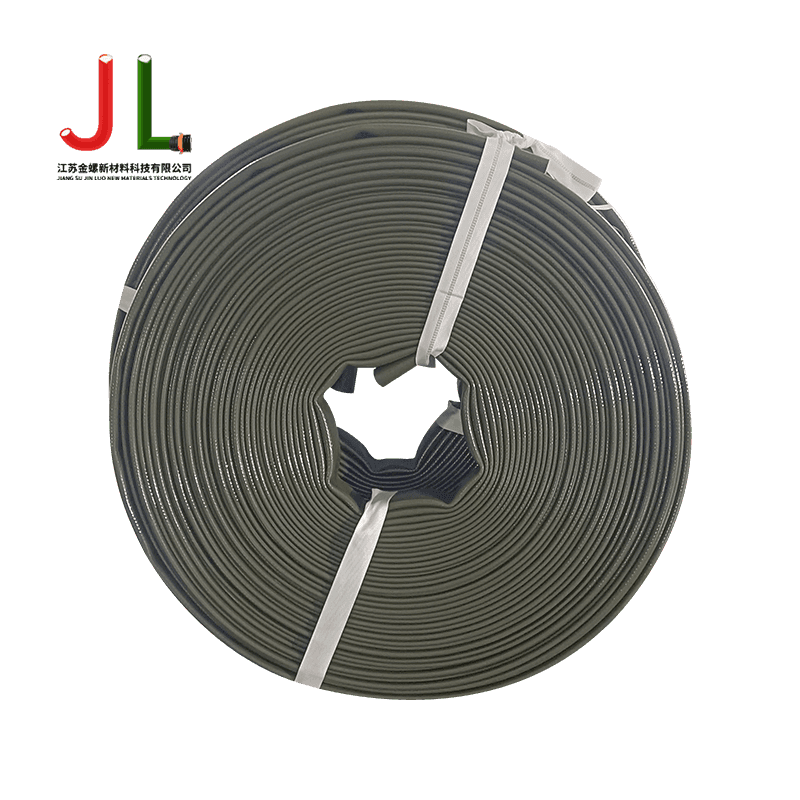
Jinluo Hose TPU Fracking Layflat Hose – Flexible Polyurethane Fracturing Water Supply Hose for Oilfield Applications
-
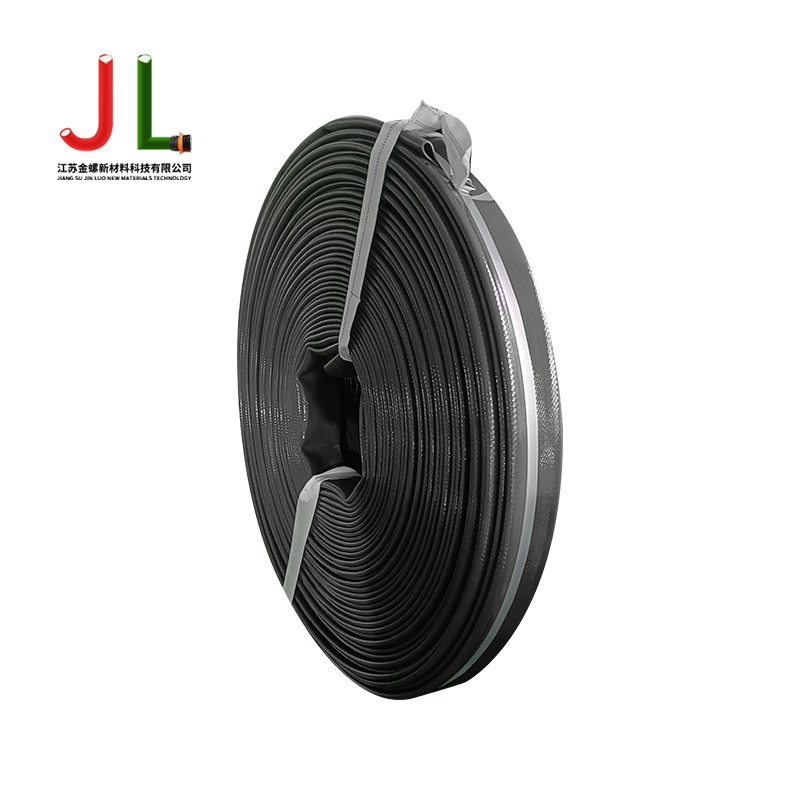
Jinluo Hose Polyurethane Fracturing Water Supply Hose
-
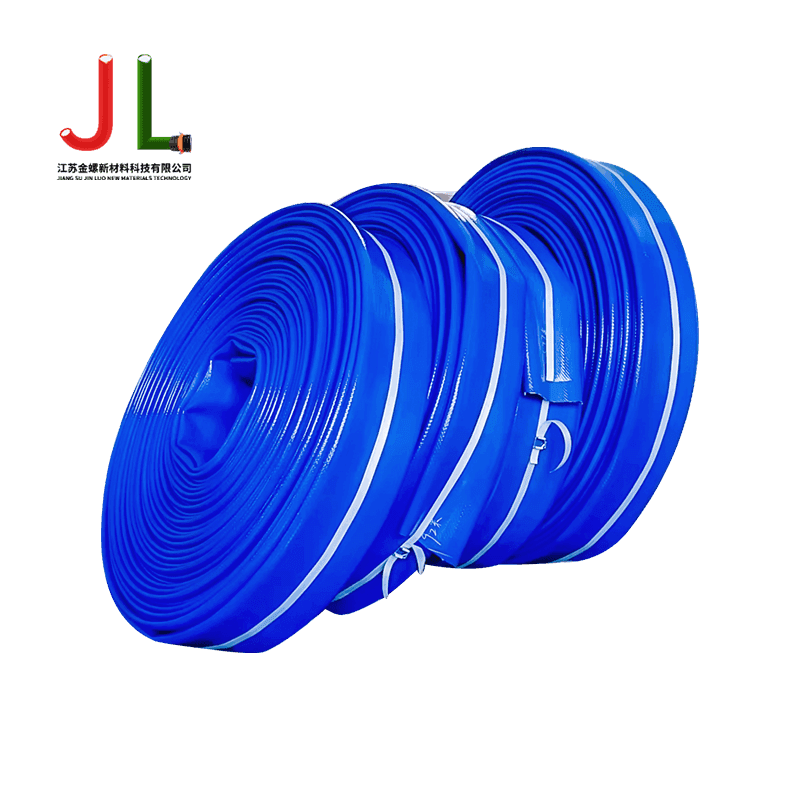
Jinluo Hose Polyurethane Slurry Hose – Reinforced Underground Mining Hose for Efficient Water and Slurry Discharge
-
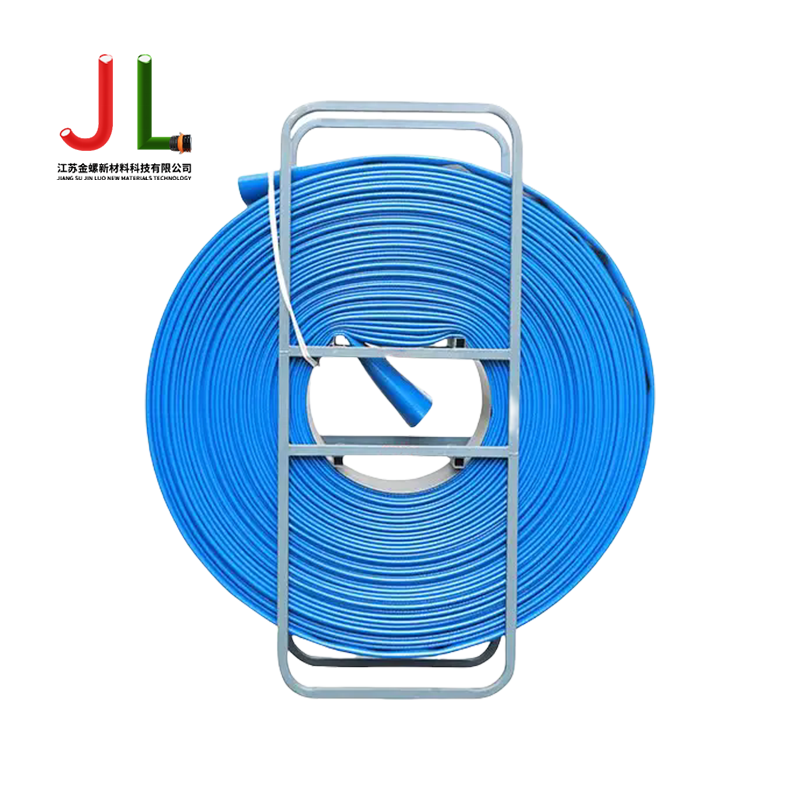
Jinluo Hose TPU frac water hose
-
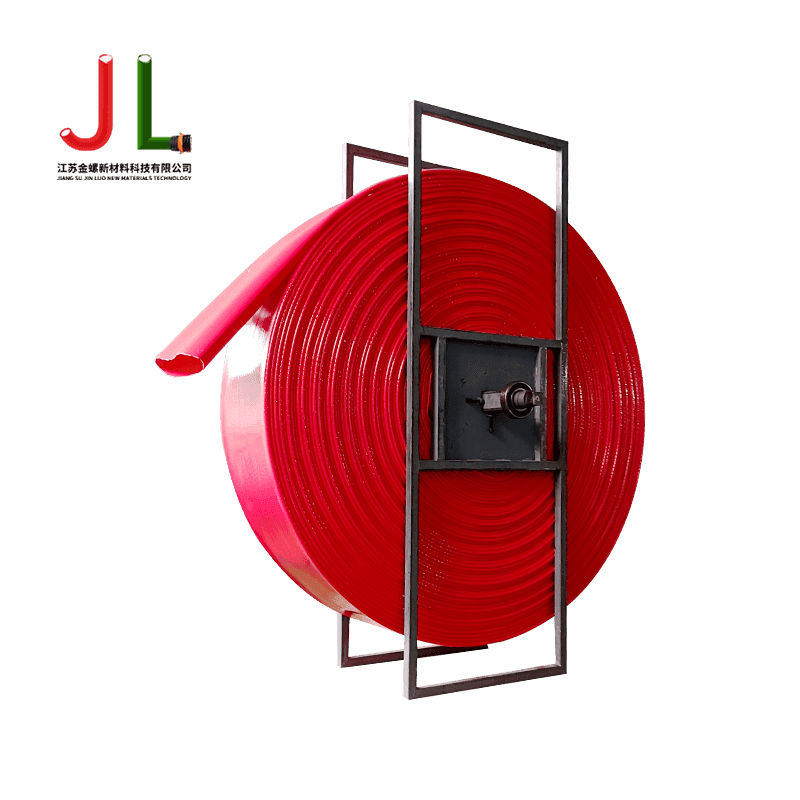
TPU Concrete Pouring Hose (Concrete Pumping Hose / Concrete Delivery Hose)
-
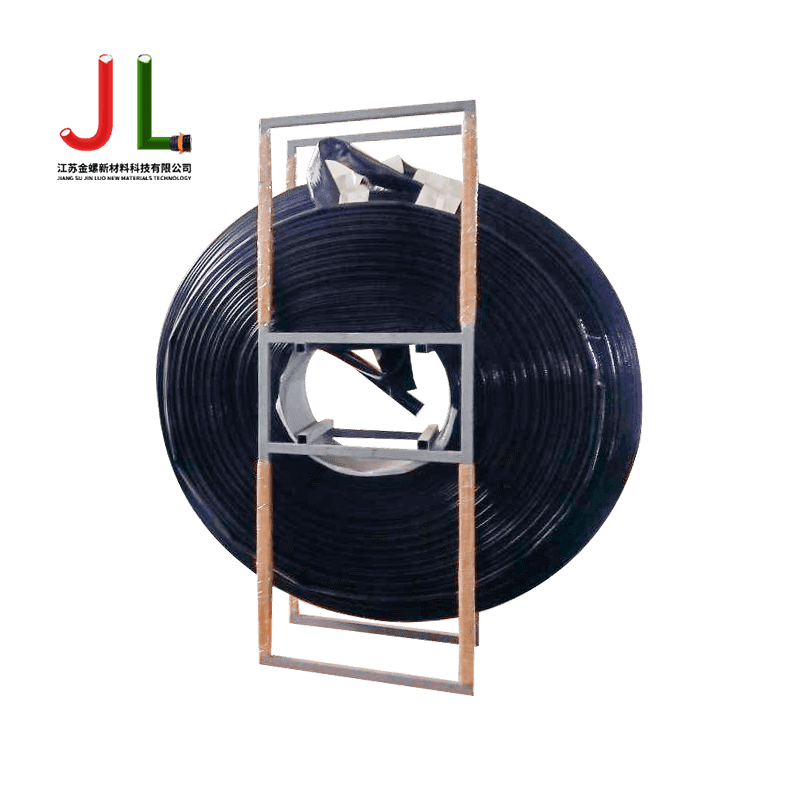
Jinluo Dual-Sided Polyurethane Trenchless Pipe Liner – Advanced Polyurethane Lining Hose for Trenchless Pipe Repair
-
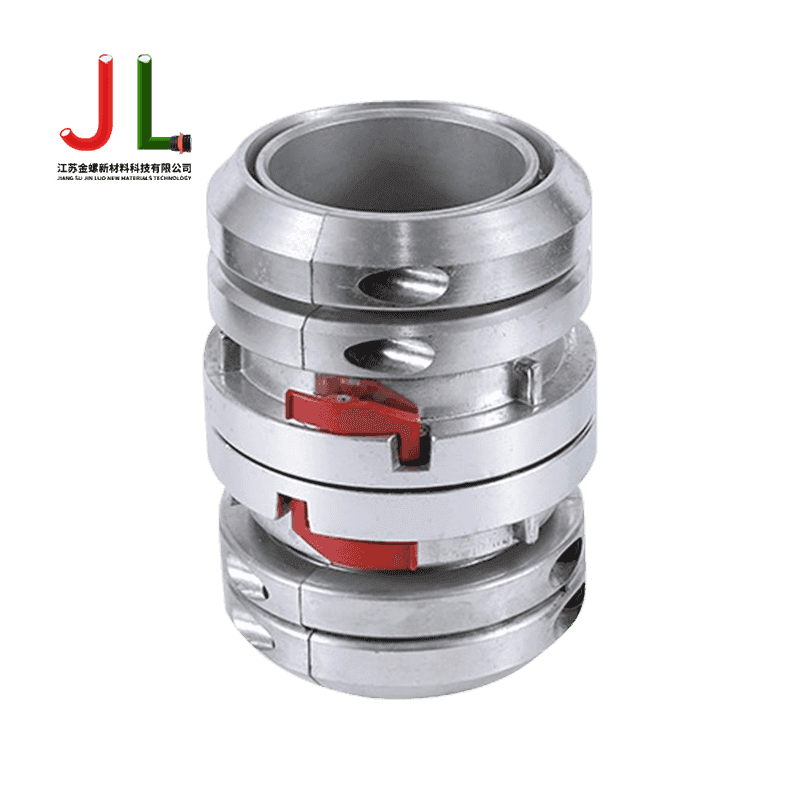
316 Stainless Steel Multi-Lug Quick Connect Couplings – Robust Stainless Steel Couplings for Quick Connections
-
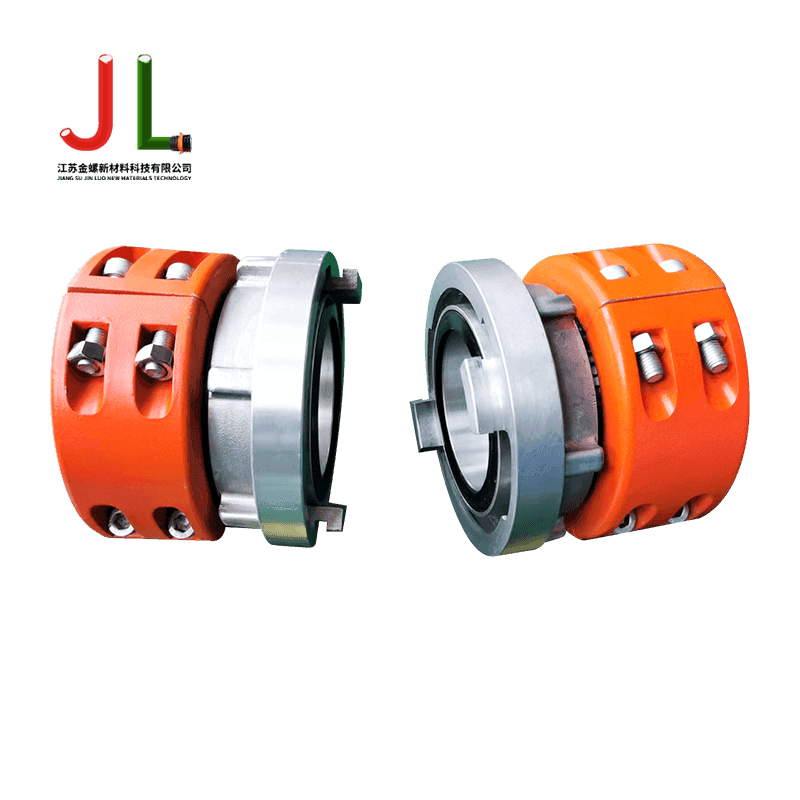
LDHC S Large Diameter Hose Coupling (Storz Type) – High-Performance Storz Type Coupling for Large Diameter Hose Connections
-
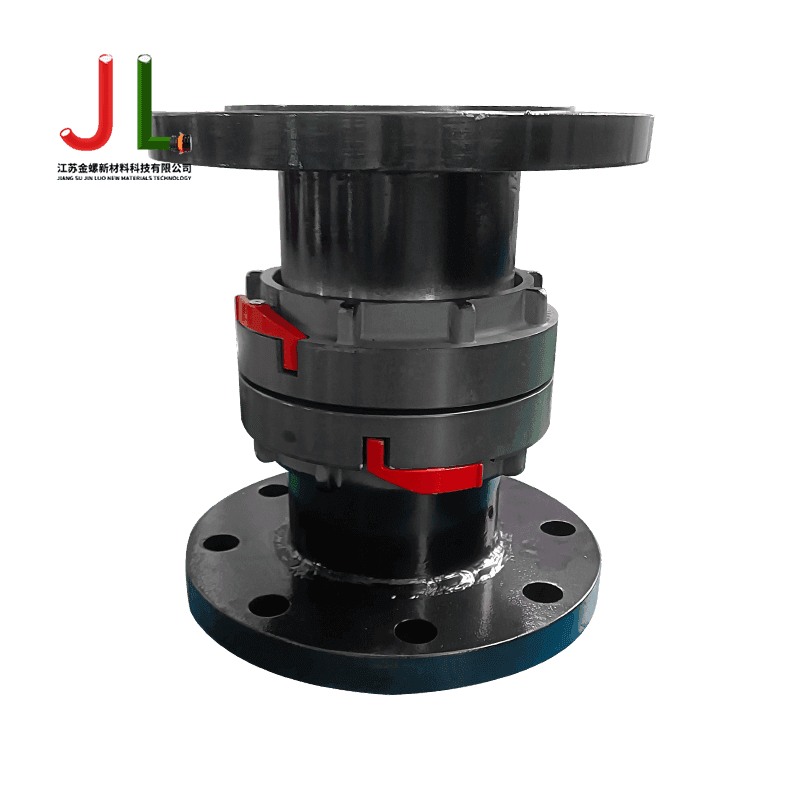
LDHC Large Diameter Hose Flange Coupling | High Pressure Sealing Carbon Steel / Stainless Steel Flange Connector for Petrochemical
Looking For Bussiness Opportunity?
Request for a call today

- Tel: +86-13801432164
- E-mail: [email protected]
- Address: No. 2 Workshop, East Zone, Photovoltaic Technology Industrial Park, No. 109 Yaojia Road, Jiulong Town, Hailing District, Taizhou City, Jiangsu Province, China
Quick Link
Products
Coprright 2025
Jiangsu Jinluo New Material Technology Co., Ltd.
Privacy
