


 English
 عربى
عربى
Why Choose TPU Layflat Hose?
In the demanding world of fluid transfer, the choice of equipment is critical to operational efficiency and long-term cost management. Among the various solutions available, the Agriculture TPU Layflat Hose has emerged as a superior alternative to traditional materials. Thermoplastic Polyurethane (TPU) offers an exceptional balance of flexibility, toughness, and abrasion resistance, making it ideal for the rigorous conditions of agricultural irrigation, industrial dewatering, and oilfield applications. Unlike conventional PVC or rubber hoses, TPU layflat hoses are designed to withstand high pressure while remaining lightweight and easy to handle. Their unique layflat design ensures that when the water is drained, the hose collapses completely, making it incredibly easy to retrieve, transport, and store. This capability is particularly valuable in large-scale farming and temporary water supply setups where logistics can be a challenge. As the need for more durable and efficient water management systems grows, understanding the specific benefits of TPU technology becomes essential for farmers, contractors, and engineers alike.
Content
- 1 Advantages of High-Pressure TPU Layflat Hose
- 2 TPU Irrigation Hose Pipe: Efficiency for Modern Farming
- 3 Applications of Durable TPU Discharge Hose
- 4 Space-Saving Design of Folding TPU Water Hose
- 5 Partner with Jiangsu Jinluo New Material Technology Co., Ltd.
- 6
- 7 FAQ
- 7.1 What makes TPU better than PVC for layflat hoses?
- 7.2 Can I use a high-pressure TPU layflat hose for drinking water?
- 7.3 How do I store a folding TPU water hose to extend its life?
- 7.4 What is the typical lifespan of a durable TPU discharge hose?
- 7.5 Are TPU layflat hoses repairable if they get punctured?
- 8 References
Advantages of High-Pressure TPU Layflat Hose
One of the most significant challenges in fluid transfer is maintaining consistent flow under high pressure without risking equipment failure. The high-pressure TPU lay-flat hose is engineered specifically to address this challenge. These hoses are constructed using high-tenacity synthetic yarn and premium TPU extrusion, which allows them to endure extreme working pressures often associated with long-distance water transfer or friction-heavy pumping scenarios. The tensile strength of the reinforcement yarn ensures that the hose can expand slightly under pressure to accommodate surge flow, yet return to its original shape without permanent deformation. This elasticity is vital for preventing bursts and extending the service life of the hose. Furthermore, the TPU material exhibits excellent resistance to hydrolysis and microbiological attack, meaning it will not degrade or rot when exposed to stagnant water or harsh agricultural chemicals. By utilizing high-pressure TPU solutions, operators can ensure a reliable water supply even in the most demanding terrains and conditions.
- Exceptional Burst Pressure: Designed to handle significant pressure spikes without failure.
- Wear Resistance: The TPU cover resists abrasion from rocks, rough terrain, and machinery.
- Hydrolysis Resistance: Maintains integrity even when used in wet or humid environments continuously.
- Flexibility in Cold Weather: Remains pliable in low temperatures, unlike PVC, which can crack.
| Feature | Benefit in Application |
|---|---|
| Synthetic Reinforcement | Prevents elongation and maintains structural integrity |
| TPU Extrusion | Provides a smooth bore that reduces friction loss |
| Lightweight Profile | Reduces labor costs during deployment and retrieval |
TPU Irrigation Hose Pipe: Efficiency for Modern Farming
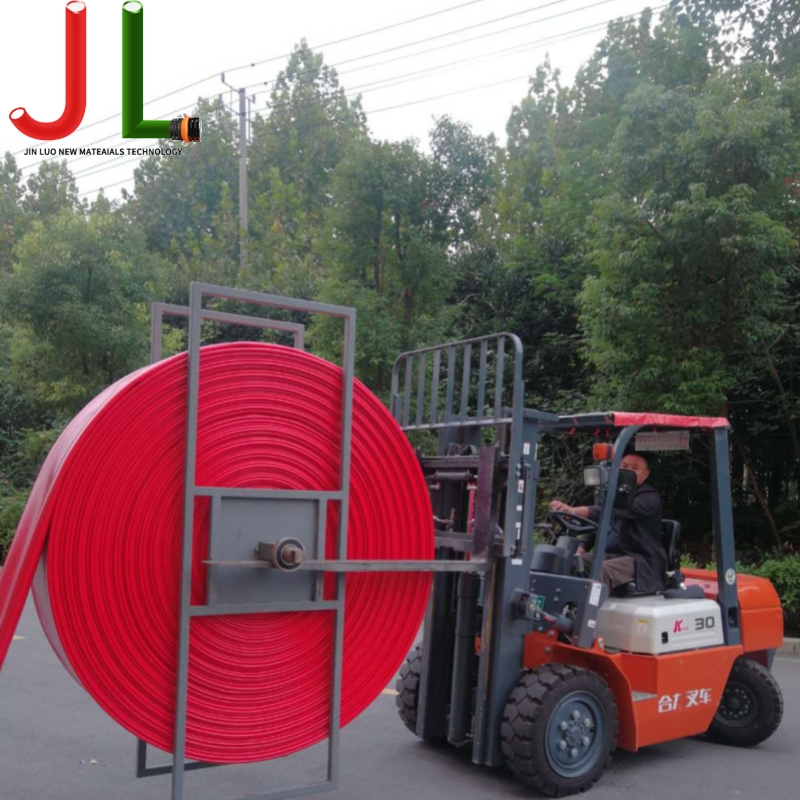
Modern agriculture demands irrigation solutions that are not only efficient but also cost-effective over the long term. The TPU irrigation hose pipe represents a significant upgrade from traditional aluminum pipes or heavy-duty rubber hoses used in the past. Irrigation efficiency is measured by the volume of water delivered versus the energy required to pump it. TPU layflat hoses are specifically designed to minimize friction loss, allowing pumps to move water over long distances with greater energy efficiency. This is particularly beneficial for center pivot irrigation systems or flood irrigation, where water must travel considerable distances from the source to the field. Additionally, the durability of TPU means that farmers do not have to replace their hoses as frequently as PVC alternatives, which can become brittle and crack after a few seasons of sun exposure. The chemical resistance of TPU also allows for the transfer of liquid fertilizers and pesticides through the same system without degrading the hose material. This versatility transforms a simple water transfer system into a multifunctional agricultural asset, streamlining operations and reducing the total cost of ownership for modern farms.
- Chemical Compatibility: Resists fertilizers and oils commonly found in agricultural runoff.
- UV Resistance: Specially formulated to withstand prolonged exposure to sunlight.
- Low Maintenance: Requires less upkeep compared to rigid piping systems.
- Smooth Bore: Prevents sediment buildup and ensures consistent flow rates.
| Material Type | TPU | PVC |
|---|---|---|
| Tensile Strength | High (Excellent for high pressure) | Moderate (Prone to stretching) |
| Temperature Range | -40°C to +80°C | -10°C to +60°C |
| Lifespan | 5-10 Years | 2-5 Years |
| Flexibility | Excellent (Retains shape) | Good (Can kink) |
Applications of Durable TPU Discharge Hose
Beyond agriculture, the utility of high-performance fluid transfer equipment extends into heavy industry and construction. The durable TPU discharge hose is a workhorse in sectors such as mining, construction, dewatering, and emergency response. In mining operations, the hose is often dragged over sharp rocks and abrasive gravel; the superior toughness of TPU ensures that the outer cover does not wear through quickly, protecting the internal reinforcement. Similarly, in trenchless pipeline rehabilitation, these hoses are used to supply water or air to drilling rigs and boring machines. The ability to handle high pressure makes them suitable for temporary water supply lines during large-scale construction projects or for remote water supply in emergency disaster relief scenarios. Their compact nature when collapsed allows for rapid deployment in situations where time is critical. Whether it is draining a flooded construction site or supplying water to a remote fire truck relay pump, the durability and reliability of these hoses make them indispensable tools for industrial applications where failure is not an option.
- Mining and Dewatering: Withstands abrasive slurry and rocky environments.
- Emergency Response: Quick deployment for disaster relief and firefighting.
- Industrial Cleaning: Handles high-pressure water jetting applications.
- Oil and Gas Exploration: Suitable for temporary oil transfer and water supply.
| Industry Sector | Primary Use Case |
|---|---|
| Mining | Dewatering and slurry transfer |
| Construction | Site dewatering and dust suppression |
| Oil & Gas | Fracturing and water supply |
| Municipal | Trenchless pipeline rehabilitation |
Space-Saving Design of Folding TPU Water Hose
Logistics and storage are often overlooked but critical factors in selecting fluid transfer equipment. The folding TPU water hose offers a distinct advantage in this area through its innovative lay-flat design. When the hose is not pressurized, it collapses into a flat, narrow profile. This design significantly reduces the volume required for storage and transport. For example, a truck or shipping container can carry several kilometers of layflat hose, whereas a similar volume of rigid pipe or standard rubber hose would require many more trips. This ease of handling translates directly into lower transportation costs and reduced manpower requirements for deployment. In applications like forestry fighting or agricultural distribution, the hose can be uncoiled directly from a moving vehicle or trailer, saving immense amounts of time. The "folding" nature of the hose also means it is less likely to kink or tangle during deployment, ensuring a smoother workflow. For operations that involve moving equipment frequently from site to site, the logistical benefits of a layflat TPU system are undeniable, offering a level of operational agility that traditional piping cannot match.
- Compact Storage: Takes up minimal space in warehouses or trucks.
- Rapid Deployment: Can be laid out quickly by a single person or machine.
- Tangle-Free: Layflat design reduces the risk of knots and kinks.
- Cost-Effective Transport: Maximizes load capacity on freight vehicles.
| Logistics Factor | Impact |
|---|---|
| Storage Volume | Reduced by up to 70% compared to a rigid hose |
| Deployment Speed | Up to 5 times faster than flanged piping |
| Manpower Needs | Lower requirements due to the lightweight nature |
| Shipping Costs | Decreased due to higher quantity per shipment |
Partner with Jiangsu Jinluo New Material Technology Co., Ltd.
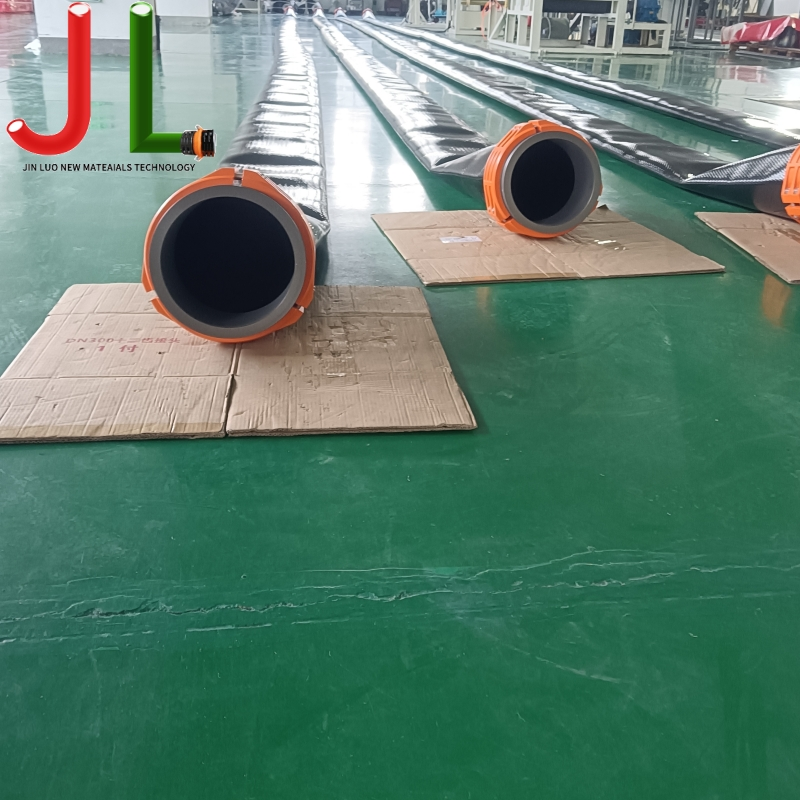
Selecting the right manufacturer is just as important as choosing the right material. Jiangsu Jinluo New Material Technology Co., Ltd. is dedicated to the production and sales of high-quality polyurethane layflat hoses, including the specialized Agriculture TPU Layflat Hose. Located in Jiangsu, China, the company has established itself as a leader in the field, offering a diverse product range that includes oil and gas hoses, fire truck remote water supply hoses, industrial hoses, forestry hoses, and trenchless pipeline rehabilitation hoses. With a commitment to innovation and quality, Jiangsu Jinluo provides solutions that are widely used in oil and gas exploration, temporary oil transfer, mineral exploration, agricultural fertilization, and emergency response. The company understands that one size does not fit all; therefore, they offer extensive customization options. Their products range in caliber from 2 inches to 16 inches, with lengths fully customizable to suit specific project requirements. Whether the need is for a standard irrigation setup or a complex mining dewatering operation, Jiangsu Jinluo New Material Technology Co., Ltd. has the expertise and manufacturing capability to deliver durable, high-performance hoses that meet the rigorous demands of global industries.
- Wide Product Range: From agriculture to heavy industrial applications.
- Custom Manufacturing: Calibers from 2" to 16" and custom lengths available.
- Global Application: Products used in mining, oil fields, and emergency services worldwide.
- Quality Assurance: Strict adherence to international manufacturing standards.
| Company Attribute | Detail |
|---|---|
| Location | Jiangsu, China |
| Core Products | Polyurethane layflat hoses, oil and gas hoses |
| Size Range | 2 inches to 16 inches (customizable) |
| Key Industries | Agriculture, Mining, Emergency Response, Construction |
FAQ
What makes TPU better than PVC for layflat hoses?
TPU (Thermoplastic Polyurethane) offers significantly higher abrasion resistance, tensile strength, and flexibility compared to PVC. While PVC is initially cheaper and sufficient for light-duty, short-term use, TPU irrigation hose pipe products are designed for longevity. They can handle higher pressures, remain flexible in freezing temperatures, and are resistant to oils and chemicals that would degrade PVC. This makes TPU a more cost-effective choice over the lifecycle of the hose.
Can I use a high-pressure TPU layflat hose for drinking water?
Yes, provided the hose is certified for potable water use. Many manufacturers produce TPU hoses that meet FDA or other relevant food-grade safety standards. It is crucial to specify "drinking water delivery hose" when ordering to ensure the inner liner is non-toxic and does not impart taste or odor to the water. Always check the technical data sheet to ensure compliance with local drinking water regulations.
How do I store a folding TPU water hose to extend its life?
To maximize the lifespan of a folding TPU water hose, it should be cleaned thoroughly after use to remove any chemicals, sediments, or agricultural residues. Once dry, the hose should be stored in a cool, dry place away from direct sunlight and ozone sources. Although TPU has good UV resistance, prolonged exposure to harsh sun when not in use can eventually degrade the material. It is best to store the hose coiled or folded loosely to prevent stress on the material layers.
What is the typical lifespan of a durable TPU discharge hose?
The lifespan of a durable TPU discharge hose depends heavily on the application and maintenance. In light-duty agricultural irrigation, with proper care, these hoses can last between 5 and 10 years. In heavy-duty industrial applications like mining or construction, where the hose is dragged over abrasive surfaces, the lifespan may be shorter, often 3 to 5 years. Regular inspections for cuts, abrasions, and coupling integrity can help identify issues early and extend the usable life.
Are TPU layflat hoses repairable if they get punctured?
Yes, TPU layflat hoses are generally repairable. Small punctures or leaks can often be fixed using TPU repair patches and specific glue designed for polyurethane. For larger damages, sections of the hose can be cut out and replaced with splicer bars or couplings. However, for high-pressure applications, it is recommended to consult the manufacturer or a professional technician to ensure the repair maintains the hose's pressure rating and safety integrity.
References
- ISO 9001:2015 - Quality Management Systems for Manufacturing and Production.
- ASTM D380 - Standard Test Methods for Rubber Hose—Tensile Strength.
- American Society of Agricultural and Biological Engineers (ASABE) - Standards for Agricultural Irrigation Hoses.
- U.S. Army Corps of Engineers - Specifications for Flood Control and Water Distribution Hoses.
- Food and Drug Administration (FDA) - Food Contact Substance Notifications for Potable Water Hoses.
Related Products
-

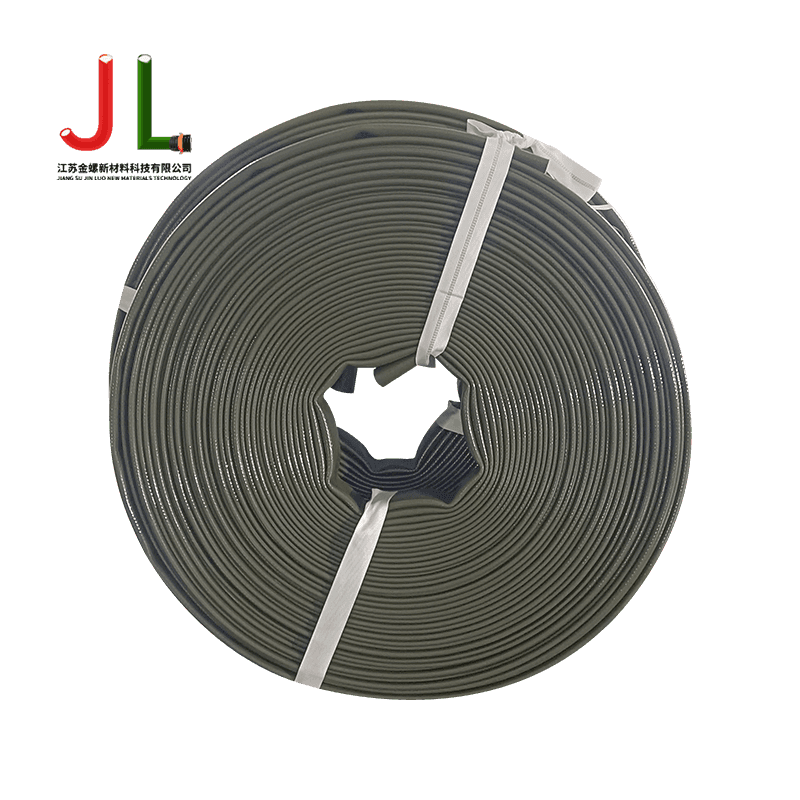
Jinluo Hose TPU Fracking Layflat Hose – Flexible Polyurethane Fracturing Water Supply Hose for Oilfield Applications
-
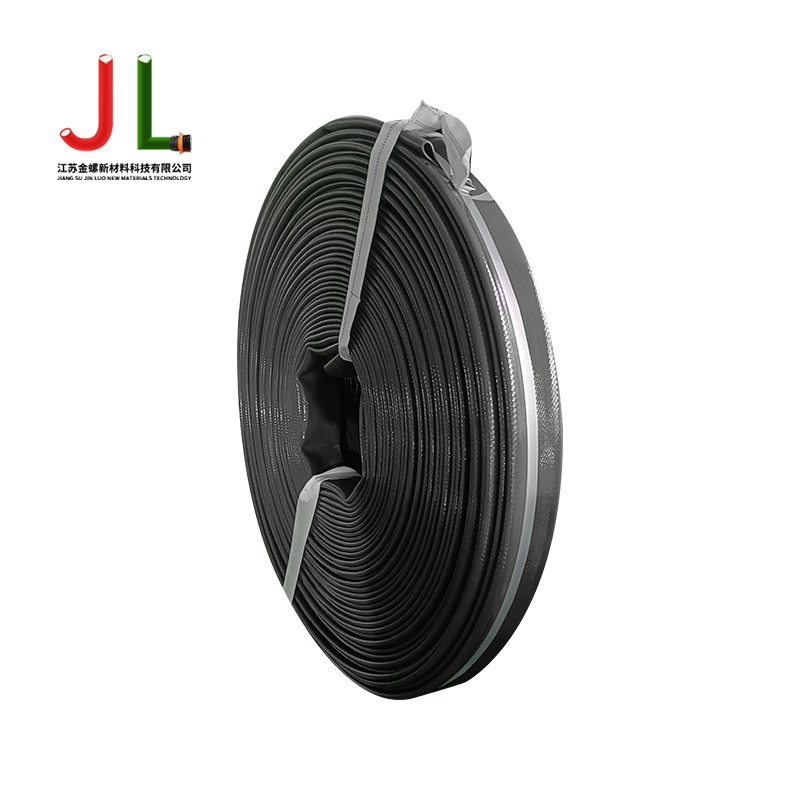
Jinluo Hose Polyurethane Fracturing Water Supply Hose
-
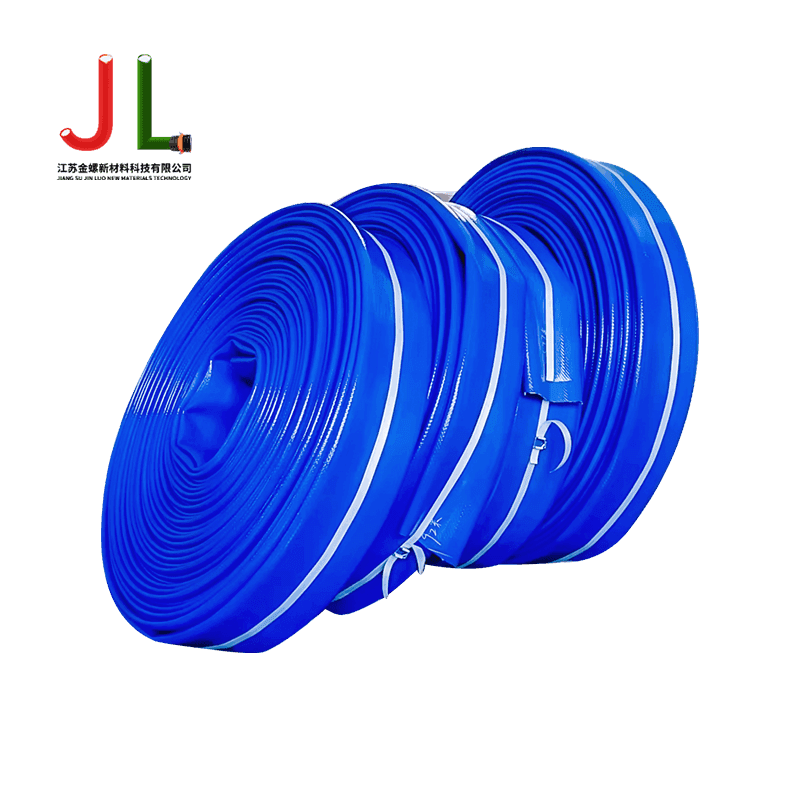
Jinluo Hose Polyurethane Slurry Hose – Reinforced Underground Mining Hose for Efficient Water and Slurry Discharge
-
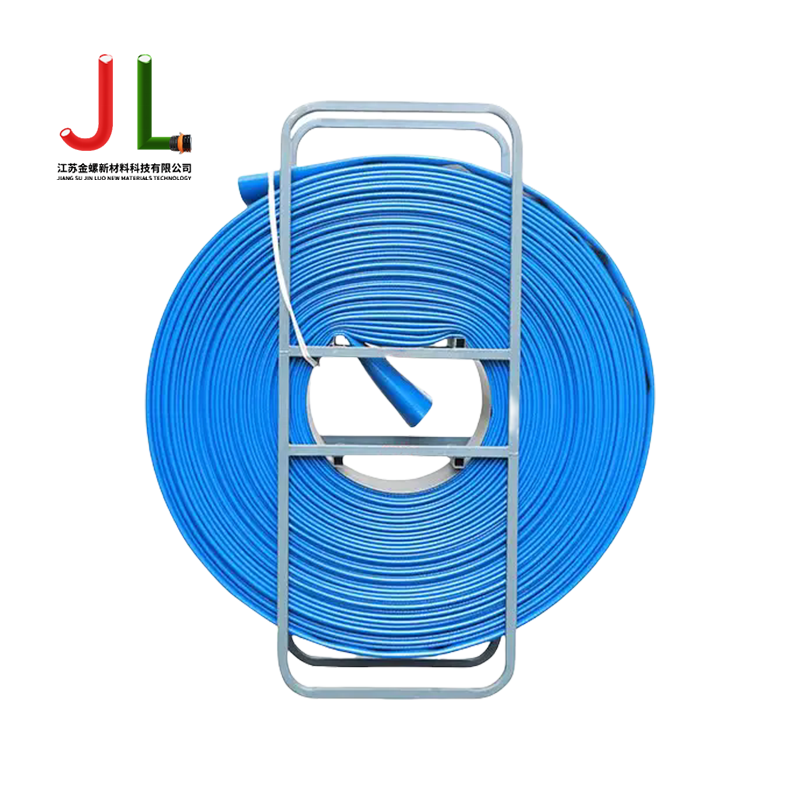
Jinluo Hose TPU frac water hose
-
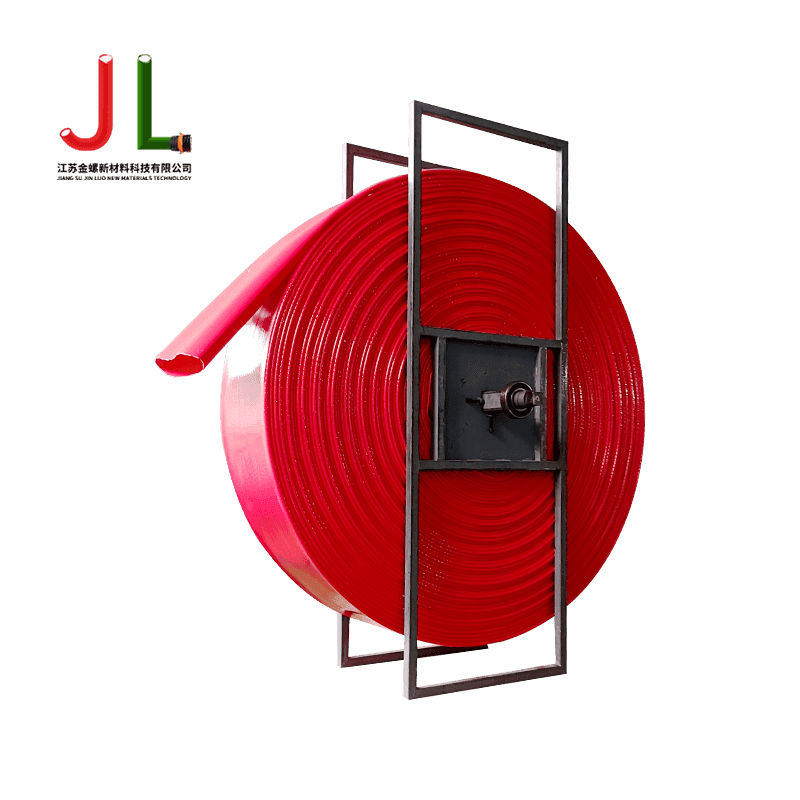
TPU Concrete Pouring Hose (Concrete Pumping Hose / Concrete Delivery Hose)
-
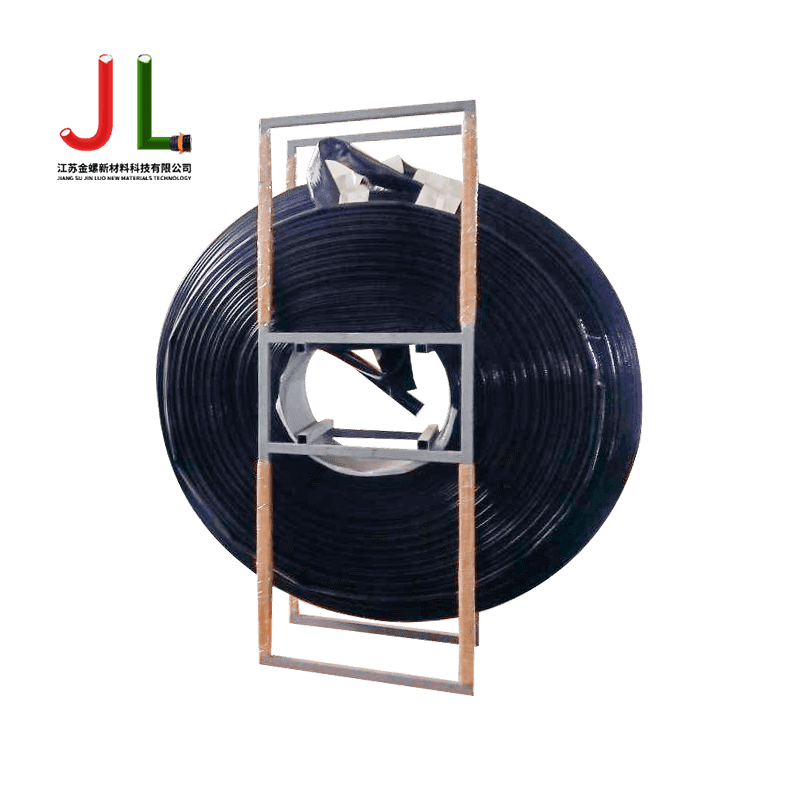
Jinluo Dual-Sided Polyurethane Trenchless Pipe Liner – Advanced Polyurethane Lining Hose for Trenchless Pipe Repair
-
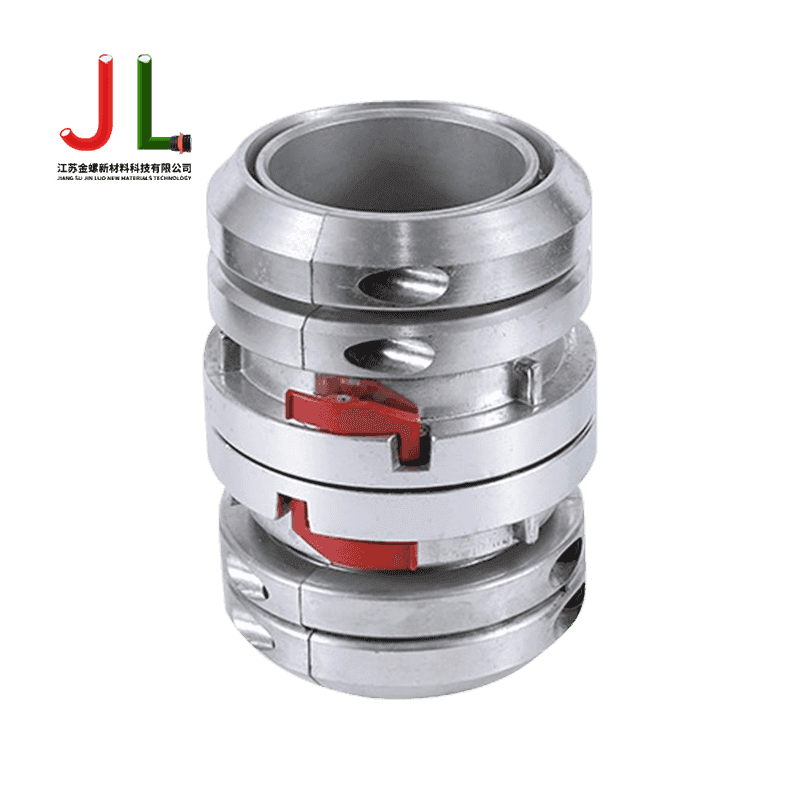
316 Stainless Steel Multi-Lug Quick Connect Couplings – Robust Stainless Steel Couplings for Quick Connections
-
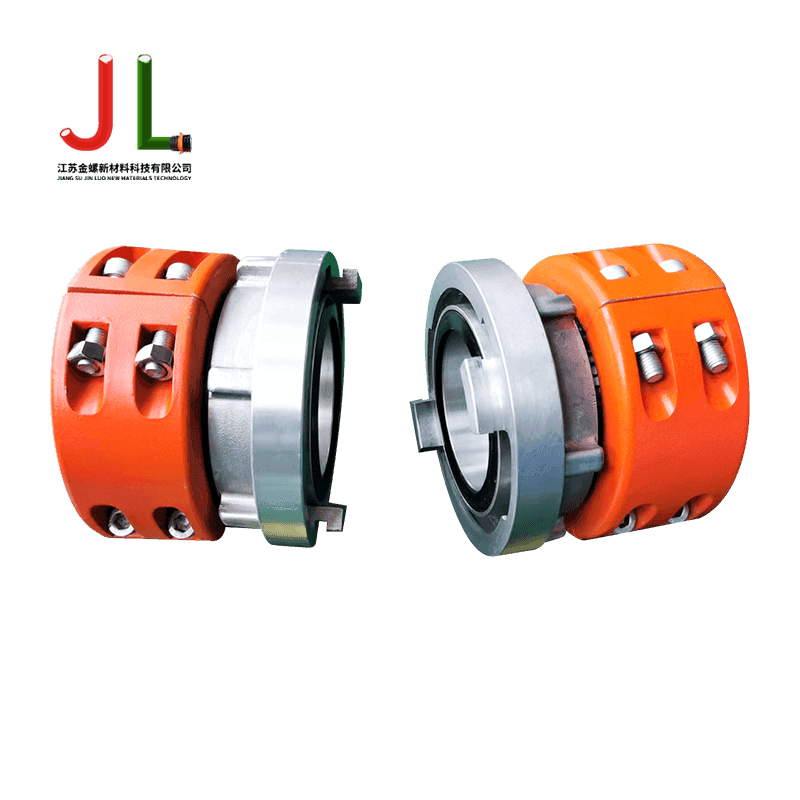
LDHC S Large Diameter Hose Coupling (Storz Type) – High-Performance Storz Type Coupling for Large Diameter Hose Connections
-
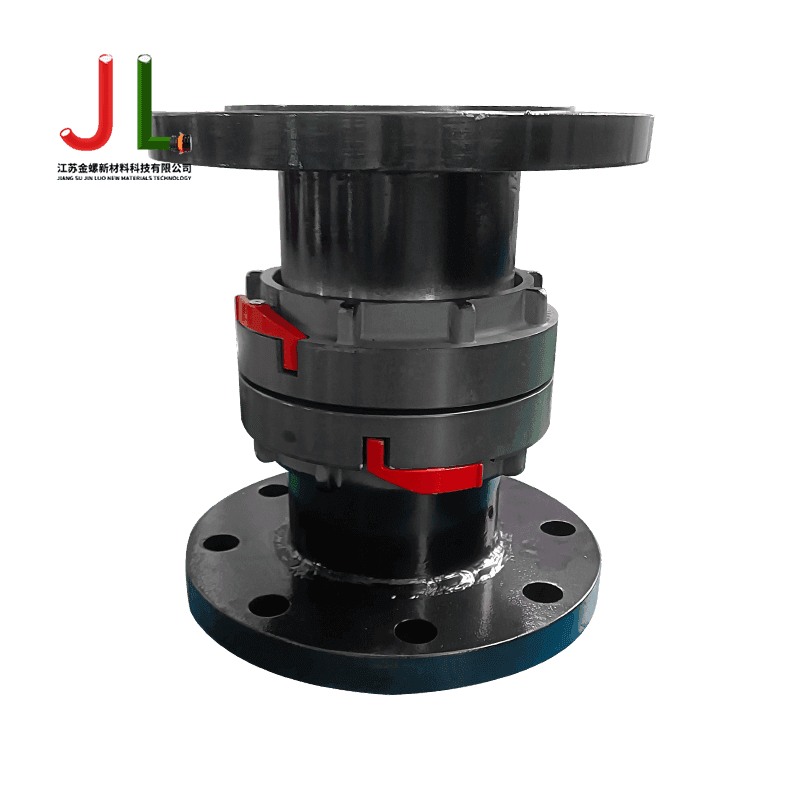
LDHC Large Diameter Hose Flange Coupling | High Pressure Sealing Carbon Steel / Stainless Steel Flange Connector for Petrochemical
Looking For Bussiness Opportunity?
Request for a call today

- Tel: +86-13801432164
- E-mail: [email protected]
- Address: No. 2 Workshop, East Zone, Photovoltaic Technology Industrial Park, No. 109 Yaojia Road, Jiulong Town, Hailing District, Taizhou City, Jiangsu Province, China
Quick Link
Products
Coprright 2025
Jiangsu Jinluo New Material Technology Co., Ltd.
Privacy
