


 English
 عربى
عربى
Is TPU Lay Flat Hose the Optimal Choice for Your Fluid Transfer?
In the realm of industrial fluid transfer, the selection of a discharge hose directly impacts operational efficiency, safety, and total cost of ownership. While PVC and rubber have traditionally dominated the market, TPU lay flat hose has emerged as a high-performance alternative, particularly for demanding applications involving hydrocarbons, abrasion, and extreme temperatures. This article provides an engineer-level analysis of TPU lay flat hose, examining its material properties, chemical resistance, pressure ratings, and suitability for specialized tasks such as oil transfer.
Content
- 1 TPU vs PVC Lay Flat Hose: A Comparative Material Analysis
- 2 TPU Lay Flat Hose Chemical Resistance: A Detailed Review
- 3 TPU Lay Flat Hose Pressure Rating: Engineering the Safety Margin
- 4 Lightweight TPU Lay Flat Hose: Logistical and Operational Advantages
- 5 TPU Lay Flat Hose for Oil Transfer: Design and Safety Protocols
- 6 Conclusion: Specifying TPU Lay Flat Hose for Critical Operations
- 7 Frequently Asked Questions (FAQ)
- 7.1 1. Can TPU lay flat hose be used for continuous pumping of diesel fuel?
- 7.2 2. How does the flexibility of TPU compare to rubber at -40°C?
- 7.3 3. What is the maximum continuous operating temperature for a TPU lay flat hose?
- 7.4 4. Is TPU lay flat hose safe for drinking water?
- 7.5 5. What causes "snaking" in a lay flat hose, and does TPU prevent it?
- 8 References
TPU vs PVC Lay Flat Hose: A Comparative Material Analysis
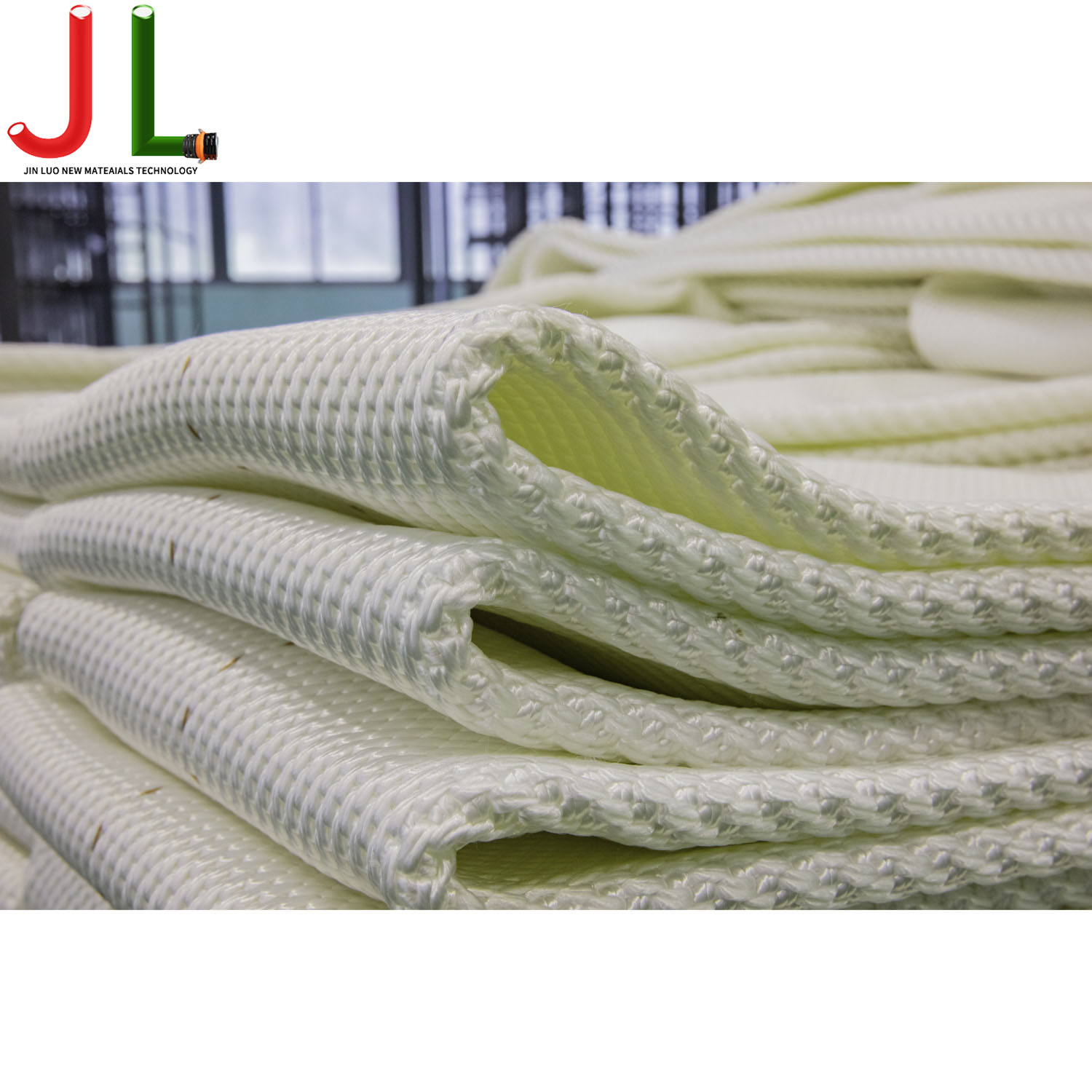
Selecting between TPU vs PVC lay flat hose requires a granular understanding of polymer science and application demands. PVC (Polyvinyl Chloride) hoses are typically plasticized to achieve flexibility, but this comes at the cost of long-term stability. In contrast, TPU (Thermoplastic Polyurethane) is an elastomeric alloy that combines the elasticity of rubber with the toughness of plastic. The "extruded through-the-weave" construction method, where TPU encapsulates a high-tenacity polyester reinforcement, creates a homogenous structure without adhesives, eliminating delamination risks .
Performance Matrix: TPU vs. PVC vs. Rubber
To quantify the differences, the table below compares critical engineering parameters across the three common materials used in lay flat hose construction.
| Property | TPU (Thermoplastic Polyurethane) | PVC (Polyvinyl Chloride) | Synthetic Rubber (e.g., EPDM/NBR) |
|---|---|---|---|
| Abrasion Resistance | Superior; considered the most abrasion-resistant elastomeric material under practical conditions . | Moderate; susceptible to wear in rugged terrain. | Good, but varies with compound; generally less than TPU. |
| Chemical Resistance (Oils & Hydrocarbons) | Excellent; exposure to oils and greases has minimal effect on performance . | Poor; plasticizers can be leached out by hydrocarbons, leading to hardening. | Excellent for NBR; EPDM is poor with oils but good with water/steam. |
| Low-Temperature Flexibility | Exceptional, down to -40°C (-40°F) without cracking . | Becomes stiff and brittle near freezing. | Good, but can stiffen; specific compounds required for extreme cold. |
| Weight (Lightweight Factor) | Lightweight TPU lay flat hose offers significant weight savings; e.g., a 6" hose weighs ~1.41 lbs/ft . | Moderate weight. | Heavy; can be 2-3x heavier than TPU for the same diameter. |
| UV & Ozone Resistance | Excellent; no visible cracking from ozone exposure . | Prone to UV degradation and color fading. | Good for EPDM; fair for others without additives. |
| Typical Working Pressure Range (6" ID) | 14 bar to 22 bar (200 psi to 320 psi) . | Lower pressure ratings, typically under 150 psi. | High, but depends on ply construction. |
The data confirms that while PVC remains a low-cost option for general irrigation, TPU lay flat hose justifies its higher initial cost through extended service life in abrasive and chemically aggressive environments .
TPU Lay Flat Hose Chemical Resistance: A Detailed Review
For procurement engineers, the tpu lay flat hose chemical resistance profile is a decisive factor. TPU's resistance stems from its molecular structure, which provides inertness to a wide range of substances without the use of migratory plasticizers that can contaminate fluids.
Compatibility with Industrial Fluids
TPU is inherently resistant to aliphatic hydrocarbons, lubricating oils, and greases. It also performs well with brackish water, seawater, and diluted acids and alkalis . However, it is not suitable for strong polar solvents, esters, or ketones. Below is a compatibility guide based on technical data sheets:
- Hydrocarbons (Diesel, Kerosene, Crude): Excellent. The hose lining maintains tensile strength (minimum 5,800 psi or 40 MPa) even with prolonged contact .
- Drilling Muds & Cement Slurries: Excellent abrasion resistance prevents internal erosion .
- Potable Water: Specific TPU compounds are NSF/ANSI 61 certified, ensuring no taste or odor is imparted to drinking water .
- Agricultural Fertilizers (Liquid Manure): Excellent; the smooth TPU tube allows for easy washdown and prevents residue buildup .
Chemical Resistance: Temperature and Concentration Factors
The chemical resistance of TPU is not absolute; it is a function of temperature and chemical concentration. At elevated temperatures, the rate of chemical attack accelerates. For continuous duty, the standard service temperature range is -50°C to +65°C, with peaks up to +80°C permissible . For applications requiring resistance to concentrated acids at high temperatures, specialized TPU versions or alternative materials may be required. Manufacturers can provide specific chemical resistance charts upon request for unique applications .
TPU Lay Flat Hose Pressure Rating: Engineering the Safety Margin
Understanding the tpu lay flat hose pressure rating is critical for system design and safety compliance. Pressure is typically defined by two values: Working Pressure (maximum pressure during normal service) and Burst Pressure (the point at which the hose catastrophically fails).
Working Pressure vs. Burst Pressure: The Safety Factor
Industry standards dictate a safety factor, usually 3:1 or 4:1, between burst and working pressure. For example, a hose with a working pressure of 300 psi should have a minimum burst pressure of 900 psi . This accounts for pressure spikes, surges, and mechanical stresses during operation.
Pressure Rating by Diameter and Wall Thickness
Pressure ratings are inversely related to diameter. A 2-inch hose can handle significantly higher pressures than a 16-inch hose due to the hoop stress formula. The table below aggregates data from multiple manufacturers to show typical pressure ranges.
| Nominal Inner Diameter (inches) | Typical Wall Thickness (mm/inch) | Typical Working Pressure (bar/psi) | Typical Burst Pressure (bar/psi) |
|---|---|---|---|
| 2" (51 mm) | 3.0 mm / 0.118" | 21 bar / 300 psi | 63 bar / 900 psi |
| 4" (102 mm) | 3.5 mm / 0.138" | 17 - 22 bar / 250 - 320 psi | 51 - 55 bar / 750 - 800 psi |
| 6" (152 mm) | 4.0 - 4.5 mm / 0.150 - 0.177" | 14 - 22 bar / 200 - 320 psi | 42 - 55 bar / 600 - 800 psi |
| 8" (203 mm) | 4.3 - 4.5 mm / 0.169 - 0.177" | 14 - 20 bar / 200 - 300 psi | 42 - 60 bar / 600 - 900 psi |
| 12" (305 mm) | 4.7 - 5.8 mm / 0.185 - 0.228" | 10 - 14 bar / 150 - 200 psi | 30 - 42 bar / 435 - 600 psi |
| 16" (406 mm) | 5.2 - 5.4 mm / 0.205 - 0.213" | 10 bar / 150 psi | 28 - 30 bar / 400 - 435 psi |
It is crucial to note that the final pressure rating of the assembly is determined by the lowest-rated component, which is often the coupling. Stainless steel shank couplings (e.g., 316 SS) are recommended for maintaining high pressure integrity in corrosive environments .
Lightweight TPU Lay Flat Hose: Logistical and Operational Advantages
The demand for lightweight TPU lay flat hose is driven by the need for rapid deployment and reduced crew fatigue. In emergency response scenarios, such as wildland firefighting or flood control, every kilogram matters.
Quantifying the Weight Advantage
A standard 6-inch rubber suction hose can weigh upwards of 5-6 kg/m (3.3-4.0 lbs/ft). In contrast, a 6-inch lightweight TPU lay flat hose weighs approximately 2.48 kg/m (1.66 lbs/ft) . For a 200-meter (660 ft) length, this represents a weight saving of over 500 kg (1100 lbs). This reduction allows for:
- Faster Packing and Unpacking: Lower coil volume and weight reduce strain on personnel .
- Reduced Transport Costs: More hose can be loaded per truck or helicopter.
- Simplified Handling: Can be deployed from a moving vehicle or by a small team.
The "lay flat" characteristic, where the hose flattens completely when drained, also means a smaller footprint for storage and allows for easier cleaning and maintenance .
TPU Lay Flat Hose for Oil Transfer: Design and Safety Protocols
Using TPU lay flat hose for oil transfer requires specific design features to mitigate risks associated with flammable fluids and static electricity. Standard TPU hoses are oil-resistant, but offshore and refinery applications demand enhanced safety.
Anti-Static Construction and Bonding
When hydrocarbons flow through a hose at high velocity, static electricity accumulates. If not dissipated, a static discharge can ignite vapors. High-performance hoses designed for tpu lay flat hose for oil transfer integrate grounding mechanisms. For instance, specialized offshore hoses incorporate two encapsulated copper grounding wires within the hose body, running along its entire length .
These wires must be electrically bonded to the conductive couplings (such as those made from ductile iron or stainless steel) and then to a true earth ground. The resistance of such a system is engineered to be well below the 1.5 ohm/ft (4.9 ohm/m) threshold required by military standards like MIL-PRF-370K .
Mechanical Robustness for Hydrocarbon Transfer
Beyond static dissipation, hoses for oil transfer require high tensile strength to withstand pulling forces during ship-to-shore or ship-to-ship operations. The circularly woven reinforcement provides tensile strength ratings up to 80,000 lbs (for a 16" hose), ensuring the hose does not separate under its own weight or from vessel drift . The TPU cover also provides necessary resistance to bunker fuel, jet fuel, and crude oil, preventing swelling or softening of the outer layer .
Conclusion: Specifying TPU Lay Flat Hose for Critical Operations
The engineering advantages of TPU lay flat hose are clear: it offers superior abrasion resistance, a broad chemical compatibility window, and a high strength-to-weight ratio compared to conventional rubber or PVC hoses. When specifying for your project, consider the following:
- For applications involving hydrocarbons, prioritize hoses with tpu lay flat hose chemical resistance validation and mandatory anti-static wiring.
- For dewatering or irrigation in rugged terrain, the durability of lightweight TPU lay flat hose reduces replacement cycles.
- Always verify the tpu lay flat hose pressure rating against your system's maximum dynamic pressure, including surge events.
- When comparing TPU vs PVC lay flat hose, calculate the total lifecycle cost, not just the initial purchase price, factoring in longevity and reduced maintenance.
For specialized applications such as tpu lay flat hose for oil transfer, insist on documentation confirming the hose meets industry standards for conductivity and fluid compatibility. By matching the material science to the application, engineers can ensure safe, efficient, and cost-effective fluid transfer operations.
Frequently Asked Questions (FAQ)
1. Can TPU lay flat hose be used for continuous pumping of diesel fuel?
Yes, TPU is inherently resistant to diesel and other aliphatic hydrocarbons. However, for continuous pumping, especially in marine or offshore environments, a hose specifically designed with anti-static wires and conductive couplings is required to prevent electrostatic discharge .
2. How does the flexibility of TPU compare to rubber at -40°C?
TPU maintains excellent flexibility down to -50°C without the use of plasticizers, which can migrate. Rubber compounds can also work at low temperatures, but they may require specialized (and more expensive) formulations. TPU is generally more consistent in its low-temperature performance .
3. What is the maximum continuous operating temperature for a TPU lay flat hose?
The standard maximum continuous operating temperature is +65°C (+150°F). Short-term peaks of up to +80°C (+175°F) are permissible, but prolonged exposure at this upper limit will reduce the hose's lifespan .
4. Is TPU lay flat hose safe for drinking water?
Yes, but only if the hose is specifically certified to NSF/ANSI 61 or equivalent standards. Not all TPU compounds are food-grade; some contain additives that are not suitable for potable water. Always verify the certification .
5. What causes "snaking" in a lay flat hose, and does TPU prevent it?
"Snaking" or lateral instability under pressure is caused by excessive elongation of the reinforcement. High-quality TPU hoses use circularly woven polyester yarns that limit elongation to less than 2%, which prevents the hose from twisting and snaking, ensuring stable flow and reduced wear .
References
- TIPSA. (2025). Oroflex Terrain - High flow extruded TPU lay flat discharge hose. tipsa.com
- Sunhose. (2025). Layflat Hoses Decoded: Why PVC, Rubber, and TPU Cater to Different Needs. sunhose.com
- TIPSA. (n.d.). OROFLEX OFFSHORE - Extremely Robust Extruded TPU Fuel & Oil Discharge Lay Flat Hose. DirectIndustry
- Orientflex. (n.d.). TPU Layflat Hose. orientrubber.com
- ZYfire Hose Corporation. (n.d.). Zyfire Layflat 12" 200 Psi Working Pressure TPU Layflat Hose. madeinchina.com
- cnhoseflex.com. (2023). TPU Layflat Hose - Technical Specifications. cnhoseflex.com
- cnhoseflex.com. (2024). Layflat Hose Material Overview: Pros and Cons of PVC, PE, and TPU. cnhoseflex.com
- Hitechcorp. (2020). TPU Layflat Hose - Technical Data. hitechcorp.com.vn
- John M. Ellsworth. (n.d.). Kuriyama OFAQ 6 in. Polyurethane Layflat Potable Water Discharge Hose. jmesales.com
Related Products
-

Jinluo Hose TPU Fracking Layflat Hose – Flexible Polyurethane Fracturing Water Supply Hose for Oilfield Applications
-
Jinluo Hose Polyurethane Fracturing Water Supply Hose
-
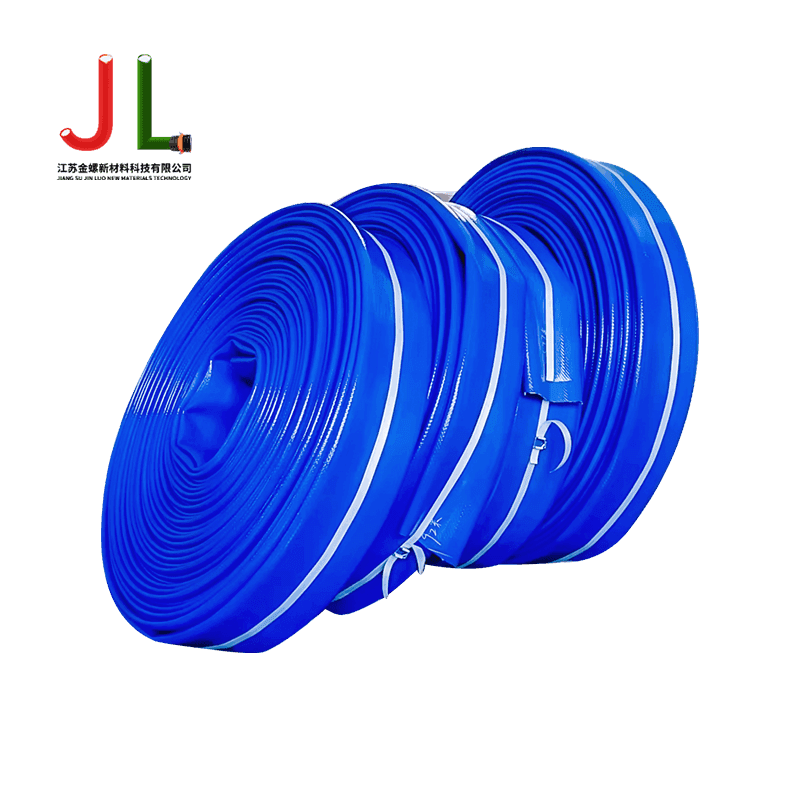
Jinluo Hose Polyurethane Slurry Hose – Reinforced Underground Mining Hose for Efficient Water and Slurry Discharge
-
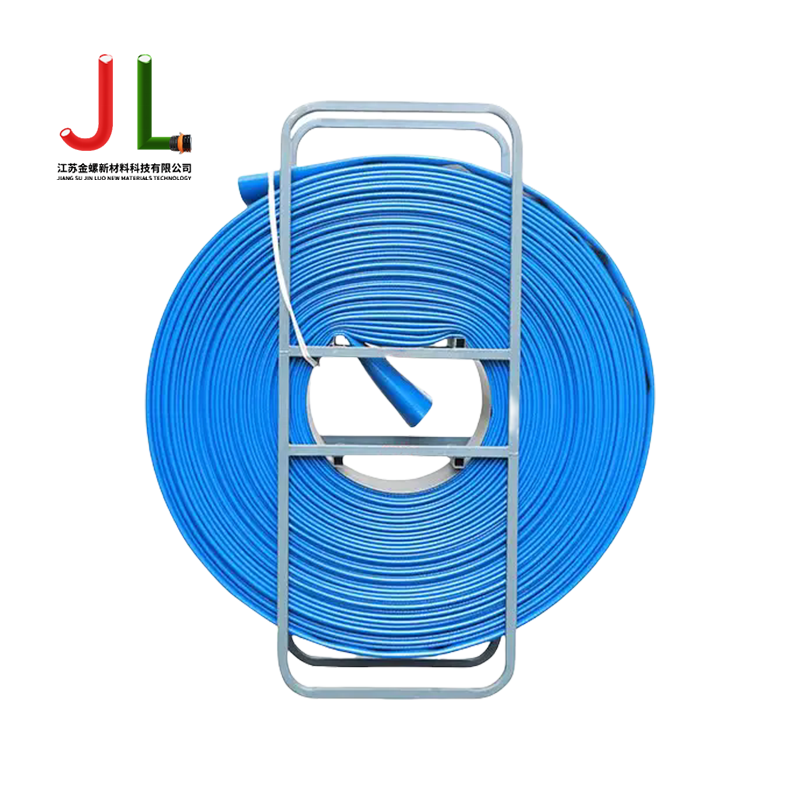
Jinluo Hose TPU frac water hose
-
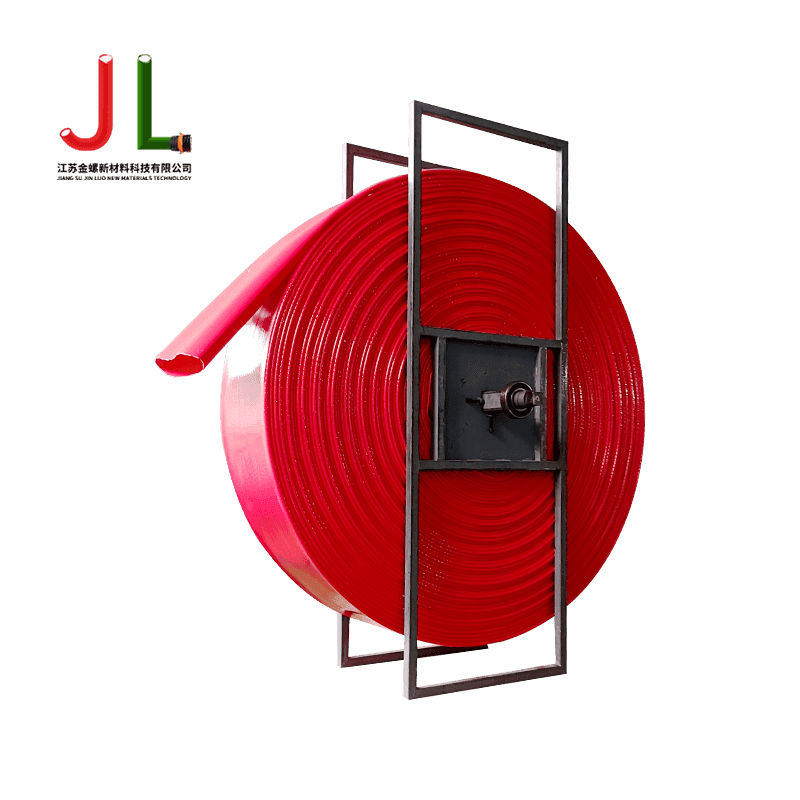
TPU Concrete Pouring Hose (Concrete Pumping Hose / Concrete Delivery Hose)
-
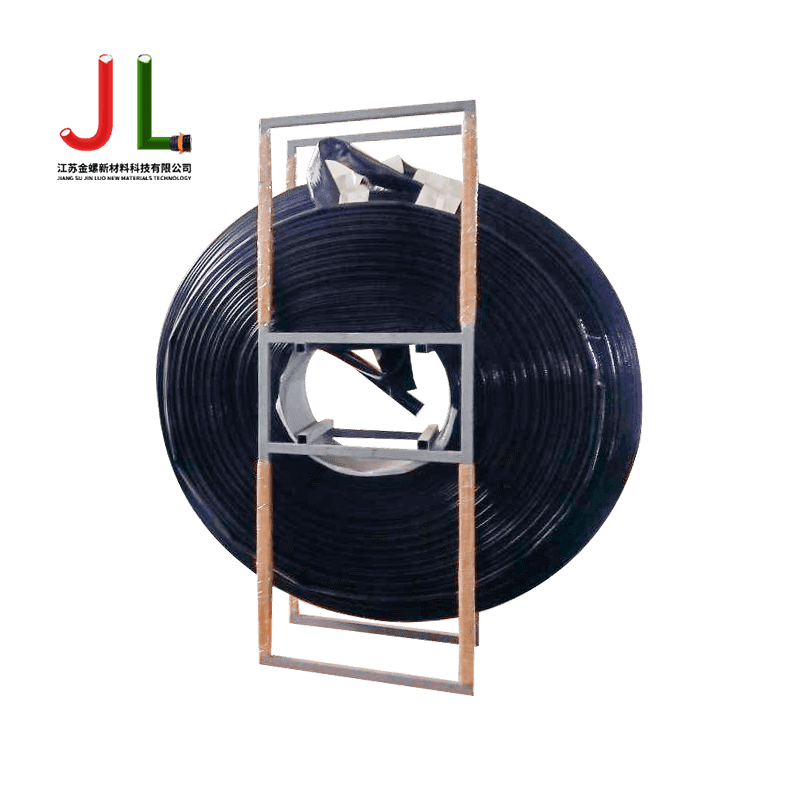
Jinluo Dual-Sided Polyurethane Trenchless Pipe Liner – Advanced Polyurethane Lining Hose for Trenchless Pipe Repair
-
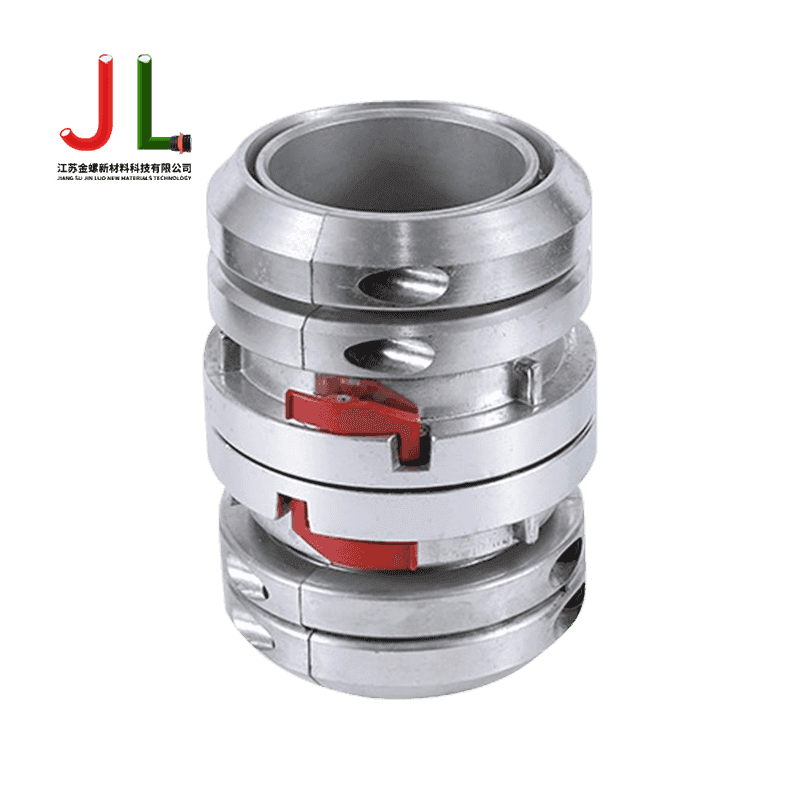
316 Stainless Steel Multi-Lug Quick Connect Couplings – Robust Stainless Steel Couplings for Quick Connections
-
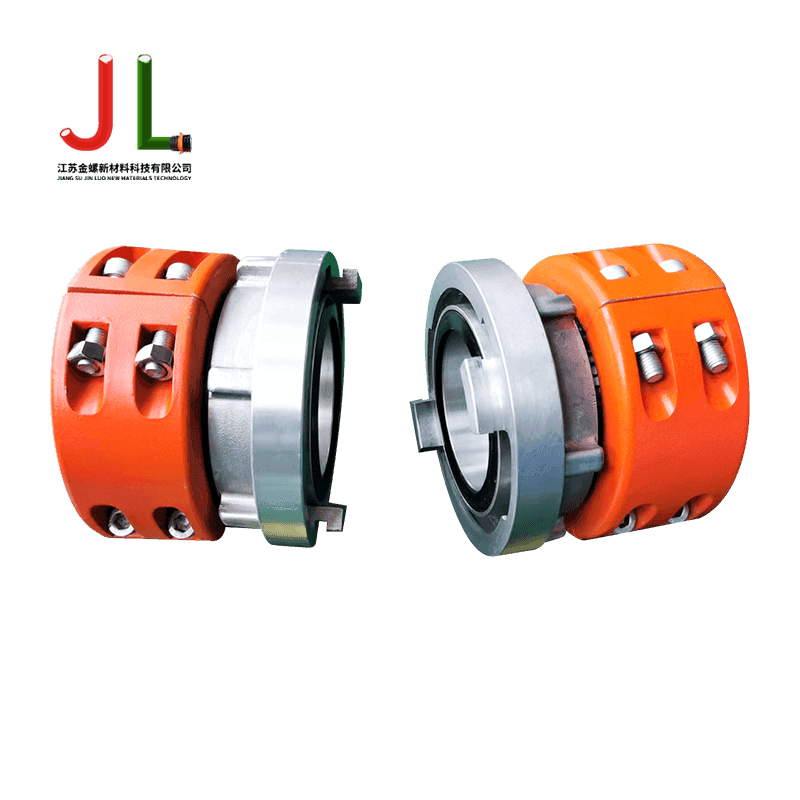
LDHC S Large Diameter Hose Coupling (Storz Type) – High-Performance Storz Type Coupling for Large Diameter Hose Connections
-
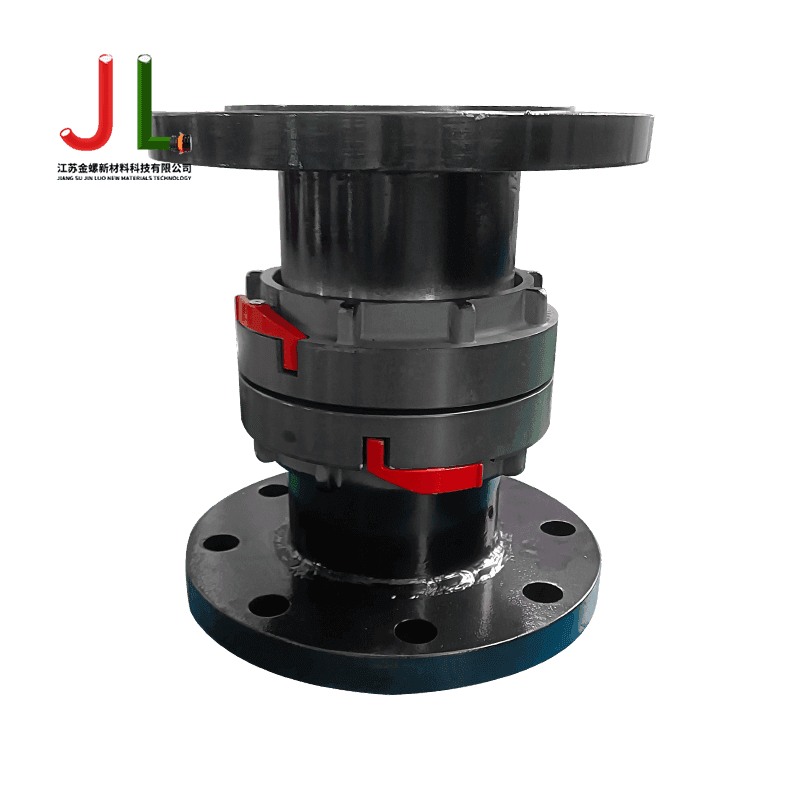
LDHC Large Diameter Hose Flange Coupling | High Pressure Sealing Carbon Steel / Stainless Steel Flange Connector for Petrochemical
Looking For Bussiness Opportunity?
Request for a call today

- Tel: +86-13801432164
- E-mail: [email protected]
- Address: No. 2 Workshop, East Zone, Photovoltaic Technology Industrial Park, No. 109 Yaojia Road, Jiulong Town, Hailing District, Taizhou City, Jiangsu Province, China
Quick Link
Products
Coprright 2025
Jiangsu Jinluo New Material Technology Co., Ltd.
Privacy
