


 English
 عربى
عربى
Why Choose Industrial TPU Layflat Hose?
In the evolving landscape of global fluid logistics, the Industrial TPU Layflat Hose has emerged as the gold standard for high-performance transport systems. Unlike traditional rigid piping, these hoses offer an unparalleled combination of flexibility, tensile strength, and abrasion resistance, making them indispensable for modern industrial sectors. Thermoplastic Polyurethane (TPU) technology allows for a "layflat" design, meaning the hose can be collapsed when not in use, significantly reducing storage footprints and transportation costs. As industries move toward more rapid deployment models—whether in shale gas extraction, emergency flood response, or remote agricultural fertilization—the demand for a hose that can withstand extreme pressures while remaining lightweight has skyrocketed. This technology represents a significant leap forward in polymer engineering, providing a solution that resists hydrolysis, microbial attack, and UV degradation, ensuring that fluid transfer remains uninterrupted even in the harshest terrestrial environments.
- Superior Abrasion Resistance: TPU is naturally tougher than rubber, standing up to gravel, rocks, and rough industrial floors.
- High Pressure Thresholds: Capable of maintaining structural integrity under intense hydraulic stress.
- Lightweight Portability: Easy to deploy and retrieve compared to steel or high-density polyethylene pipes.
- Chemical Inertness: Resistant to oils, fuels, and a wide variety of industrial chemicals.
Content
- 1 Understanding the Superiority of TPU in Modern Industry
- 2 Primary Industrial Applications and Performance Requirements
- 3 Cost-Effectiveness and Procurement Strategy
- 4
- 5 FAQ
- 5.1 What is the typical lifespan of an industrial TPU layflat hose in the field?
- 5.2 Is TPU better than nitrile rubber for oil-based fluid transfer?
- 5.3 How do I justify the higher large diameter industrial TPU layflat hose price?
- 5.4 Can these hoses be used for drinking water and agricultural fertilization?
- 6 Professional Fluid Solutions: About Our Expertise
Understanding the Superiority of TPU in Modern Industry
When evaluating fluid transfer solutions, engineers often find themselves conducting an Industrial TPU layflat hose vs nitrile rubber hose comparison to determine which material provides the best return on investment. While nitrile rubber has been a traditional choice for oil-related applications, TPU offers a much higher strength-to-weight ratio. A TPU hose can often handle higher working pressures with a thinner wall thickness, which translates to easier handling for field crews. Furthermore, TPU does not age or crack as quickly as rubber when exposed to ozone or direct sunlight, which is a critical factor for long-term outdoor installations. In the context of large-scale operations, the ability of TPU to remain flexible at extremely low temperatures ensures that operations in Arctic or high-altitude environments do not suffer from brittle fractures. The internal lining of a high-quality TPU hose is also exceptionally smooth, reducing friction loss and allowing pumps to operate at lower power levels, thereby saving energy costs across the project lifecycle.
- Tensile Strength: TPU fibers provide a higher burst pressure rating per pound of material.
- Environmental Resilience: Better resistance to weathering and ozone compared to thermoset rubbers.
- Flow Efficiency: Lower friction coefficients lead to higher flow rates over long distances.
- Storage Life: TPU does not suffer from "shelf-aging" in the same way that natural or synthetic rubbers do.
| Feature | TPU Layflat Hose | Nitrile Rubber Hose |
|---|---|---|
| Weight | Lightweight, easy to maneuver | Heavy, labor-intensive |
| Abrasion Resistance | Excellent (4-5 times higher) | Moderate |
| Cold Flexibility | Maintains flexibility to -50°C | Stiffens in cold climates |
| Oil Resistance | High | Very High |
Primary Industrial Applications and Performance Requirements
The versatility of the Industrial TPU Layflat Hose is best demonstrated through its diverse range of demanding applications. In the energy sector, specifically within hydraulic fracturing, the use of a high-pressure industrial TPU layflat hose for fracking is essential for transporting massive volumes of water from storage pits to the wellhead. These hoses must withstand the abrasive nature of proppants and chemical additives while maintaining a leak-proof seal under immense pressure. Similarly, in the mining sector, operators rely on a Durable industrial TPU layflat hose for mine dewatering to clear pits of slurry and groundwater. The abrasive nature of mineral-laden water would quickly erode lesser materials, but TPU's molecular structure provides a sacrificial layer that protects the reinforcement textile. Even in the agricultural sector, the shift toward "drag" hose systems for manure injection and water distribution has made the Flexible industrial TPU layflat hose for irrigation systems a staple for farmers looking to reduce soil compaction and increase the speed of fertilization across thousands of acres.
- Fracking Operations: Managing high-volume water transfer in oil and gas exploration.
- Mining Dewatering: Removing sludge and abrasive fluids from deep underground or open-pit mines.
- Agriculture: Large-scale irrigation and liquid manure injection with high-speed deployment.
- Firefighting: Remote water supply for forest fires and municipal emergency response.
| Industry | Specific Application | Key Requirement |
|---|---|---|
| Oil and Gas | Fracking water transfer | High burst pressure & UV resistance |
| Mining | Pit dewatering | Extreme abrasion resistance |
| Agriculture | Drag hose irrigation | Flexibility & kink resistance |
Cost-Effectiveness and Procurement Strategy
When procurement managers analyze the large-diameter industrial TPU layflat hose price, they must look beyond the initial purchase cost and consider the Total Cost of Ownership (TCO). While the upfront investment for TPU might be higher than PVC or rubber, the longevity and reduced labor costs provide significant savings. Large diameter hoses, ranging from 8 inches to 16 inches, allow for fewer lines to be run to achieve the same flow rate as multiple smaller pipes, which simplifies site management and reduces the potential points of failure. Our manufacturing facility in Jiangsu, China, has been a leader in this space, specializing in polyurethane layflat fracturing hoses, oil and gas hoses, and trenchless pipeline rehabilitation solutions. We produce hoses in calibers from 2 inches to 16 inches, with customizable lengths to suit specific project footprints. By adhering to strict ISO9001 quality management, we ensure that every hose delivered—whether for forestry, construction, or industrial fluid transfer—meets the stable quality and timely delivery requirements that high-stakes projects demand.
- Customization: Availability of specialized calibers and models on demand.
- Logistics Savings: Collapsible design reduces shipping costs by up to 70% compared to HDPE.
- Installation Speed: Faster deployment reduces man-hours and machine rental time.
- Reduced Maintenance: High durability means fewer repairs and less downtime in the field.
| Investment Factor | TPU Hose Benefit | Long-term Impact |
|---|---|---|
| Deployment Time | Hours instead of days | Lower project labor costs |
| Repair Frequency | Very low due to TPU toughness | Uninterrupted operations |
| Residual Value | High durability for multiple re-uses | Lower cost per project use |
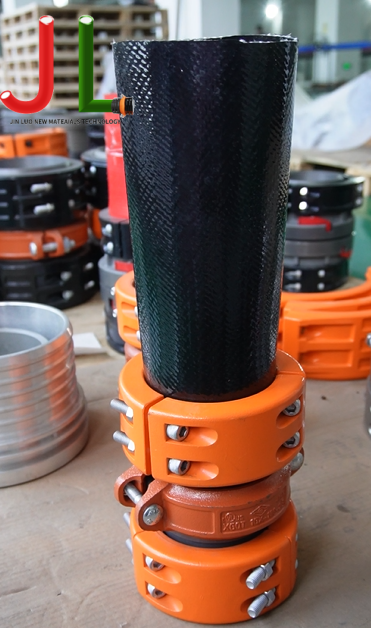
FAQ
What is the typical lifespan of an industrial TPU layflat hose in the field?
The lifespan of the Industrial TPU Layflat Hose depends on the environment, but it typically lasts 5 to 10 years with proper care. In extreme applications like a Durable industrial TPU layflat hose for mine dewatering, the lifespan might be slightly shorter due to constant abrasion from rocks and slurry, but it still significantly outperforms rubber or PVC alternatives, which might fail within a single season.
Is TPU better than nitrile rubber for oil-based fluid transfer?
When comparing Industrial TPU layflat hose vs nitrile rubber hose, TPU is superior in terms of weight and abrasion resistance. While nitrile rubber is excellent for chemical compatibility with certain oils, TPU is lighter, easier to roll up, and much more resistant to the physical "scuffing" that occurs when a hose is dragged across a site. For temporary oil transfer and fracking, TPU is the modern industry preference.
How do I justify the higher large diameter industrial TPU layflat hose price?
The large-diameter industrial TPU layflat hose price is justified by the reduction in pump energy and installation labor. Because TPU is smoother internally, there is less "friction loss," meaning your pumps don't have to work as hard to move the same amount of fluid. Additionally, one 12-inch TPU hose can often replace several smaller lines, drastically reducing the complexity of your setup.
Can these hoses be used for drinking water and agricultural fertilization?
Absolutely. Our range includes specific models for drinking water delivery and a Flexible industrial TPU layflat hose for irrigation systems. The TPU material used in these hoses is designed to be leach-resistant and can be manufactured to meet potable water standards, making it safe for both agricultural fertilization and emergency drinking water supply in disaster zones.
Professional Fluid Solutions: About Our Expertise
Our company is dedicated to the production and sales of high-tier polyurethane solutions, ranging from fracturing hoses to trenchless pipeline rehabilitation hoses. Based in Jiangsu, China. Our expertise allows us to provide hoses that have been utilized in critical projects worldwide, including oil exploration and Long-distance water supply. With a focus on "Quality First, Customer First," our R&D team is capable of undertaking complex OEM and ODM requests, ensuring that even the most specialized Industrial TPU Layflat Hose requirements are met with precision and pride in Chinese manufacturing excellence.
- Wide Range: Calibers from 2 to 16 inches available.
- Technical Support: Professional R&D team for custom fluid transfer challenges.
Related Products
-

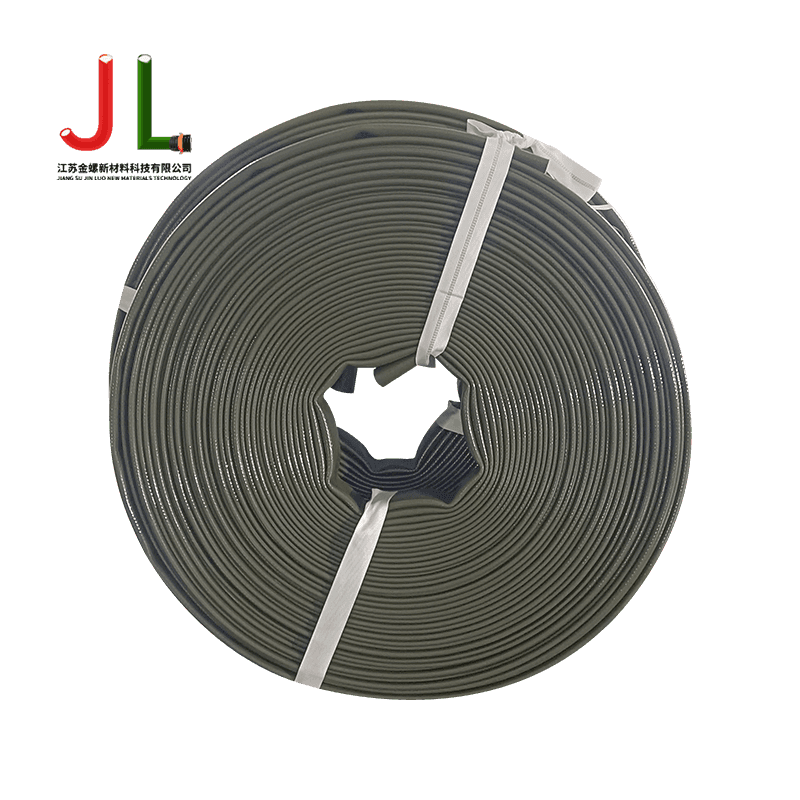
Jinluo Hose TPU Fracking Layflat Hose – Flexible Polyurethane Fracturing Water Supply Hose for Oilfield Applications
-
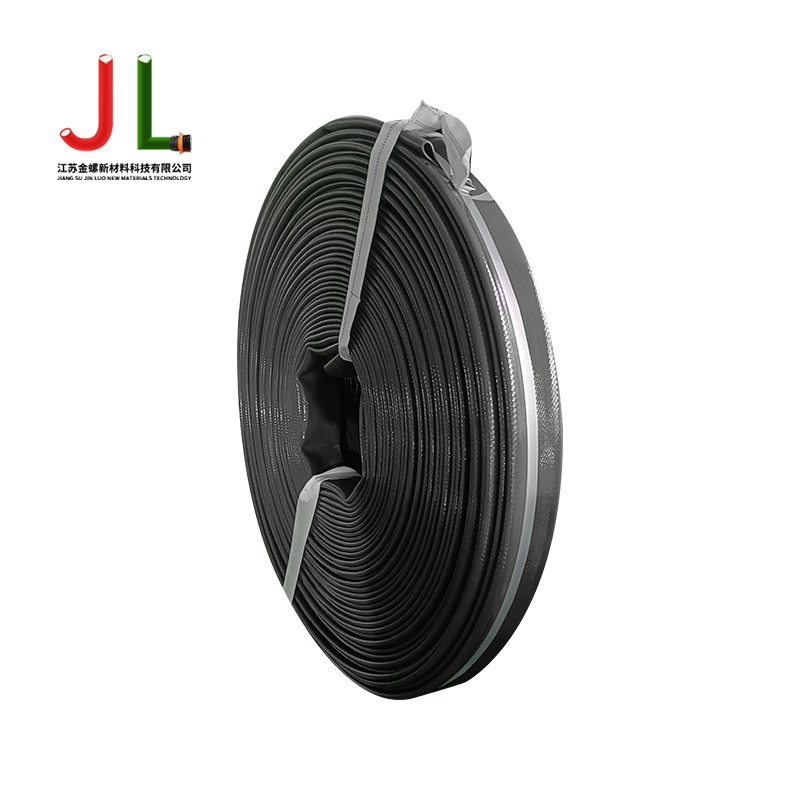
Jinluo Hose Polyurethane Fracturing Water Supply Hose
-
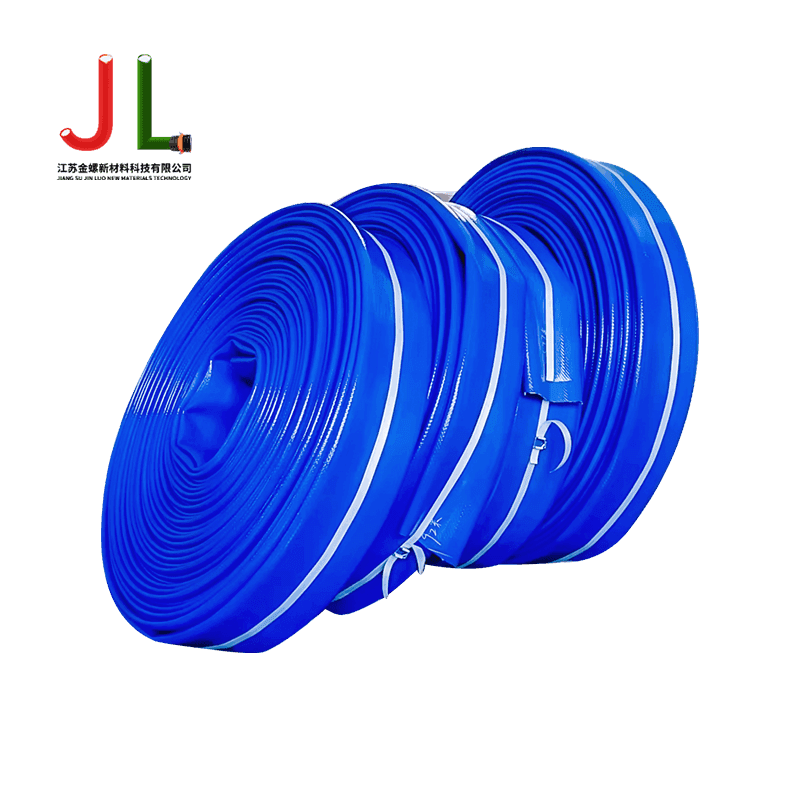
Jinluo Hose Polyurethane Slurry Hose – Reinforced Underground Mining Hose for Efficient Water and Slurry Discharge
-
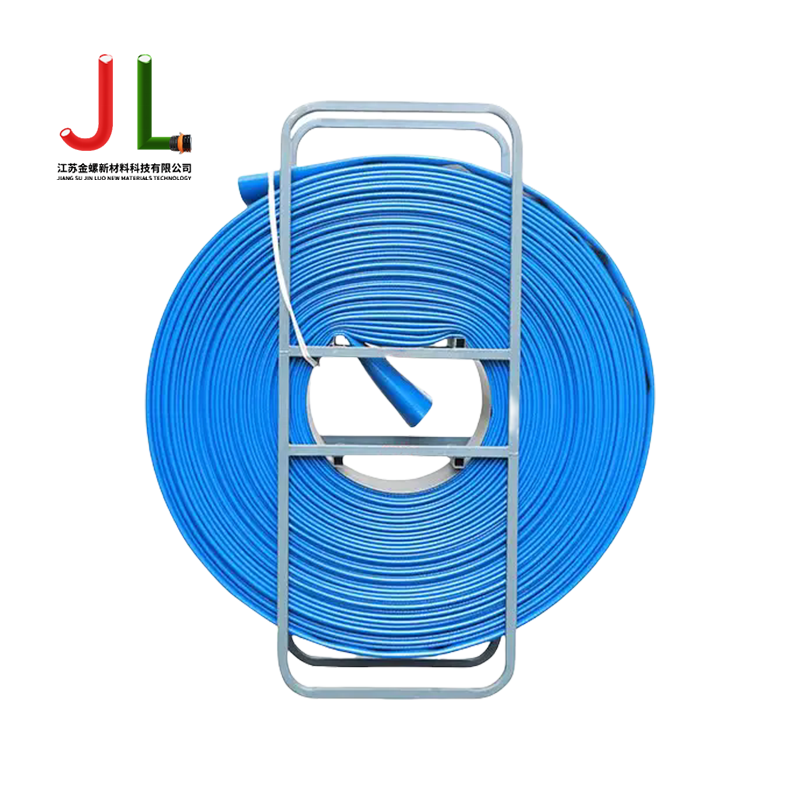
Jinluo Hose TPU frac water hose
-
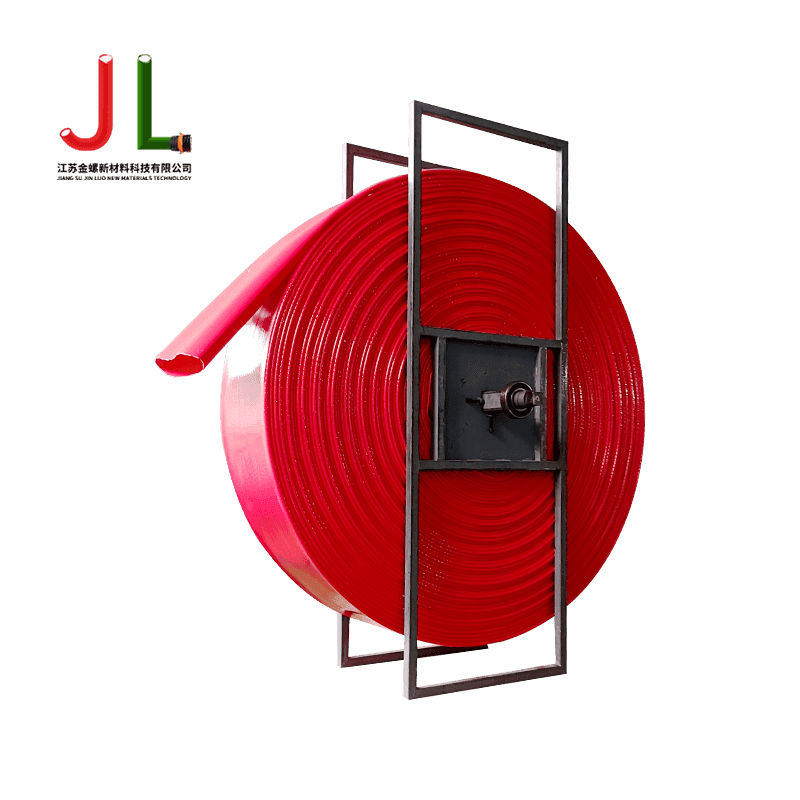
TPU Concrete Pouring Hose (Concrete Pumping Hose / Concrete Delivery Hose)
-
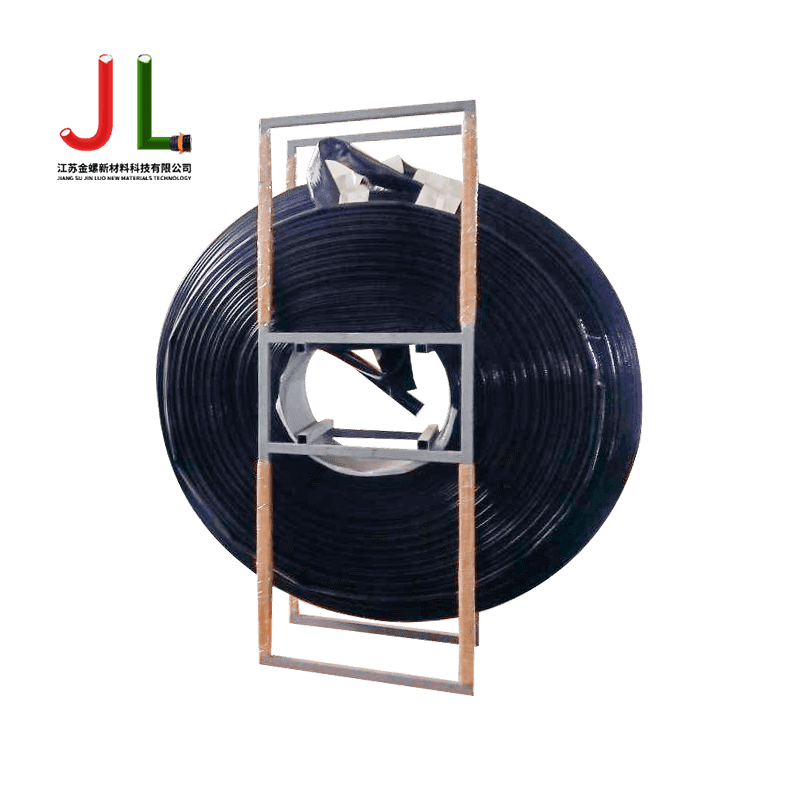
Jinluo Dual-Sided Polyurethane Trenchless Pipe Liner – Advanced Polyurethane Lining Hose for Trenchless Pipe Repair
-
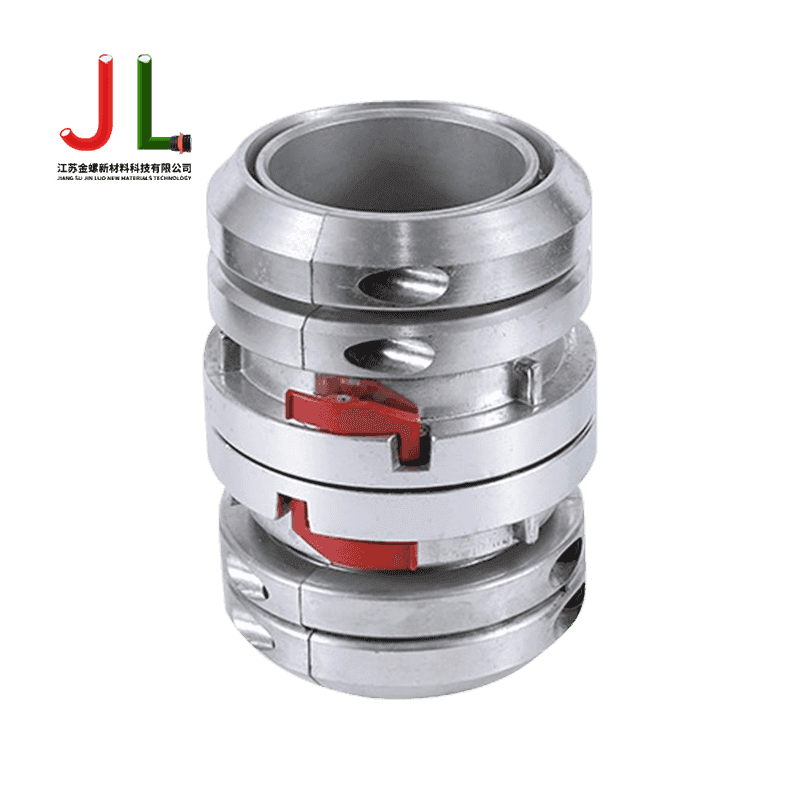
316 Stainless Steel Multi-Lug Quick Connect Couplings – Robust Stainless Steel Couplings for Quick Connections
-
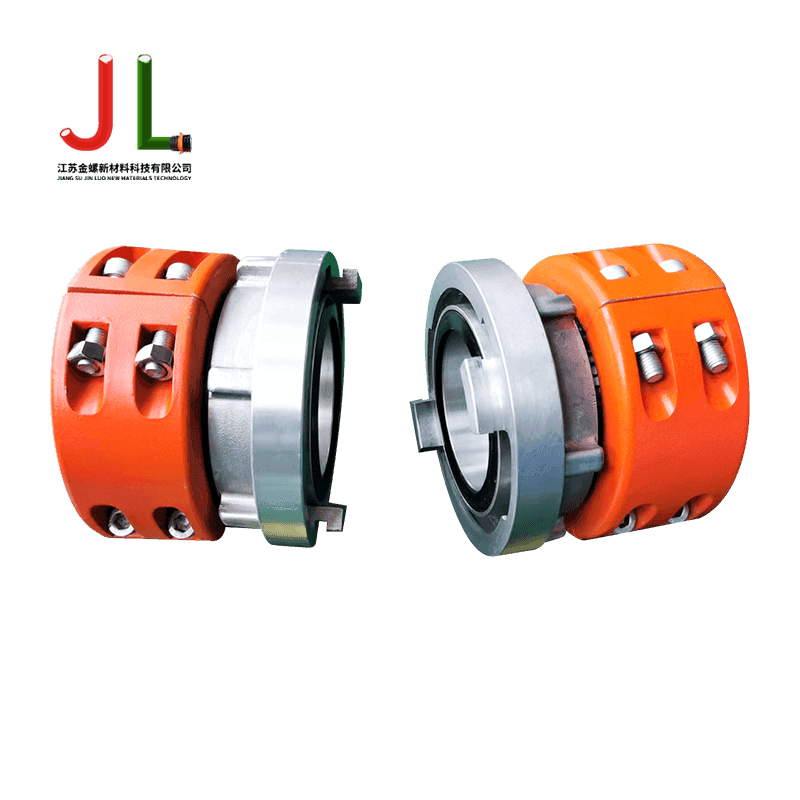
LDHC S Large Diameter Hose Coupling (Storz Type) – High-Performance Storz Type Coupling for Large Diameter Hose Connections
-
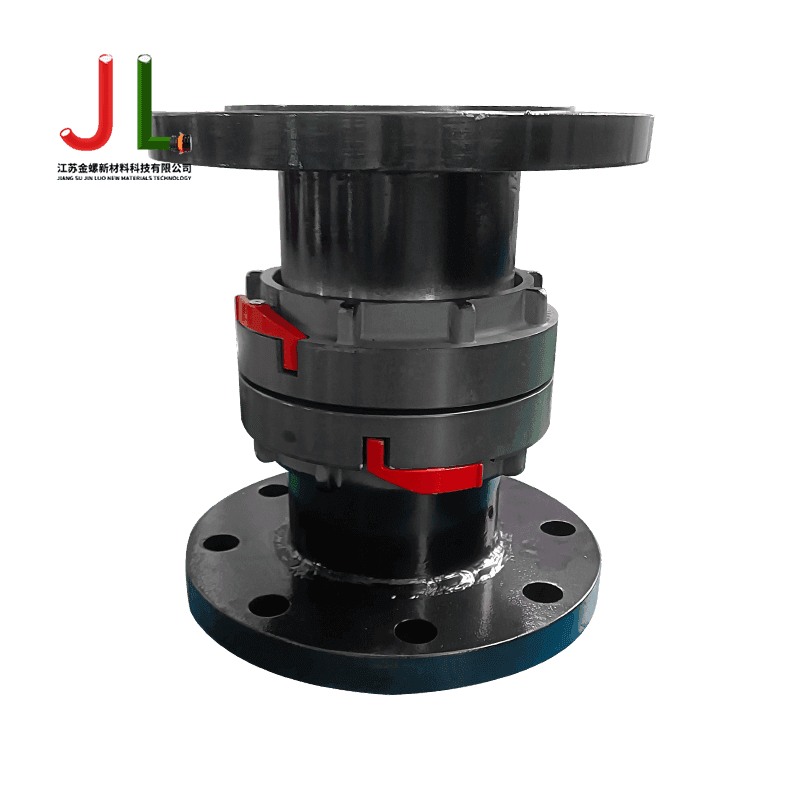
LDHC Large Diameter Hose Flange Coupling | High Pressure Sealing Carbon Steel / Stainless Steel Flange Connector for Petrochemical
Looking For Bussiness Opportunity?
Request for a call today

- Tel: +86-13801432164
- E-mail: [email protected]
- Address: No. 2 Workshop, East Zone, Photovoltaic Technology Industrial Park, No. 109 Yaojia Road, Jiulong Town, Hailing District, Taizhou City, Jiangsu Province, China
Quick Link
Products
Coprright 2025
Jiangsu Jinluo New Material Technology Co., Ltd.
Privacy
