


 English
 عربى
عربى
What Is a Layflat Hose and Do You Need One?
Whether you are managing a large-scale irrigation project, coordinating emergency flood response, or sourcing fluid transfer solutions for oil and gas operations, selecting the right hose is a critical engineering decision. Layflat hose has become the preferred solution across dozens of industries — valued for its high-pressure tolerance, compact storage, rapid deployment, and long operational lifespan. This comprehensive guide covers everything procurement managers, engineers, and wholesale buyers need to know before specifying or purchasing a layflat hose.
Content
- 1 1. Understanding Layflat Hoses
- 2 2. Choosing the Right Layflat Hose
- 3 3. Installation, Fittings & Maintenance
- 4 4. Industry Applications
- 5 5. About Jiangsu Jinluo — Your Layflat Hose Manufacturer
- 6 6. FAQ
- 6.1 Q1: What is the difference between a layflat hose vs garden hose for heavy-duty use?
- 6.2 Q2: What PSI rating do I need for my application?
- 6.3 Q3: How do I select a layflat hose for a water transfer pump system?
- 6.4 Q4: What are the best repair fittings for a damaged layflat hose in the field?
- 6.5 Q5: What is the correct specification for a 4 inch discharge hose in a dewatering application?
- 7 7. Conclusion
- 8 References
1. Understanding Layflat Hoses
What Makes a Layflat Hose Different from a Garden Hose
At first glance, the distinction between a layflat hose and a conventional garden hose may seem superficial, but the engineering differences are profound and directly impact performance, safety, and total cost of ownership in industrial environments.
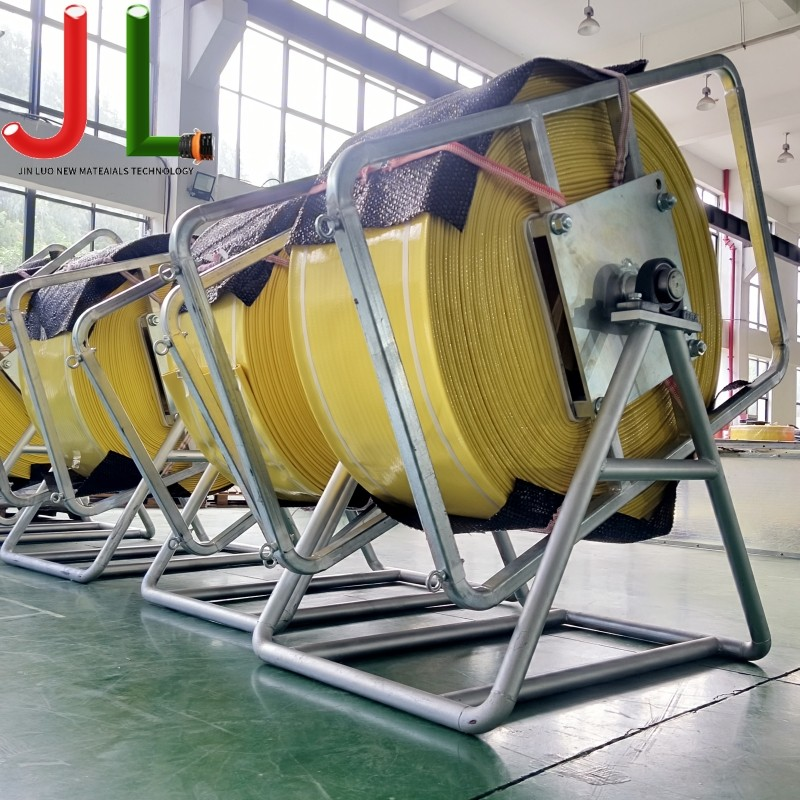
A layflat hose is specifically engineered to lie completely flat when not pressurized, allowing it to be rolled onto flat reels, stored in compact spaces, and deployed rapidly over long distances. This flat-collapse characteristic is achieved through a woven textile reinforcement jacket — typically polyester or nylon — bonded to an inner tube made from materials such as PVC, TPU (thermoplastic polyurethane), or NBR rubber. When internal pressure is applied, the hose expands to a round cross-section capable of carrying high flow volumes.
A garden hose, by contrast, maintains a round profile at all times due to its rigid wall construction. While adequate for domestic water delivery at low pressure (typically under 60 PSI), it is structurally unsuitable for high-volume fluid transfer, abrasive media, or extended outdoor deployment under UV exposure and mechanical stress.
The table below summarizes the key engineering differences between a layflat hose vs garden hose:
| Parameter | Layflat Hose | Garden Hose |
|---|---|---|
| Working Pressure | Up to 725 PSI (50 bar) depending on material | Typically 40–80 PSI |
| Wall Construction | Woven jacket + bonded inner &outer tube | Single or dual extruded wall |
| Storage Profile | Flat collapse — minimal volume | Round — bulky when coiled |
| Deployment Length | Up to 300m+ per roll | Typically under 50m |
| Media Compatibility | Water, chemicals, oil, slurry (material-dependent) | Potable water only |
| Temperature Range | -20°C to +80°C (material-dependent) | 5°C to 40°C |
| Diameter Range | 1" to 16" | 1/2" to 1" |
| Primary Applications | Industrial, agricultural, oil & gas, emergency | Domestic gardening |
For any B2B application where flow rates exceed 200 liters per minute, operating pressures exceed 80 PSI, or deployment distances exceed 30 meters, a layflat hose is the technically correct choice. Using a garden hose in these conditions is not only inefficient — it is a safety hazard.
How Layflat Hose Pressure Rating (PSI) Works — What You Must Know Before Buying
Understanding layflat hose pressure rating psi is essential for safe and efficient system design. Pressure ratings in layflat hoses involve three critical values that buyers and engineers must distinguish clearly.
- Working Pressure (WP): The maximum continuous operating pressure the hose is designed to sustain without degradation. This is the figure most commonly quoted in product specifications.
- Burst Pressure (BP): The pressure at which catastrophic hose failure occurs. Industry standards typically require burst pressure to be a minimum of 3:1 or 4:1 ratio relative to working pressure (safety factor).
- Test Pressure: The pressure applied during quality control inspection, usually 1.5× to 2× the working pressure, to verify structural integrity before shipment.
The layflat hose pressure rating psi is largely determined by the following engineering variables:
- Jacket material and weave density: Higher denier polyester with tighter weave patterns increase burst resistance.
- Inner tube compound: TPU-lined hoses outperform PVC in both pressure tolerance and chemical resistance.
Critical procurement note: Always request the certified test pressure documentation and safety factor ratio from your supplier. Hoses operating near maximum working pressure without a verified safety margin represent a significant liability in field operations.
2. Choosing the Right Layflat Hose
4 Inch Discharge Hose: When Size Really Matters
The layflat hose 4 inch discharge hose specification represents one of the most widely used diameters in industrial fluid transfer, striking a practical balance between flow capacity, weight, portability, and system compatibility.
Flow capacity for a 4 inch discharge hose can reach 1,500 to 2,500 liters per minute at standard pump operating pressures, making it well-suited for dewatering operations, bypass pumping, agricultural irrigation mains, and temporary fire suppression supply lines.
Key sizing considerations for engineers and procurement teams:
- Flow velocity: Maintain fluid velocity between 1.5 and 3.0 m/s to minimize friction losses and prevent sediment settlement in slurry applications. At 2 m/s, a 4" hose delivers approximately 1,520 L/min.
- Friction loss: For a 100-meter run of 4" layflat hose carrying water at 2 m/s, expect approximately 0.8–1.2 bar pressure drop. This must be factored into pump selection.
- Weight per meter: A standard PVC 4" layflat hose weighs approximately 0.9–1.2 kg/m. A 100m roll weighs 90–120 kg — plan for mechanical handling.
- Coupling compatibility: 4" BSP, Camlock (Type C/E), or Storz couplings are the standard options. Confirm end-fitting standards with your pump manufacturer before ordering.
Layflat Hose for Water Transfer Pump: Matching Hose to Pump Specs
Selecting a layflat hose for water transfer pump applications requires careful alignment between pump performance curves and hose hydraulic characteristics. A mismatch between pump output and hose specification is a leading cause of premature hose failure, cavitation, and system inefficiency.
The following parameters must be cross-referenced when specifying a layflat hose for water transfer pump systems:
- Maximum discharge pressure: The hose working pressure must exceed the pump's maximum discharge pressure by a minimum safety factor of 1.5×. For pumps rated at 6 bar, specify hoses with at least 9 bar (130 PSI) working pressure.
- Flow rate (Q): Match hose inner diameter to the pump's rated flow output. Undersized hoses increase velocity, amplify friction losses, and accelerate inner tube wear.
- Inlet vs. discharge application: Layflat hoses are designed for positive pressure (discharge) only. They are not structurally suitable for suction-side (negative pressure) applications due to their collapse design. Use reinforced suction hoses or rigid pipe on the inlet side.
- Surge pressure management: Centrifugal pump start-up generates pressure surges of up to 2× steady-state pressure. Specify hoses rated to handle surge conditions, particularly in systems with fast-acting valves.
Pump-to-hose specification matrix:
| Pump Type | Typical Discharge Pressure | Recommended Hose WP | Recommended Diameter |
|---|---|---|---|
| Centrifugal (agricultural) | 2–6 bar (29–87 PSI) | ≥ 10 bar (145 PSI) | 3"–6" |
| Diesel dewatering pump | 4–8 bar (58–116 PSI) | ≥ 12 bar (175 PSI) | 4"–6" |
| High-pressure transfer pump | 10–20 bar (145–290 PSI) | ≥ 25 bar (363 PSI) | 2"–4" |
| Fracturing / oilfield pump | 20–30 bar (290–435 PSI) | ≥ 35 bar (508 PSI) | 2"–4" |
Key Materials — PVC vs. Polyurethane Layflat Hose
Material selection is the single most consequential specification decision when sourcing a layflat hose. The two dominant materials — PVC (polyvinyl chloride) and TPU/polyurethane — offer fundamentally different performance profiles suited to different operational environments.
While PVC hoses remain the cost-effective standard for water irrigation and general-purpose transfer, polyurethane hoses deliver superior performance in demanding applications involving abrasion, extreme temperatures, chemical exposure, and high-pressure fracturing operations.
| Property | PVC Layflat Hose | Polyurethane (TPU) Layflat Hose |
|---|---|---|
| Working Pressure | Up to 20 bar | Up to 50+ bar |
| Abrasion Resistance | Moderate | Excellent (5× PVC) |
| Temperature Range | -5°C to +60°C | -40°C to +80°C |
| Chemical Resistance | Good (water, mild acids) | Excellent (hydrocarbons, solvents) |
| UV Resistance | Moderate (requires UV stabilizer) | Good to Excellent |
| Weight | Standard | 10–15% lighter than equivalent PVC |
| Cost | Lower | Higher (20–40% premium) |
| Best Applications | Irrigation, general water transfer | Oil & gas, mining, fracturing, industrial |
3. Installation, Fittings & Maintenance
Layflat Hose Repair Fittings and Couplings: A Practical Guide
Proper selection and installation of layflat hose repair fittings and couplings is as critical as the hose specification itself. Coupling failure is the leading cause of leaks, pressure loss, and unplanned downtime in layflat hose systems. Engineers and field technicians must understand the mechanical principles behind each coupling type to make informed decisions.
The most common coupling systems used with layflat hose repair fittings and couplings include:
- Camlock (Cam & Groove) Couplings: The most widely used quick-connect system for industrial layflat hose. Available in aluminum, stainless steel, and polypropylene. Rated to 150–250 PSI depending on material. Type C (male) and Type E (female) are standard for hose-to-pump connections. Installation requires no tools — cam arms lock the coupling with a quarter-turn.
- Storz Couplings: Symmetrical, sexless couplings widely used in firefighting and municipal water supply. Connect in a single 22.5° rotation. Rated to 16 bar. Available in 2" to 6" sizes. Preferred for emergency response deployments where rapid connection under pressure is required.
- BSP / NPT Threaded Fittings: Standard threaded connections for permanent or semi-permanent installations. BSP (British Standard Pipe) predominates in European and Asian markets; NPT (National Pipe Thread) is standard in North America. Require thread sealant (PTFE tape or anaerobic compound) and are not suited to frequent connect/disconnect cycles.
- Bauer Couplings: Half-shell coupling system rated to 10 bar. Widely used in mining dewatering and agricultural irrigation systems. Faster to connect than threaded fittings but slower than Camlock.
- Internal Expansion Repair Fittings: Used for field repair of damaged hose sections. A barbed or ridged internal mandrel is inserted into the hose bore and secured with external clamps or a crimped ferrule. Critical specification: the internal fitting OD must match the hose ID within ±0.5mm to ensure a leak-free seal under pressure.
Coupling material selection guide:
| Coupling Material | Max Pressure | Corrosion Resistance | Best For |
|---|---|---|---|
| Aluminum | 250 PSI | Moderate | General water transfer, agriculture |
| 316 Stainless Steel | 300+ PSI | Excellent | Chemical transfer, marine, food-grade |
| Polypropylene | 150 PSI | Excellent | Chemical handling, lightweight applications |
| Ductile Iron | 300 PSI | Good (coated) | Heavy industrial, mining |
How to Extend Hose Life and Avoid Common Failures
A properly maintained layflat hose can deliver 5–10 years of service life in field conditions. The following engineering-backed maintenance practices are essential for maximizing return on investment:
- Avoid point loading: Never drive vehicles over a pressurized layflat hose. At operating pressure, a vehicle crossing a 4" hose creates localized stress concentrations that exceed the jacket tensile strength. Use hose ramps rated for the expected load.
- Control UV exposure: Prolonged direct UV exposure degrades PVC plasticizers and weakens jacket fibers. Store hoses in opaque bags or covered reels when not in use. PVC hoses should not be left deployed in direct sunlight for more than 90 days continuously.
- Flush after chemical use: After transferring fertilizers, herbicides, or industrial chemicals, flush the hose with clean water at operating pressure for a minimum of 5 minutes. Residual chemicals accelerate inner tube degradation.
- Inspect couplings before each deployment: Check for cracked cam arms, worn seals, and corrosion. A coupling failure at 10 bar releases approximately 1 liter per second per millimeter of gap width — a significant safety hazard.
- Store rolled, not folded: Repeated folding at the same point creates fatigue cracking in both the inner tube and the woven jacket. Always roll onto flat reels with a minimum bend radius of 4× the hose OD.
- Pressure test after repair: Any hose that has been repaired using internal expansion fittings must be hydrostatically tested to 1.5× working pressure before returning to service. Hold for a minimum of 5 minutes and inspect for weeping at the repair zone.
4. Industry Applications
Oil & Gas, Agriculture, Mining, and Emergency Response
Layflat hose is one of the most versatile fluid conveyance technologies available to industry, with proven application records across multiple high-demand sectors. The common thread across all applications is the need to move large volumes of fluid rapidly, safely, and over extended distances using equipment that can be deployed without heavy infrastructure investment.
- Oil & Gas Exploration and Temporary Transfer: In oilfield environments, layflat hose for water transfer pump systems supports fracturing water supply, produced water management, and temporary crude oil transfer between storage points. Polyurethane hoses rated to 30+ bar are standard in this sector. The ability to deploy 500 meters of hose from a single truck-mounted reel dramatically reduces mobilization time compared to rigid pipe systems.
- Agricultural Irrigation and Fertilization: The layflat hose 4 inch discharge hose configuration is the backbone of center-pivot irrigation supply lines, furrow irrigation systems, and fertigation networks. UV-stabilized PVC hoses with aluminum Camlock fittings represent the standard specification for large-scale row crop operations. A single 4" hose at 80 PSI can irrigate 10–15 hectares per day at typical application rates.
- Mining and Mineral Exploration: Dewatering during open-cut and underground mining operations requires hoses capable of handling abrasive slurry containing solids concentrations up to 30% by weight. Polyurethane-lined layflat hoses with abrasion-resistant jackets are specified for slurry service. Typical diameters range from 3" to 8".
- Emergency Response and Flood Control: Fire departments and civil defense organizations worldwide rely on layflat hose for remote water supply to firefighting operations and emergency flood pumping. Storz-coupled double-jacket hoses rated to 16 bar are the international standard for fire service applications (EN 14540 / NFPA 1961).
- Industrial Fluid Transfer: Chemical plants, construction sites, and municipal infrastructure projects use layflat hoses for bypass pumping during pipeline maintenance, temporary process fluid transfer, and construction dewatering.
5. About Jiangsu Jinluo — Your Layflat Hose Manufacturer
Factory Capabilities: 2" to 16", Custom Lengths & Specs
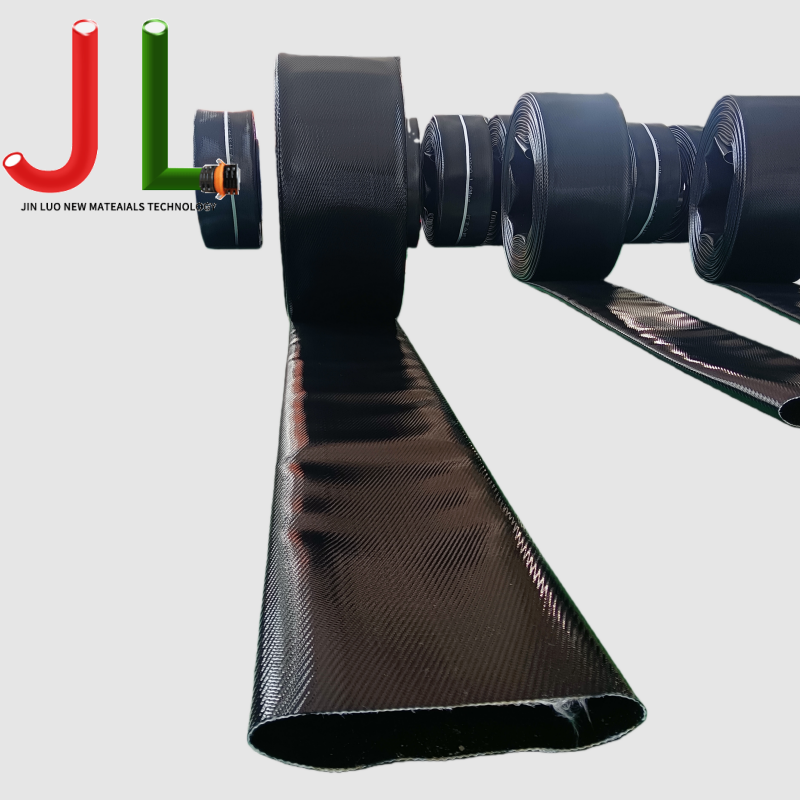
Jiangsu Jinluo New Material Technology Co., Ltd. is a specialized manufacturer dedicated to the production and sales of high-performance fluid transfer hoses, with particular expertise in polyurethane layflat hose technology. The company's manufacturing facility is located in Jiangsu, China — one of the country's primary industrial manufacturing hubs — and operates under rigorous quality management systems aligned with international standards.
Jinluo's production capabilities cover a full diameter range from 2 inches to 16 inches, with customizable lengths to meet the specific logistical and operational requirements of each project. Custom calibers and configurations are available on demand, enabling OEM and private-label production for international distributors and wholesale buyers.
Product Range Overview
The Jinluo product portfolio is engineered to address the full spectrum of industrial and agricultural fluid transfer requirements:
- Polyurethane Layflat Fracturing Hoses: High-pressure hoses rated to 30+ bar, designed for oilfield fracturing water supply and produced water management applications.
- Oil and Gas Hoses: Certified for hydrocarbon service, with inner tubes formulated for compatibility with crude oil, refined products, and oilfield chemicals.
- Fire Truck Remote Water Supply Hoses: Double-jacket construction with Storz or Camlock coupling options, meeting international fire service standards for remote water supply operations.
- Industrial Hoses: General-purpose and specialty hoses for process fluid transfer, dewatering, bypass pumping, and construction applications.
- Forestry Hoses: Lightweight, abrasion-resistant hoses designed for wildfire suppression and forest management operations in rugged terrain.
- Irrigation and Agricultural Drag Hoses: UV-stabilized PVC and polyurethane hoses optimized for center-pivot irrigation, drag hose application systems, and fertigation networks.
- Drinking Water Delivery Hoses: Food-grade inner tube compounds compliant with applicable potable water contact standards for safe drinking water conveyance.
- Trenchless Pipeline Rehabilitation Hoses: Temperature and chemical resistant hoses engineered , pipe bursting, and directional drilling support applications.
Why Global Buyers Choose Jinluo
- Complete diameter range in-house: 2" through 16" manufactured under one roof ensures consistent quality standards across all product sizes.
- Material flexibility: PVC, TPU, polyurethane, and specialty compound options available to match any fluid, pressure, or temperature requirement.
- Custom engineering capability: Non-standard diameters, custom lengths, private-label packaging, and OEM coupling configurations are available with short lead times.
- Global logistics experience: Products are supplied to oil and gas, agricultural, municipal, and industrial customers across multiple continents.
6. FAQ
Q1: What is the difference between a layflat hose vs garden hose for heavy-duty use?
A layflat hose vs garden hose comparison for heavy-duty applications consistently favors the layflat design in every critical performance metric. Garden hoses are manufactured for domestic water delivery at pressures below 80 PSI and flow rates under 50 liters per minute. They use single-wall extruded PVC or rubber construction with no reinforcing jacket. Layflat hoses, by contrast, feature a woven reinforcement jacket fused to a high-performance inner tube, enabling working pressures up to 30+ bar and flow rates exceeding 2,500 liters per minute in larger diameters. For any industrial, agricultural, mining, or emergency response application, a garden hose is categorically unsuitable — and using one in such conditions constitutes a safety risk to personnel and equipment.
Q2: What PSI rating do I need for my application?
Determining the correct layflat hose pressure rating psi for your application requires evaluating three parameters: maximum pump discharge pressure, expected surge pressure (typically 1.5–2× steady-state pressure), and the required safety factor (minimum 3:1 burst-to-working ratio per industry standards). For agricultural irrigation with centrifugal pumps, a 10–12 bar (145–175 PSI) working pressure rating is typically sufficient. For industrial dewatering with diesel pump sets, 12–16 bar (175–232 PSI) is appropriate. For oilfield fracturing or high-pressure industrial transfer, specify 25–35 bar (363–508 PSI) or higher. Always request certified pressure test documentation from your supplier.
Q3: How do I select a layflat hose for a water transfer pump system?
Selecting a layflat hose for water transfer pump integration requires matching four key parameters: (1) hose working pressure must exceed pump maximum discharge pressure by a minimum 1.5× safety margin; (2) hose inner diameter must be sized to maintain fluid velocity between 1.5 and 3.0 m/s to optimize flow efficiency and minimize friction losses; (3) coupling type and size must be compatible with the pump's discharge outlet — confirm BSP, NPT, Camlock, or Storz standard before ordering; (4) the hose must be specified for discharge (positive pressure) service only, as layflat hoses are not designed for suction-side (negative pressure) use.
Q4: What are the best repair fittings for a damaged layflat hose in the field?
For emergency field repair of a damaged layflat hose, internal expansion repair fittings are the fastest and most effective solution. These consist of a barbed aluminum or stainless steel mandrel inserted into both cut ends of the damaged section, secured with heavy-duty hose clamps or pre-fitted ferrules. The fitting OD must match the hose ID within ±0.5mm for a pressure-tight seal. After repair, the hose must be hydrostatically tested to 1.5× working pressure before returning to service. For permanent repairs in workshop conditions, hydraulic crimping of ferrule-type layflat hose repair fittings and couplings provides a more reliable long-term solution. Camlock or Storz end fittings should also be inspected and replaced if cam arms show cracking or seals show compression set.
Q5: What is the correct specification for a 4 inch discharge hose in a dewatering application?
For a standard dewatering application using a layflat hose 4 inch discharge hose configuration, the recommended specification includes: double-jacket polyester woven construction with a PVC or TPU inner tube; working pressure minimum 12 bar (175 PSI) with a 3:1 burst safety factor; Camlock Type C/E or Storz fittings in aluminum or ductile iron; hose ID tolerance ±1mm over full length; and UV-stabilized jacket compound for outdoor deployment. For abrasive dewatering involving sandy or gritty water, specify a TPU inner tube with abrasion resistance rating of at least 100mm³ maximum volume loss per DIN 53516. Roll length is typically 20–100 meters depending on site logistics — longer rolls reduce coupling points and potential leak sites.
7. Conclusion
Layflat hose technology represents one of the most cost-effective and operationally flexible fluid transfer solutions available across industrial, agricultural, and emergency response sectors. Selecting the right hose requires a disciplined engineering approach: match working pressure and safety factors to your pump system, specify the correct inner tube material for your fluid and temperature range, choose coupling systems appropriate for your connection frequency and operating environment, and implement a structured maintenance program to maximize service life.
Whether you are sourcing a layflat hose 4 inch discharge hose for agricultural irrigation, a high-pressure polyurethane hose for oilfield fracturing, or layflat hose repair fittings and couplings for a large pipeline project, the technical specifications outlined in this guide provide a rigorous foundation for your procurement decisions.
Jiangsu Jinluo New Material Technology Co., Ltd. offers a complete product range from 2" to 16" in PVC, polyurethane, and specialty compound constructions, with custom engineering available to meet the most demanding project specifications. Contact the Jinluo technical team to discuss your specific fluid transfer requirements.
References
- American National Standards Institute (ANSI) / American Society of Safety Professionals. ANSI/ASSP A10.6: Safety Requirements for Demolition Operations. ANSI, 2021.
- British Standards Institution. BS EN 14540:2004+A1:2012 — Hoses for Fire-Fighting: Pressure Hoses for Fixed Systems. BSI, 2012.
- National Fire Protection Association. NFPA 1961: Standard on Fire Hose. NFPA, 2022.
- International Organization for Standardization. ISO 10380: Pipework — Corrugated Metal Hoses and Hose Assemblies. ISO, 2012.
- Mott, R. L. & Untener, J. A. Applied Fluid Mechanics. 7th ed. Pearson Education, 2015. (Chapter 11: Series Pipeline Systems and Friction Losses)
- Hydraulic Institute. Pump Standards: Centrifugal Pump Discharge Piping and Hose Selection Guidelines. Hydraulic Institute, 2020.
- DIN Deutsches Institut für Normung. DIN 53516: Testing of Rubber and Elastomers — Determination of Abrasion Resistance. DIN, 2019.
- Water Environment Federation. Design of Municipal Wastewater Treatment Plants. 5th ed. WEF Press / McGraw-Hill, 2010. (Chapter 18: Temporary Pumping and Bypass Systems)
Related Products
-

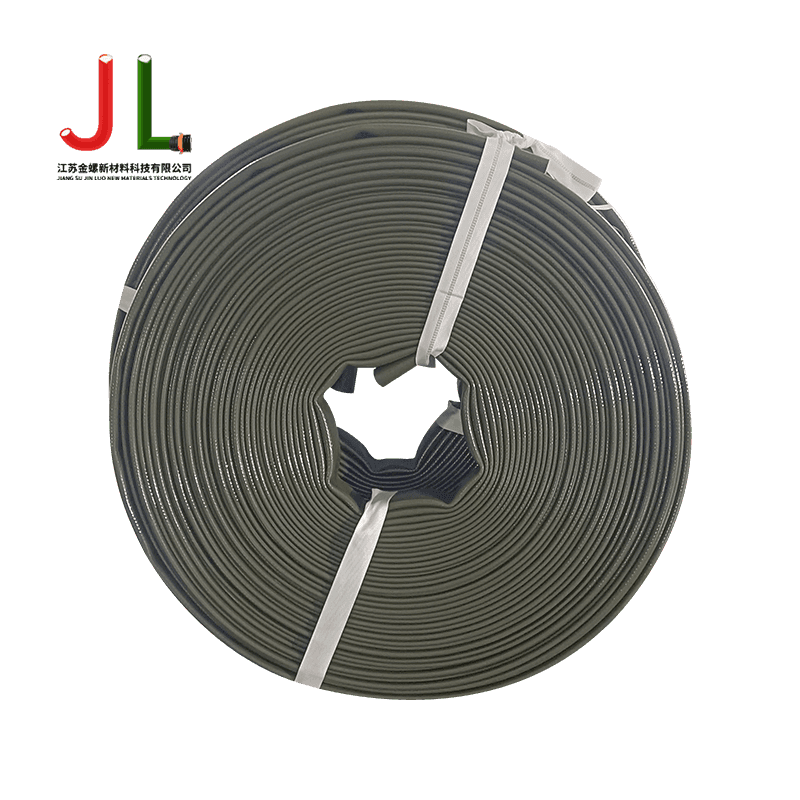
Jinluo Hose TPU Fracking Layflat Hose – Flexible Polyurethane Fracturing Water Supply Hose for Oilfield Applications
-
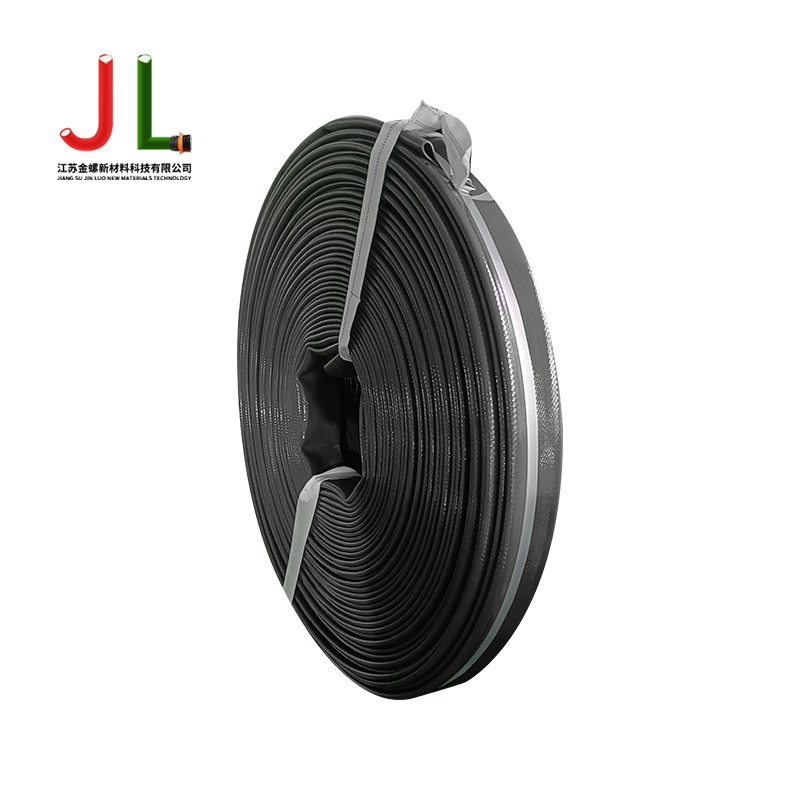
Jinluo Hose Polyurethane Fracturing Water Supply Hose
-
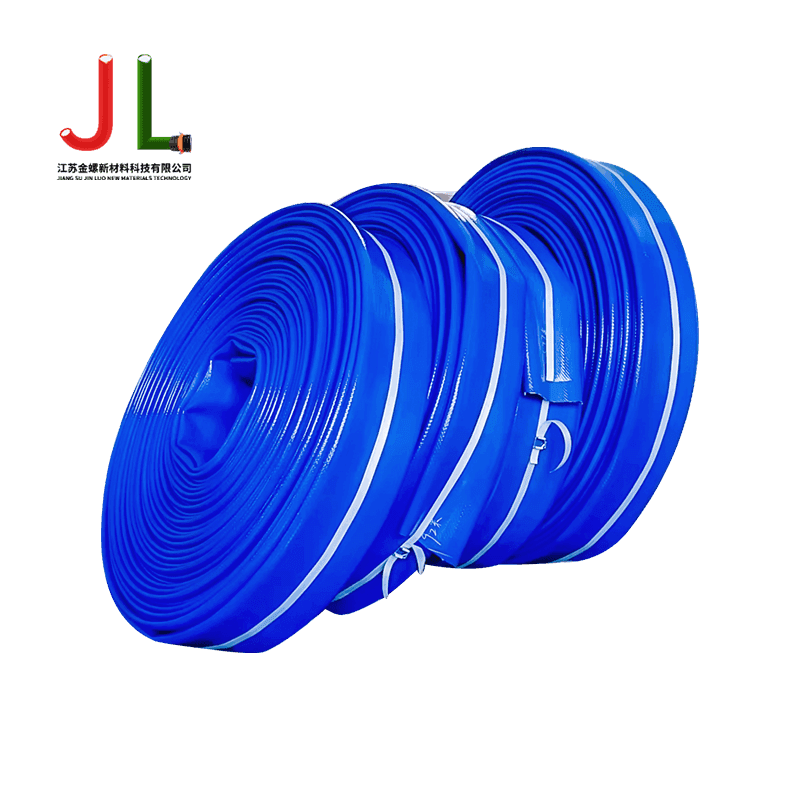
Jinluo Hose Polyurethane Slurry Hose – Reinforced Underground Mining Hose for Efficient Water and Slurry Discharge
-
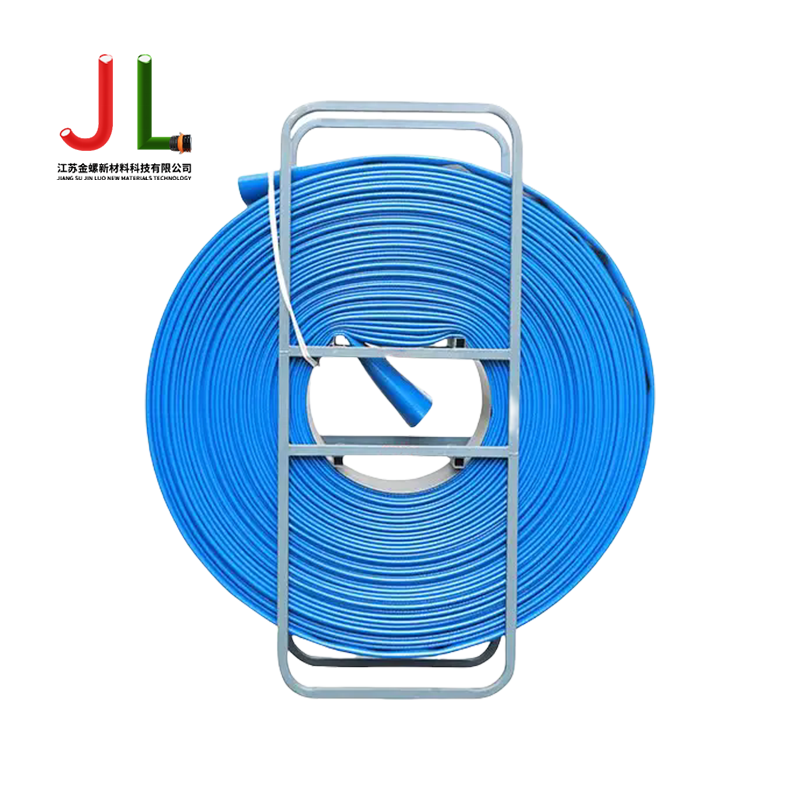
Jinluo Hose TPU frac water hose
-
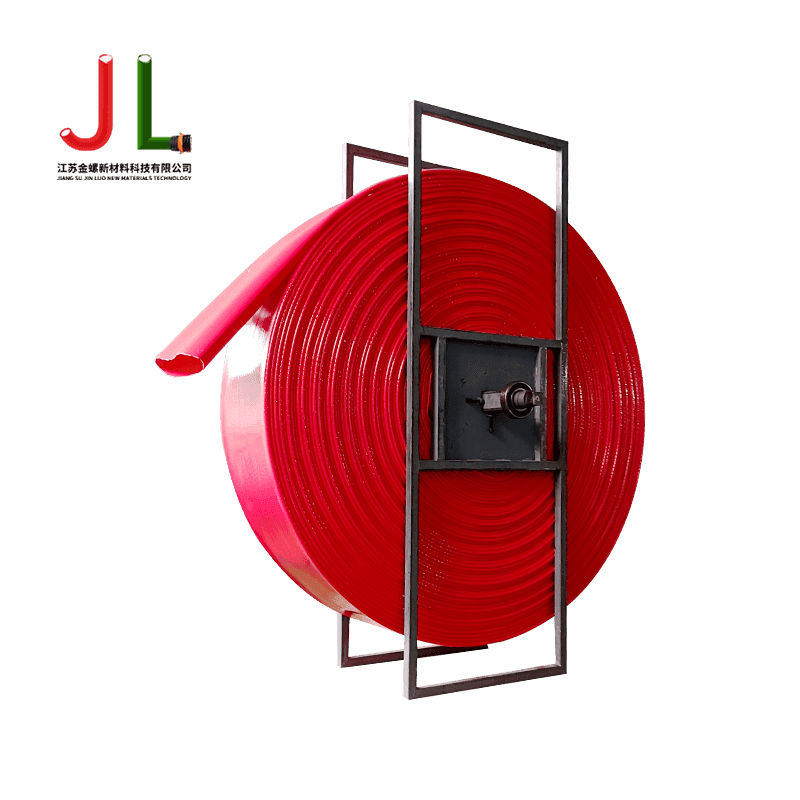
TPU Concrete Pouring Hose (Concrete Pumping Hose / Concrete Delivery Hose)
-
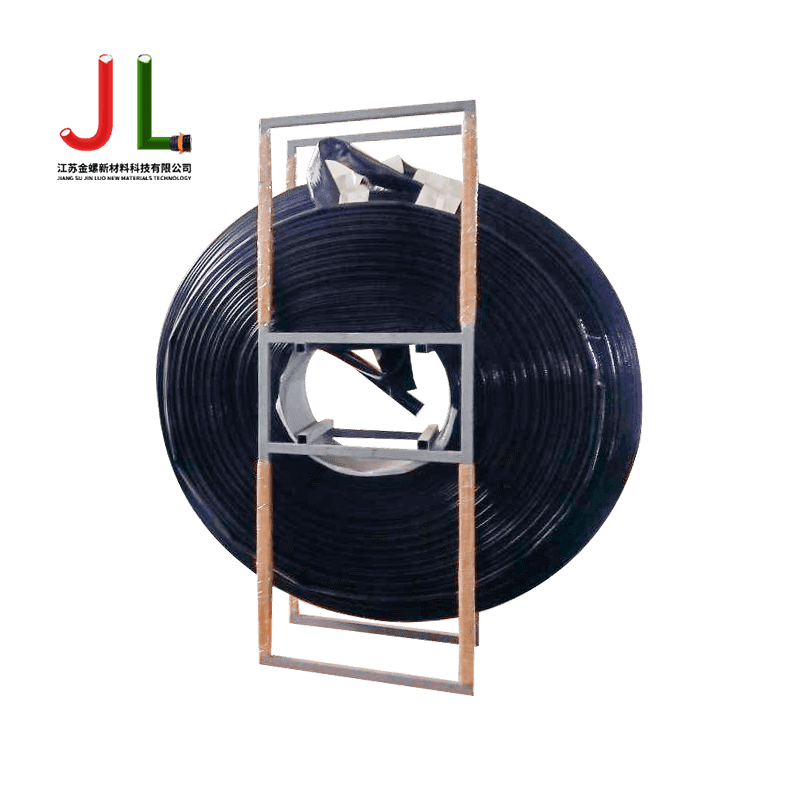
Jinluo Dual-Sided Polyurethane Trenchless Pipe Liner – Advanced Polyurethane Lining Hose for Trenchless Pipe Repair
-
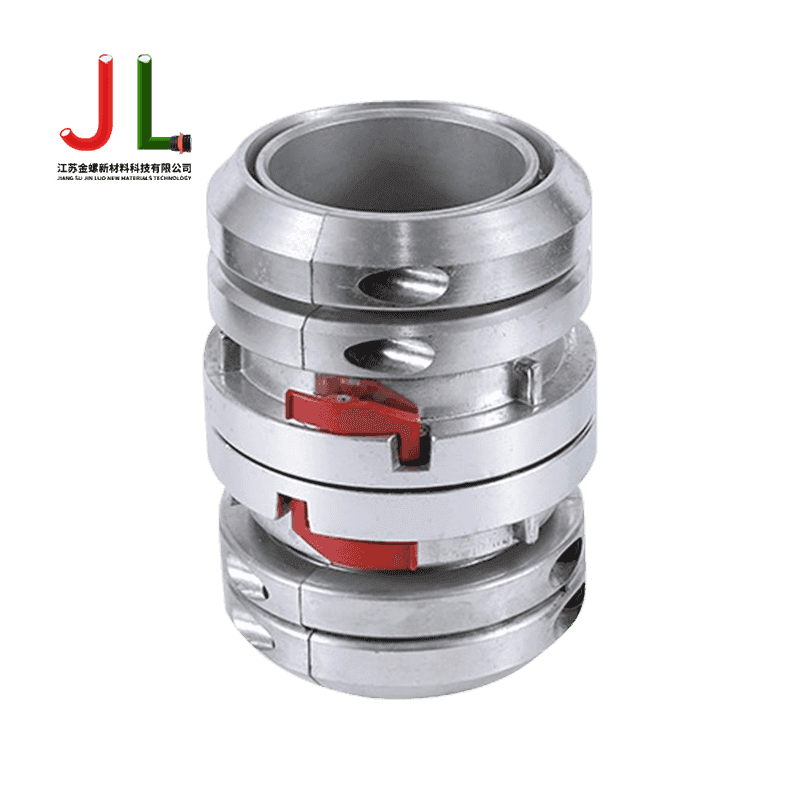
316 Stainless Steel Multi-Lug Quick Connect Couplings – Robust Stainless Steel Couplings for Quick Connections
-
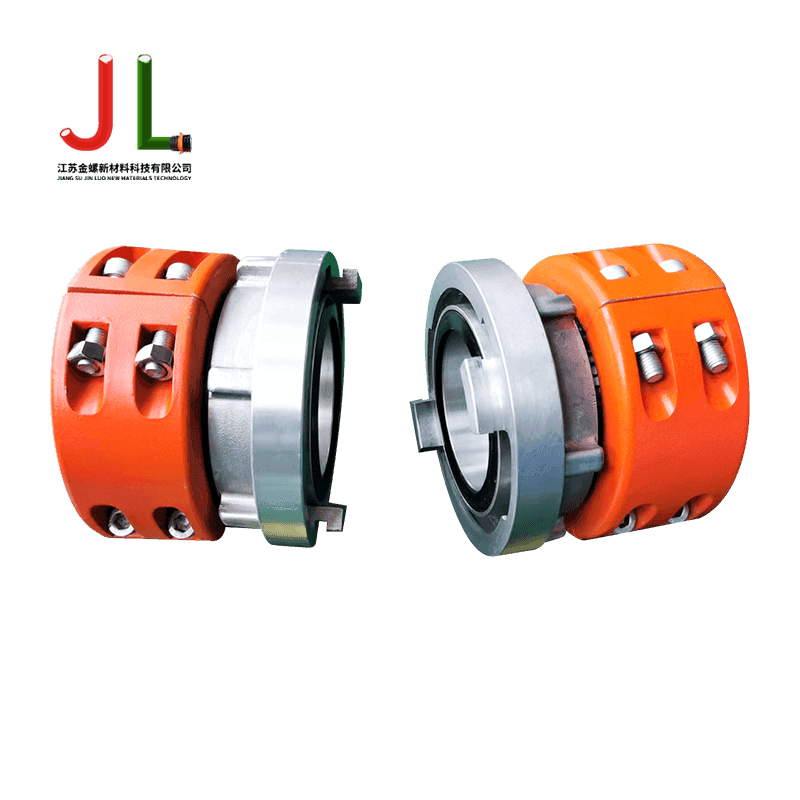
LDHC S Large Diameter Hose Coupling (Storz Type) – High-Performance Storz Type Coupling for Large Diameter Hose Connections
-
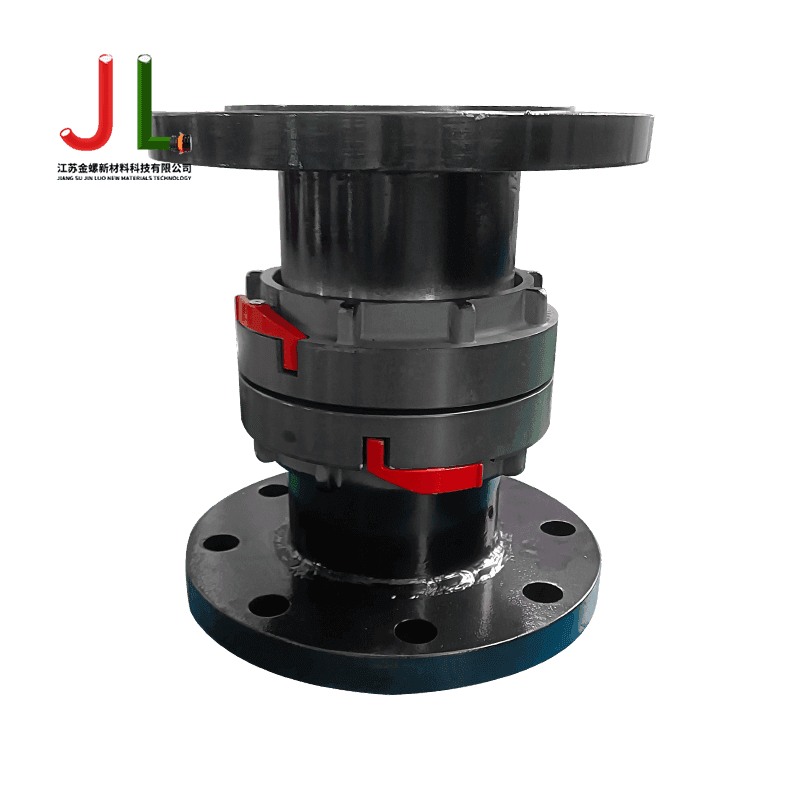
LDHC Large Diameter Hose Flange Coupling | High Pressure Sealing Carbon Steel / Stainless Steel Flange Connector for Petrochemical
Looking For Bussiness Opportunity?
Request for a call today

- Tel: +86-13801432164
- E-mail: [email protected]
- Address: No. 2 Workshop, East Zone, Photovoltaic Technology Industrial Park, No. 109 Yaojia Road, Jiulong Town, Hailing District, Taizhou City, Jiangsu Province, China
