


 English
 عربى
عربى
Mining Dewatering Hose: Types, Specs & Selection Guide
Content
- 1 What Is a Mining Dewatering Hose and Why Does It Matter
- 2 Core Construction: Layers, Materials, and Reinforcement
- 3 Common Hose Types Used in Mining Dewatering
- 4 Key Specification Parameters to Confirm Before Ordering
- 5 Installation Practices That Extend Hose Service Life
- 6 Regulatory and Compliance Considerations
What Is a Mining Dewatering Hose and Why Does It Matter
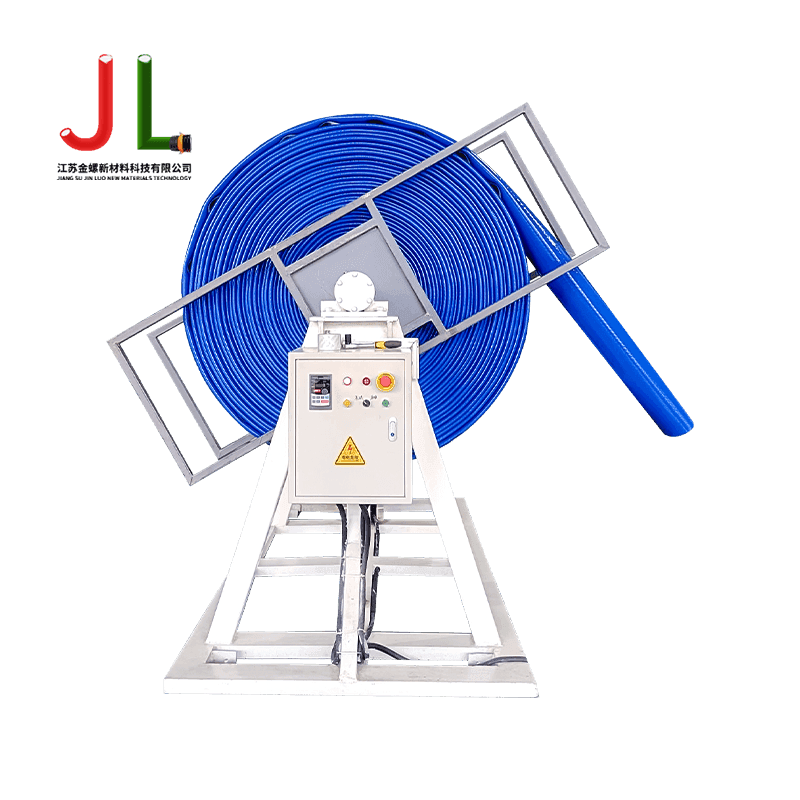
Mining dewatering hoses are high-pressure flexible conduits engineered to transfer water, slurry, and effluent away from active mining zones. Unlike standard industrial hoses, these products must withstand continuous submersion, abrasive particulate loads, and the mechanical stresses of rugged underground or open-pit environments. Failure in a dewatering line can flood an active working face within minutes, making hose specification a safety-critical decision rather than a simple procurement task.
Dewatering is required at every stage of a mine's life cycle — from initial shaft sinking through active production to tailings management. The volumes involved are substantial: large metalliferous mines may pump more than 50,000 litres per minute during peak inflow events, placing enormous demand on hose systems in terms of flow velocity, internal pressure, and service continuity.
Core Construction: Layers, Materials, and Reinforcement
A mining dewatering hose is a composite structure. Understanding its construction helps buyers match the right product to specific site conditions.
Tube (Inner Liner)
The inner tube contacts the pumped medium directly. Thermoplastic polyurethane (TPU) is the most common choice for clean or mildly acidic groundwater due to its excellent hydrolytic stability. For highly abrasive slurry service, polyurethane liners offer superior wear resistance, extending service life by up to 3–5× compared to standard rubber in high-solids applications.
Reinforcement Layer
One layer of high-tensile synthetic yarn (nylon, polyester,Aramid) provide the pressure-bearing structure.high-tensile synthetic yarn constructions support working pressures from 10 bar up to 50+ bar, necessary for deep vertical lifts or long horizontal discharge runs. Yarn jacket suits moderate-pressure applications and offers greater flexibility for confined underground routing.
Cover (Outer Sheath)
The outer cover protects reinforcement from abrasion against rock faces, UV degradation in surface operations, and ozone attack. Thermoplastic polyurethane (TPU) covers are standard. Some manufacturers apply a corrugated or wrapped finish to increase cover thickness at wear points without adding significant weight.
Common Hose Types Used in Mining Dewatering
| Hose Type | Typical WP Range | Best Application |
|---|---|---|
| Layflat Discharge Hose | 6–20 bar | Surface discharge, tailings ponds |
| Slurry / Dredge Hose | 6–16 bar | Abrasive solids-laden dewatering |
Layflat hoses dominate surface operations because they collapse when empty, significantly reducing storage footprint and enabling rapid deployment across large pit floors.
Key Specification Parameters to Confirm Before Ordering
- Bore diameter: Ranges from 50 mm (2 in) for localised sump drainage to 300 mm (12 in) or larger for high-volume main dewatering circuits. Undersizing bore increases velocity-driven wear and friction losses.
- Working pressure (WP) and safety factor: Industry standard requires a minimum 4:1 burst-to-working-pressure ratio. Confirm actual system pressure including water hammer surges, which can be 1.5–2× steady-state pressure in abrupt pump starts.
- Temperature range: Most dewatering hoses operate between −20 °C and +70 °C, adequate for the majority of mine water temperatures. Geothermal mines or deep hot-rock operations may require higher temperature ratings.
- Chemical compatibility: Acid mine drainage (AMD) with low pH requires an inner liner rated for dilute sulphuric acid contact. Confirm pH range of the pumped medium and cross-reference with the manufacturer's chemical resistance chart.
- Coupling type and material: Camlock, BSP threaded, flanged, or victaulic couplings are common. In corrosive AMD service, stainless steel (316L) or plastic-coated couplings prevent fitting failure independent of the hose body.
- Bend radius: Underground routing around pillars and through raises demands a minimum bend radius compatible with the hose construction.
Installation Practices That Extend Hose Service Life
Premature hose failure in mining is most frequently caused by installation error rather than product deficiency. The following practices materially reduce replacement frequency and unplanned downtime:
- Avoid torsional stress at installation. Hoses should never be twisted when couplings are tightened. Even a 5° twist along the hose axis significantly reduces fatigue life under pressure cycling.
- Support long horizontal runs. Unsupported spans cause hose sag, which induces localised bending stress at coupling interfaces — the most common origin point for leak failure.
- Protect against abrasion at fixed contacts. Where hoses cross rock ledges or steel structure, fit rubber sleeves or spring guards. A single unprotected rock edge can wear through a hose cover in days under vibration.
- Flush before commissioning. New hoses should be flushed at low pressure to clear any residual manufacturing debris before connection to pumps, preventing impeller damage.
- Conduct scheduled visual inspection. In underground operations inspect hose runs during every shift change. Cover blistering, coupling seepage, or permanent kinking are early indicators requiring immediate attention before catastrophic failure.
Regulatory and Compliance Considerations
Several jurisdictions impose mandatory standards on hoses used in underground mining. In Australia, AS 2660 governs mining hoses for general fluid service, while specific states enforce additional requirements under their respective mining regulations. The EU's ATEX directive applies where hoses are used in zones with flammable gas or dust risk — relevant in coal and some metalliferous mines — requiring anti-static construction to prevent electrostatic discharge ignition.
Fire resistance is increasingly mandated in underground hard rock operations following high-profile incidents. ISO 6945 and equivalent national standards define flame propagation and self-extinguishing criteria that mine-spec hoses must meet. Buyers should request test certificates confirming compliance, not simply accept manufacturer claims of "mine-spec" labelling, which carries no standardised legal definition in most jurisdictions.
Related Products
-

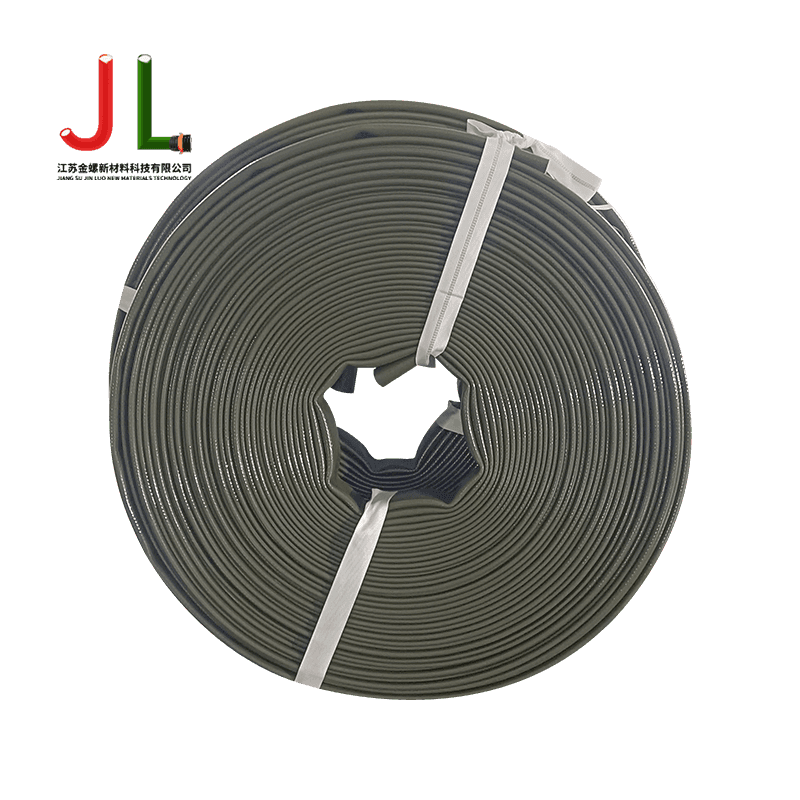
Jinluo Hose TPU Fracking Layflat Hose – Flexible Polyurethane Fracturing Water Supply Hose for Oilfield Applications
-
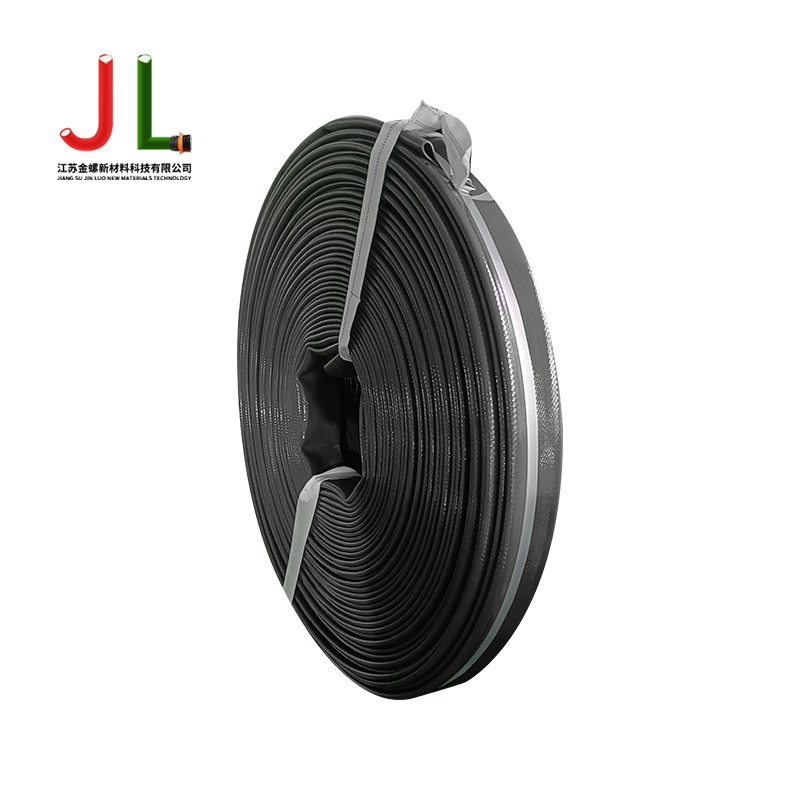
Jinluo Hose Polyurethane Fracturing Water Supply Hose
-
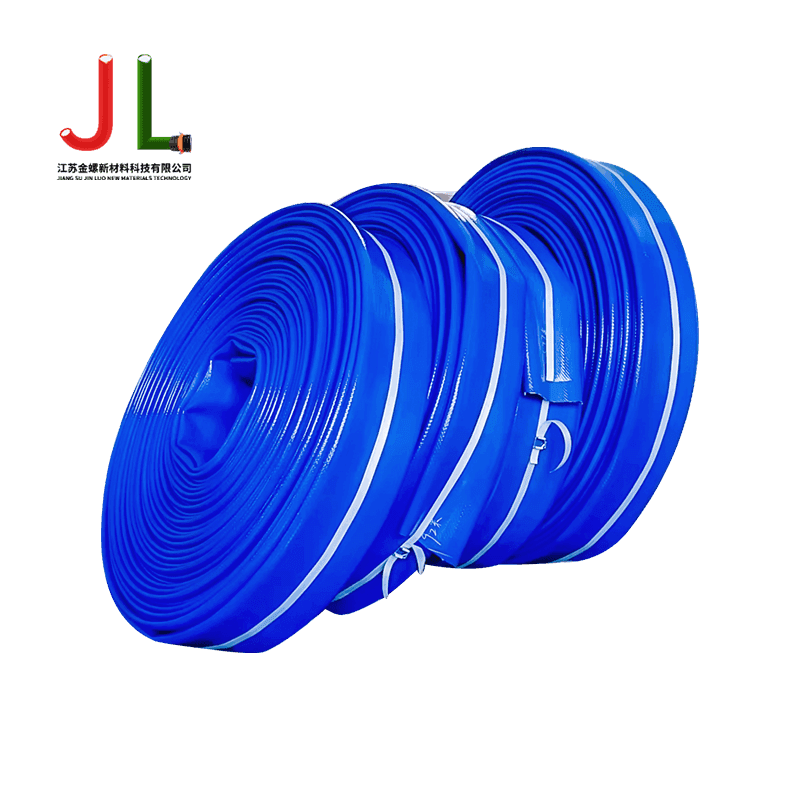
Jinluo Hose Polyurethane Slurry Hose – Reinforced Underground Mining Hose for Efficient Water and Slurry Discharge
-
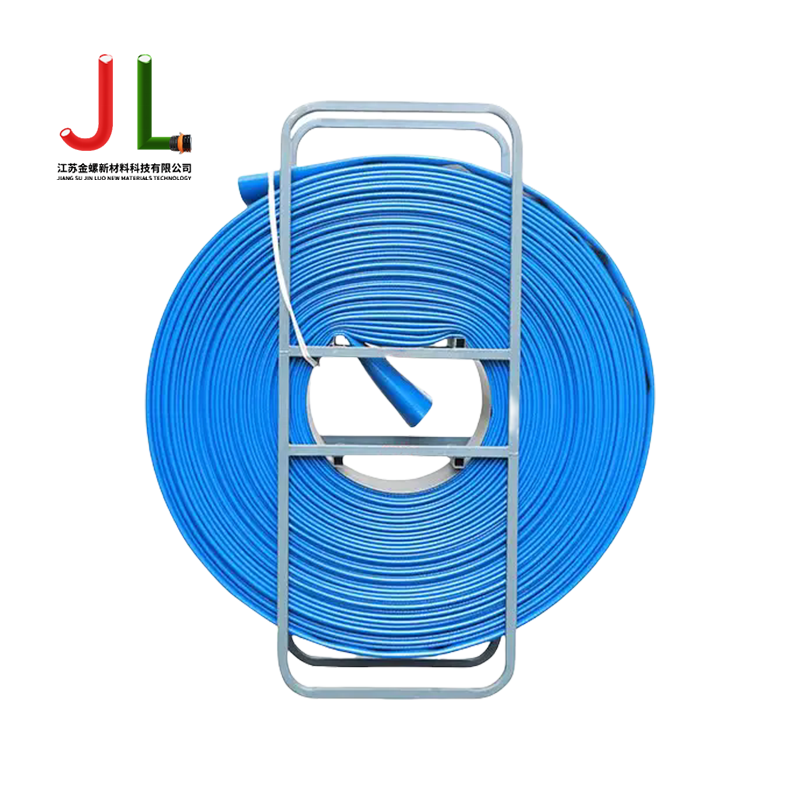
Jinluo Hose TPU frac water hose
-
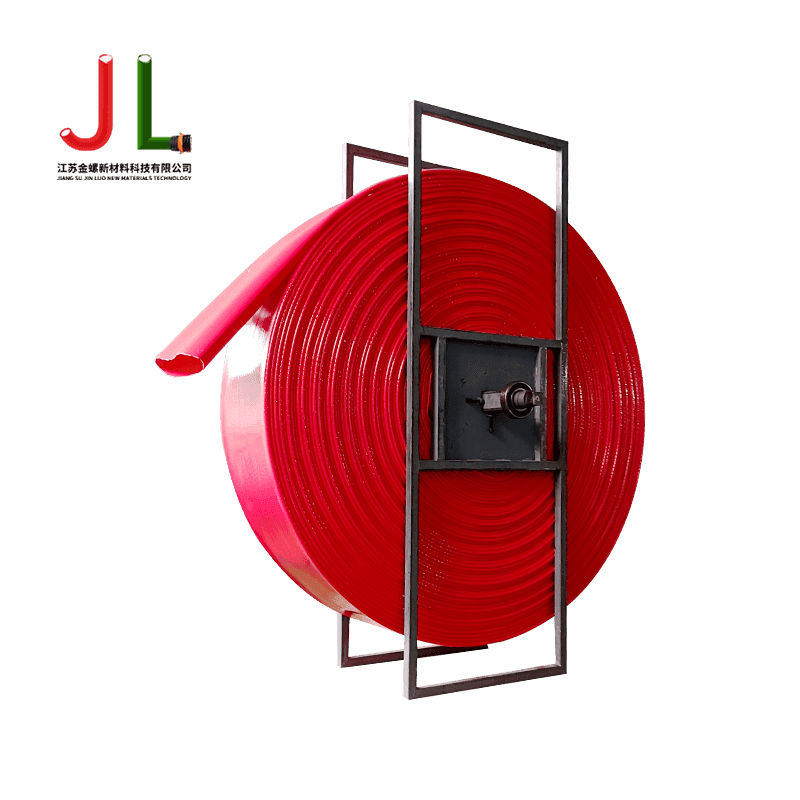
TPU Concrete Pouring Hose (Concrete Pumping Hose / Concrete Delivery Hose)
-
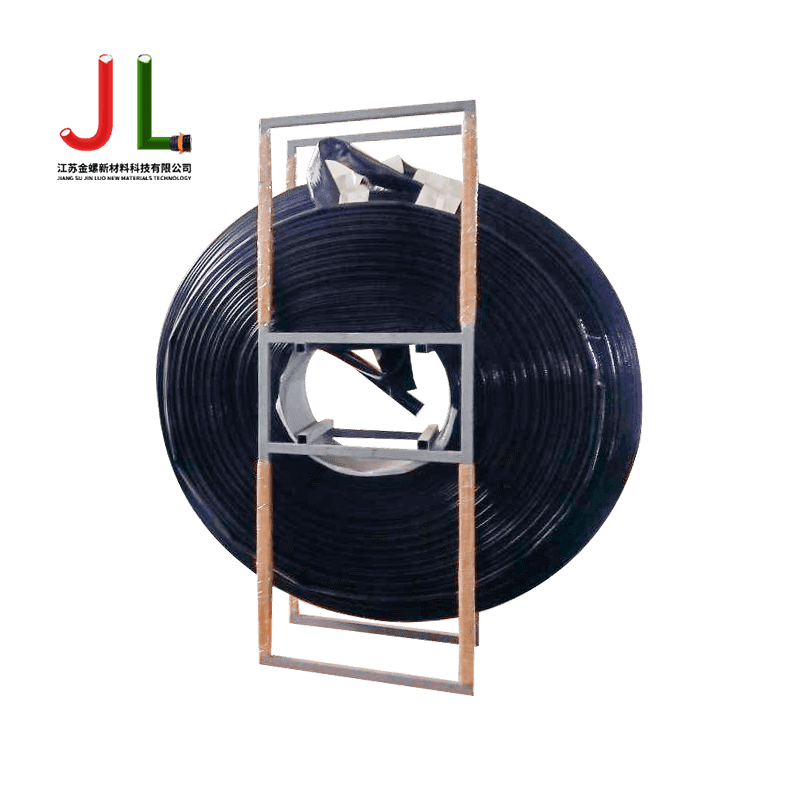
Jinluo Dual-Sided Polyurethane Trenchless Pipe Liner – Advanced Polyurethane Lining Hose for Trenchless Pipe Repair
-
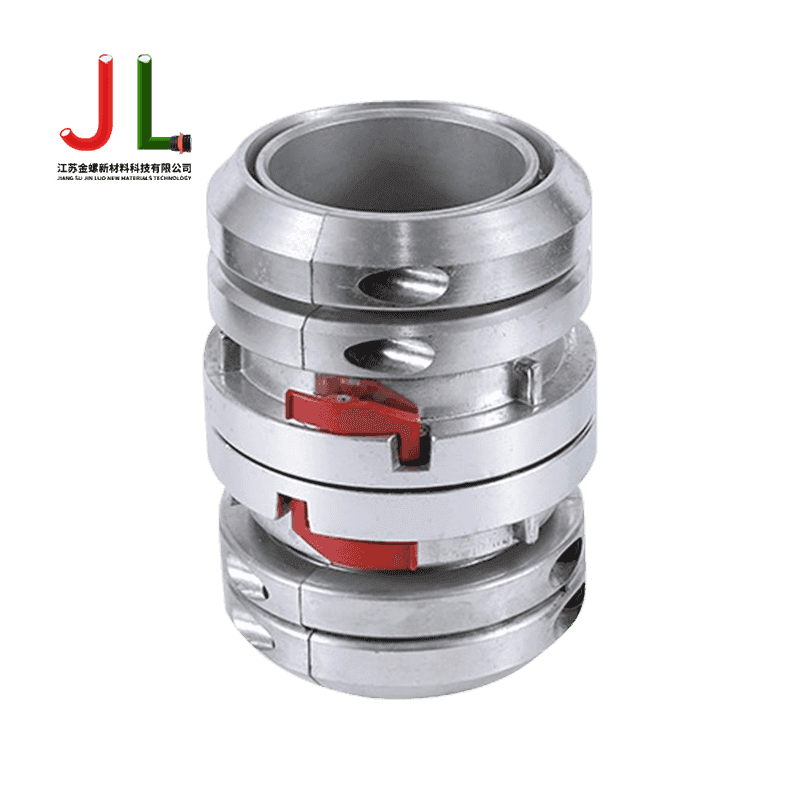
316 Stainless Steel Multi-Lug Quick Connect Couplings – Robust Stainless Steel Couplings for Quick Connections
-
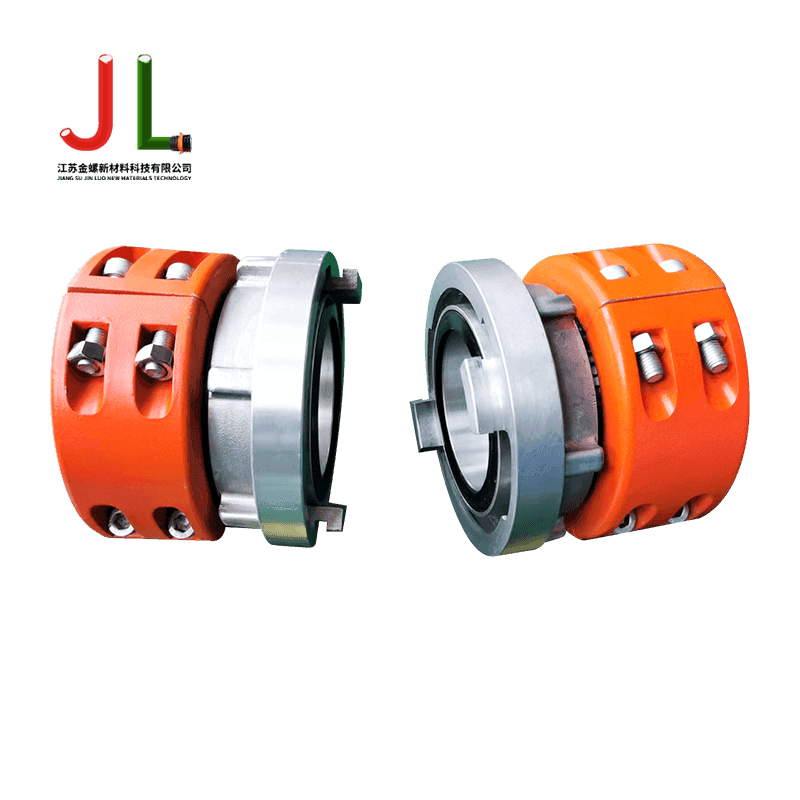
LDHC S Large Diameter Hose Coupling (Storz Type) – High-Performance Storz Type Coupling for Large Diameter Hose Connections
-
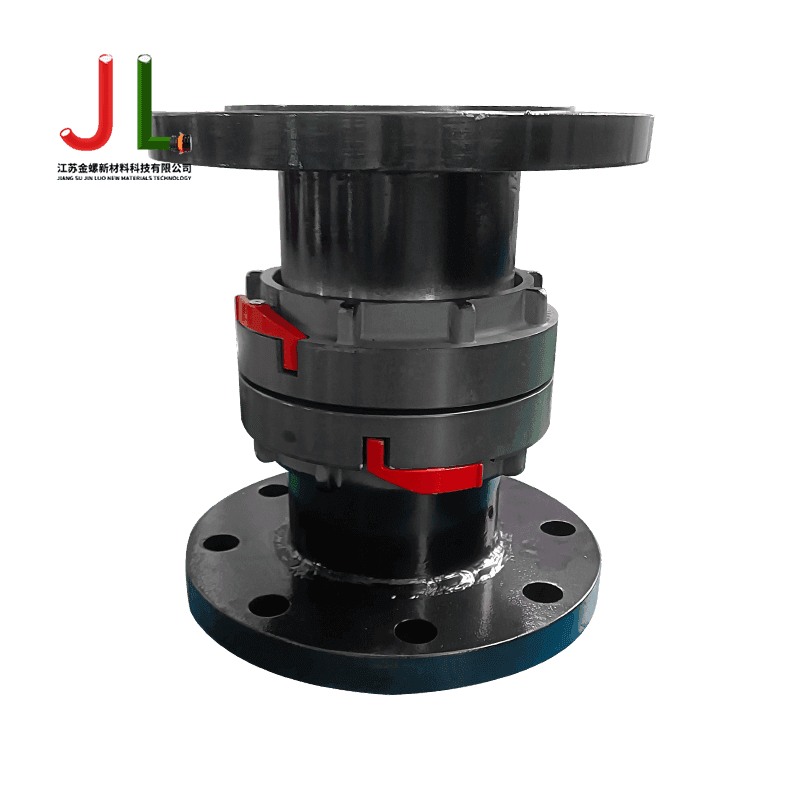
LDHC Large Diameter Hose Flange Coupling | High Pressure Sealing Carbon Steel / Stainless Steel Flange Connector for Petrochemical
Looking For Bussiness Opportunity?
Request for a call today

- Tel: +86-13801432164
- E-mail: [email protected]
- Address: No. 2 Workshop, East Zone, Photovoltaic Technology Industrial Park, No. 109 Yaojia Road, Jiulong Town, Hailing District, Taizhou City, Jiangsu Province, China
Quick Link
Products
Coprright 2025
Jiangsu Jinluo New Material Technology Co., Ltd.
Privacy
