


 English
 عربى
عربى
Why Choose Industrial Layflat Hose for Your Projects?
Selecting the right fluid conveyance solution is a critical engineering decision that impacts operational efficiency, safety, and total cost of ownership. In sectors ranging from mining to municipal infrastructure, the Industrial Layflat Hose has emerged as a superior alternative to traditional rigid piping systems. This guide provides a technical deep dive into the specifications, applications, and selection criteria for industrial layflat hoses, tailored for procurement officers and engineering professionals.
Content
- 1 What is an Industrial Layflat Hose?
- 2 Top Applications of Industrial Layflat Hose
- 3 Key Features of Heavy Duty Layflat Discharge Hose
- 4 Understanding PVC Industrial Layflat Hose Specifications
- 5 About Jiangsu Jinluo New Material Technology Co., Ltd.
- 6 Conclusion
- 7 Frequently Asked Questions (FAQ)
- 7.1 1. What is the main difference between PVC and Polyurethane layflat hoses?
- 7.2 2. How should I store an Industrial Layflat Hose to maximize its lifespan?
- 7.3 3. Can an Industrial Layflat Hose handle negative pressure or suction?
- 7.4 4. What factors determine the burst pressure of a heavy-duty layflat discharge hose?
- 7.5 5. Are customized lengths available for specific project requirements?
- 8 References
What is an Industrial Layflat Hose?
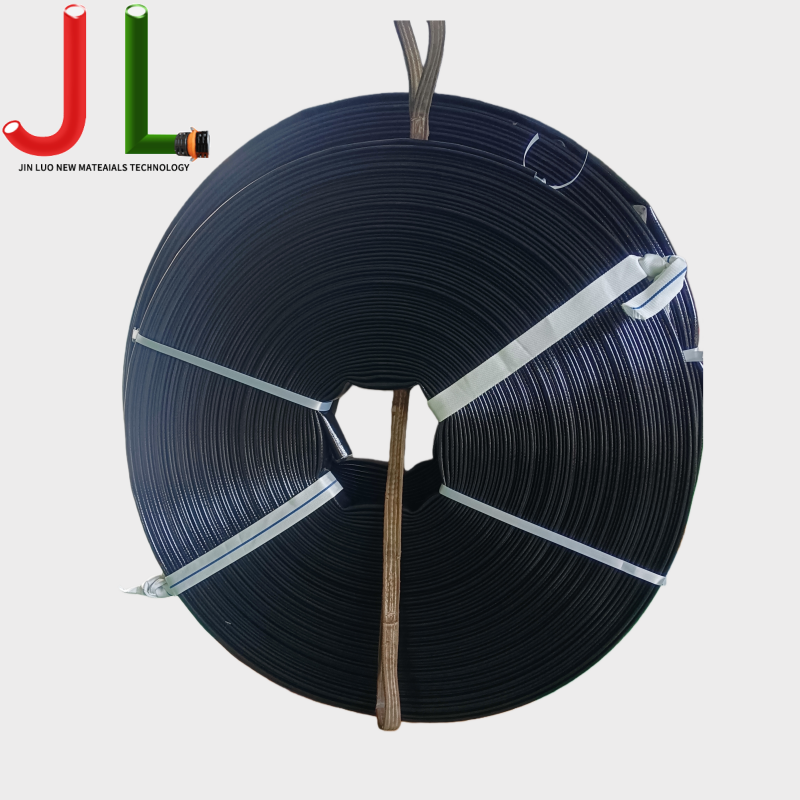
An Industrial Layflat Hose is a high-pressure flexible tube designed to transport fluids while offering the unique advantage of collapsing into a flat shape when not in use. This design is typically achieved through a composite construction involving a thermoplastic inner liner, high-strength synthetic fiber reinforcement, and a durable outer cover.
Definition and Core Structure
The structural integrity of a layflat hose relies heavily on its reinforcement layer. Unlike standard braided hoses, industrial-grade layflat hoses often utilize circular woven polyester or aramid fibers. This construction minimizes elongation under pressure and prevents "snake-like" movement during operation. The inner liner, usually composed of PVC or Polyurethane (TPU), ensures chemical compatibility and low friction loss.
Key Advantages over Traditional Hard Pipes
When evaluating fluid transfer systems, engineers must weigh the logistical and performance trade-offs between layflat hoses and rigid pipes. While hard pipes offer rigidity, they lack the deployability required for dynamic industrial environments.
Below is a detailed comparison of their characteristics:
| Feature | Industrial Layflat Hose | Traditional Hard Pipe |
| Deployment Speed | Extremely fast; can be deployed manually or with reels over long distances. | Slow; requires heavy machinery and skilled labor for welding or threading. |
| Storage Efficiency | High; collapses flat, significantly reducing storage footprint. | Low; requires large storage yards or vehicles due to fixed shape. |
| Pressure Handling | Designed for high working pressures with significant safety factors. | Excellent pressure handling but susceptible to joint failure. |
| Portability | Lightweight and flexible, ideal for temporary setups. | Heavy and rigid, difficult to relocate once installed. |
Top Applications of Industrial Layflat Hose
The versatility of Industrial Layflat Hose makes it indispensable across various heavy industries. Its ability to handle high volumes of fluid in a compact form factor solves critical logistical challenges.
Efficient Solutions for Construction and Mining
In the mining and construction sectors, water management is a constant battle against groundwater and slurry. The industrial layflat hose for dewatering is specifically engineered to handle these abrasive and high-volume fluids. Its robust construction prevents collapse under vacuum conditions common in dewatering pumps, ensuring continuous operation in open-pit mines and tunnel excavations.
Industrial Layflat Hose for Dewatering
Effective dewatering requires hoses that can withstand not only water but also sediment and debris. A specialized industrial layflat hose for dewatering typically features a smooth bore to minimize friction head loss, allowing pumps to operate at optimal efficiency. This reduces fuel consumption and extends pump life, providing a direct return on investment for project managers.
Fluid Transfer in Demanding Environments
For applications requiring the movement of large volumes of water over rough terrain, standard hoses often fail due to snagging or crushing. The industrial water hose's lay flat design distributes stress evenly across the weave, preventing localised failure points.
Industrial Water Hose Lay Flat
An industrial water hose lay flat solution is particularly valuable in agricultural sectors and municipal water transfer. Whether it is for emergency water supply or shifting water between reservoirs, these hoses allow for rapid setup and retrieval. The use of UV-resistant outer layers ensures longevity even when exposed to direct sunlight for extended periods.
Abrasion-Resistant Layflat Hose for Harsh Conditions
One of the primary causes of hose failure is abrasion. In mining and mineral processing, hoses are frequently dragged across rock and sharp surfaces. An abrasion-resistant layflat hose utilizes a specialized polyurethane (TPU) cover, which offers superior wear resistance compared to standard PVC compounds. This extends the service life of the hose significantly, reducing downtime and replacement costs.
Key Features of Heavy Duty Layflat Discharge Hose
A heavy-duty layflat discharge hose is differentiated from standard irrigation hoses by its ability to withstand higher pressures and more rigorous mechanical stress.
Durability and Pressure Ratings
Engineering specifications for heavy-duty variants often include a 3:1 or 4:1 safety factor (burst pressure to working pressure). This ensures that the hose can handle pressure surges without catastrophic failure. The tensile strength of the fiber reinforcement is the primary determinant of the hose's pressure rating. Jiangsu Jinluo New Material Technology Co., Ltd. ensures that every heavy-duty layflat discharge hose undergoes rigorous hydrostatic testing to verify these ratings.
Material Choices (PVC vs. Polyurethane)
The choice of material significantly affects the hose's performance in specific environments. PVC is cost-effective and suitable for general water transfer, while Polyurethane offers superior flexibility in cold temperatures and higher resistance to oils and fuels.
| Property | PVC (Polyvinyl Chloride) | PU (Polyurethane) |
| Abrasion Resistance | Moderate; suitable for clean water and smooth surfaces. | Excellent; ideal for slurry, mining, and rough terrain. |
| Chemical Resistance | Good resistance to acids and alkalis. | Superior resistance to oils, fuels, and hydrocarbons. |
| Temperature Flexibility | Can become stiff in sub-freezing temperatures. | Remains flexible in extreme cold (down to -40°C). |
| Cost Efficiency | Lower initial cost; best for general purpose. | Higher initial cost; lower total lifecycle cost in harsh conditions. |
Understanding PVC Industrial Layflat Hose Specifications
Selecting the correct hose requires a thorough understanding of technical data sheets. PVC industrial layflat hose specifications provide the necessary data to match the hose to the pump and the application.
Standard Sizes and Working Pressures
Standard industrial hoses are available in calibers ranging from 2 inches to 16 inches. The working pressure is inversely related to the diameter; larger diameter hoses typically have lower maximum working pressures due to the increased surface area. Engineers must verify that the hose's rated working pressure exceeds the maximum output pressure of the pump.
How to Choose the Right Specifications
When reviewing PVC industrial layflat hose specifications, consider the following critical parameters:
- Inner Diameter: Determines flow rate; must match pump discharge size to avoid friction loss.
- Wall Thickness: Contributes to burst strength but adds weight.
- Reinforcement Type: Look for high-tenacity polyester yarn for high-pressure applications.
- Working Temperature: Ensure the material rating matches the fluid temperature.
About Jiangsu Jinluo New Material Technology Co., Ltd.
For projects requiring reliable and high-performance fluid transfer solutions, partnering with a specialized manufacturer is essential. Jiangsu Jinluo New Material Technology Co., Ltd. is dedicated to the production and sales of polyurethane layflat fracturing hoses, Oil and Gas Hose, fire truck remote water supply hoses, industrial hoses, forestry hoses, irrigation hoses, agricultural drag hoses, drinking water delivery hoses, and trenchless pipeline rehabilitation hoses. Our factory is located in Jiangsu, China, and our products are widely used in oil and gas exploration, temporary oil transfer, mineral exploration, agricultural fertilization and irrigation, industrial fluid transfer, trenchless pipeline rehabilitation, emergency response, and construction. Our hoses in calibers from 2 inches to 16 inches, with customizable lengths. Customized calibers and models are available on demand.
Conclusion
The Industrial Layflat Hose represents a pinnacle of efficiency and durability in modern fluid management. Whether the requirement is for an abrasion-resistant layflat hose in a mine or a heavy-duty layflat discharge hose for construction, understanding the technical nuances ensures optimal performance and safety. By prioritizing material quality and precise specifications, engineers can significantly reduce operational risks.
Frequently Asked Questions (FAQ)
1. What is the main difference between PVC and Polyurethane layflat hoses?
PVC hoses are cost-effective and suitable for general water transfer, while Polyurethane hoses offer superior abrasion resistance, oil resistance, and flexibility in extreme temperatures, making them ideal for mining and oilfield applications.
2. How should I store an Industrial Layflat Hose to maximize its lifespan?
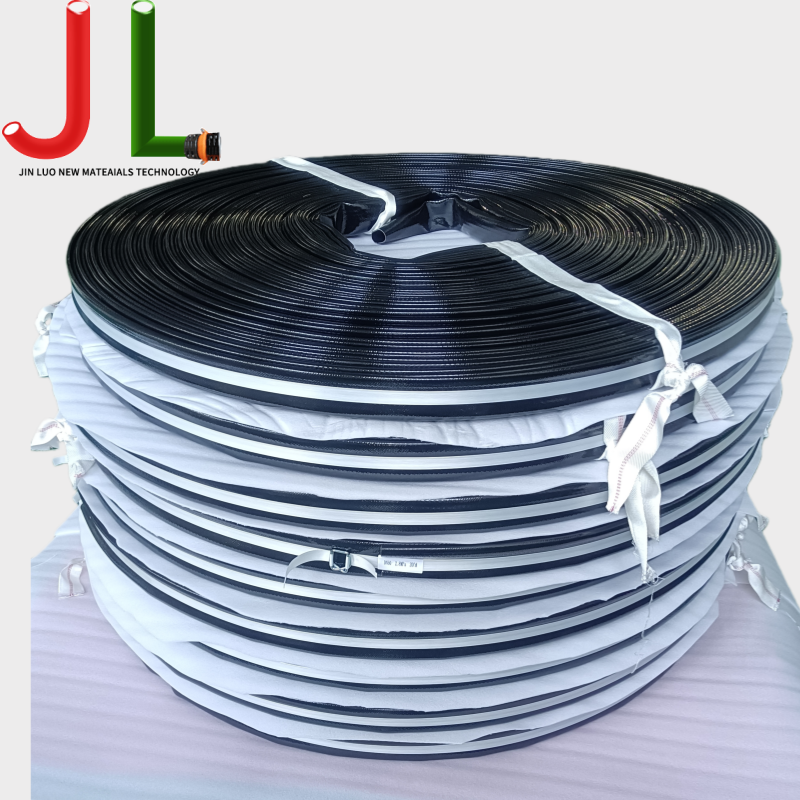
Hoses should be drained completely and stored in a cool, dry place away from direct sunlight and heat sources. They should be rolled flat or reeled to prevent kinks and creases that could weaken the structure.
3. Can an Industrial Layflat Hose handle negative pressure or suction?
Standard layflat hoses are designed for discharge (positive pressure). However, specialized models with helix reinforcement are available for suction applications. Always check the specifications for the vacuum rating if suction is required.
4. What factors determine the burst pressure of a heavy-duty layflat discharge hose?
Burst pressure is determined by the tensile strength of the reinforcement yarn, the weave density, and the adhesion quality between the liner and the cover. A higher quality weaving pattern and material strength result in higher burst pressure ratings.
5. Are customized lengths available for specific project requirements?
Yes, manufacturers like Jiangsu Jinluo New Material Technology Co., Ltd. offer customized calibers and lengths. This eliminates the need for on-site coupling and reduces potential leak points in long-distance pipelines.
References
- Hydraulic Institute. "Fluid Handling Systems: Design and Application Guide."
- Plastics Pipe Institute. "Flexible Pipe Design and Engineering Standards."
- Society of Petroleum Engineers. "Fluid Mechanics and Hydraulic Fracturing Technology."
Related Products
-

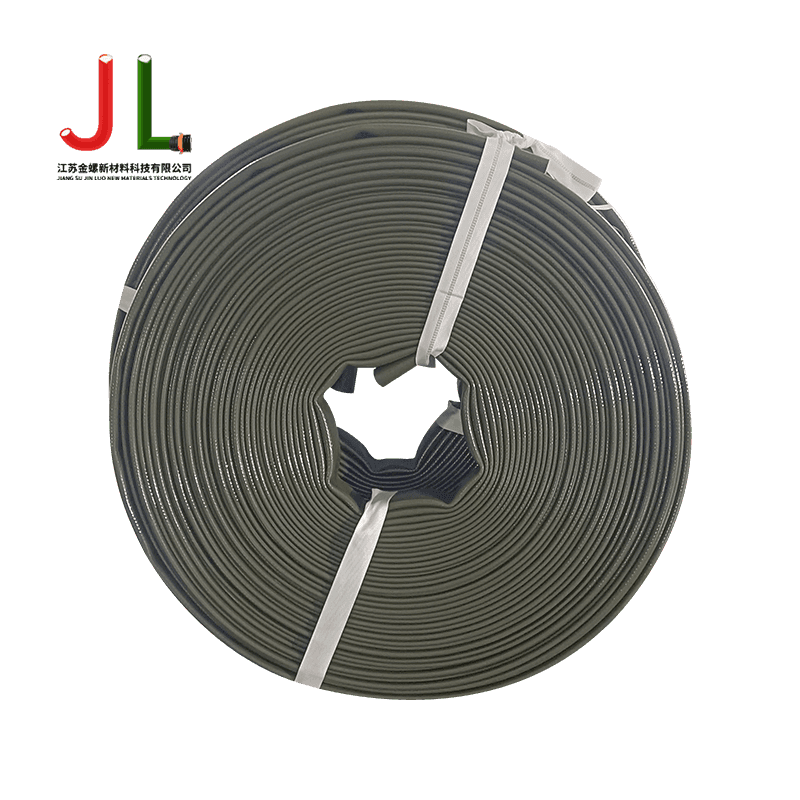
Jinluo Hose TPU Fracking Layflat Hose – Flexible Polyurethane Fracturing Water Supply Hose for Oilfield Applications
-
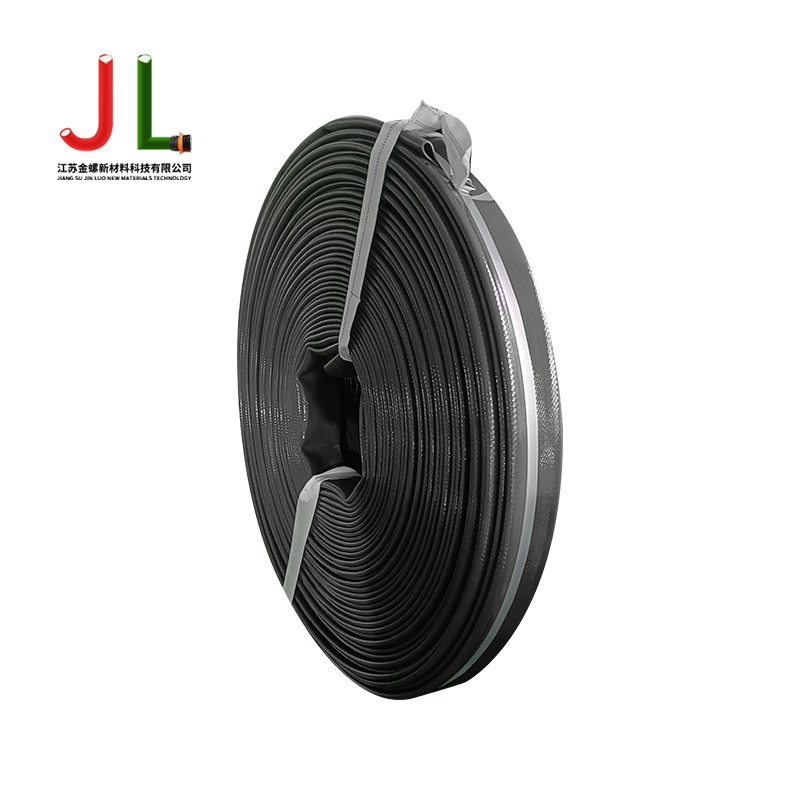
Jinluo Hose Polyurethane Fracturing Water Supply Hose
-
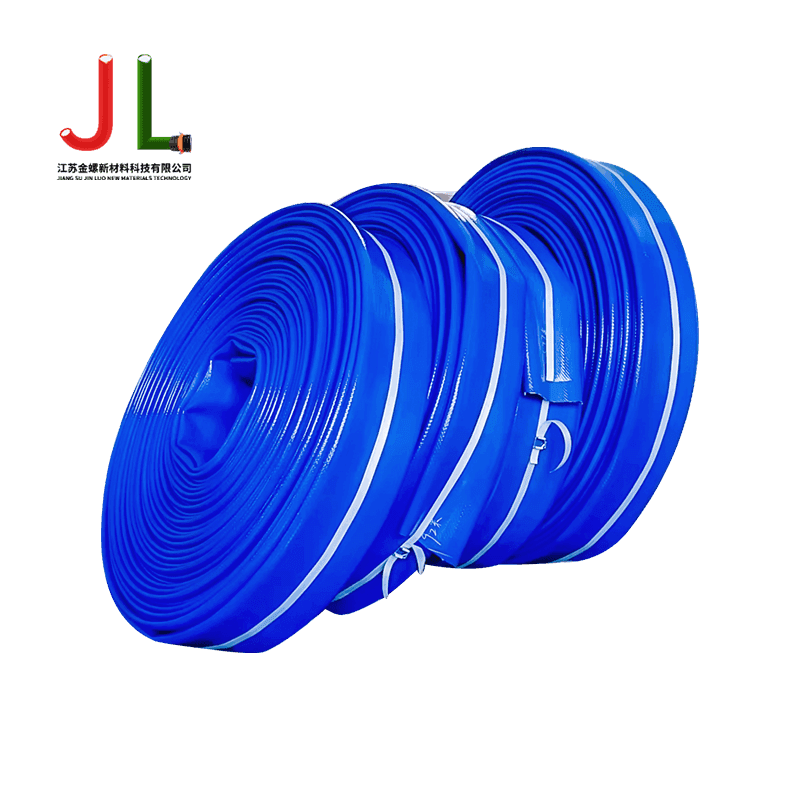
Jinluo Hose Polyurethane Slurry Hose – Reinforced Underground Mining Hose for Efficient Water and Slurry Discharge
-
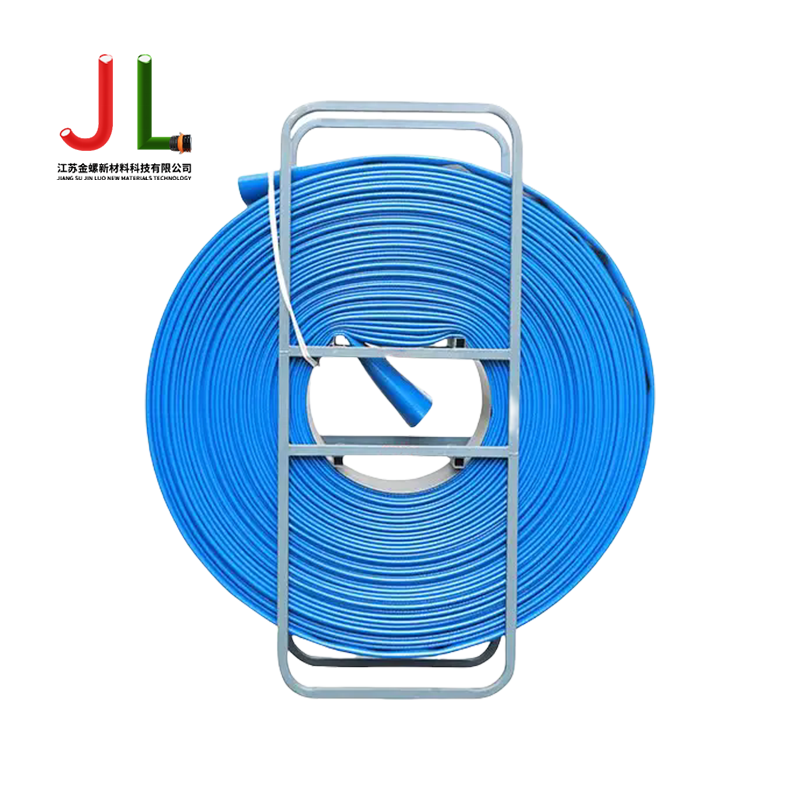
Jinluo Hose TPU frac water hose
-
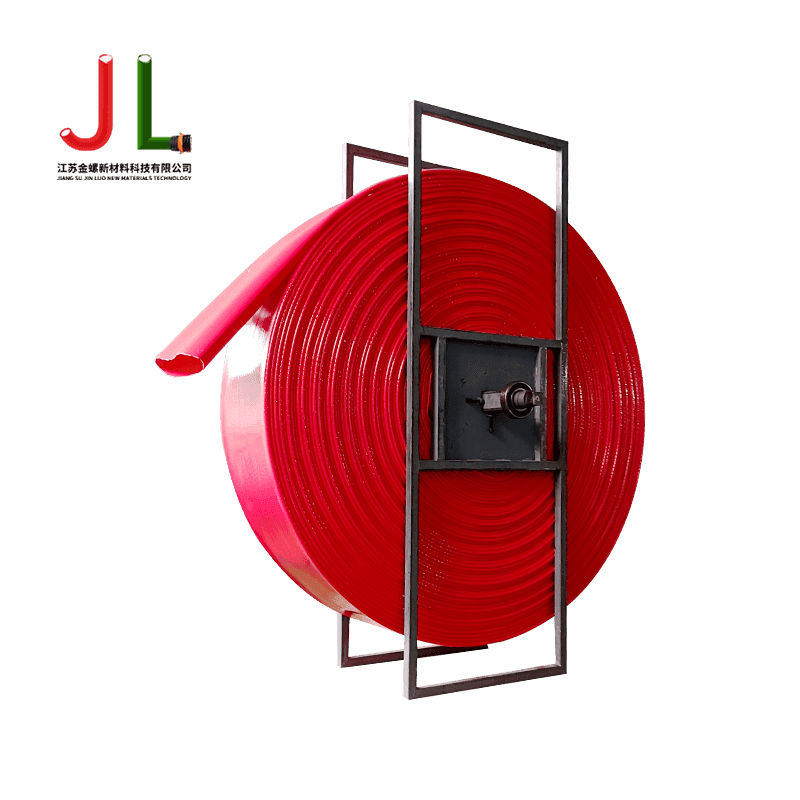
TPU Concrete Pouring Hose (Concrete Pumping Hose / Concrete Delivery Hose)
-
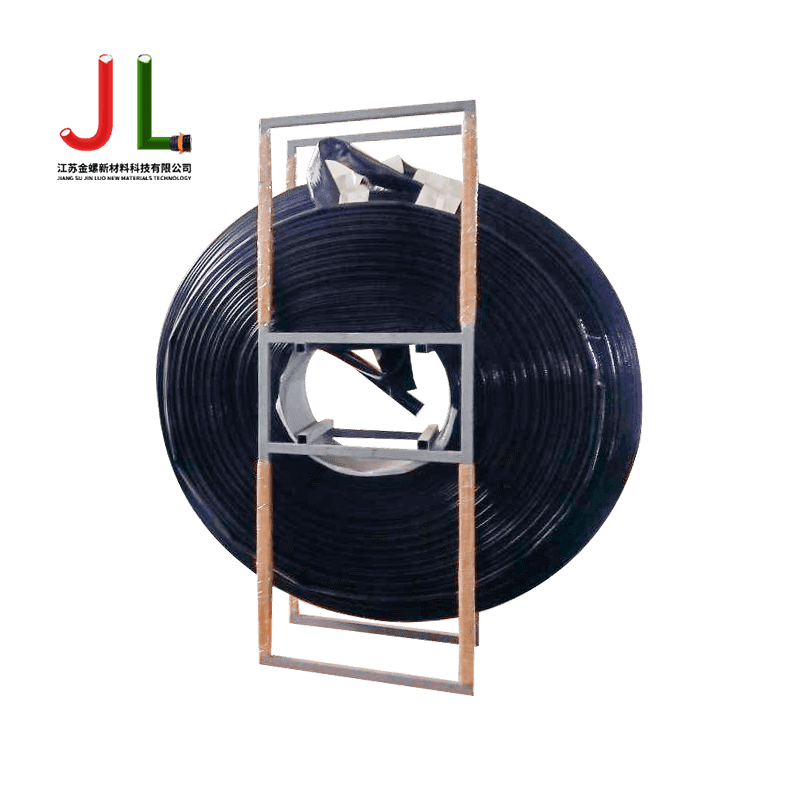
Jinluo Dual-Sided Polyurethane Trenchless Pipe Liner – Advanced Polyurethane Lining Hose for Trenchless Pipe Repair
-
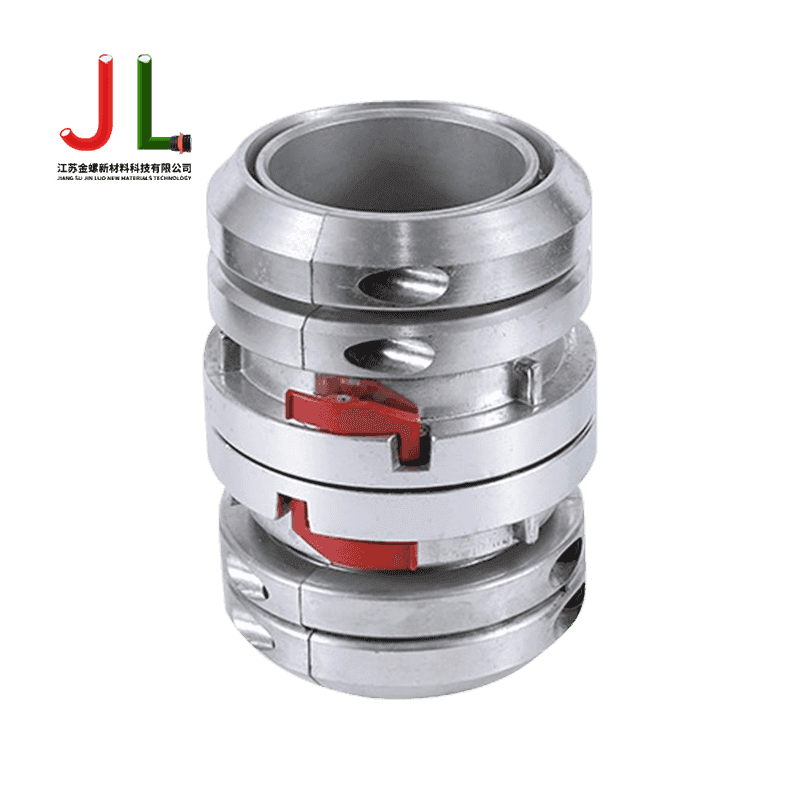
316 Stainless Steel Multi-Lug Quick Connect Couplings – Robust Stainless Steel Couplings for Quick Connections
-
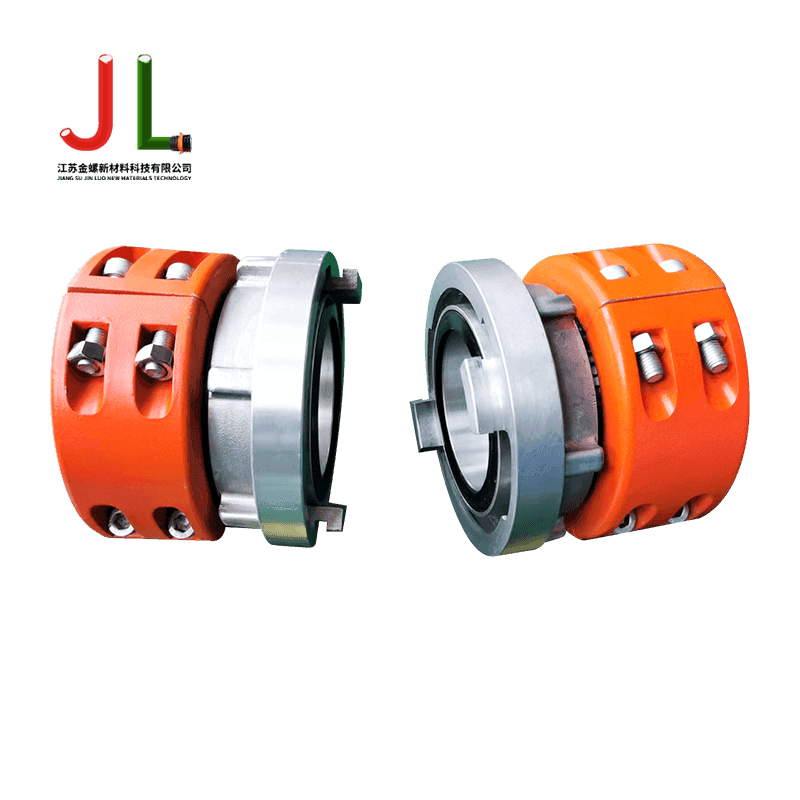
LDHC S Large Diameter Hose Coupling (Storz Type) – High-Performance Storz Type Coupling for Large Diameter Hose Connections
-
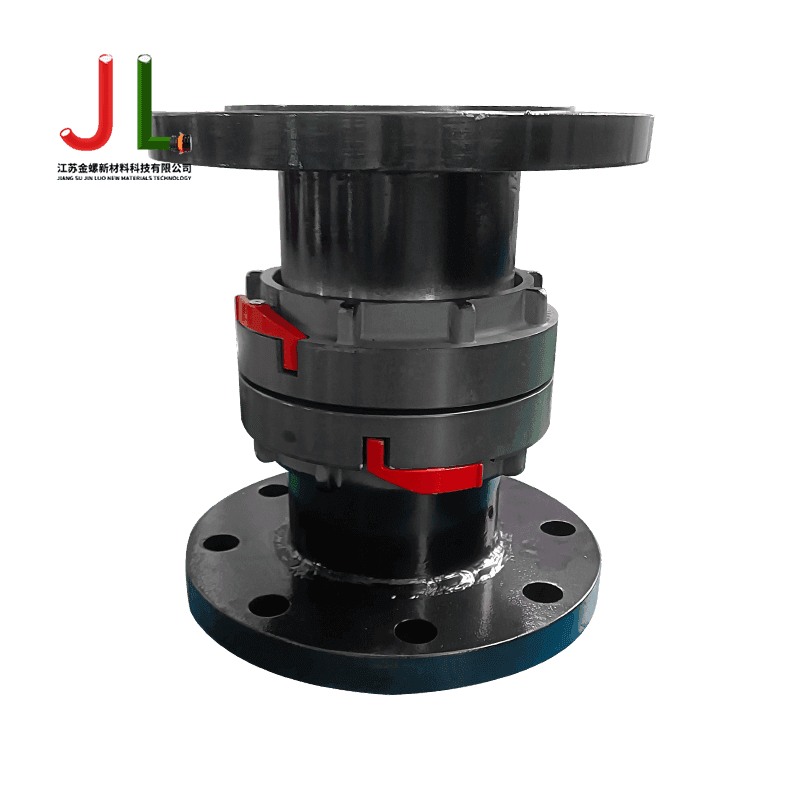
LDHC Large Diameter Hose Flange Coupling | High Pressure Sealing Carbon Steel / Stainless Steel Flange Connector for Petrochemical
Looking For Bussiness Opportunity?
Request for a call today

- Tel: +86-13801432164
- E-mail: [email protected]
- Address: No. 2 Workshop, East Zone, Photovoltaic Technology Industrial Park, No. 109 Yaojia Road, Jiulong Town, Hailing District, Taizhou City, Jiangsu Province, China
Quick Link
Products
Coprright 2025
Jiangsu Jinluo New Material Technology Co., Ltd.
Privacy
