

 English
 عربى
عربىIndustrial Flange Joints | High-Pressure Pipe Connection & Sealing Solutions Customized
HOME / PRODUCTS / Layflat Hose Couplings / Flange Joint / Industrial Flange Joints | High-Pressure Pipe Connection & Sealing Solutions

Product Overview
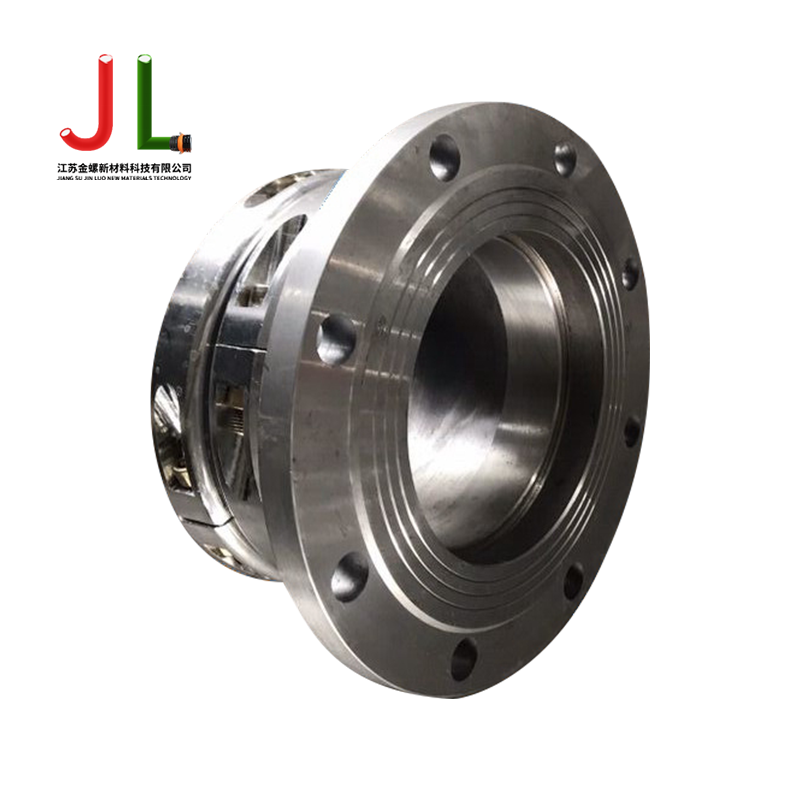
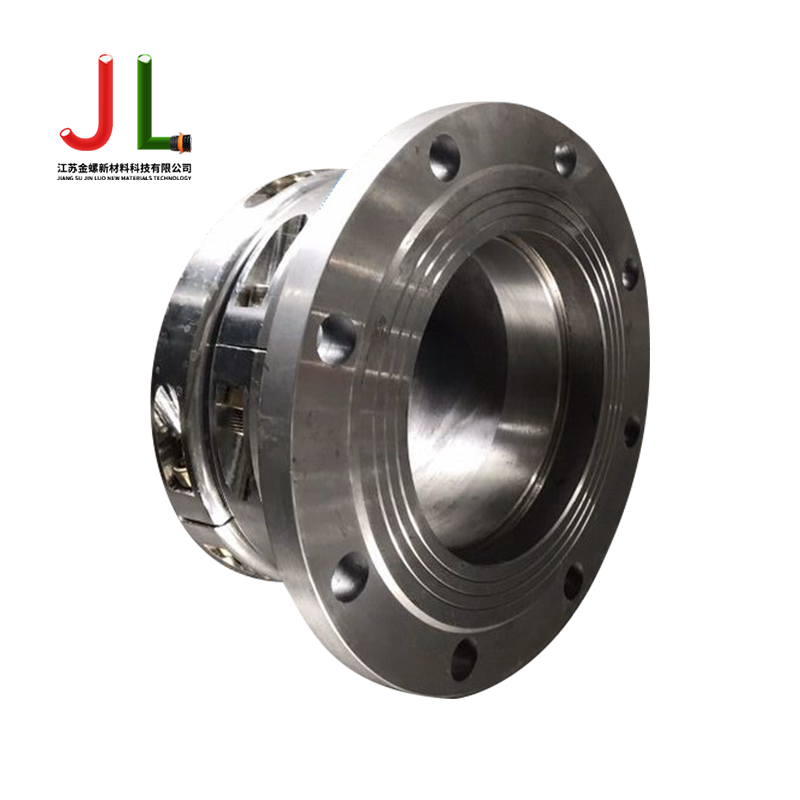
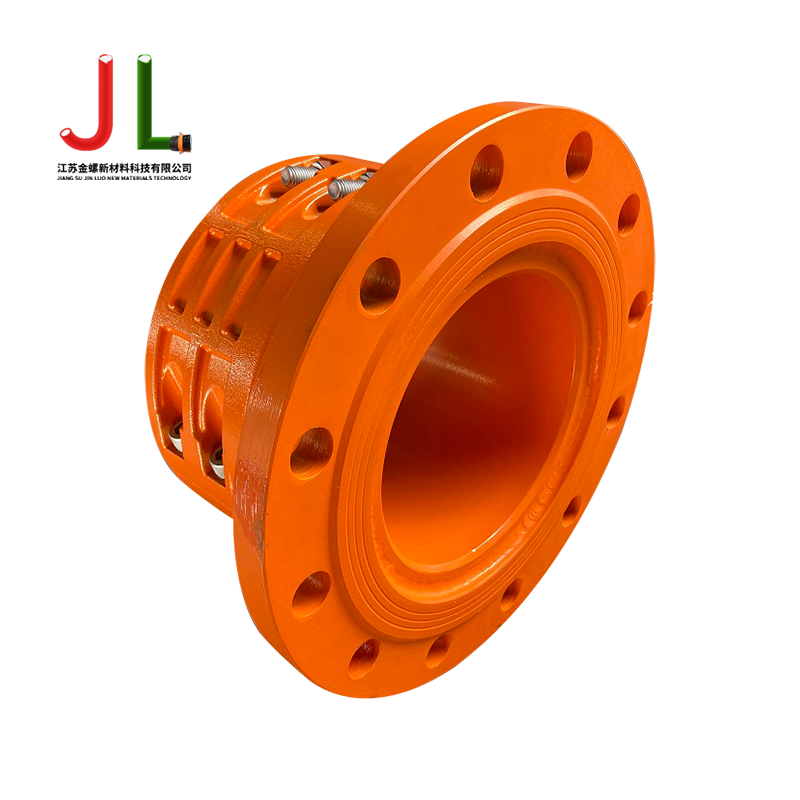
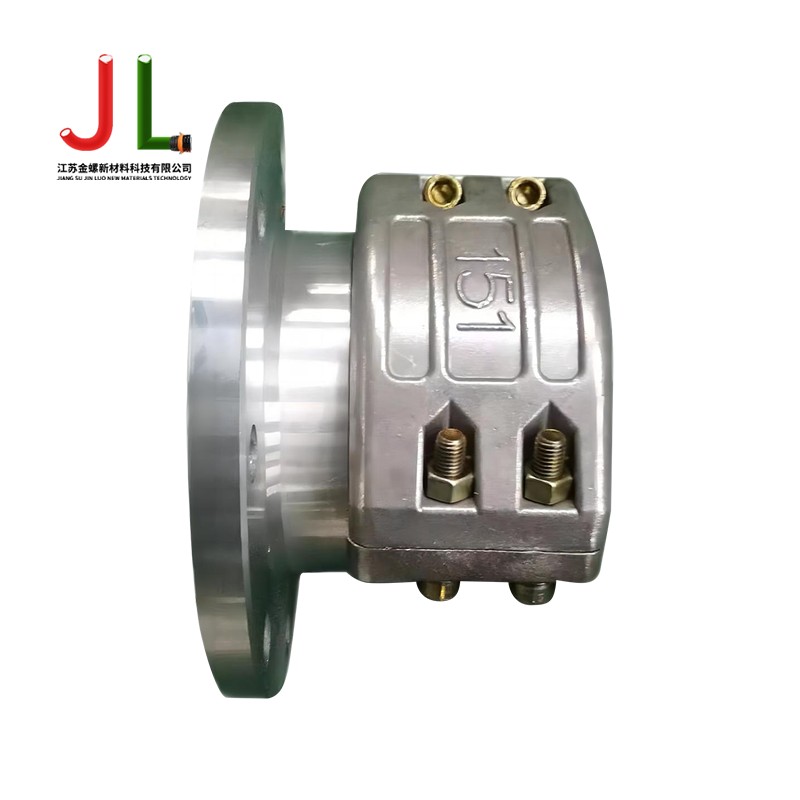
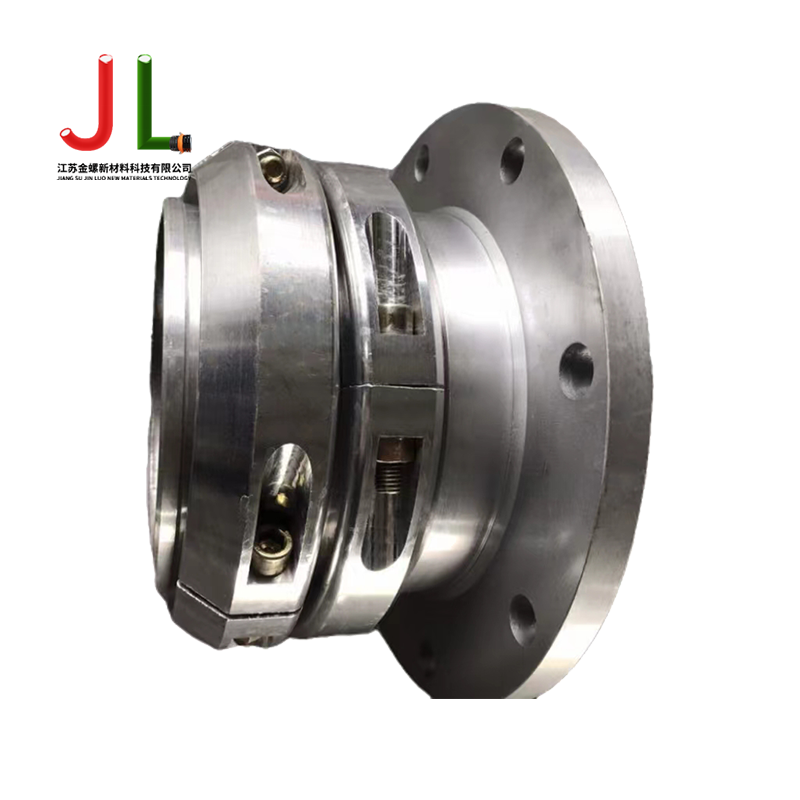
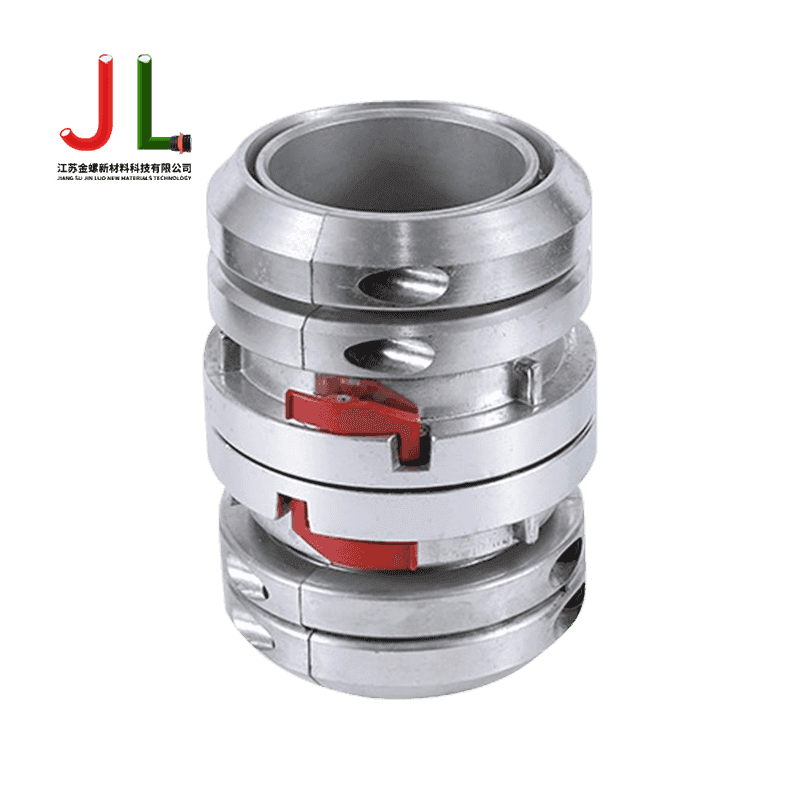
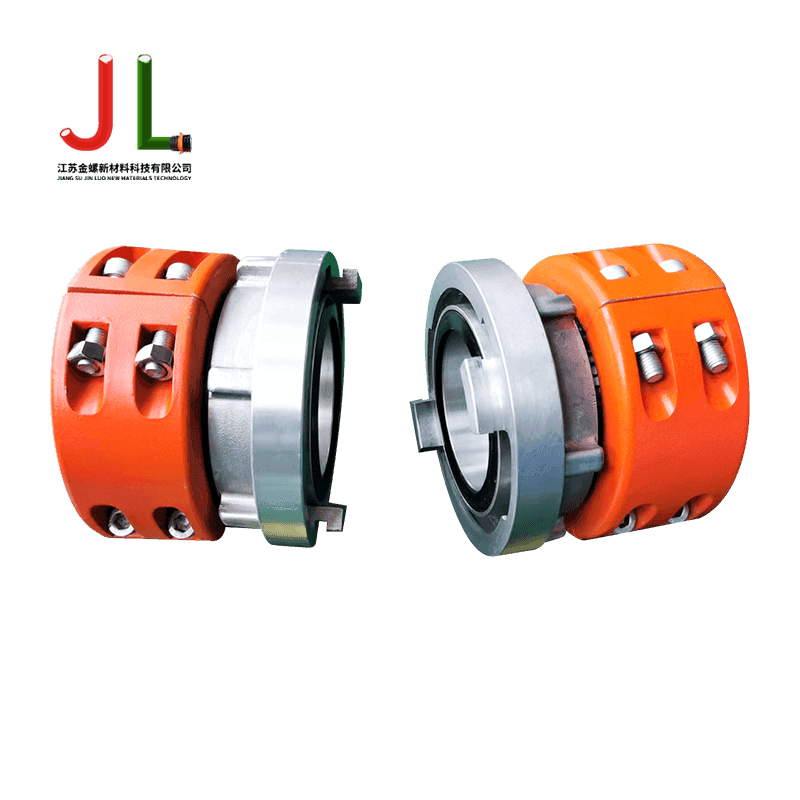
A flange joint is a detachable mechanical assembly used to connect pipes, valves, pumps, and other equipment in a piping system. By tightening bolts to compress a gasket between two flange faces, the joint creates a reliable, leak-proof seal. Flange joints are essential for industrial applications involving high pressure, elevated temperatures, and corrosive media.
Structural Components
A standard flange joint consists of three primary components:
Flange Plates: Disc-shaped fittings with bolt holes, available in types such as weld neck, slip-on, and blind flanges to suit various installation requirements.
Sealing Gasket: Positioned between flange faces, the gasket deforms under bolt load to fill surface irregularities and prevent leakage. Common materials include rubber, PTFE, graphite, and spiral-wound metal.
Fasteners: High-strength bolts and nuts that apply controlled preload to ensure uniform gasket compression and long-term seal integrity.
Material Selection
Flange joints are manufactured from a range of materials to match specific operating conditions:
Carbon Steel Flanges: Ideal for general industrial applications including water supply, low-pressure steam, and standard process piping. Offers excellent strength and cost-effectiveness.
Stainless Steel Flanges: Available in grades such as 304 and 316L, these provide superior corrosion and oxidation resistance for chemical processing, food and beverage, pharmaceutical, and marine environments.
Alloy Steel Flanges: Engineered for high-temperature and high-pressure service, commonly found in oil refining, petrochemical plants, and power generation facilities.
Application Fields
Flange joints serve as standardized connectors across numerous critical industries:
Oil & Gas: Used in wellhead equipment, transmission pipelines, and refinery process units.
Chemical Processing: Connecting reactors, heat exchangers, and piping systems handling corrosive fluids.
Municipal Water & Fire Protection: Essential for pump stations, valve connections, and rapid deployment of fire suppression networks.
Mining & Dewatering: Applied in slurry transport, mine drainage, and industrial fluid transfer operations.
Installation & Maintenance Advantages
Flange joints are designed for both reliability and operational convenience:
Easy Installation: Standardized bolt hole patterns enable quick alignment and fastening during on-site assembly.
Superior Sealing: Proper bolt tightening in a cross-pattern sequence ensures even gasket compression and a durable, leak-free connection.
Simple Maintenance: The detachable nature of flange joints facilitates routine inspection, strainer cleaning, and component replacement, reducing overall lifecycle maintenance costs.
|
Product name |
Flange Joint, Pipe Connection, High Pressure, Industrial Fittings |
|
Types |
LDHC-Flange |
|
Material |
Alum. /Stainless Steel/Carbon Steel |
|
Size/inch |
DN50-DN400 |
|
Technology&Advantage |
1. Forged hose shank; 2. Re-attachable hose clamps; 3. Hard anodized for wear and corrosion protection |

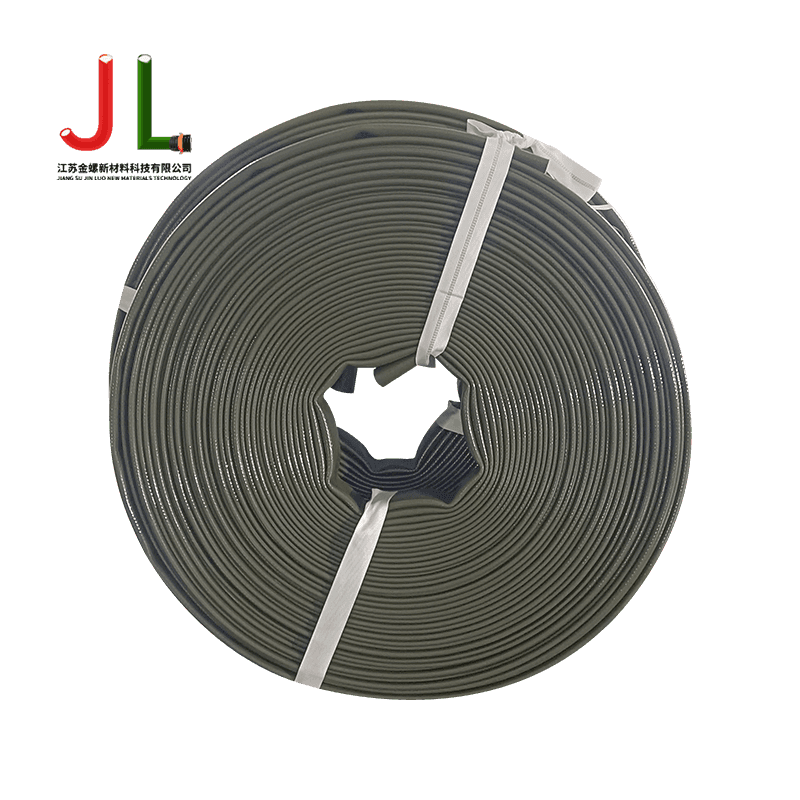
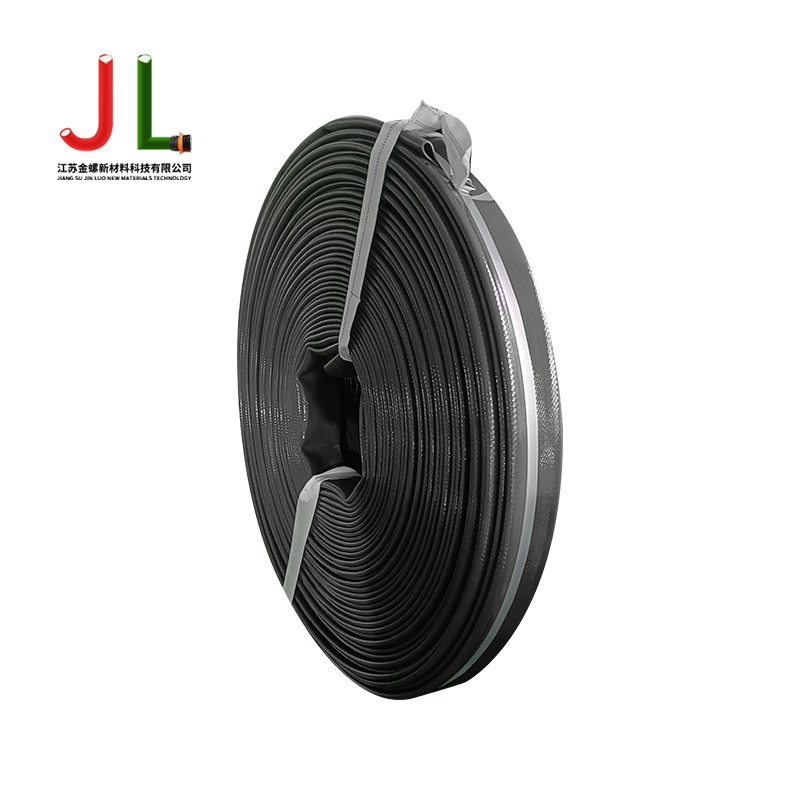
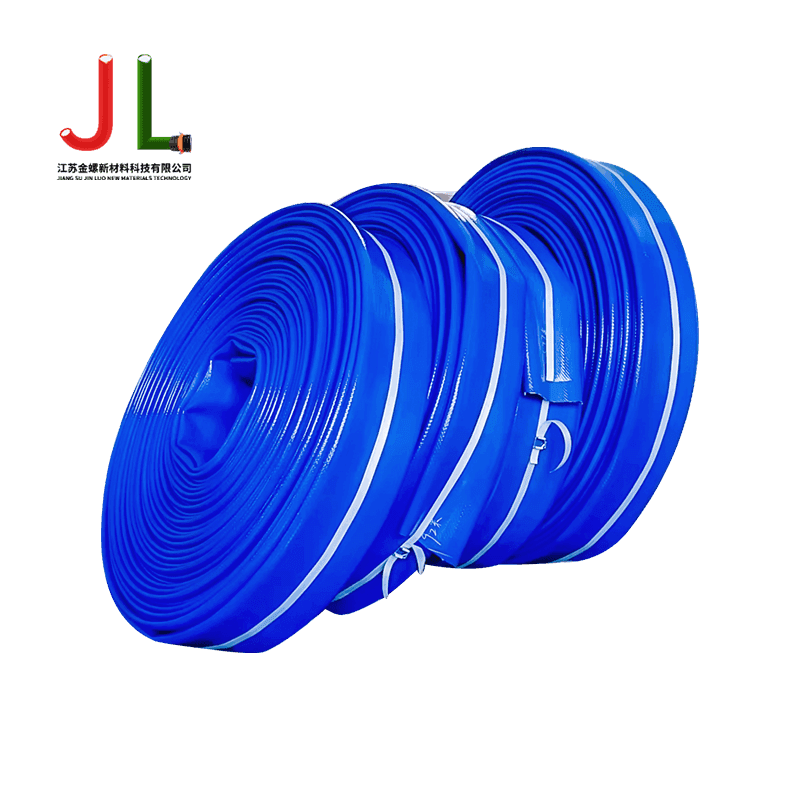
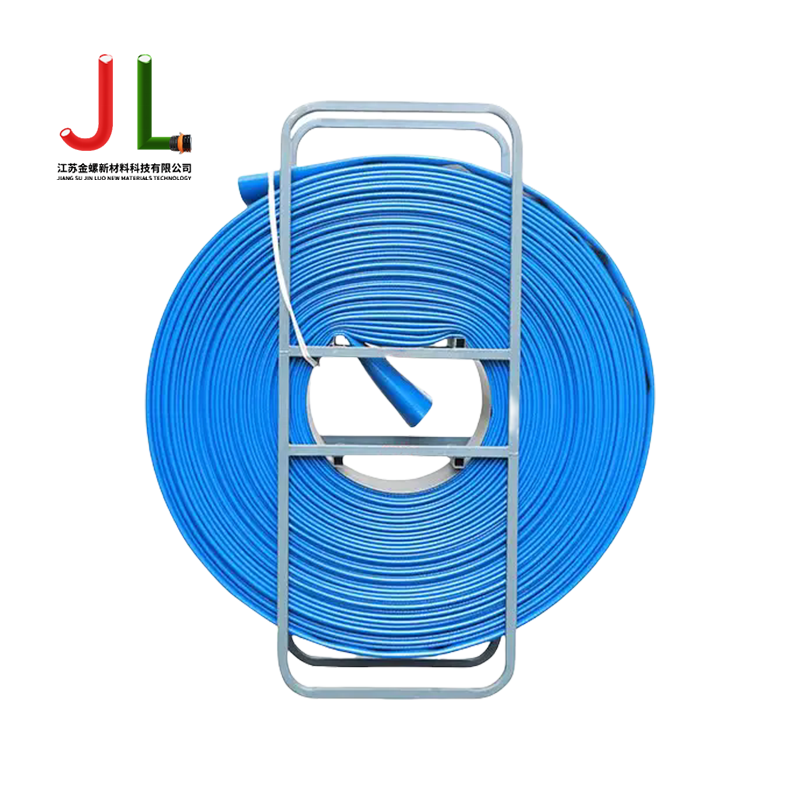
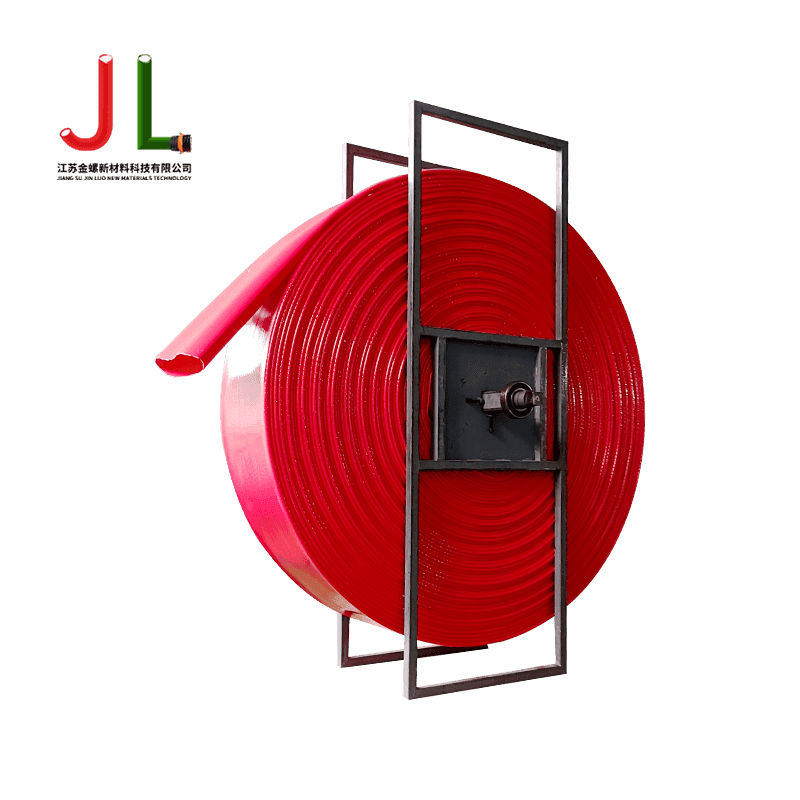
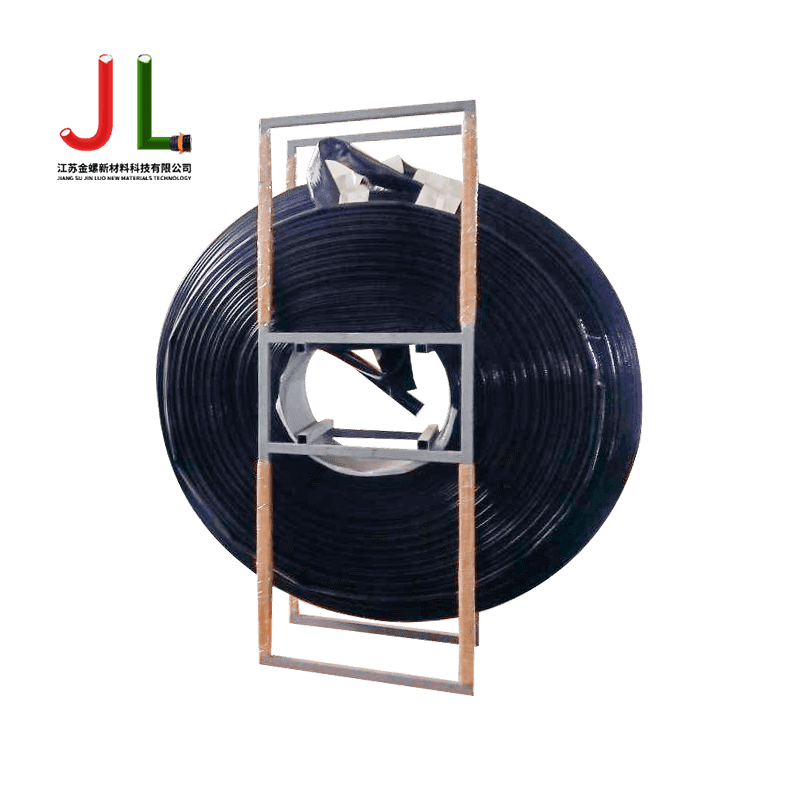
Jiangsu Jinluo New Material Technology Co., Ltd. is dedicated to the production and sales of polyurethane layflat fracturing hoses,Oil and Gas Hose、 fire truck remote water supply hoses, industrial hoses, forestry hoses, irrigation hoses, agricultural drag hoses, drinking water delivery hoses, andt renchless pipeline rehabilitation hoses. We are Wholesale Industrial Flange Joints | High-Pressure Pipe Connection & Sealing Solutions Suppliers and Customized Industrial Flange Joints | High-Pressure Pipe Connection & Sealing Solutions Manufacturers, Our factory is located in Jiangsu, China, and our products are widely used in oil and gas exploration, temporary oil transfer, mineral exploration, agricultural fertilization and irrigation, industrial fluid transfer, trenchless pipeline rehabilitation, emergency response, and construction. Our hoses in caliber from 2 inches to 16 inches, with customizable lengths. Customized calibers and models are available on demand.

In-stock Inventory
0ton+
Annual Output
0m
Industry Experience
0+
Plant Area
0㎡+Request for a call today